INTERVIEW: Scarlet Page – Three Decades Behind the Lens

by the partae
More than 30 years behind the camera is an incredible body of work. What was it about photography that first pulled you in and made you want to build a life around it?

I always loved cameras as a physical object and when I had the chance at art college to have one as part of my course, that excited me more than anything. I think the results that I got with the camera were far more fulfilling than the art that I was creating because I could really capture what I saw rather than do my best to try and replicate it.
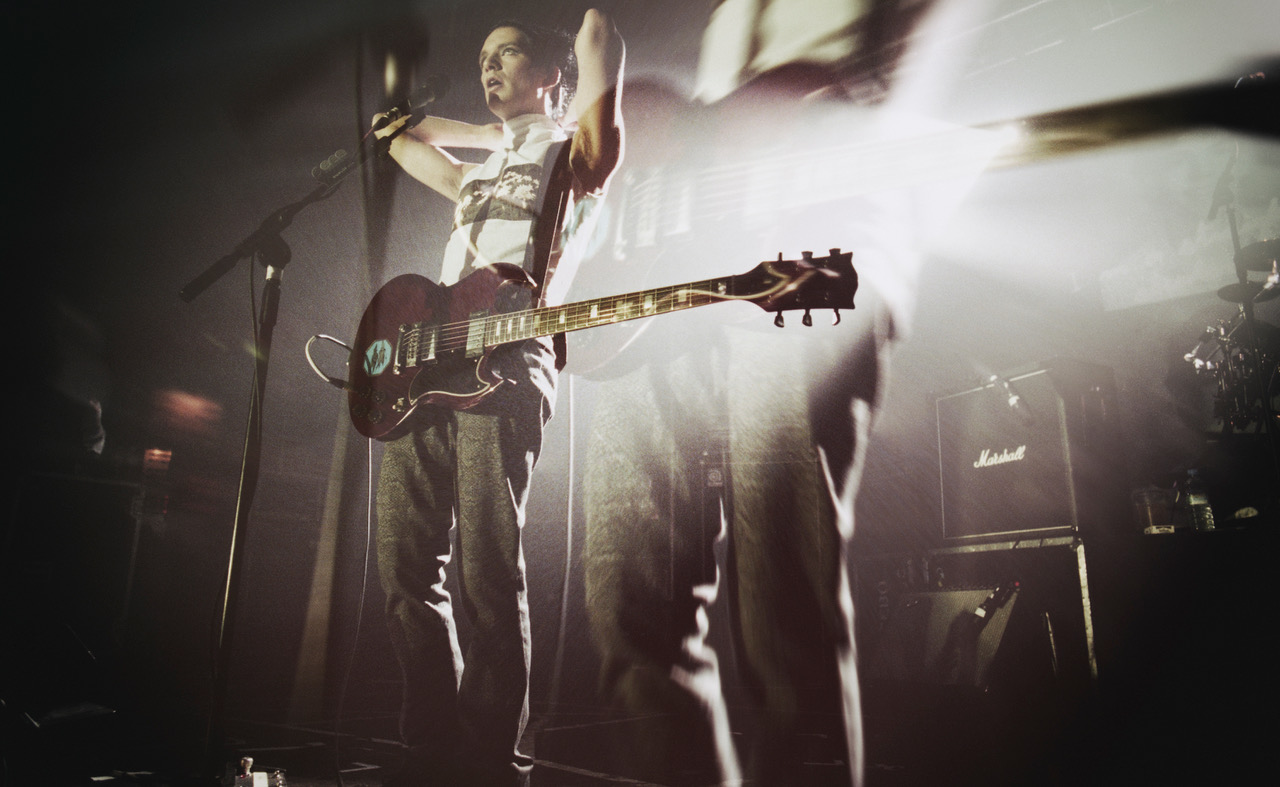
The 1994 Lollapalooza tour took you across America photographing artists including The Smashing Pumpkins and The Beastie Boys, followed by The Verve’s A Northern Soul album artwork the following year. What do you remember about that period, and how did working on the album accelerate your career?
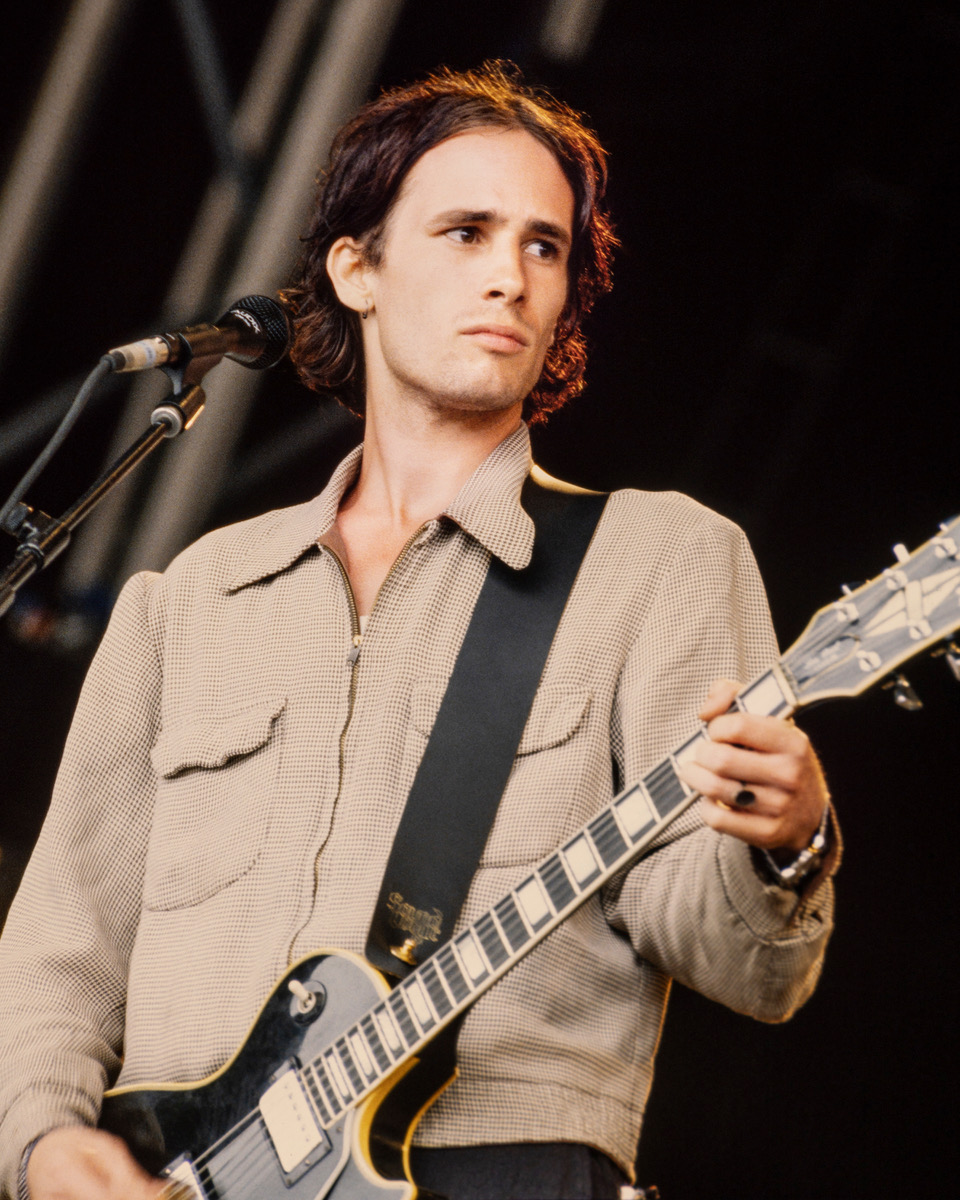
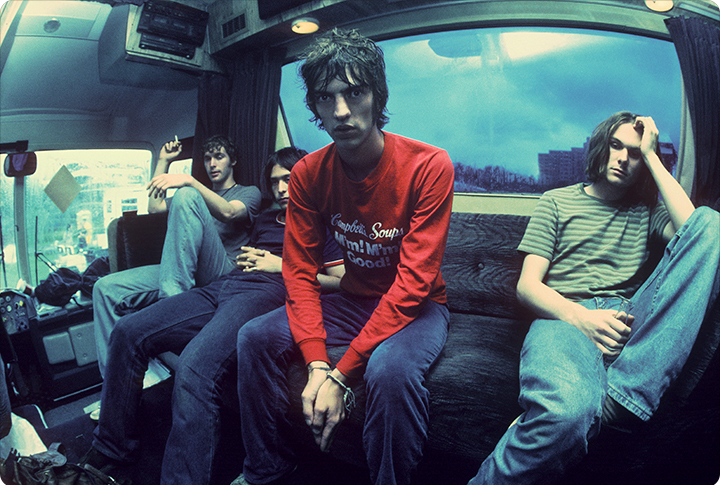
The Lollapalooza tour was really a leap of faith. I had access to a pass that allowed me to shoot as much as I felt brave enough to do. It was such an incredible experience to shoot all those bands and meet The Verve.
From that experience, I was resourceful and made cards that I sent out to all the PRs and management that I knew. The Verve’s management, Savage and Best, saw my image and asked if it could be on the band’s upcoming artwork. That was incredible because it really made my portfolio look a lot cooler at that point of starting out.

After photographing so many different artists, what makes you connect with someone behind the camera, and are there particular moments with musicians that have stayed with you?

I feel like everyone doesn’t want to have their photograph taken so I always go into every shoot trying to connect with someone: to have a connection, to have a few moments of shared moments, and try and make it as painless as possible. I’m always striving to get something that’s a little bit more than just a snap of someone, if you know what I mean. I want to get behind the mask a little bit or something that feels a bit looser.  I’ve been lucky enough to have quite long-standing relationships with some of the bands that I’ve worked with and it’s always such a pleasure to go back and shoot. For example Billy Corgan recently, who was putting on his Melancholy and the Infinite Sadness opera in London at the Royal Festival Hall. I’m going to be going out with Placebo on some of their dates to celebrate 30 years of their first album so that feels like a real blessing.
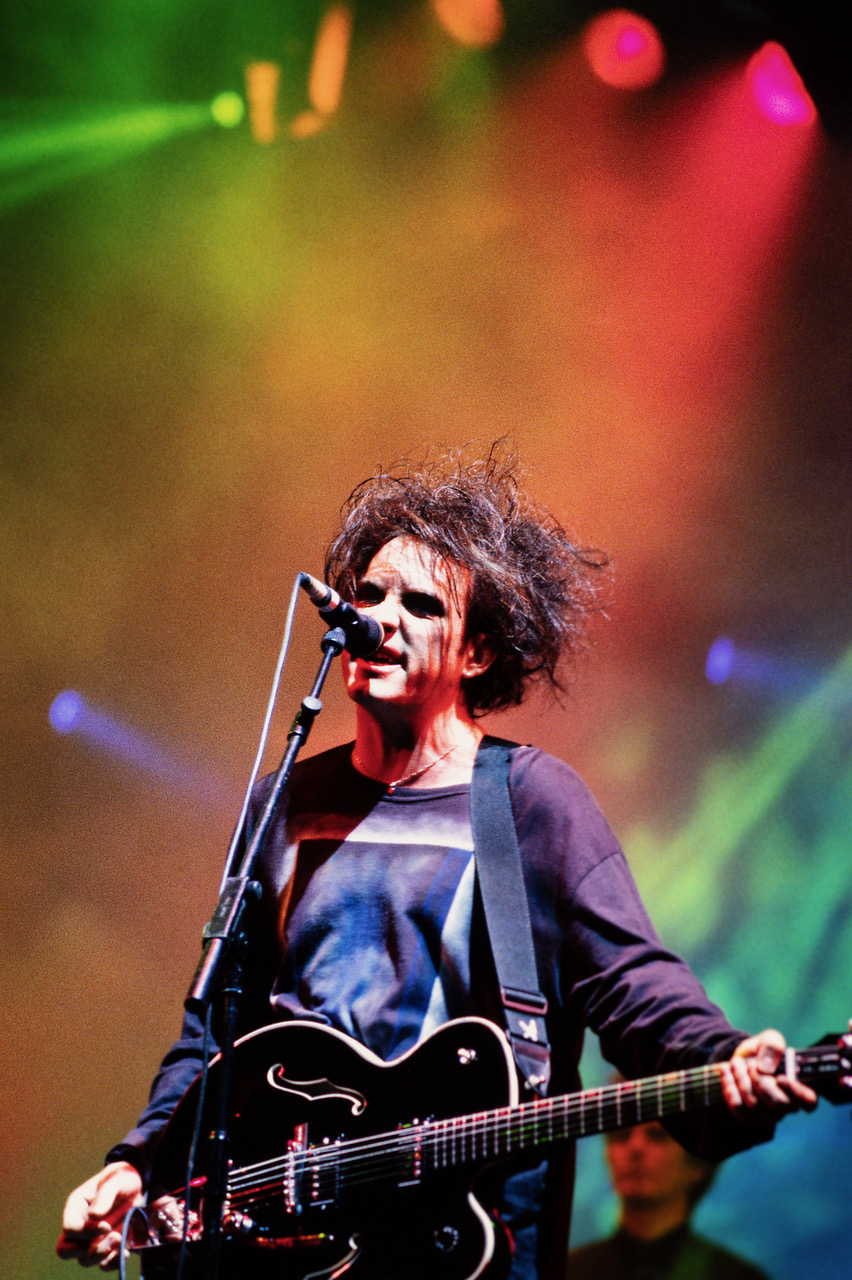
A lot of music photography can become about the public image of an artist. How do you create a moment that feels genuine when the person in front of your camera is already so accustomed to being photographed?
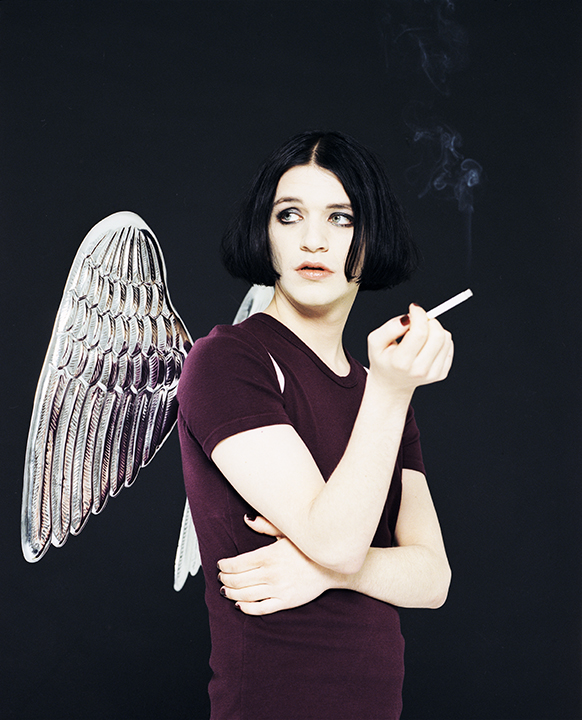
I think you don’t always know how it’s going to pan out but it’s true that photography can really work together with the artist to create a lasting image of who that band is or was.
I think I always just go into shoots the same way: I’m not overthinking it too much, but just trying to get something that feels very authentic. It is a two-way process. It really is not just me photographing; it’s what they bring to it as well.
Images such as Brian Molko ‘Angel Wings’ are a really good example of that. He inspired me to pick up the props that we used in the photo shoot and then he brought something else to the image completely, which created an image that has had such longevity.

The Resonators project took you around the world photographing guitarists with their instruments. What did spending time with so many musicians teach you about the relationship between an artist and their instrument?
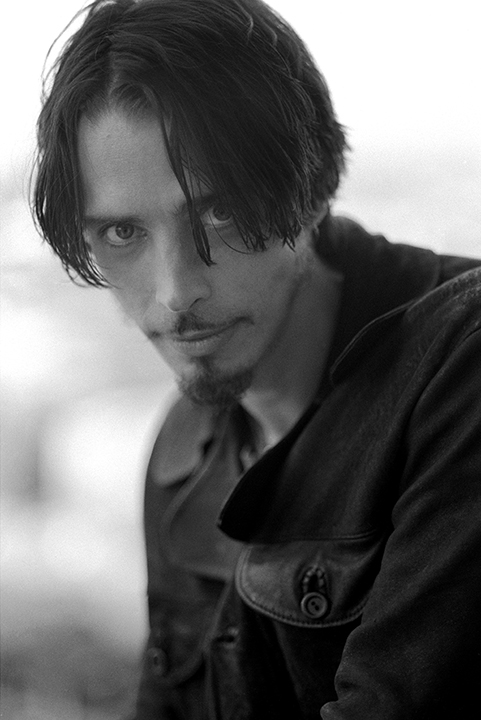
Resonators was really interesting because, from the go, I wanted there to be consistency in the portraits so I used the same lens and generally kept it very informal. I took one backdrop with me as a sort of standby in case there was nothing to shoot against.
I wanted them to be holding a guitar and it was interesting how a prop can really relax the subject, particularly a guitarist, because, truly, the guitar is their number one passion. To have them with that object is going to put them in that place.
Sometimes I would have to work a little bit harder to reach them because they’d sort of gone off in a different plane with their guitar and they were playing it. I didn’t want it to be a fly-on-the-wall image. I wanted it to be a portrait so that was the only challenge. It was definitely a really good thing to do: having the instrument in the shots.

Going back through the photographs for EXPOSED: 3 Years With Placebo, what was it like revisiting those early years of the band more than two decades later?
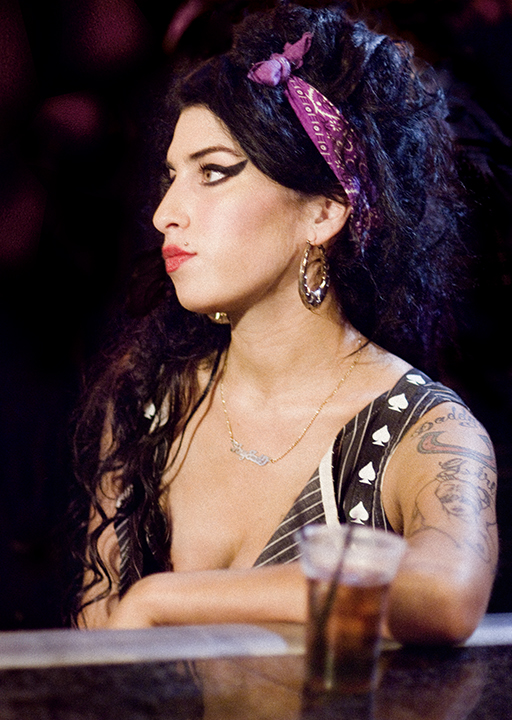
It was really exciting to show those never-before-seen images in a book: the warts and all, the life behind the glossy studio shoots, the very real raw side of a band on the road in the late ’90s.
It was interesting because, between us, we came up with a really great selection and some of the images were a bit blurry (me sort of playing it out with new cameras and not getting the results that I wanted). Actually in hindsight, as time has gone on, they add another sort of level to the shot so I kept in the blurry ones for the aesthetic!

A 1997 portrait of Brian Molko is now part of the National Portrait Gallery’s collection. How does it feel seeing an image that began as a Kerrang! commission become part of a national collection?
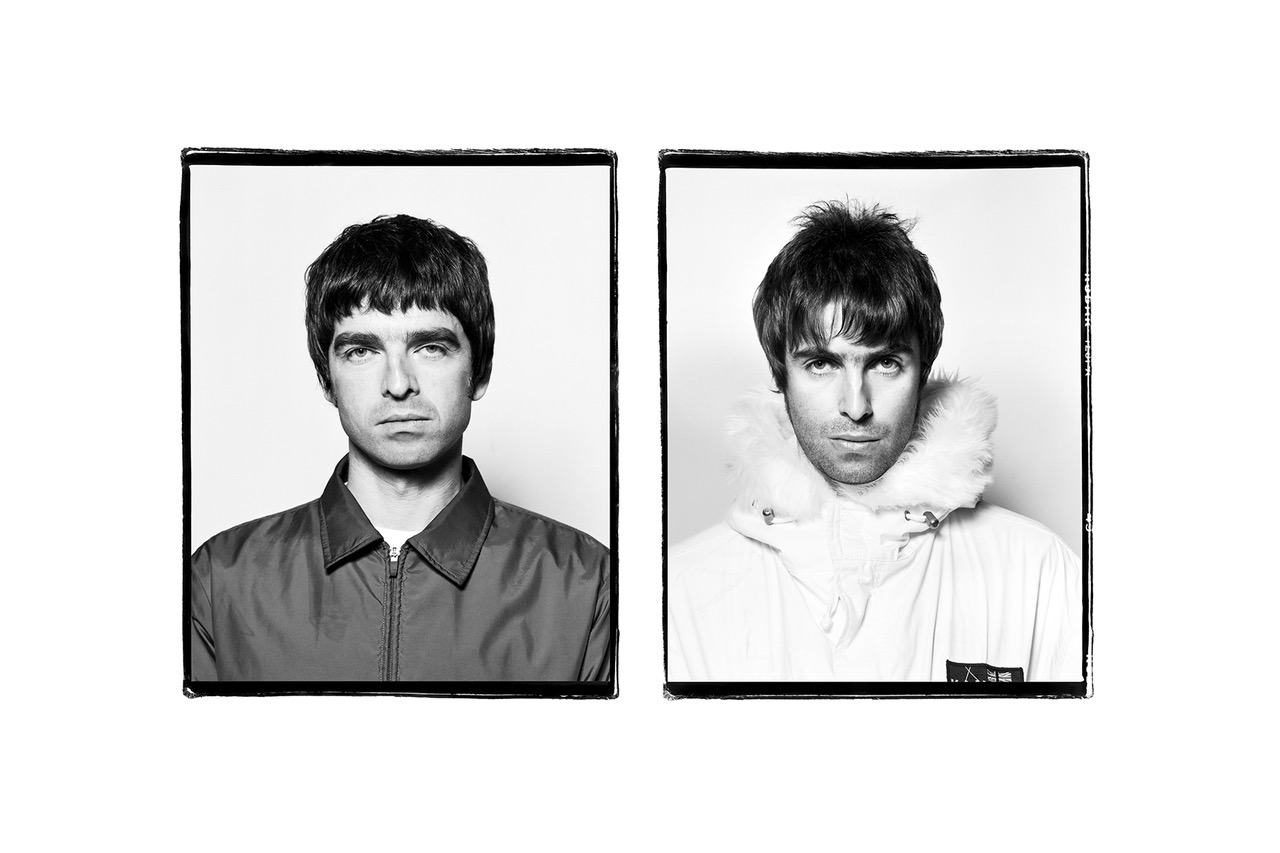
I’m really proud of that. Honestly, thinking back, I knew it felt like a really strong image but it’s a dream come true, really, to have that shot as part of the collection. It just goes to show all those people who used to poo-poo Kerrang and look down their noses: actually Kerrang is a cultural icon of a magazine.
My days with Kerrang were some of the best ever: really exciting, a very different time in music photography, where there were big budgets and you were flown around the world. I guess there was a scarcity of photographers so there was the capacity for that, whereas now it’s a very different arena. Still very, very exciting, and I find that I am inspired on a daily basis by what I see but it is very different

The Buddy project takes a very different approach to portraiture, photographing children with their favourite comfort toys. What drew you to that idea, and what did those portraits reveal to you about photographing people?
Well interestingly enough, it was very similar to the Resonators project in terms of them holding that one thing that is their one true love.
At the time my own children were finding that whole lockdown time quite challenging and it was really an exploration into that and how these small objects would prove to be so comforting. Revisiting them five years later is something that I did last summer and that was brilliant: to go back to the same spots to see the same moss or the marks on the fences and just see how time has moved on.
With these a 7-year-old children is suddenly a 12-year-old,  and these kids that fitted into the frame I’m now having to use a different lens because they’re 6’1″. I really, really enjoy people photography and the aesthetic of objects and spaces and how time affects that.

Photography has changed dramatically from the days of film and darkroom processes to digital cameras and social media. How has that changed the way you work, and is there anything about the old way of working that you miss?
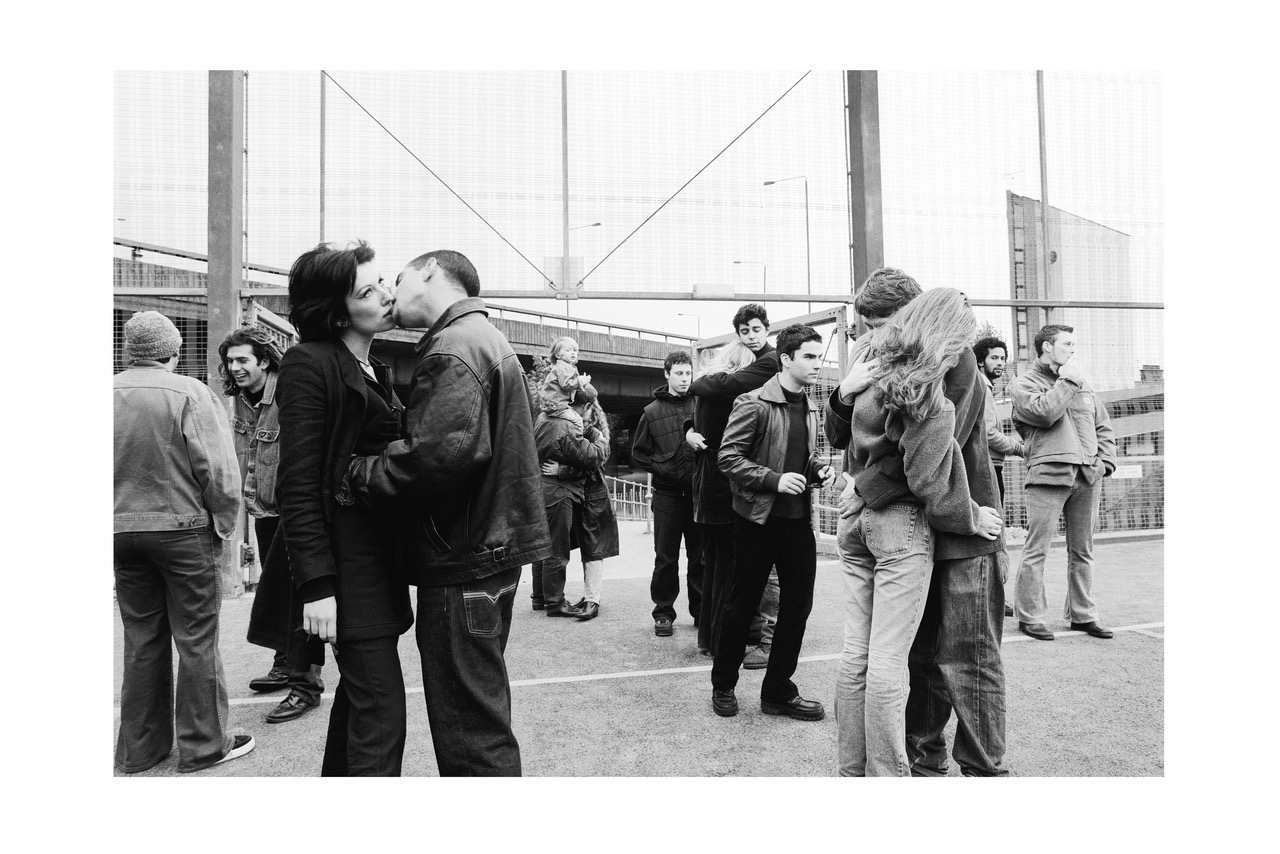
I do really miss the simplicity of the beginnings of my photography journey, where you would move very quickly from one shoot to the next, take the film to the lab, and make a selection from the contact sheets. Really there was not very much admin whereas now I feel like I’m drowning in admin a lot of the time: emails, marketing, social media, contacting, hustling.
Really there are a lot of things that I love about the practise now that I would miss if I went back to the old days. That’s one thing we know is guaranteed: change. It’s really important to keep up with the changes, keep feeling the same passion and inspiration, and keep playing with the medium and working on your own projects as well.

Your new Held: Three Decades of Artists and Their Gibson Guitars exhibition brings together more than 30 years of music photography. After looking back through such a huge archive, was there anything that surprised you about your own work or the changes in music photography over that time?
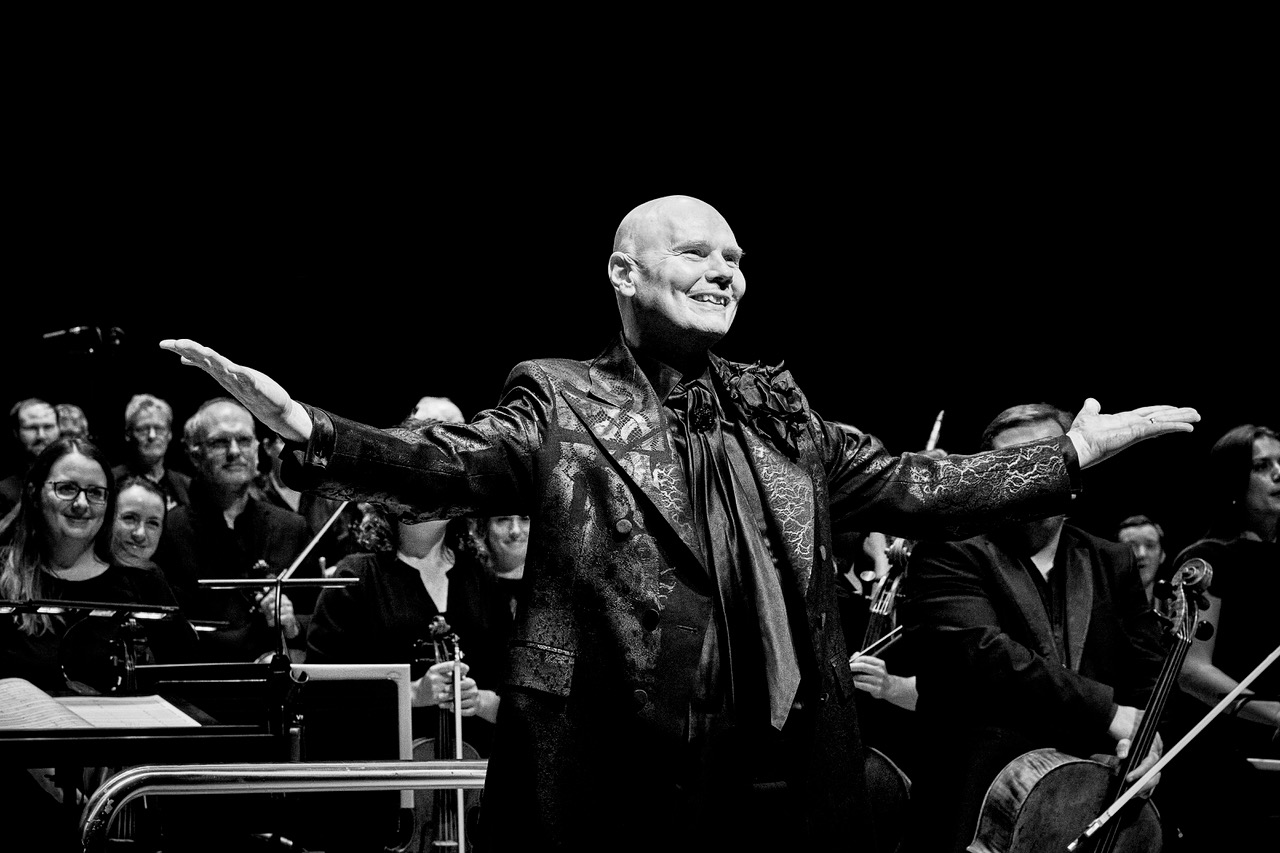
I wanted this exhibition to be quite simple in the sense that Gibson had offered me an exhibition and I decided it would be interesting to look through the archive and let the exhibition curate itself by who I have shot with their Gibsons. Really that was my idea and it was interesting to see what came out of that process.
There are still huge parts of my archives, like my transparency drawers, that I haven’t even dipped into. Generally my negatives and raw files are all in pretty good order but the archive is quite overwhelming. I’m very lucky to have held the copyright of 99% of my images, which makes this process a lot easier but it is a full-time job.
I could literally just work on archive images, digitising and working on that as a business but that isn’t as fun as shooting. It’s very important for me to still be active as a photographer and I hope to continue to be for a very long time.

Held: Three Decades of Artists and Their Gibson Guitars

Scarlet Page at The Gibson Gallery

REDHOUSE WEBSITE

SCARLET PAGE PRINT SALES SHOP


You may also like

Leave a Comment