The Partae
  • Music
    • NEWS
    • Interviews
    • Festivals & Events
  • Fashion / Culture
  • Stay & Play
  • About
  • Contact Us / Advertise
  • Submit Event

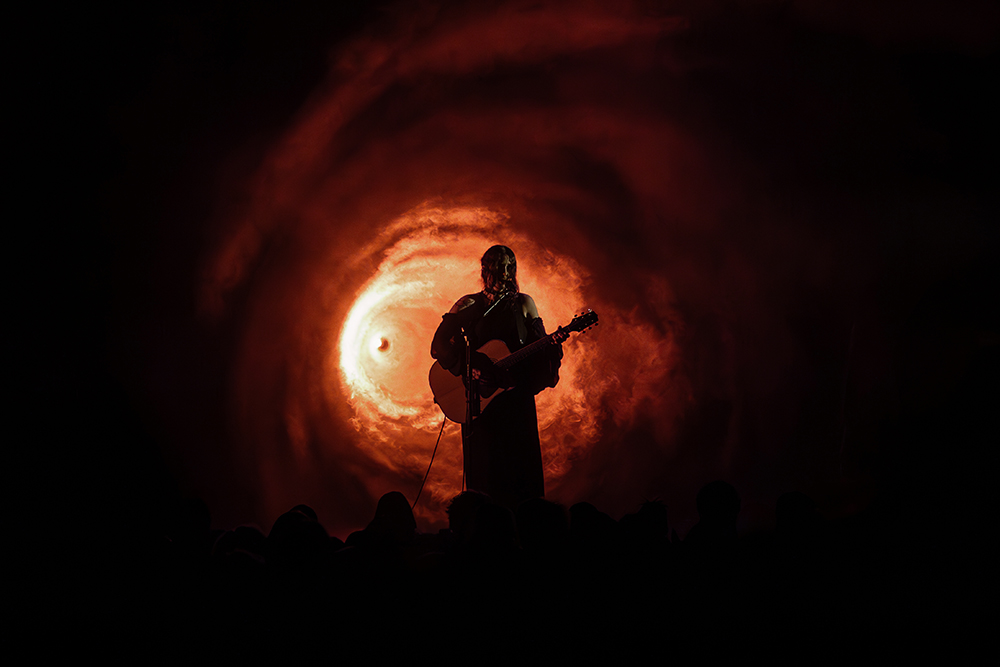
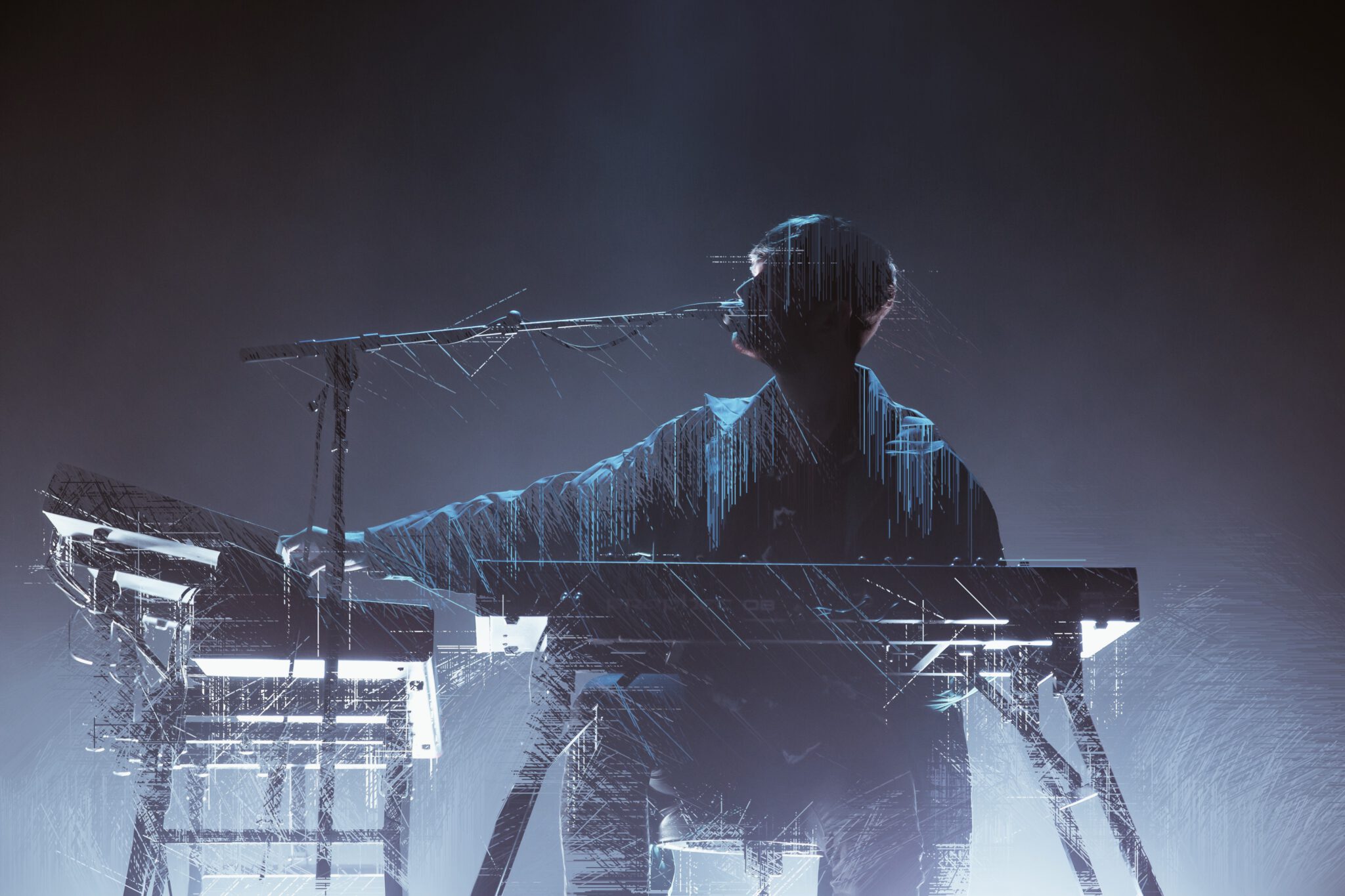
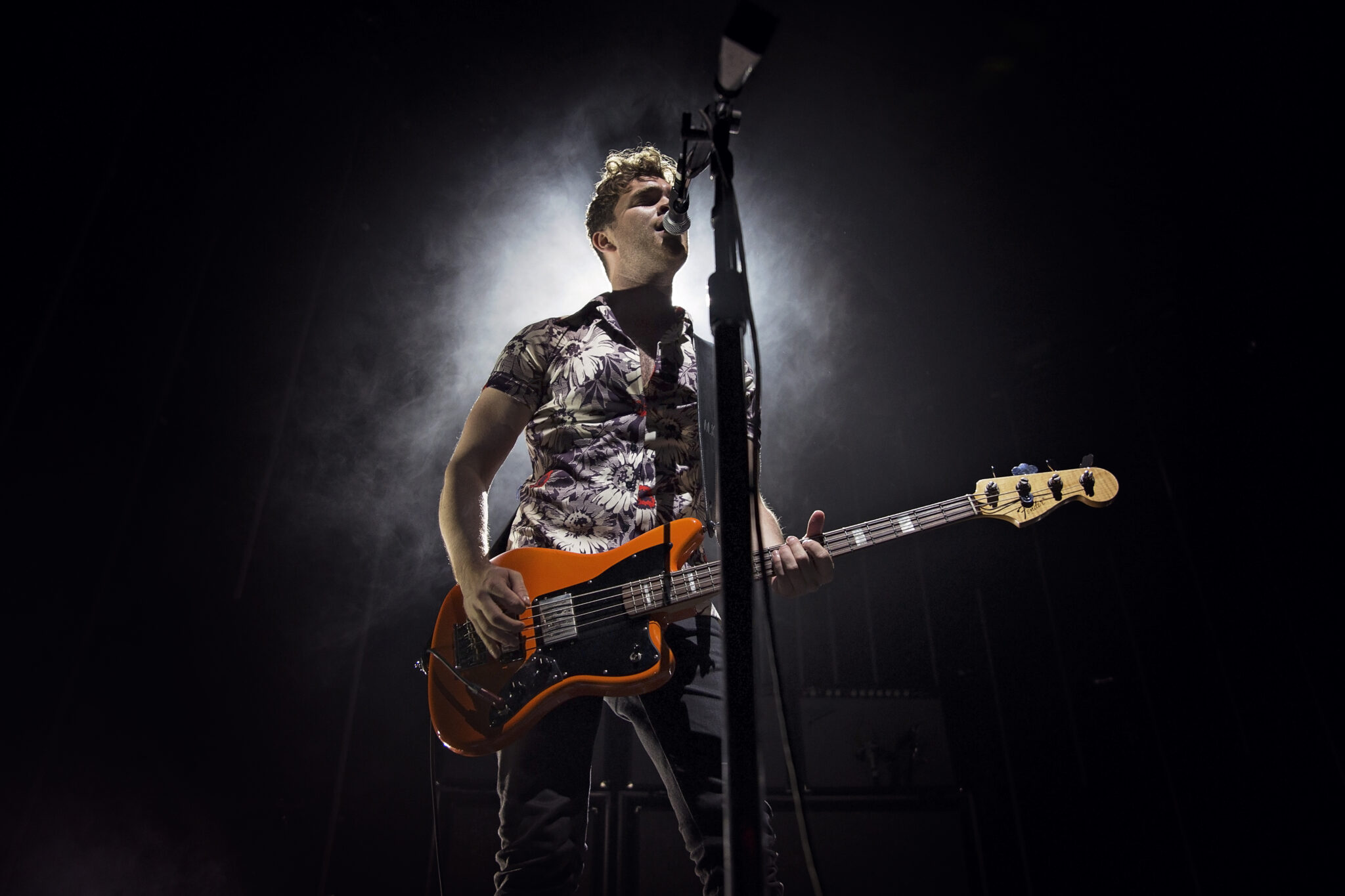
Portugal The Man At Metro Theatre – 14/10/26- Photo and Review

October 15, 2026

SYDNEY’S FINEST MUSIC TALENT HIGHLIGHTED VIA SEYMOUR SOUNDS – NOVEMBER/DECEMBER 2026

October 15, 2026

HARLEY GIRL Releases ‘I Know The DJ’

October 14, 2026

Introducing Chelsea Daghita – new single ‘Baby Boy’ out now

October 14, 2026

Rising Sydney duo lahgo return with new single ‘My 600th Letter’ out...

October 14, 2026

Naethan Apollo (USA) announces 2027 Australian Tour – Including Perth, Adelaide, Melbourne,...

October 14, 2026

I Ya Toyah Releases “White Walls” in Support of Mental Health Awareness

October 13, 2026

FRONTIER TOURING AND MELBOURNE PARK LAUNCH SUPAGLOO

October 13, 2026

PITCH MUSIC & ARTS RETURNS FOR YEAR 10

October 13, 2026

Inteerview: JVLY on Revisiting SUNDER, Creative Evolution and the Making of SUNDERLUXE

October 12, 2026
Category:

Fashion & Culture

Fashion & CultureMusic News

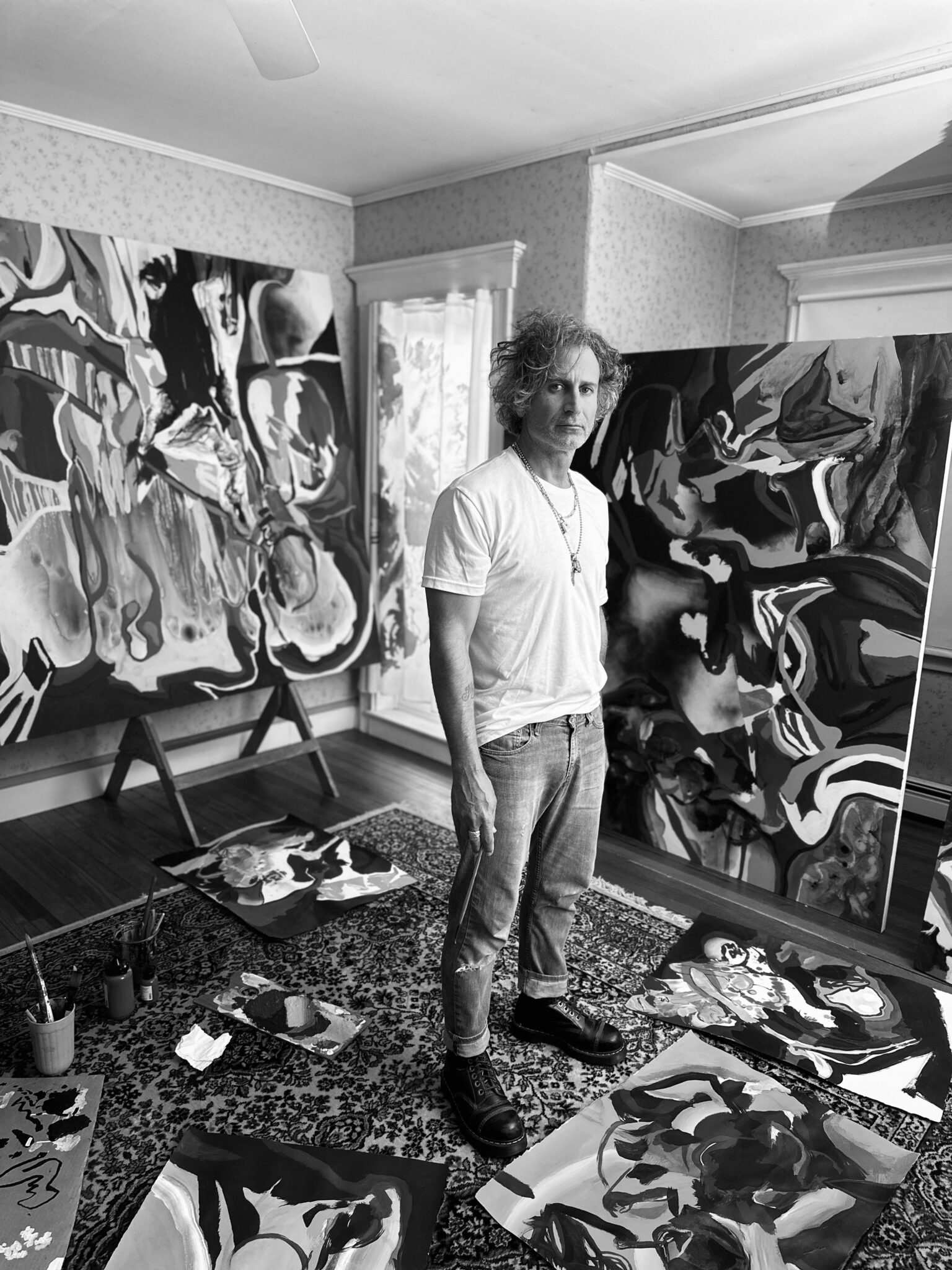
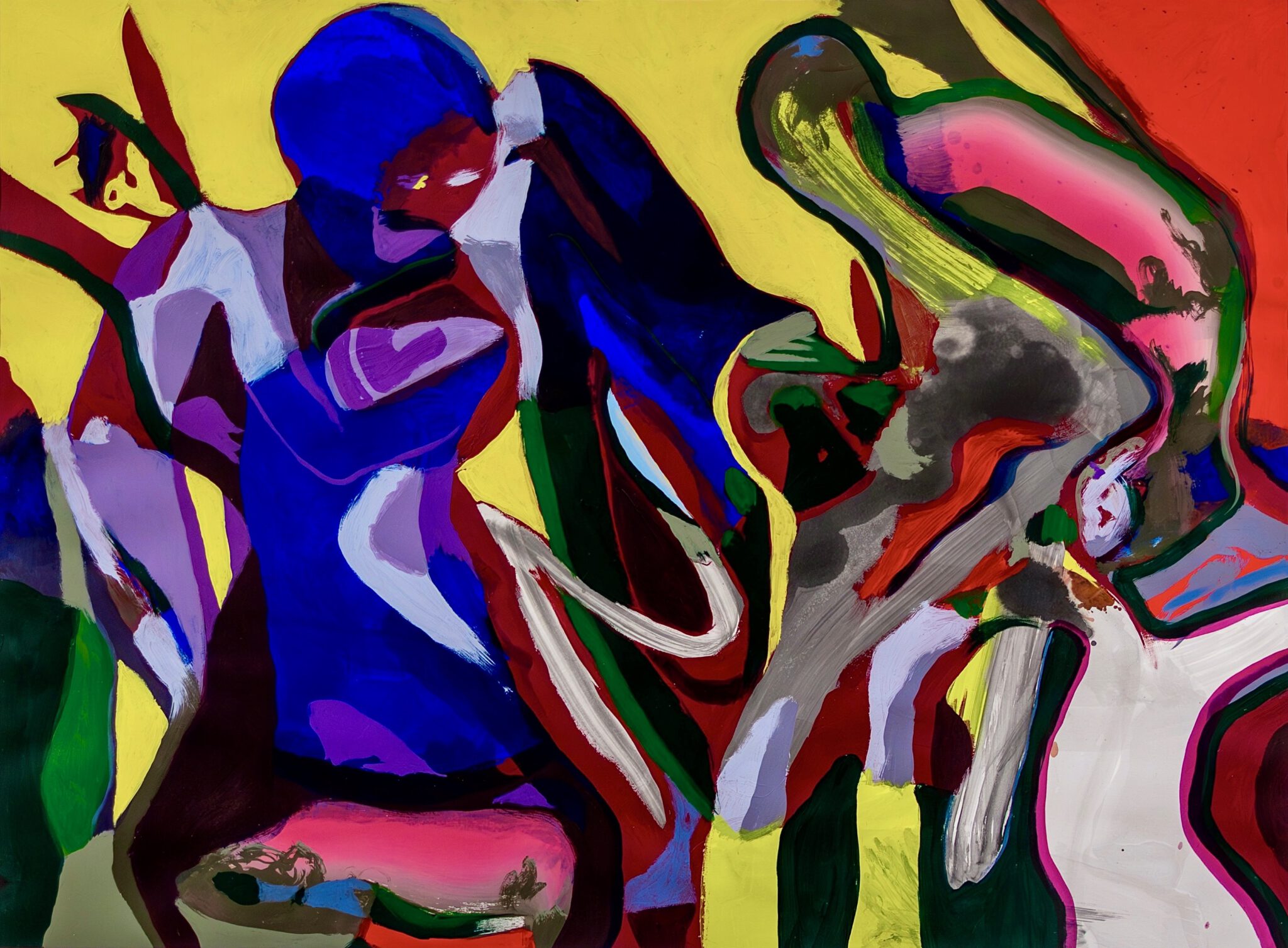
Interview: Todd DiCiurcio on Live Art, Music and Creative Collaboration

by the partae October 11, 2026
written by the partae

As a child, drawing was already a way for you to communicate things that felt important. What were those early drawings about, and what feels different about the things you draw now?

I used to stick paper to the static on the television screen as a kid and attempt to trace what was happening in real time. Michael Jackson’s moonwalk, football games, westerns, cartoons, The Three Stooges, whatever was on. Everything outside of that was the pursuit of drawing from life and learning the tools to execute with. Through time, the rendering of my stored experiences from this plight became the entanglement that manufactures the compositions now… every drop of the good, the bad, the unthinkable emotions. It feels like all one thing at this point.

Music was also a major part of your childhood, and that connection eventually led to drawing live performances. What did music give your visual work that drawing on its own didn’t?

To set the stage… My very first epiphany in music was getting The Cars’ debut album for Xmas, 1978 at 6 years old. The only vinyl I had up to that point was The Year Of Roosevelt Franklin/Gordon’s Friend From Sesame Street. Two widely varying recordings. I loved the beats and rhythms throughout. I would set up pieces of paper from my drawing tablet I’d cut into circles onto my bed and dresser, pretending to be surrounded by drums, and pound them to shreds with chopsticks. That summer, I heard AC/DC’s Highway To Hell in my neighbor’s basement, where his brother had a DRUM KIT… the first one I’d ever seen in person. This moment was like discovering the holy grail for me. We were only allowed to gawk at it. That was it. I wanted to be a drummer. The first concert I’d attend was The Four Tops and The Temptations with my Mom. I’d go on to play percussion in marching band and jazz band through my school years, coupled with scrappy jams and punk incarnations with friends after school. When I moved to Brooklyn years later, I played in two bands. Discovering early on that there’s a rhythm to making marks, and it most closely associates with jazz in my experience, I sought after that dialogue. This is the adventure, and music has always been a source for me, conjuring audible expression. I’m still always tuning in on the multi-frequency dial, using every sense as a beacon of sorts, to that tiny spark between the two hemispheres and onto a surface. Art looks and sounds like music to me and I love the dynamics.
The first live band you drew was Guided By Voices in 1999. What did that experience reveal about drawing from a live performance that you hadn’t experienced in the studio?

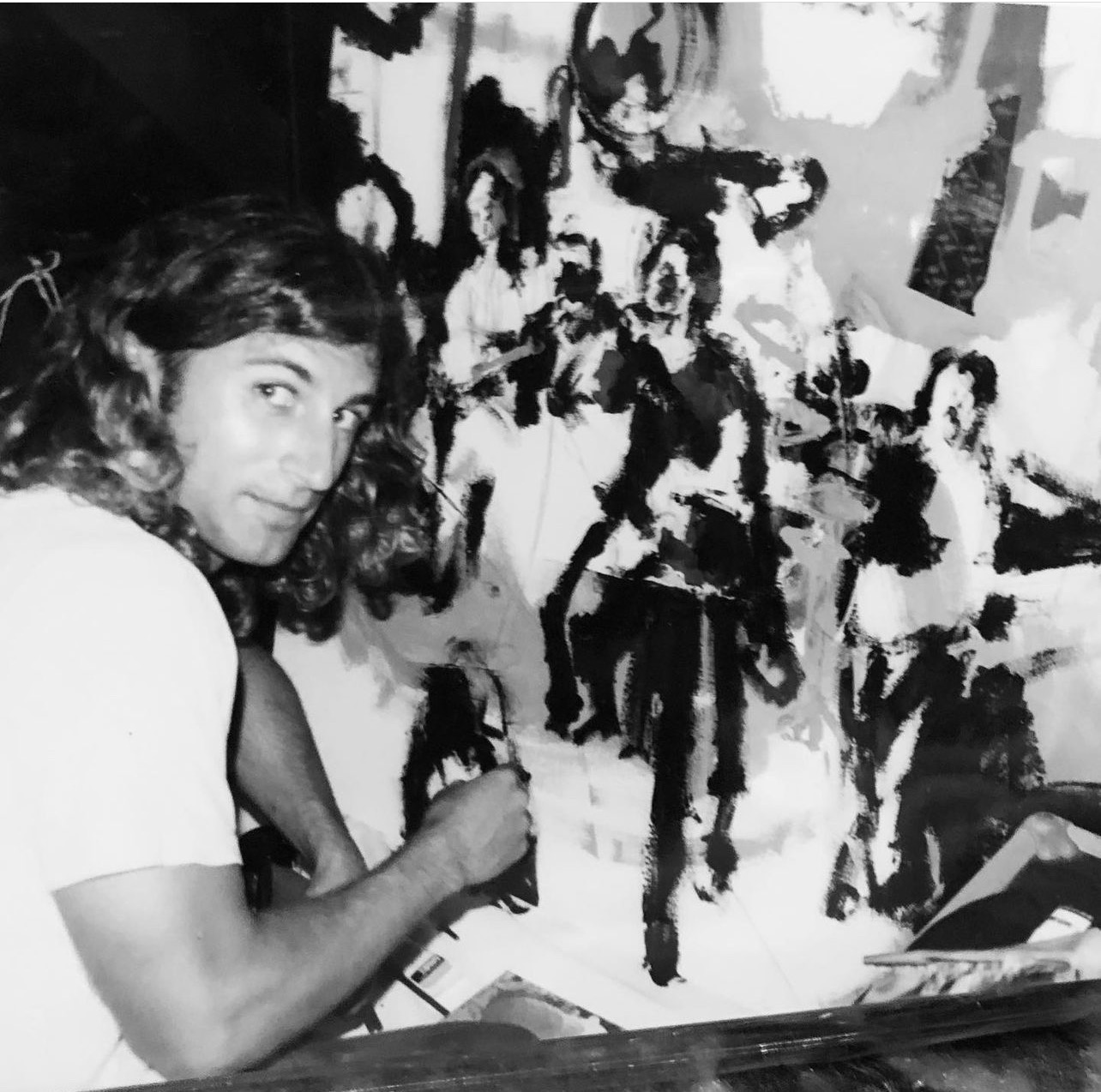
Guided By Voices is, hands down, my favorite band on the planet. There were a lot of years making art that led up to that moment. My studio was a gathering spot for musicians and artists, and I would be rendering them all the time I wasn’t jamming or recording with them. A friend turned me on to GBV during the early 90s and I was hooked. Not just on the music, but their process. I had this romantic idea that they made these recordings performing off the cuff all together. Where it went next level was getting a call from a friend who requested I paint live with GBV for a special one-off show at the legendary Sapphire Supper Club in Orlando, Florida. Meeting Bob Pollard and Doug Gillard after, and hearing how their creative process REALLY worked, caused a monumental shift for me. It was not the idea I had envisioned all those years before, which originally inspired our own process. This resulted in the understanding that we were creating from our own altered mindset, all original. This transition clearly set in motion what would become my sole effort to create the dialogue between visual art and music. No editing. I would go on to draw live with Pollard and other member bands in the years to follow.

Editor’s notes: Bob is an absolutely brilliant multimedia artist as well. I would take that relationship a step further by hosting two NYC art shows for Bob in the years after. The first being his debut:

NY, NY, Studio Dante, 2007, Robert Pollard “Do The Collage”, hosted by Todd DiCiurcio and Michael Imperioli.

NY, NY, The 45 Space, 2010, Robert Pollard “The Public Hi-Fi Balloon”, hosted by Todd DiCiurcio and Vanity Fair editor Michael Hogan.

During a performance, each mark is a reaction to sound, movement and what is happening on stage. How do you train yourself to stay completely present while still making decisions about the drawing?

I do best not to think in the attempt of conveying the most with the least through mark making. It’s all a reactionary stream of unconsciousness.
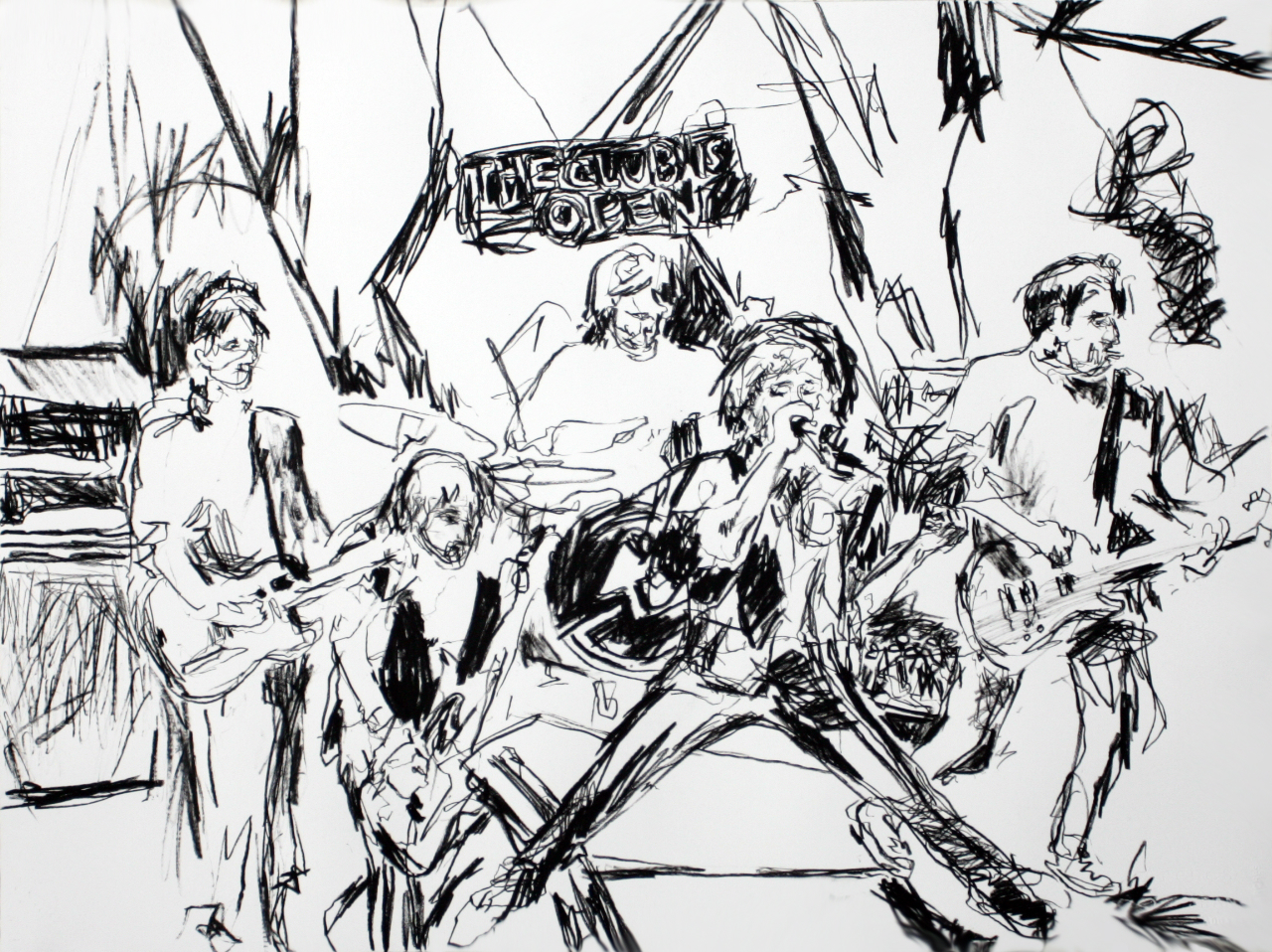
Blind contour drawing was part of your university training. How does that way of observing a subject show up in the work today?

It’s merely a tool, but plays a role in everything I create. As a way of seeing things inversely proportionate, rendering negative space is recorded much more unconsciously when combined with it, outlining the shapes that become items of interest in the expanding concepts.

A live drawing can become the basis for a much larger finished painting. What happens between that first performance drawing and the final piece?

Absolutely nothing in regards to the live shows. I start when they start and end when they end. It’s my very own dogma, and it was never intended to be performance based, but rather solely done during performance.

Alternatively, my paintings in the studio can take months to complete.
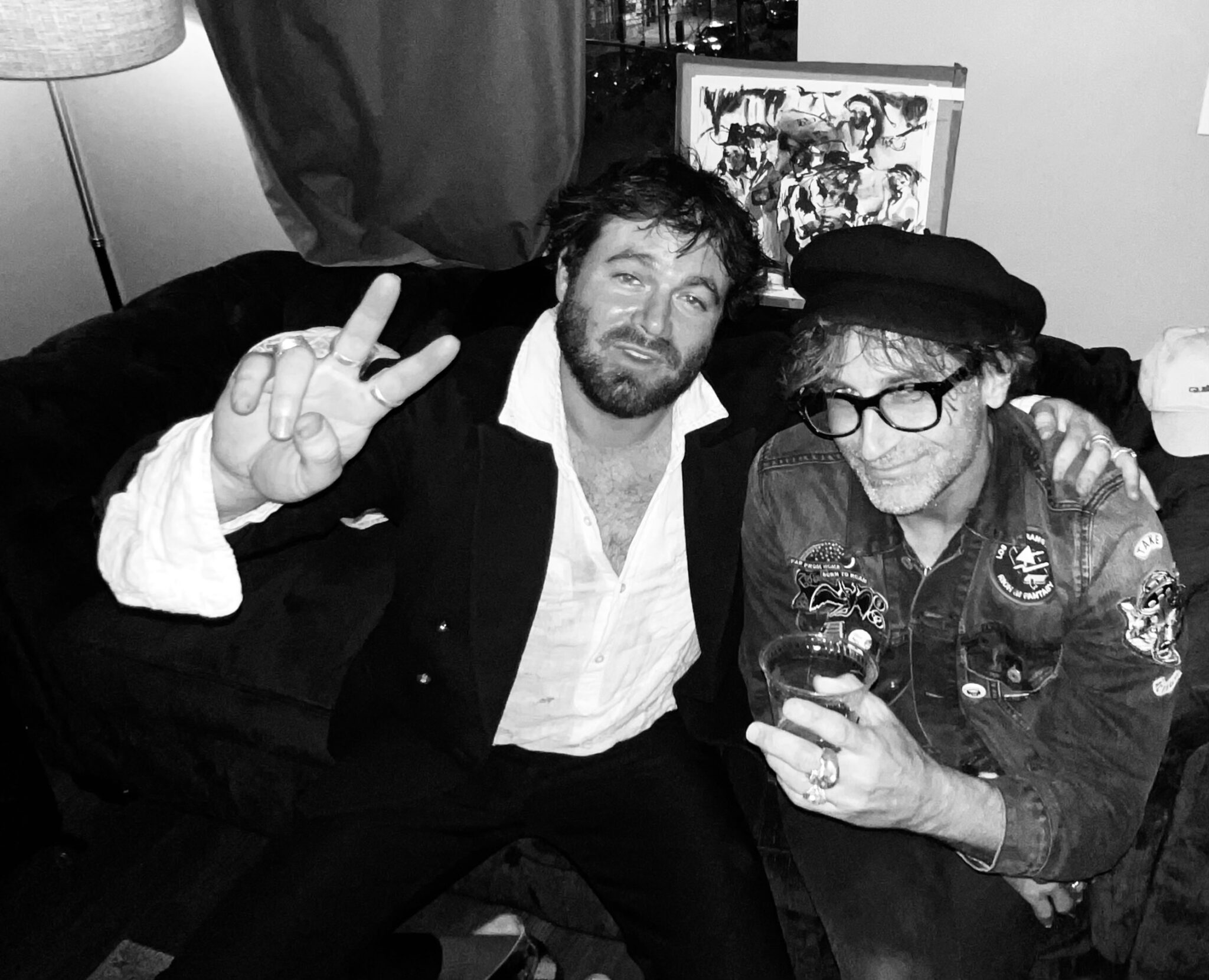
Music has led to decades of collaborations with artists including The Rolling Stones, New Order, Cat Power and Broken Social Scene. What makes a particular musician or performance give you something you want to respond to visually?

One thing is the simple fact that I listen to their records in my studio while I work. I grew up on the other side of the tracks listening to the punk and indie/progressive music scene bands. Throughout my career, I’ve had the opportunity to meet and work with a lot of the bands that inspire my work. Ronnie Wood inviting me to capture The Rolling Stones live at Barclay Center in Brooklyn was next level. Tommy Hilfiger acquired that piece for his personal collection, along with the Gold painting of The English Beat for his corporate collection. Notably now, Dope Lemon is exceptional. When I met Angus Stone, I was co-directing a music video with Taylor Steele for his then-new solo release, “Monsters”. I asked him what he wanted to do, and he told me how much he admired Kurt Vile and wanted to make an album with Rick Rubin, which he later manifested. Angus is the archetype of what makes art and music attract in my opinion. Manifestation hit heavy for me shortly after when I was invited to be an Artist-In-Residence for Splendour In The Grass, putting me side stage with Babyshambles, TV On The Radio, Empire Of The Sun, The National, Portugal The Man and others. During this time, I was crashing at Taylor’s studio on Belongil Beach, recording late nights with Michael John Bryant of MT Warning. One Time.

Some collaborations begin with music, while others have taken your work into film, fashion and surfing. What usually happens in the early conversations that turns an idea into an actual project?

To apply my sense of composition to a specific medium of another scope, there is always a relationship forged by a unique introduction. The conversations are often tangential and breathe the rarified air of an entire concept, which become manifestations. My muse Megs has towed me into so many incredible introductions, and I’ve made it my life’s work to give my passion to them. They can take years and demand a high level of focus and belief, because their true originality and lack of structure make them impossible for others to grasp. I’m completely commercially impaired, and everyone wants “cool factor”, but I’m total genericide when shaping these nebulous concepts.

One such pivot took five years from my introduction to Yvonne Force Villareal, via a guerrilla drop of a drawing at her home office, to her making a studio visit and, finally, hosting my 2008 debut NYC exhibition, “Synthesis”, unveiling Santos’ Party House. I would later work with her non-profit, Art Production Fund, and its partners on other projects, including my concept, “Draw Us Sin” at P3 Studio in The Cosmopolitan Las Vegas.

Separately, Rob Machado was introduced to me by Taylor Steele, whom I’d met while I was a juror for the NY Surf Film Festival. Machado’s Melali Sessions Band played NYC, and I made it a point to draw live at that show. Years later, while brainstorming Solento Organic Tequila all together during a surf session, Taylor mentioned to Rob that he should have me paint on a board, which I did that day at his archive. That sparked the idea of a NY show of my art on his boards, which was brought into Chris Benchetler’s Fire On The Mountain during a meeting when we were making said boards. I ended up creating large paintings with Chris in addition to the project and further, all in collaboration with the Grateful Dead.

These moments are woven into the tapestry of my foundation. A world of firsts. They are immensely important and continue to manifest. If I didn’t believe in the unknown, or what one might think is unattainable, and wasn’t creating the entire time, none of it would have happened. I have also been fortunate to work on art-driven brand collaborations, including FireWire Surfboards, Caddis Eye Appliances, Catch Surf, March NYC, Rag & Bone, Kenneth Cole and Gap Product Red. In hindsight, the love and respect for what we all do and create passionately is the measure of how far we can take it… There are no rules.
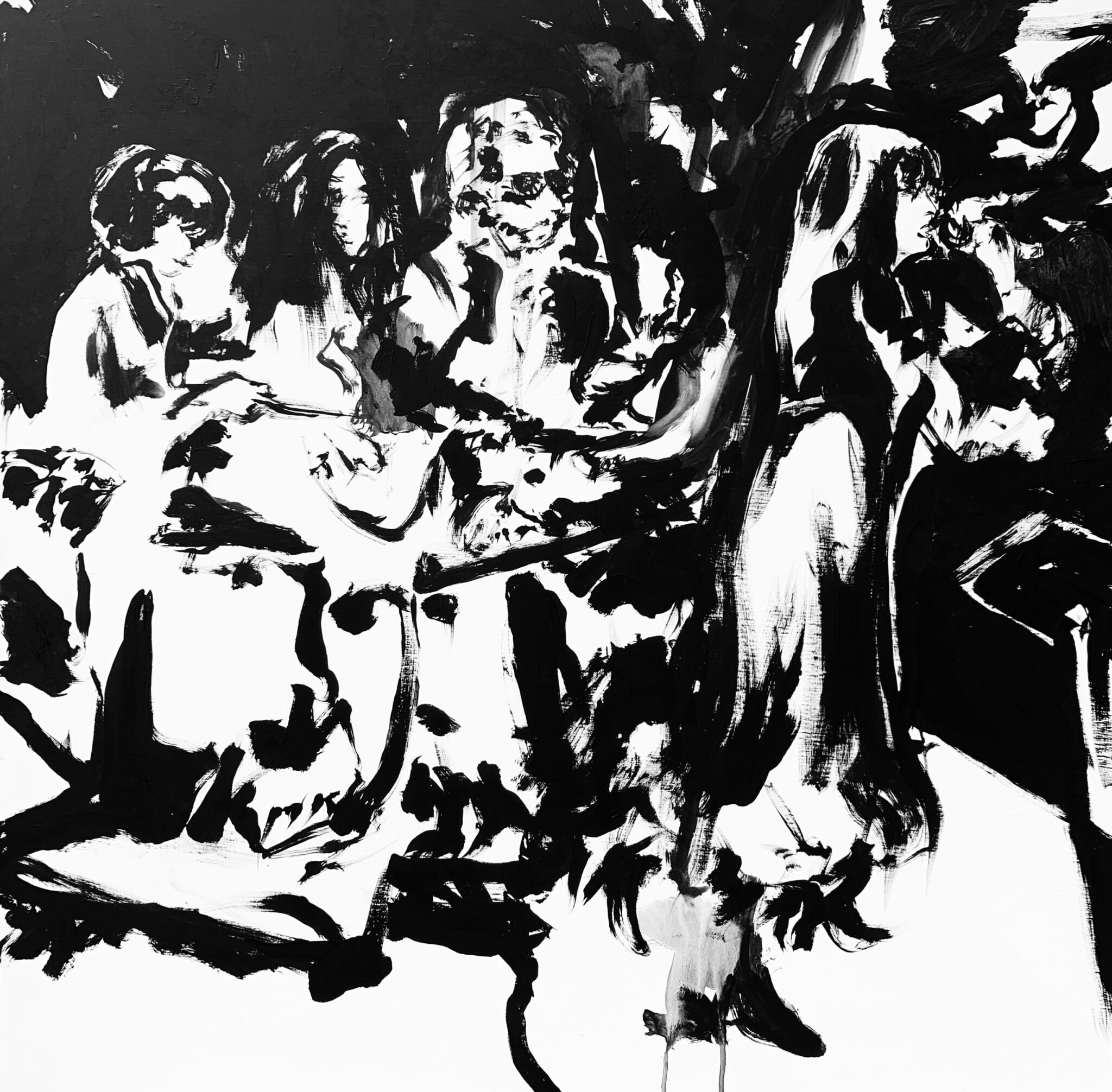
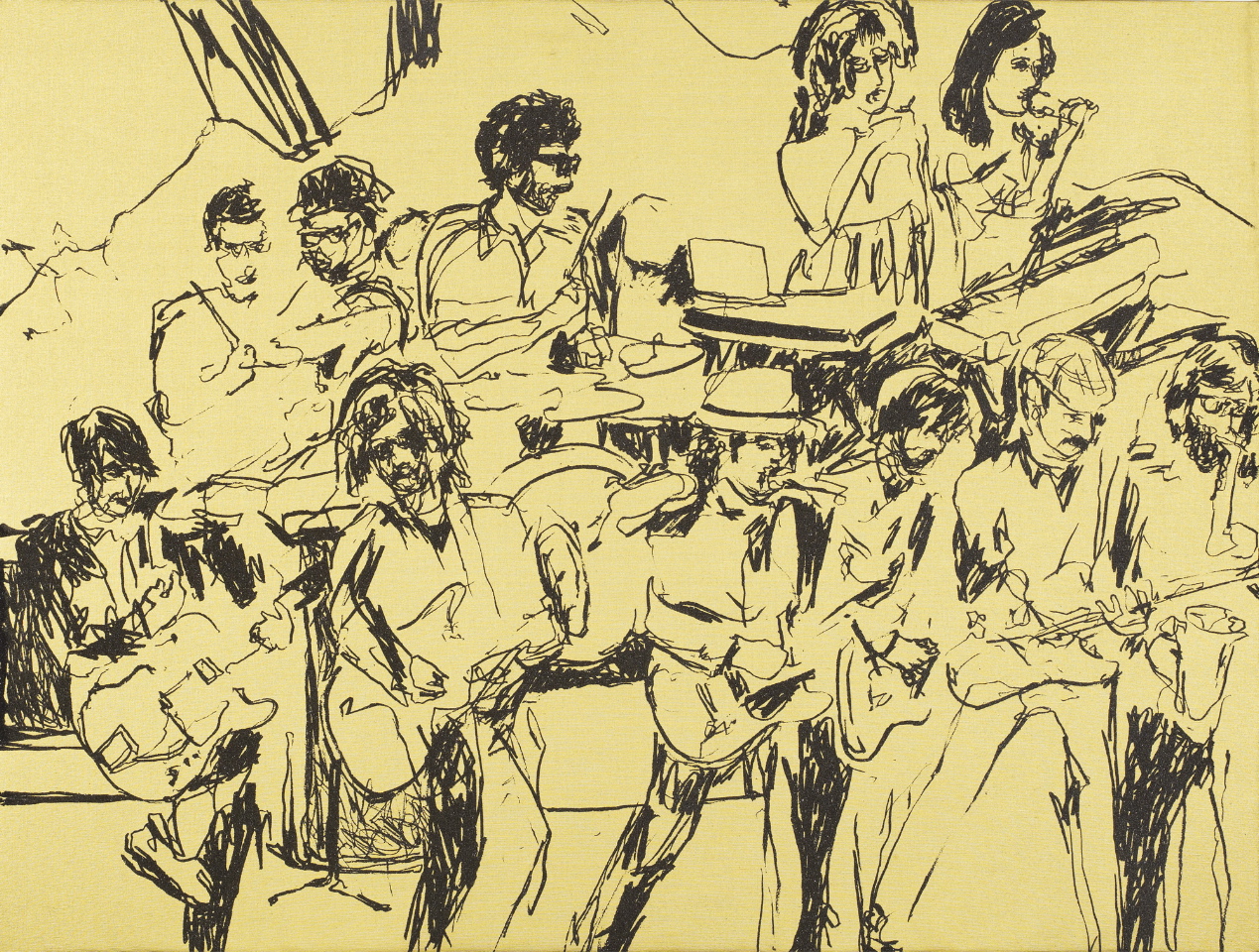
The work has always responded to the surrounding environment, while the recent Telepathy Exit paintings deal directly with communication and connection. What parts of the world around you are occupying your attention at the moment?

Currently, my latest exhibition, “The Club Is Open”, in Middleburg, Virginia’s newest gallery, The Modern At Highbury, is taking a deeper look into the essence of how everything in the paintings is connected musically and moves through ramifications of commercial existence. Truly an inside-out framing of the work. It is curated by Carlos Linares, who himself is an accomplished musician. IYKYK.

What are you listening to right now? Are there musicians or records that are making you want to draw?

I’m staring at five records on deck that will play in their entirety whilst I respond to this interview…

Elliott Smith – Either Or

Fontaines D.C. – Skinny Fia

Depeche Mode – Construction Time Again

AC/DC – Dirty Deeds

Iggy Pop – Post Pop Depression

There will forever be music that makes me want to draw, and I’m always listening for it. My cerebral and emotional recall is hinged to where and when I first hear music. The output reveals my chronicles of humanity.
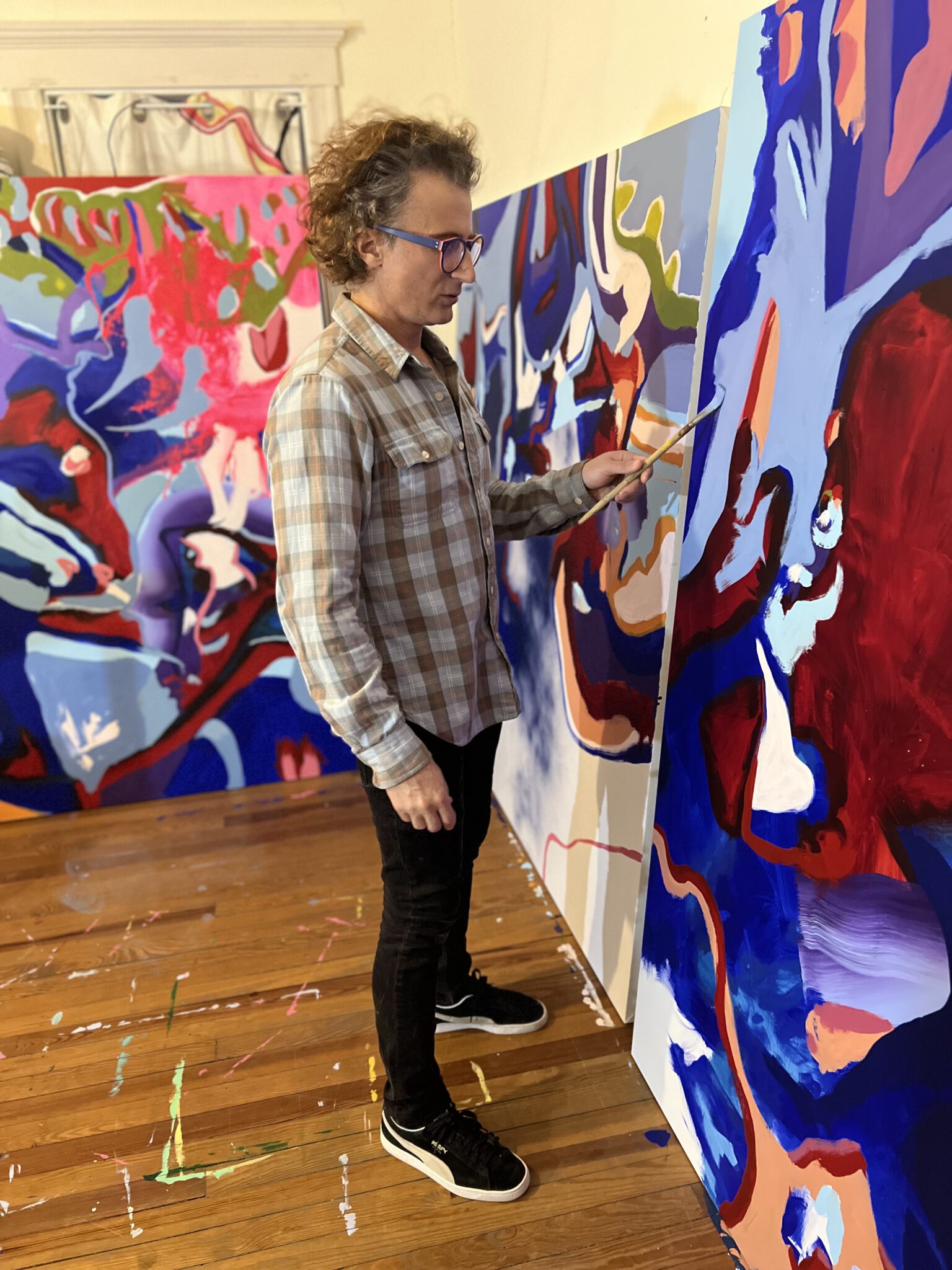
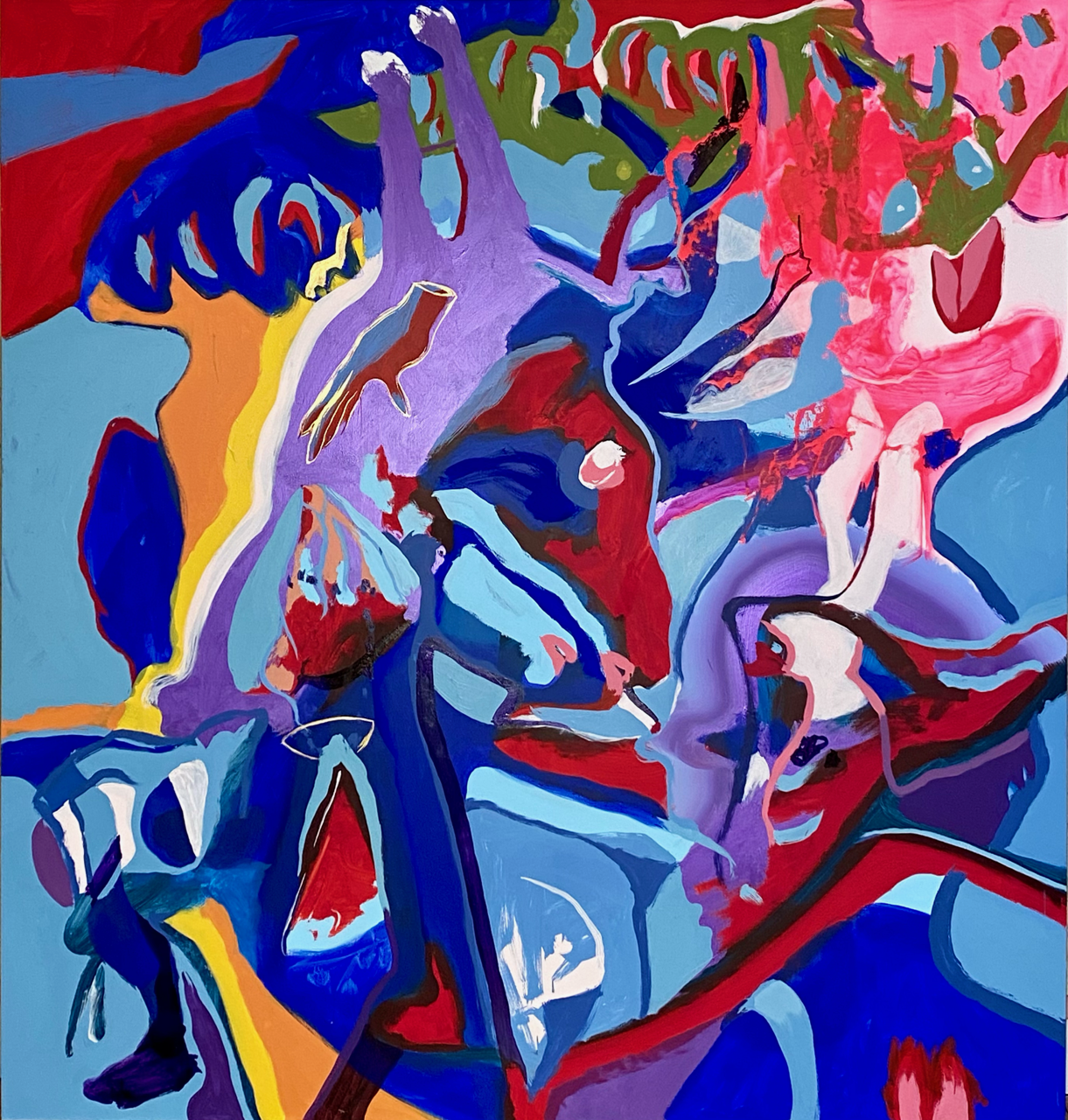
Telepathy Exit brought 28 new paintings and your first solo exhibition in almost a decade. What changed in the way you approached the work during that period?

I write alongside my paintings. With each layer comes a new thought that could easily be mismanaged or forgotten into the next as I’m working, so I jot down what I think I’m seeing and feeling. These words are mostly just what comes to mind, out of context to color or form; even a subtle blur of the eyes can manipulate them. As the layers add and subtract, things become hidden and others revealed in the tides of a session, normally pivoting between three to five surfaces over long hours. This sea change was the departure from the previous body into what shaped Telepathy Exit. Camille Murphy curated the show.

After decades of making work, what still makes you pick up a pen, brush or piece of charcoal and start?

There’s a mystery in the pursuit of drawing that is always seeking truth. The idea that with just marks alone applied through the mortal experience, the great spirit in every life form can shape the unknown connections powered by the subconscious. I’ve always just felt like a vehicle passing through that static.
INSTAGRAM

October 11, 2026 0 comments
0 FacebookTwitterPinterestEmail
Fashion & CultureMusic InterviewsMusic News

Interview: Nate Hill on Art, Photography and Finding His Own Visual Language

by the partae October 8, 2026
written by the partae

You’ve taken a pretty unusual route through creativity, from visual arts and photography to playing in bands, teaching drums and eventually building a career around your artwork. When did you first realise you had something creatively worth pursuing?

From a young age I was always interested in art and being creative. I would draw all the time and even won awards at local shows.

The first time I sold a photo print was a defining moment. That realisation that someone valued something I created and wanted it in their home on their wall was huge. Putting that aside, I would be creating art just for myself regardless of pursuing it as a career. I can’t help myself…

Where does an idea usually begin for you? Is it something you see, photograph, hear, sketch, or does it sometimes appear once you’re already working?

Honestly I think it’s all of the above. I think about what I could create all the time. Can’t switch it off. Inspiration can be found anywhere. I definitely find it in music and from other artists. But I also absolutely love to just play. Start with nothing and turn it into something. Experiment with different mediums, programs and tools. Sometimes I have a clear vision of something I’d like to create and sometimes I just see where the moment takes me.

When you’re taking photographs, what makes you stop and take the shot? What are you noticing that makes one moment more interesting than the next?

I think you develop an eye. I’d like to think that every individual artist is in search of their own visual language. Wanting to share their unique view with the world. Or capture a moment that won’t be repeated. I’m looking for something that fills the frame in a beautiful way. Or a moment that I feel I can get creative with.

You take a lot of photographs that never become finished artworks. What makes you come back to one particular image and start experimenting with it?

One of the things I love about manipulating photos is that you can take a photo that might not seem all that interesting as it is, but then turn it into something creative or surreal or abstract… I have often created art from photos that I took years earlier and just suddenly found some kind of inspiration around it at a later time. Often it’s because you have new skills or tools that you can use and it fits in with what you are experimenting with now.

Once you start working on an image, how much of the final piece is planned and how much is discovered along the way?

It varies a lot. As I said earlier, sometimes I have a clear idea and take a photo for a specific purpose or plan. And sometimes it is fun just seeing where it takes you. I also love the happy accidents that can come from just trying things.

Your finished work can look completely different from the photograph you started with. How do you decide what to change, what to keep and when the image is finished?

Again, I think it is just a feeling or an eye thing. I think most artists would say that sometimes it can be difficult to know when a piece is finished. I try not to overthink it. If it looks and feels right to me, it’s done.

What role does experimentation play in your work? Do you deliberately try things that might fail, or does the experimentation happen naturally while you’re making something?

It plays a huge role. It’s what I love to do the most and has led to me finding my own visual language. If I didn’t mess around with a bunch of different editing programs and apps, I never would have found some of the visuals that have become signatures of my art.

When a band gives you a song to create artwork for, how do you translate something you hear into something visual without simply illustrating the music?

I feel like I’m saying this a lot, but it’s probably more of a feeling than anything. I love trying to tie in something from a key lyric or theme. There is usually some direction and collaboration with the band/artist too. It all becomes a melting pot until you find the thing that feels right.

Working with another artist brings another person’s ideas into the process. How do you handle those moments when their vision takes the work somewhere you hadn’t originally imagined?
It’s one of the things I absolutely love about collaborating with other artists. It definitely takes you places you wouldn’t have gone on your own. I feel like I’ve been very fortunate to work (read play) with so many amazing artists that have pushed me to lift my game. Some of my favourite artworks that I have made have been collaborations.

After years of making photographs, artwork and design, what are you still trying to figure out?

Everything. Ha!

I think it would be a little sad and quite arrogant if you thought you had it all figured out and just did the same thing over and over. I want to keep learning, pushing myself and doing things that I haven’t done before. I have any number of weaknesses in what I do, especially in the design aspect of what I do. I also feel I have a lot to learn on the business side of things too. Keep learning. Keep doing. Keep creating. Keep going!

WEBSITE

INSTAGRAM

October 8, 2026 0 comments
0 FacebookTwitterPinterestEmail
Fashion & Culture

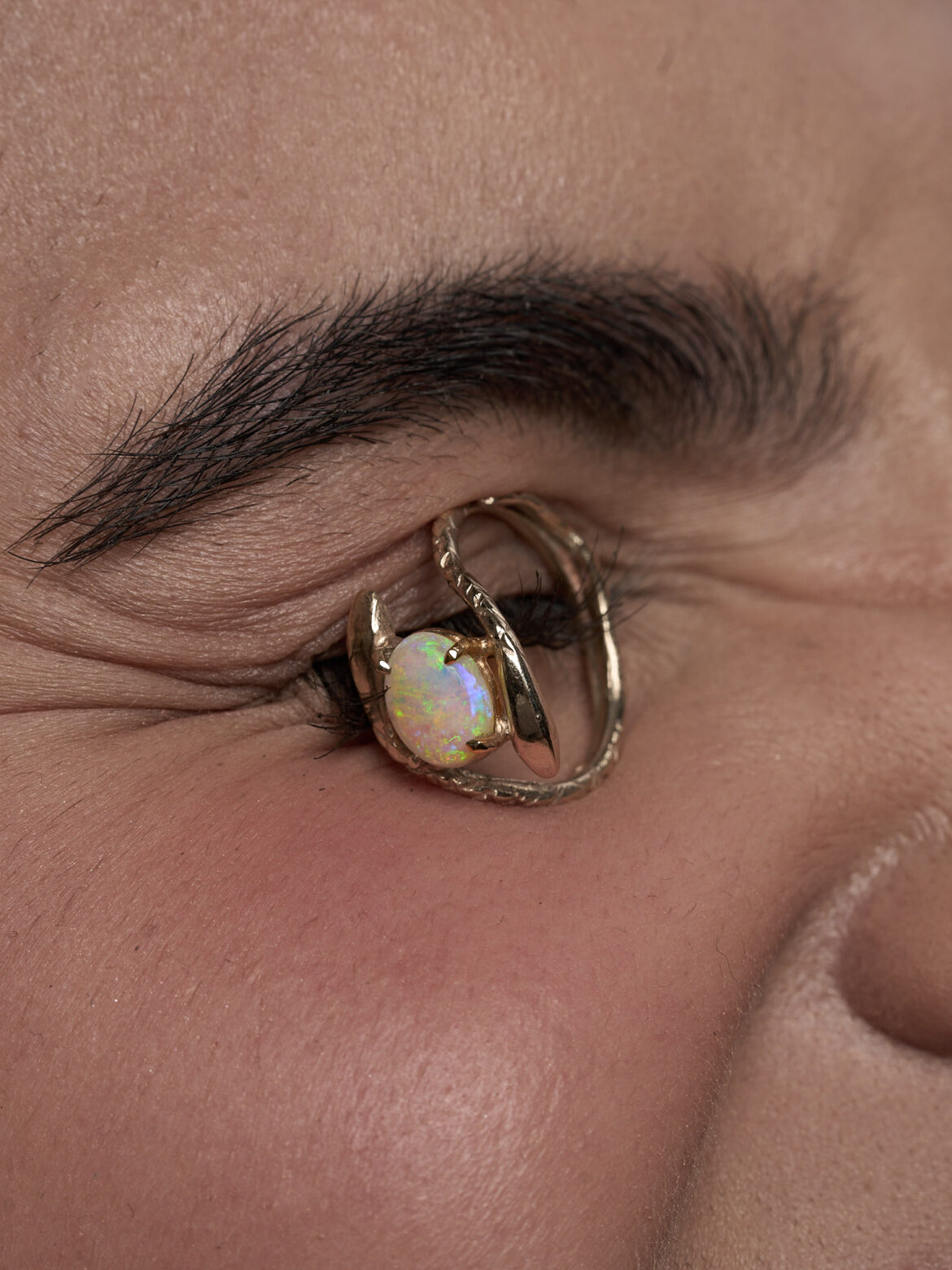
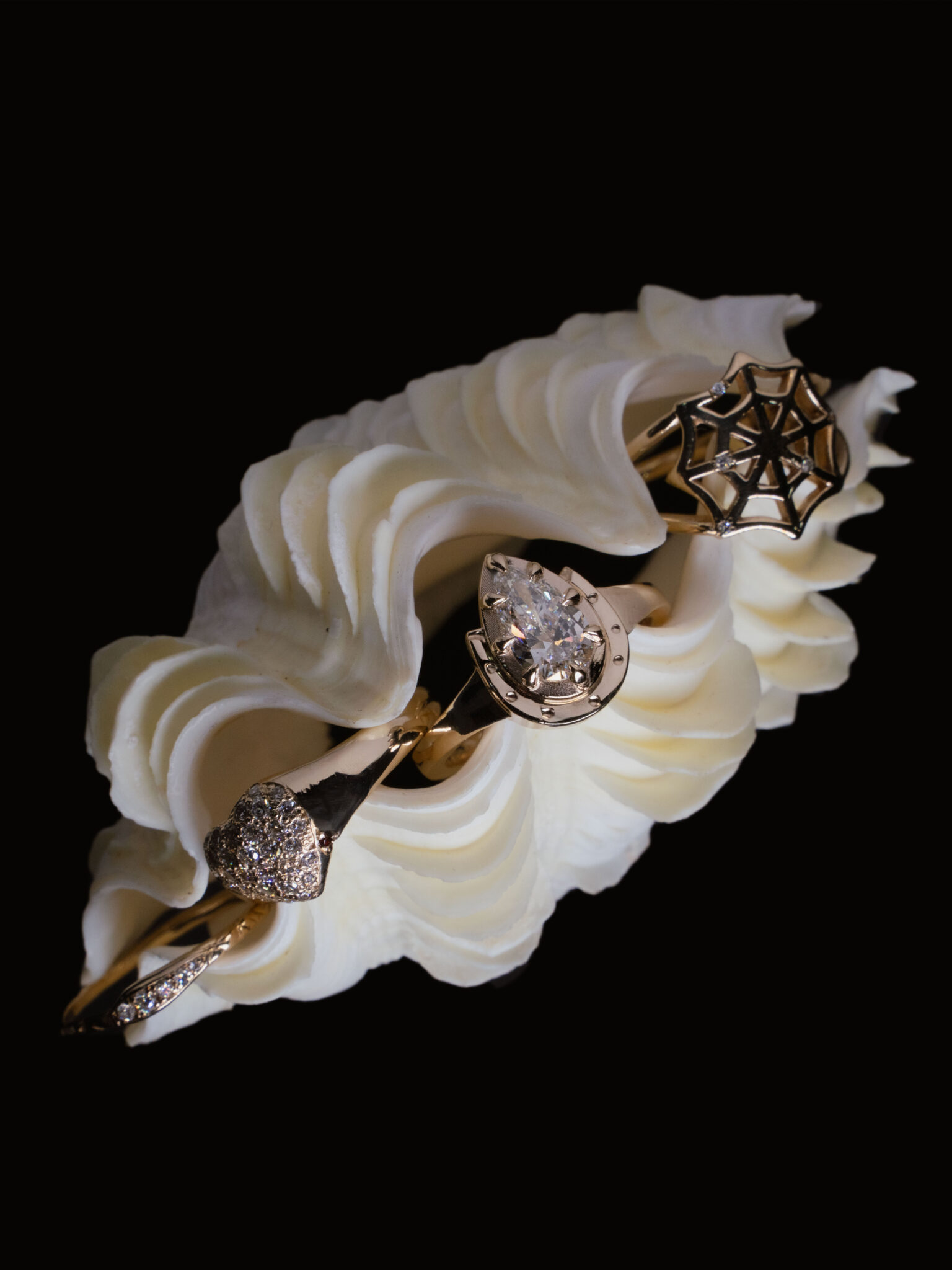
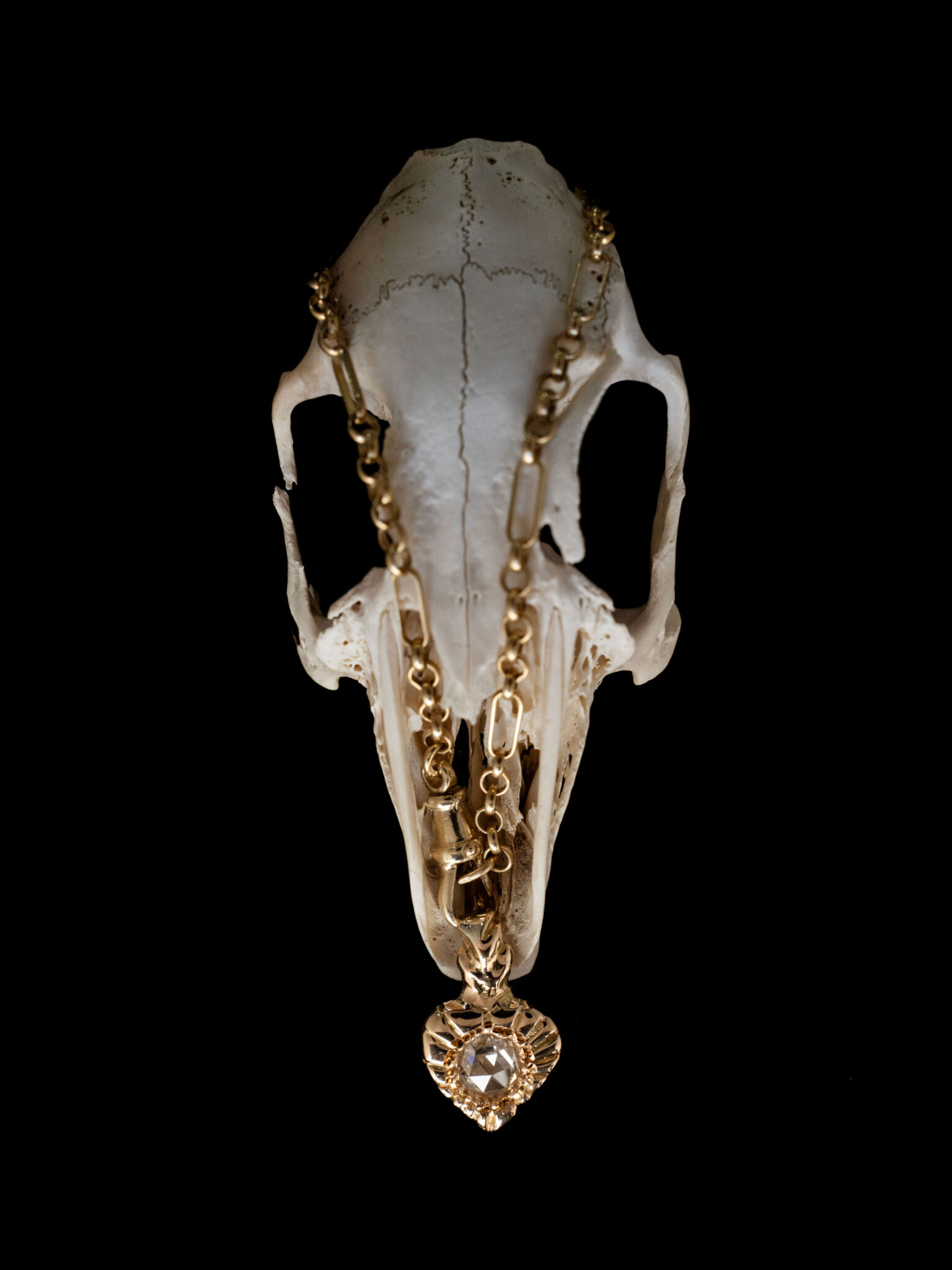
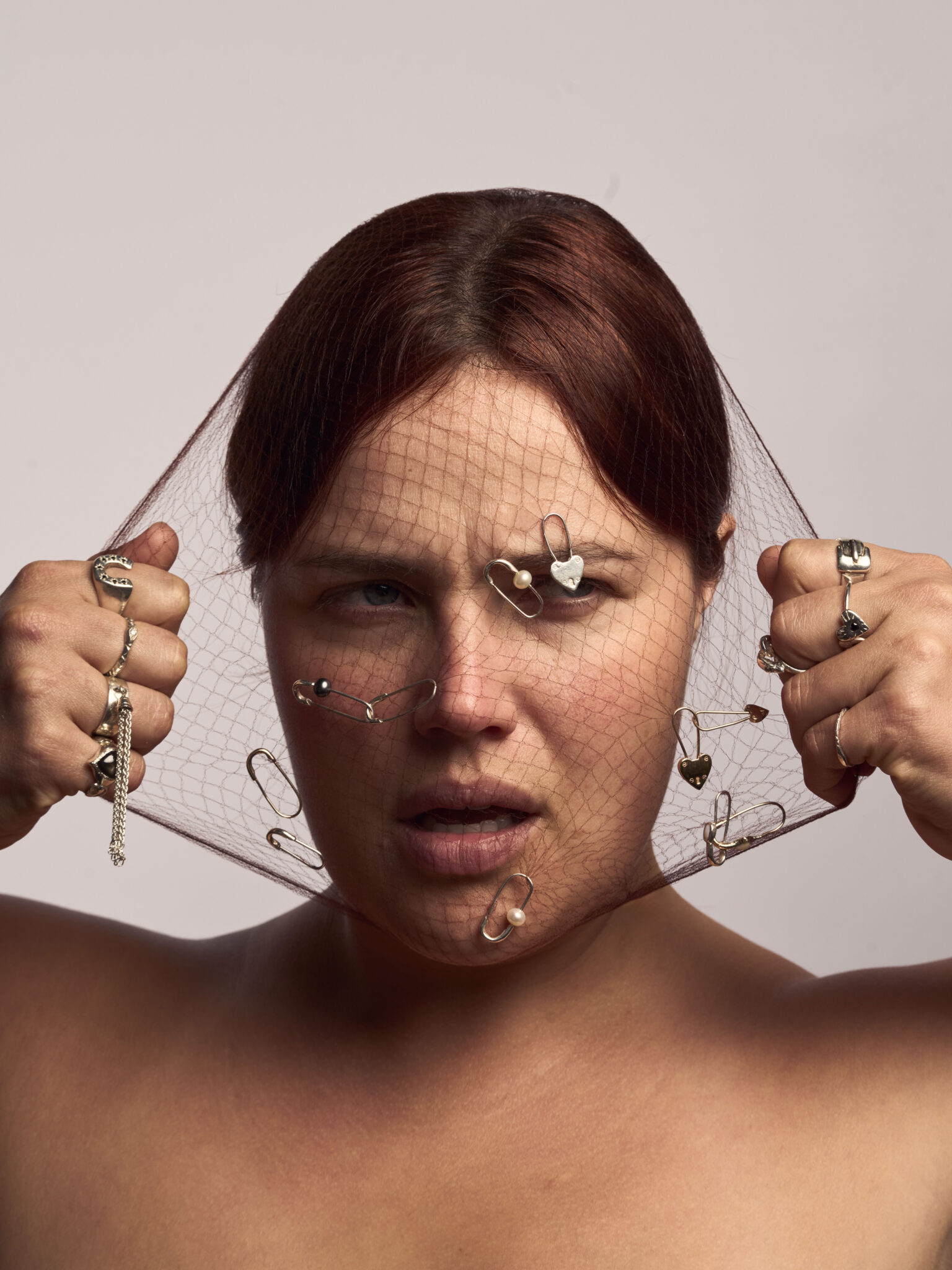
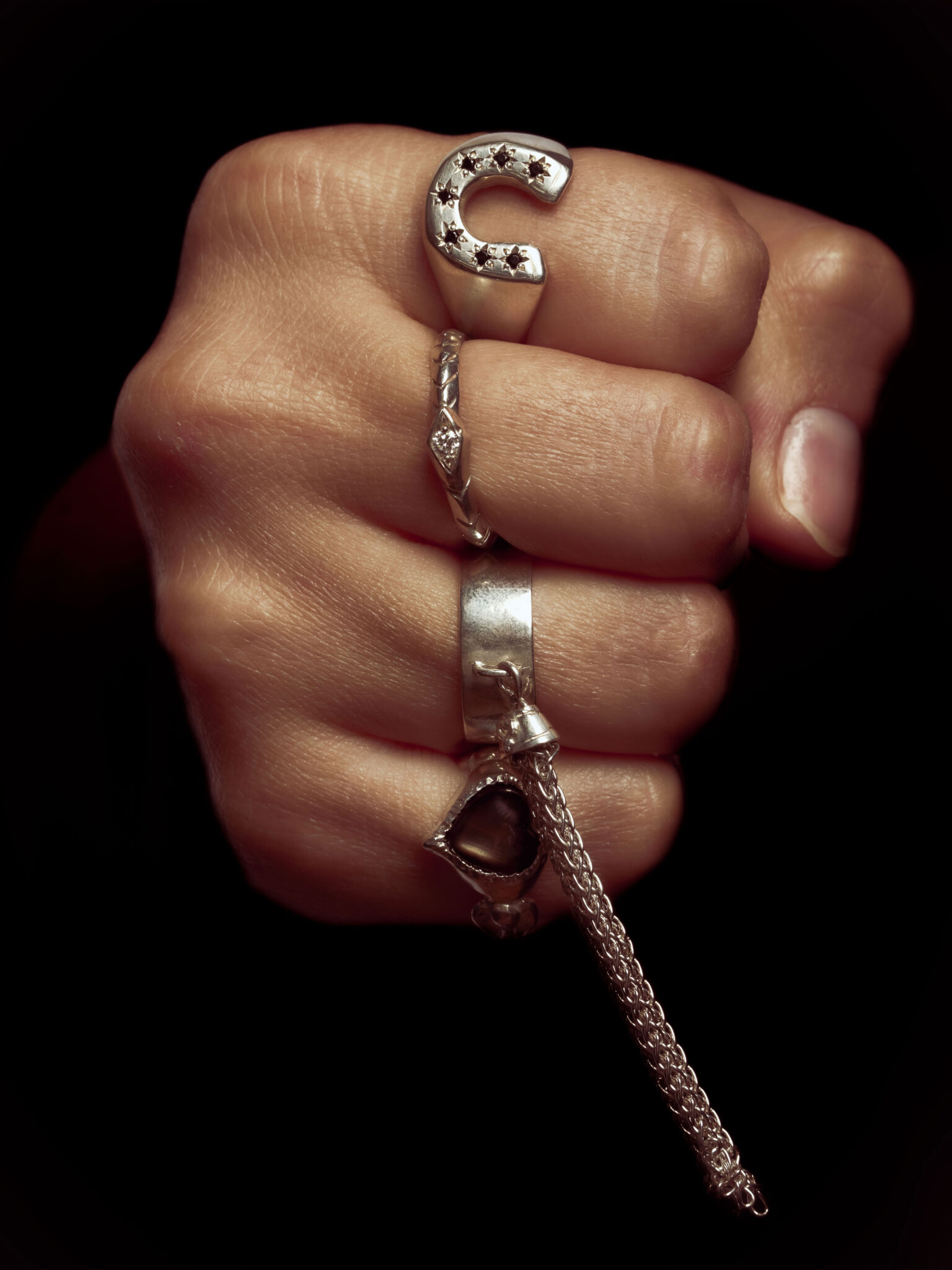
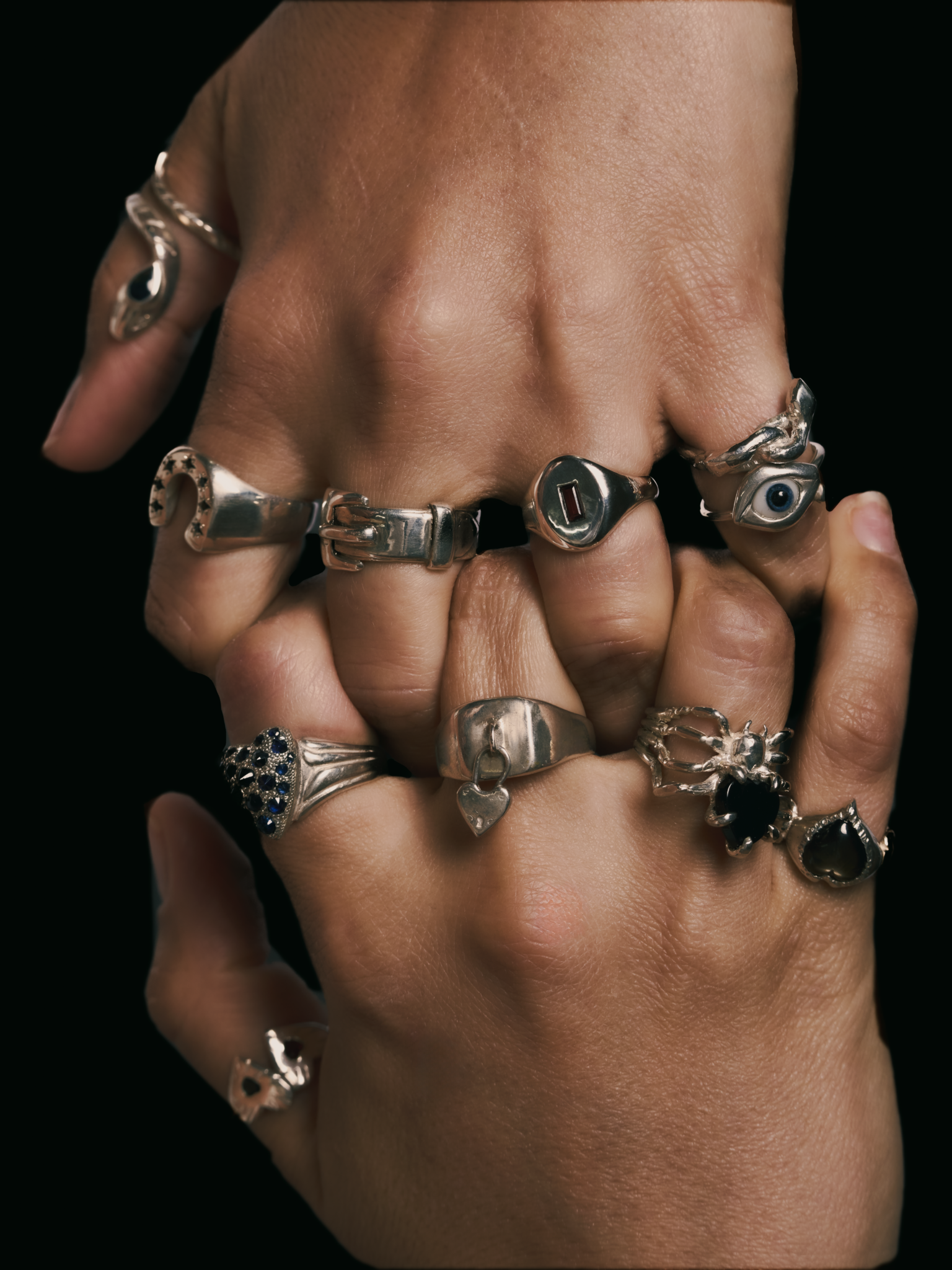
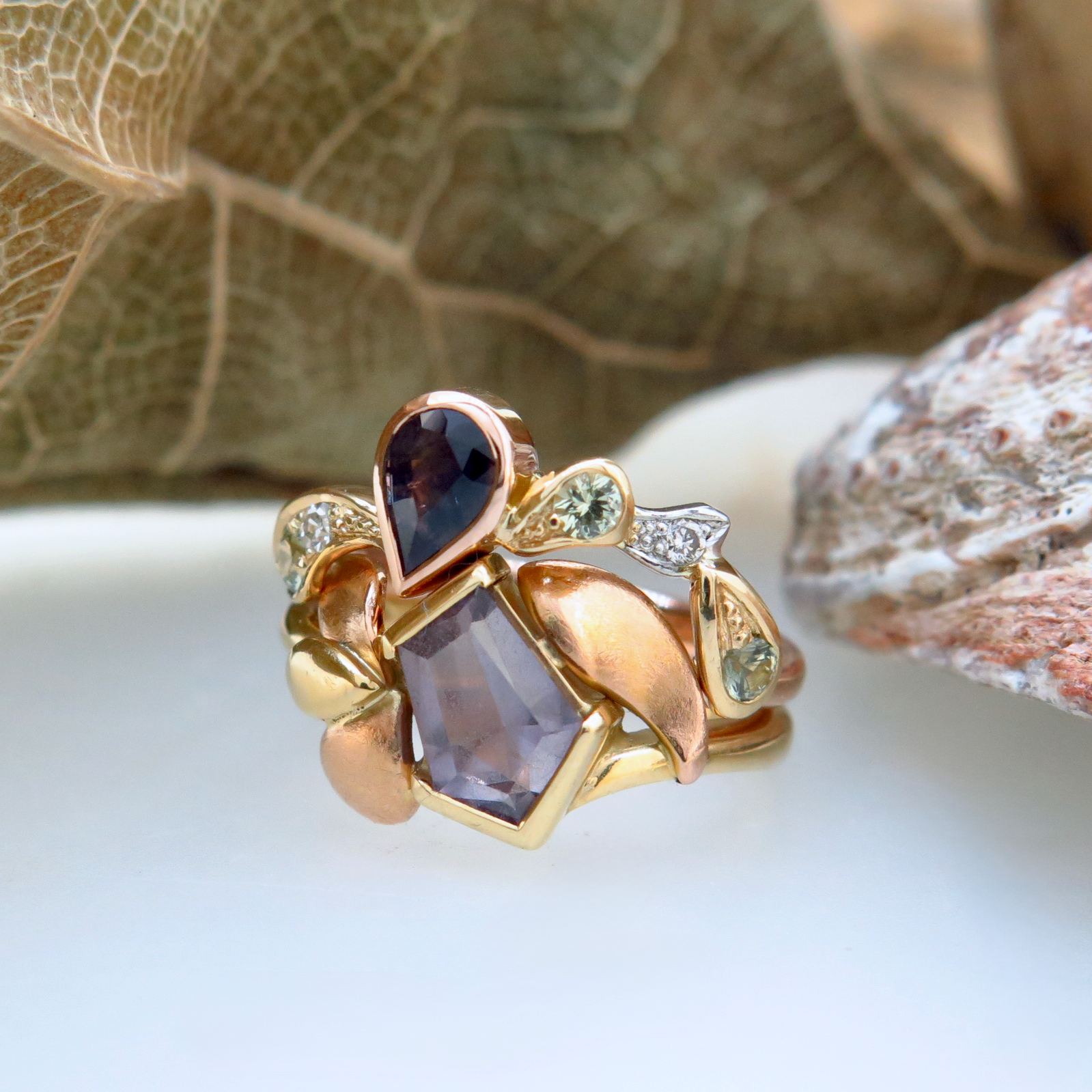
Serpent & the Swan: Jewellery for the Graceful Anarchist

by the partae October 7, 2026
written by the partae

Sydney fine jewellery label Serpent & the Swan creates heirlooms for those who prefer to make their own rules.

Founded in Sydney by Hayley Smith through a love of nature, symbolism and craftsmanship, Serpent & the Swan is jewellery for the graceful anarchist. Pieces are designed not simply to adorn, but to be lived in and eventually passed down.

Crafted in sterling silver and fair mined 9K solid gold, the designs draw inspiration from history, symbolism and the natural world, with every piece created as a unique, one of a kind treasure.

Each piece is handcrafted by an all women artisan team in the brand’s Sydney studio, with a commitment to slow, deliberate production. Working to a made to order model, Serpent & the Swan rejects the pace of mass production in favour of jewellery that carries intention, individuality and meaning.

That philosophy has resonated with musicians around the globe, including Sombr, Taylor Swift, 2 Hollis, G Flip, Alex Cameron, Sarah Blasko and more.

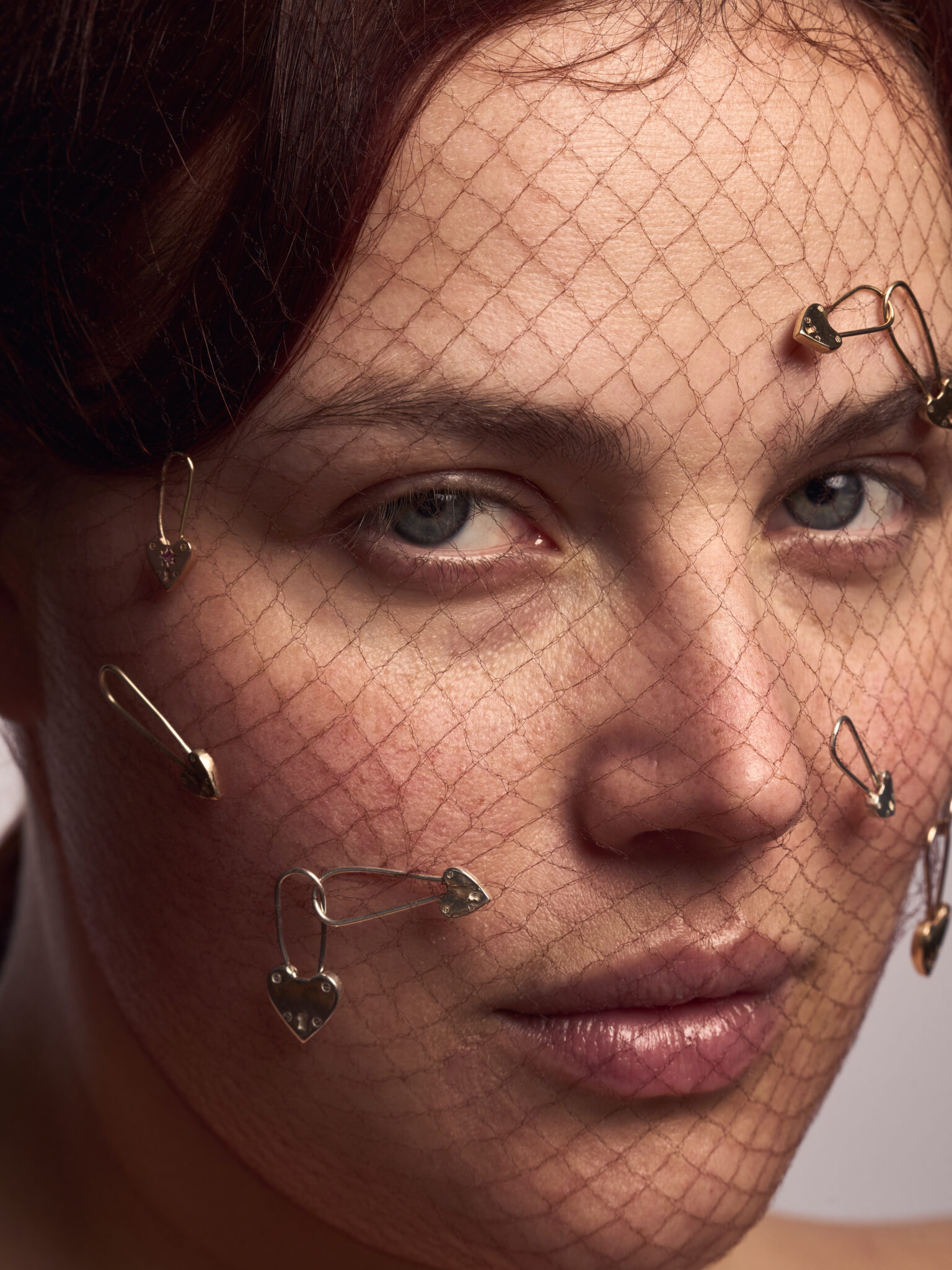
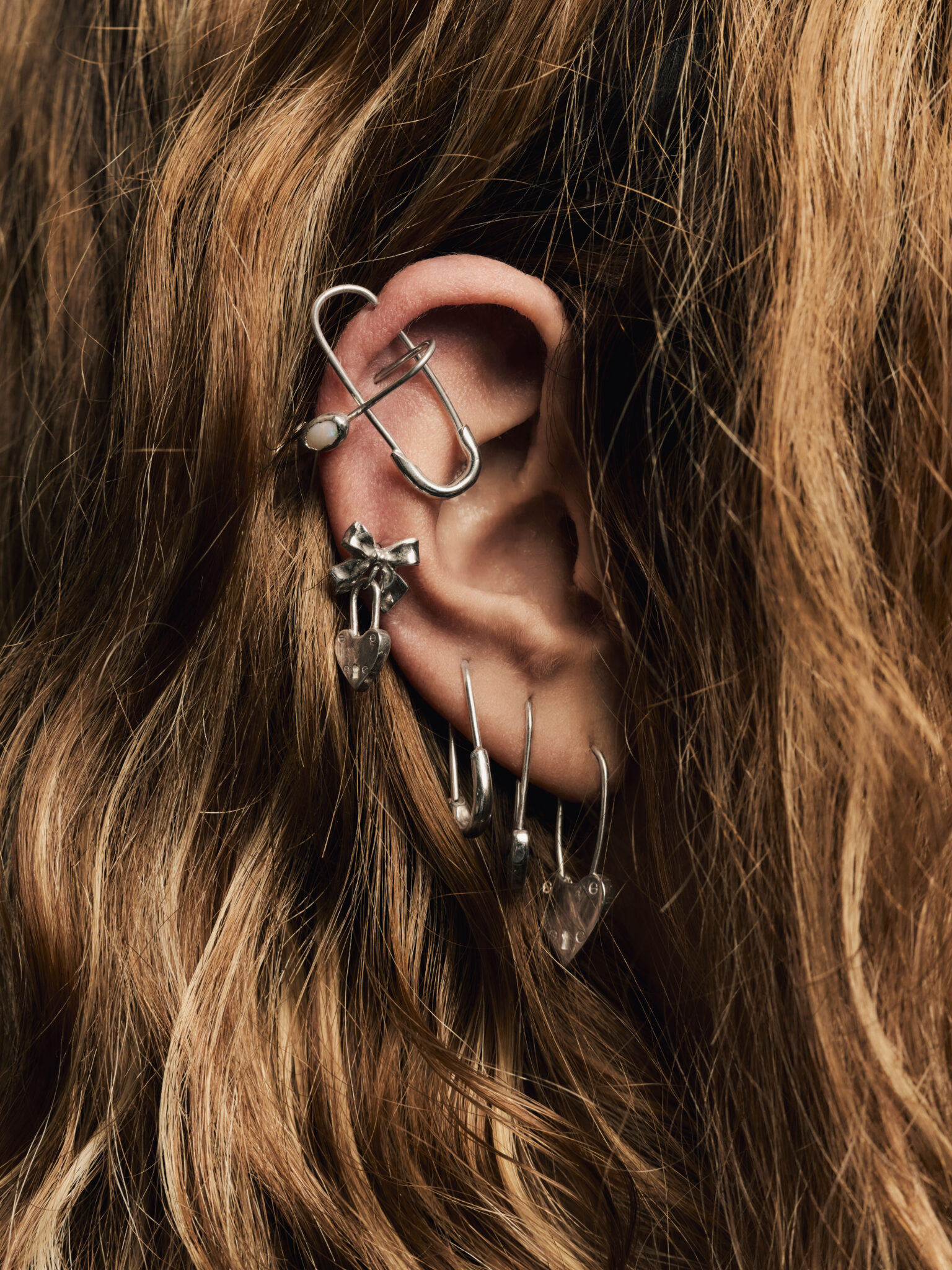
Among the label’s signatures is the Burning Heart Necklace, a symbol of devotion and inner strength, alongside the brand’s instantly recognisable Safety Pin Earrings.

Designed to be layered and worn effortlessly throughout the day, the earrings have become one of the label’s most loved pieces, with each design featuring its own unique symbol and meaning.

The brand’s commitment to individuality extends into its bespoke work. Clients are invited to bring their own gold or gemstones to be transformed into something new, or simply arrive with an idea.

From a sentimental heirloom to a completely imagined piece, Hayley works collaboratively with each client to bring the concept to life.

Now entering a new chapter, Serpent & the Swan has recently opened its new studio and showroom at 16/43–53 Bridge Road, Stanmore, Sydney.

The space offers clients the chance to experience the collection in person, try on pieces and meet the women behind the jewellery, alongside the studio’s resident pups.

At its heart, Serpent & the Swan is about jewellery with no rules. Pieces with history, symbolism and heart, made slowly and intended to be worn your own way.

Studio and showroom at 16/43–53 Bridge Road, Stanmore, Sydney

SHOP / WEBSITE

INSTAGRAM

October 7, 2026 0 comments
0 FacebookTwitterPinterestEmail
Fashion & Culture

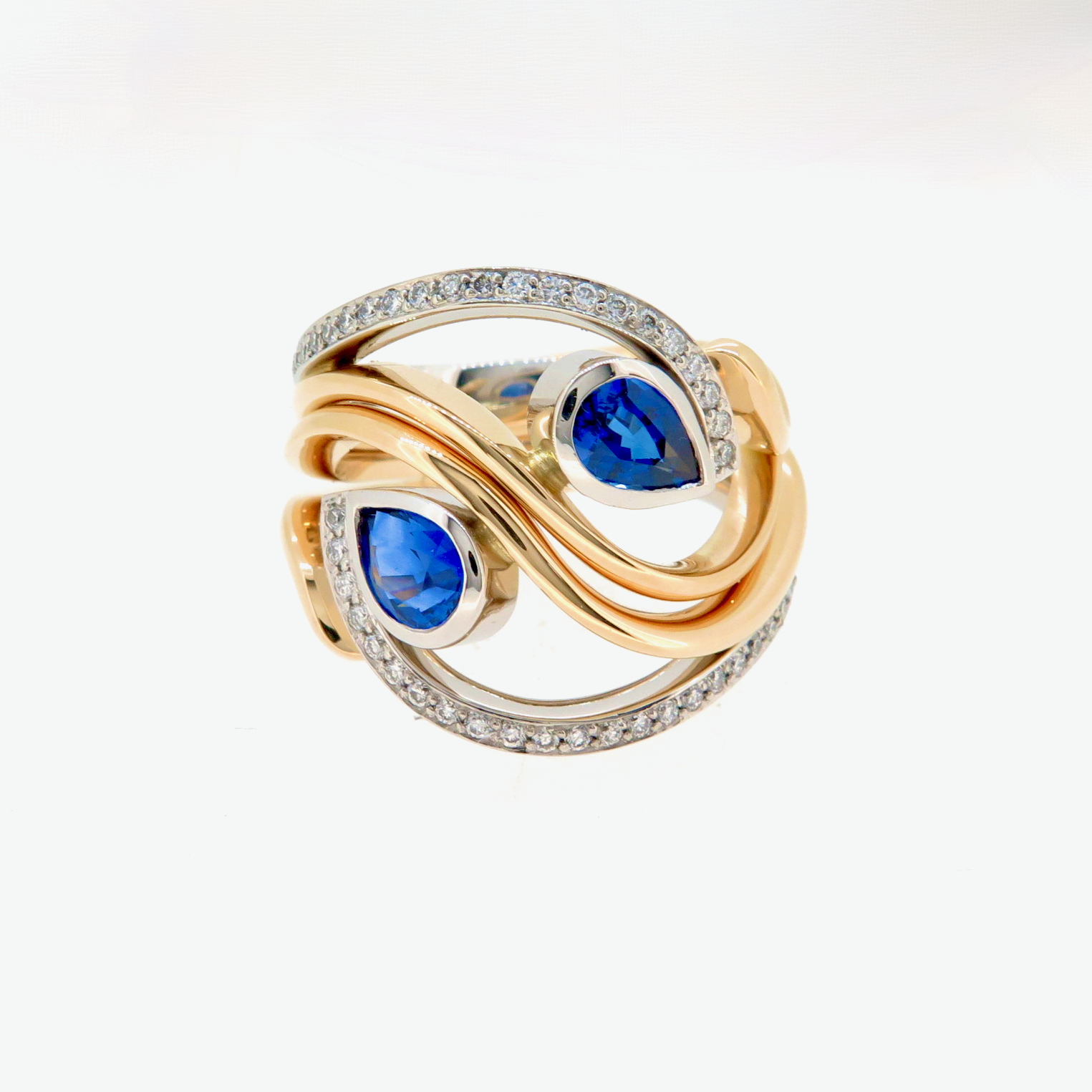
Lucas Blacker: Four Decades of Turning Jewellery Into Art

by the partae October 5, 2026
written by the partae

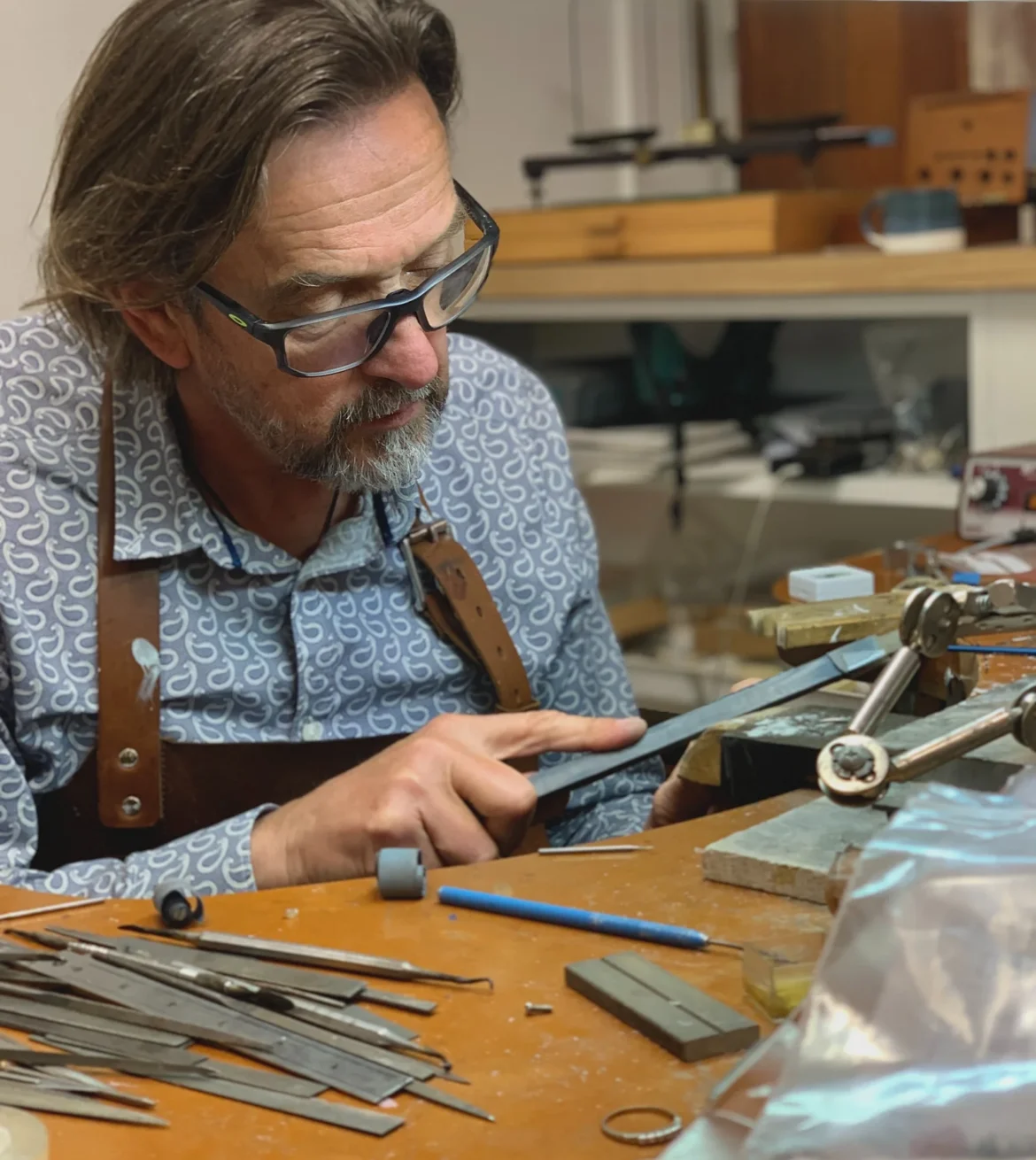
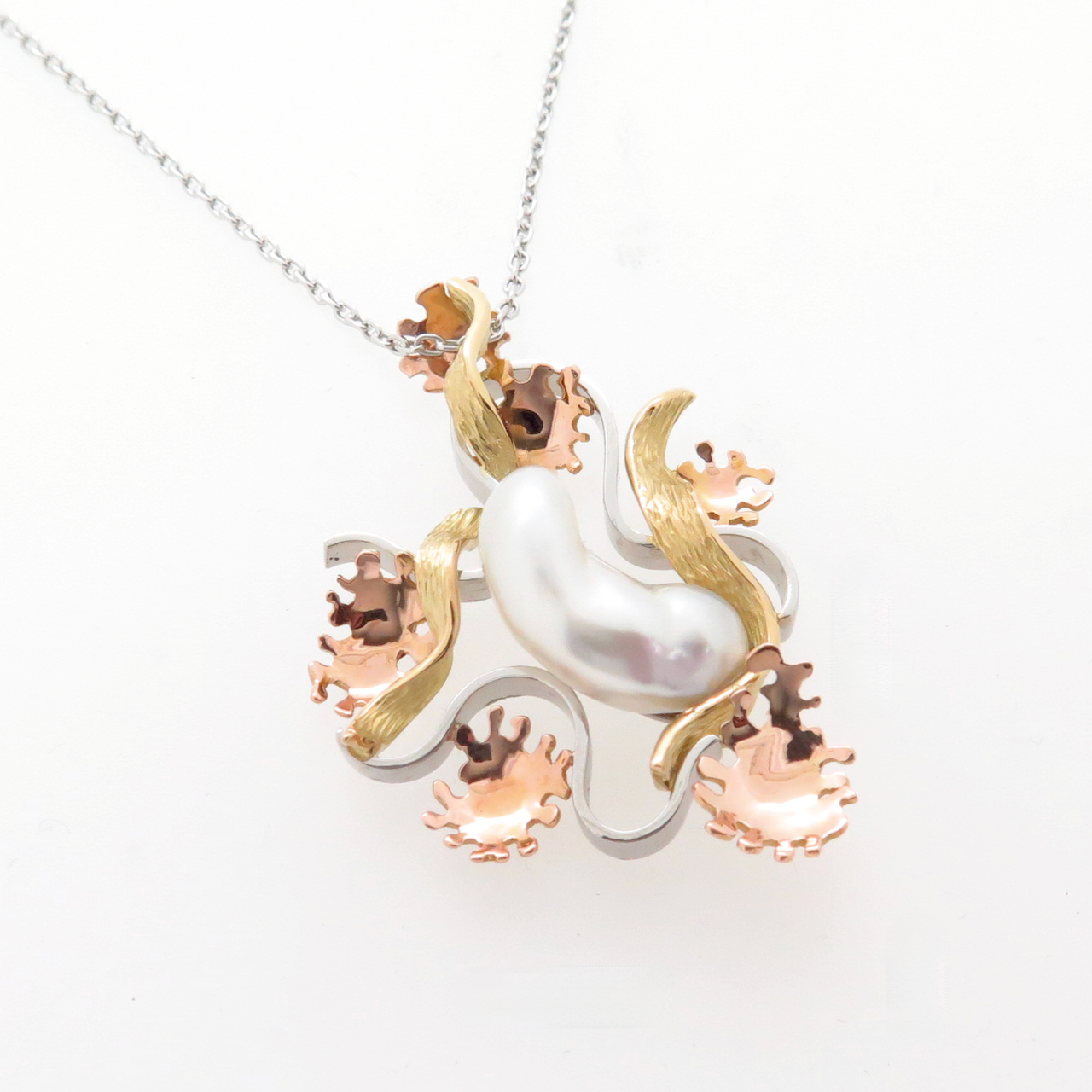
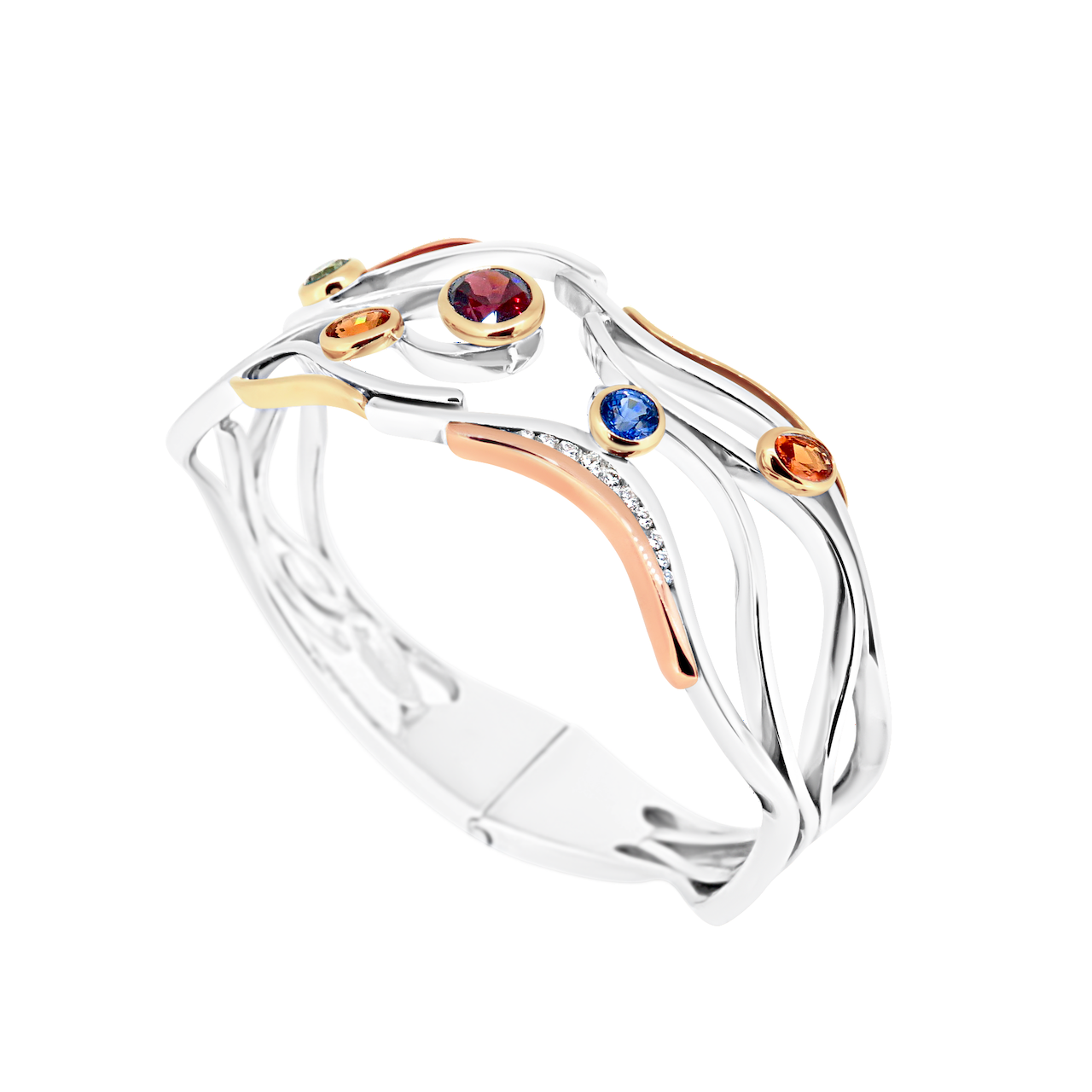
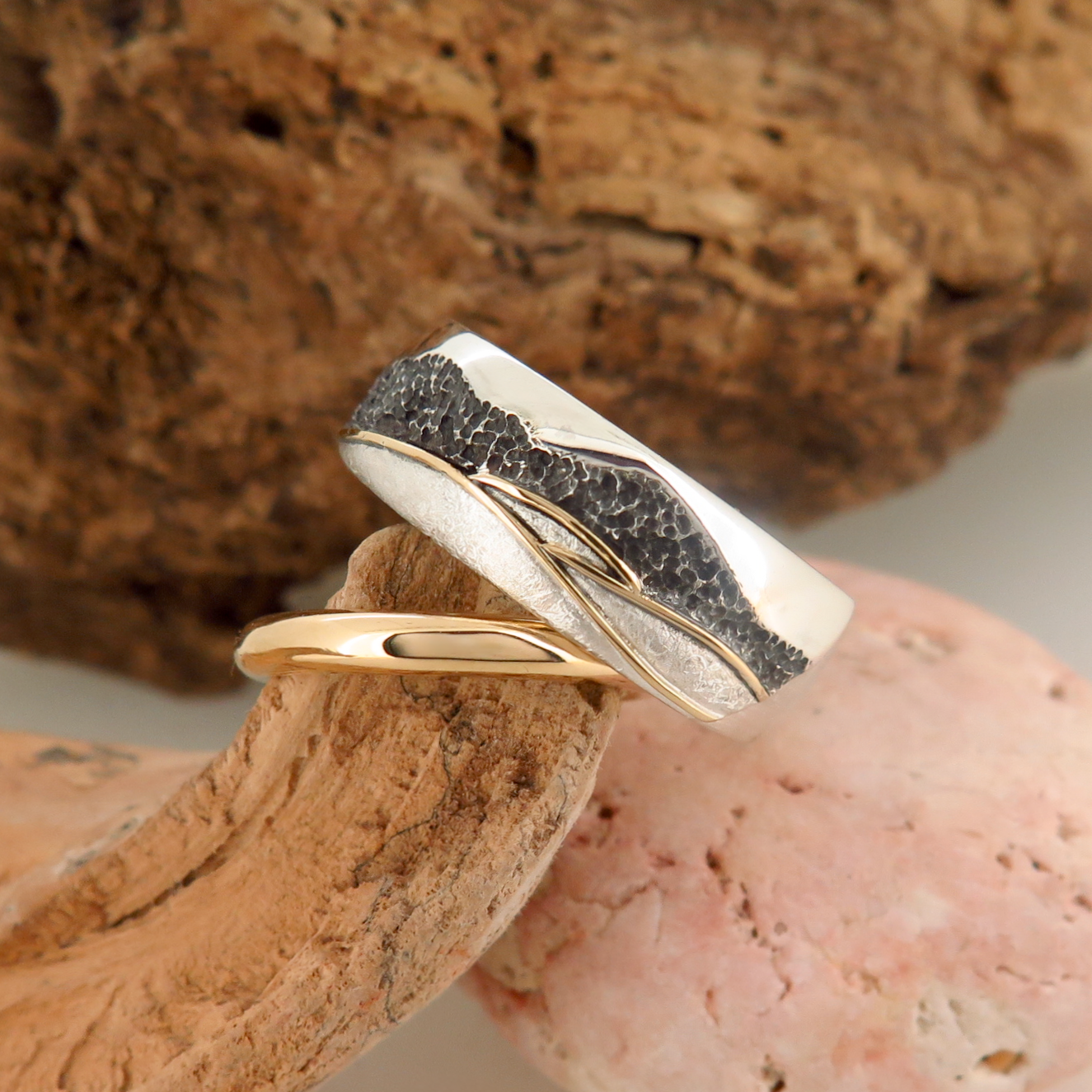
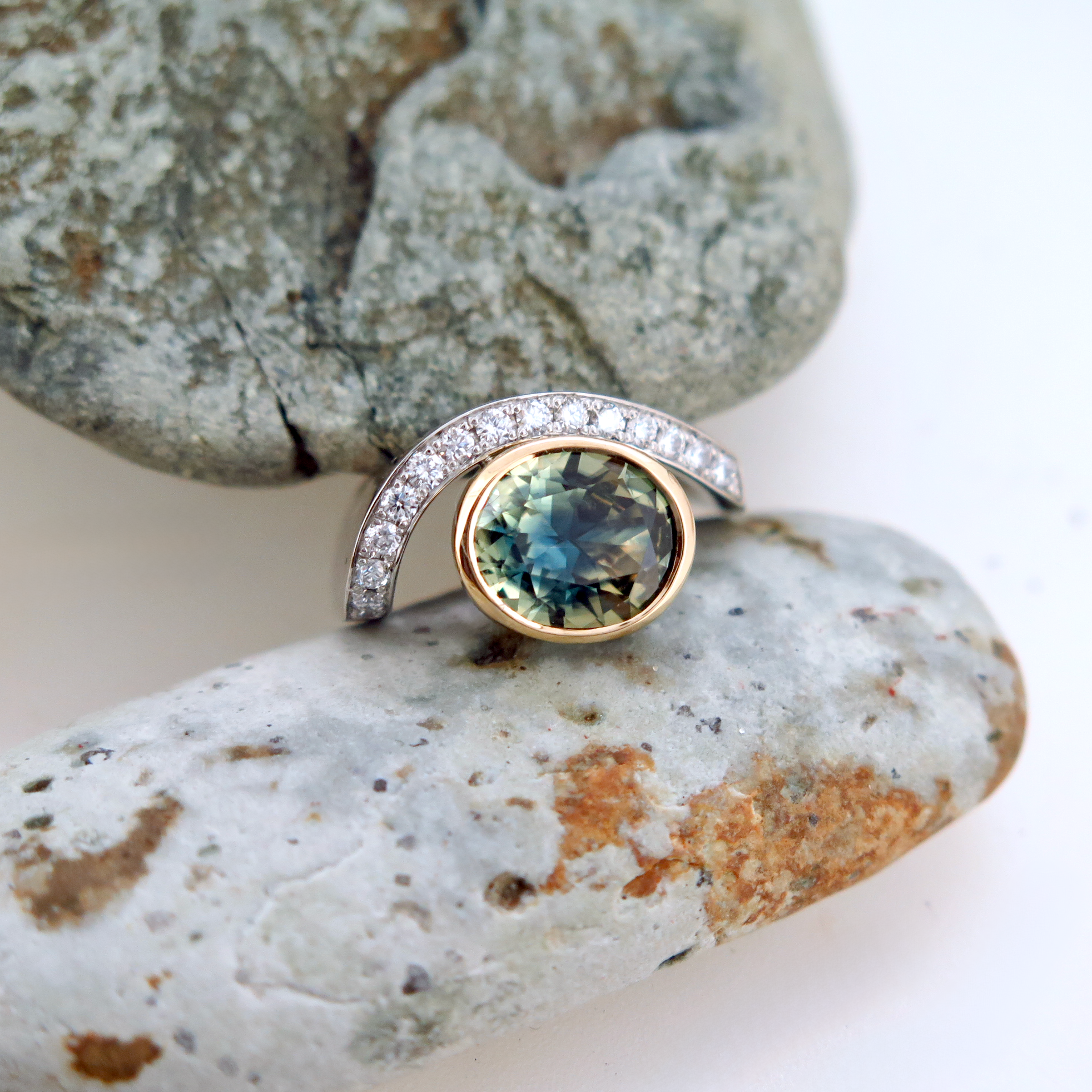
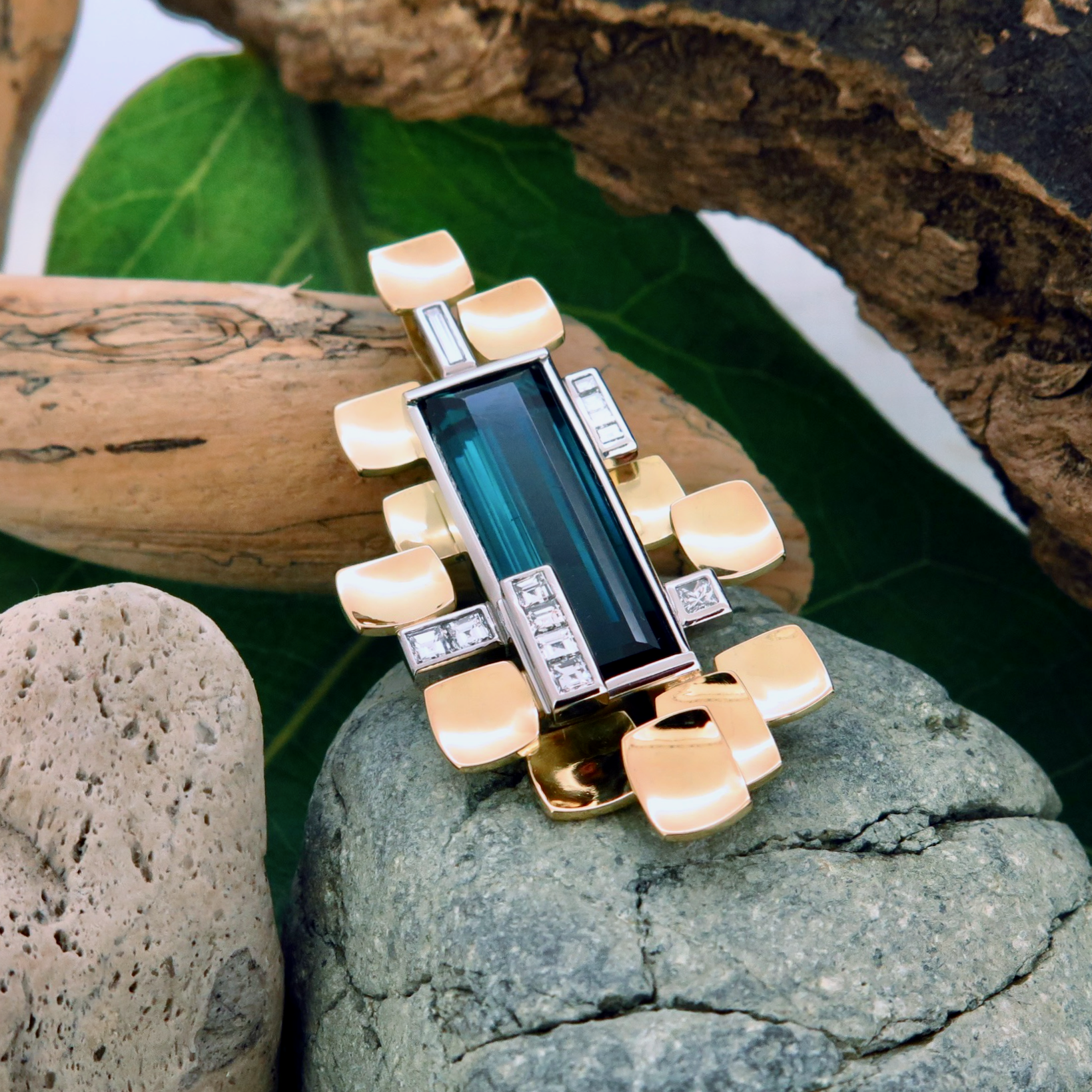
For more than four decades, Lucas Blacker has worked at the intersection of jewellery, design and the visual arts, developing a practice built around making things by hand. A Master Jeweller, Designer and Artist, Blacker designs and crafts each piece himself, taking the work from its initial concept through to the finished object. His career, which began in the late 1970s, has been defined by experimentation, craftsmanship and an ongoing interest in what can be achieved with precious metals and gemstones.

Blacker established his first jewellery business in 1985, beginning a professional path that would eventually take his work into galleries and creative communities across Australia and overseas. In 1989, he travelled internationally and immersed himself in different artistic communities and disciplines. The experience influenced his direction as a jeweller, and he returned to Australia with a renewed perspective on both design and making.

Jewellery, however, was never the only creative discipline occupying Blacker’s attention. He explored painting, sculpture, ceramics and printmaking, looking at the ways those practices could inform his own work. Rather than treating jewellery as an isolated craft, he brought elements of those disciplines into his approach, experimenting with precious metals, unconventional forms and coloured gemstones.

That broader artistic investigation became an important part of Blacker’s development as a contemporary jewellery designer. In 1993, he was awarded Fellowship of the Gold and Silversmiths Guild of Australia. Around the same time, he developed his first major jewellery collection and began exhibiting through galleries in Sydney and Melbourne. He later established a studio gallery in Balmain, where he spent a decade exhibiting his own work throughout Australia and Asia while also representing the work of up to 50 artists.

For Blacker, the distinction between designing a piece and actually making it is an important one. Every work begins with his own design process before being constructed by hand in his studio. He remains involved throughout, from developing the initial concept and selecting materials to forming, constructing, finishing and refining the final piece. The process keeps the designer directly connected to the object being produced.

That hands-on approach extends across his jewellery practice, including manufacture, remodelling and restoration. More than 40 years of working at the bench have given Blacker an extensive base of practical experience, while his interest in experimentation continues to push his work beyond conventional jewellery forms. The result is a practice where technical skill and artistic exploration operate alongside each other.


In 2021, Blacker opened Black Cicada Studio, bringing together a working jewellery studio, gallery and creative space. The studio was conceived as somewhere jewellery could be made, exhibited and discussed alongside contemporary art. Collaborations with local artists and organisations have also seen the space host workshops, exhibitions and demonstrations, opening up aspects of the creative process to the broader community.

In September 2026, Black Cicada Studio relocated to Dulwich Hill, moving into the creative environment surrounding Marrickville Road. The new location continues Blacker’s interest in connecting the making of jewellery with exhibition and the wider artistic community, while providing a home for his ongoing practice.

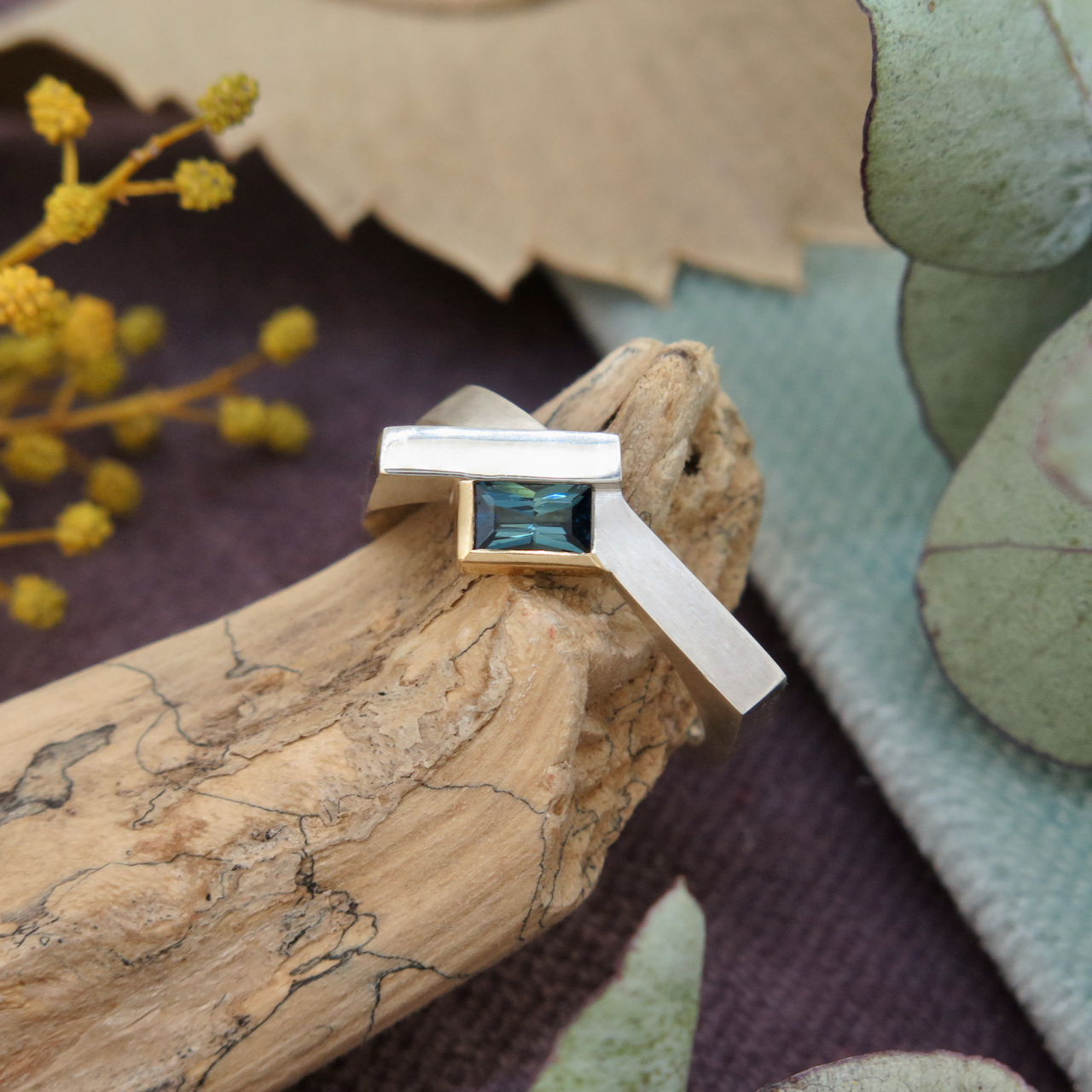
His latest collection, Constructionist Silver, strips the process back even further. Rather than beginning with a particular gemstone or a client’s brief, the collection starts with simple geometric shapes cut from flat sterling silver plate. Blacker then constructs and manipulates the material, transforming those basic forms into three-dimensional objects that sit somewhere between wearable jewellery and miniature sculpture.

After more than four decades at the bench, Blacker’s approach remains grounded in the same ideas that have shaped his career: design, craftsmanship and experimentation. Constructionist Silver is another chapter in that exploration, but the underlying process remains unchanged. From the first line on paper to the final polish, each piece is conceived and handcrafted by Blacker himself, leaving the finished work directly connected to the jeweller, designer and artist who made it.

SHOP / WEBSITE

INSTAGRAM


October 5, 2026 0 comments
0 FacebookTwitterPinterestEmail
Fashion & Culture

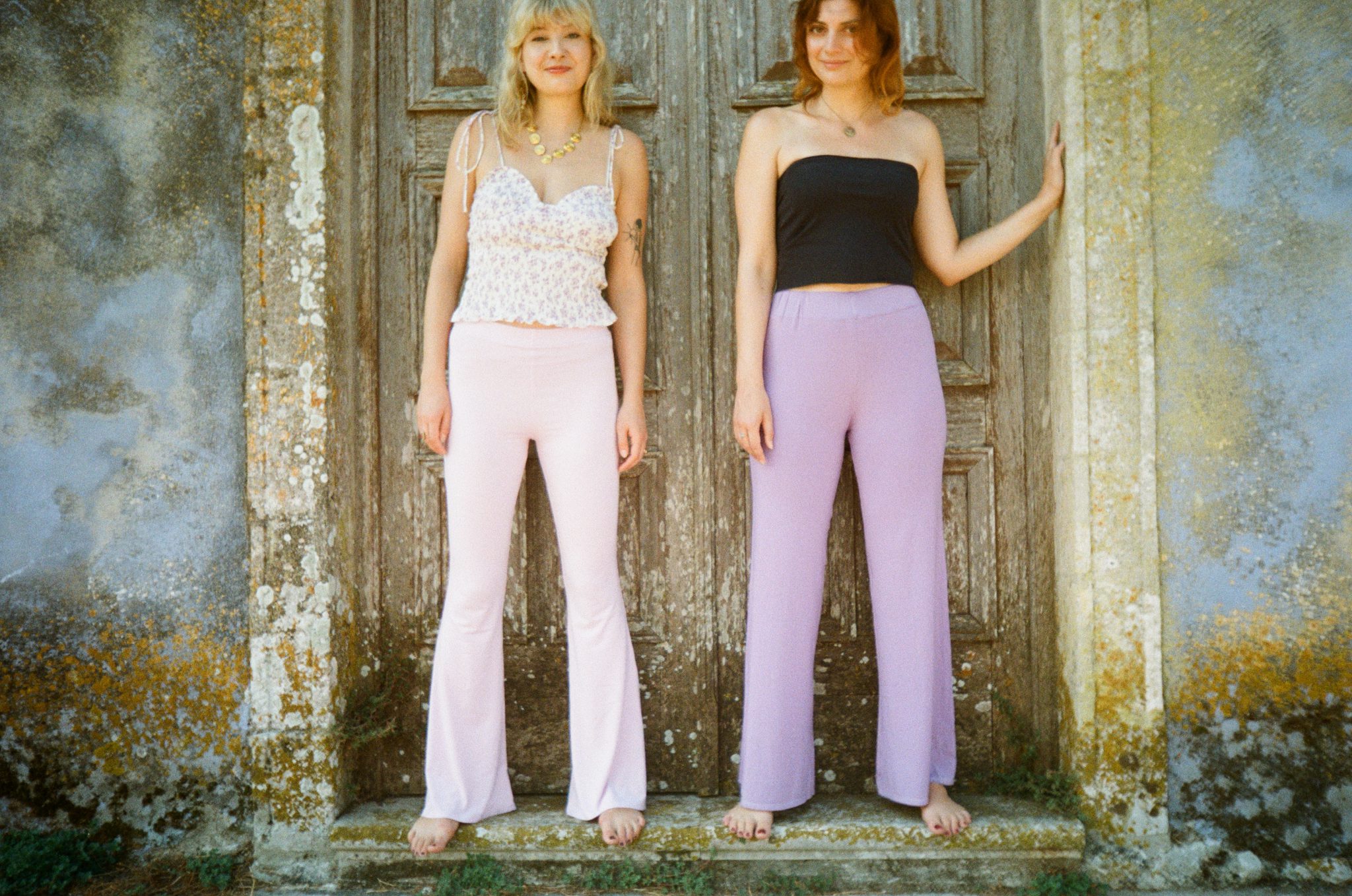
Interview: Flare Street on Natural Fibres, Sustainable Fashion and 13 Years of Making in Melbourne

by the partae October 2, 2026
written by the partae

What inspired you to create the new Natural Fibre Collection, and how did the idea come together?

A natural fibre collection has been in the works over the last few years and we have been testing and trialling it with different bases. For this collection we wanted to move into more core colours and so finding a constant supplier of tones that work within our beautiful colour palette was the challenge. We love working with earthy natural tones so it felt like a bit of a tall order trying to find firstly a natural fibre & secondly in organic plant based and thirdly with the dreams of that production method being circular**.** The main inspiration behind our natural collection is the planet, for close to a decade now we have been making changes to become more and more sustainable and our core range was the last key piece for our brand that needed to be more earth friendly.

After working with the same velvet factory for 13 years, how did its closure influence the way you approached this new collection?

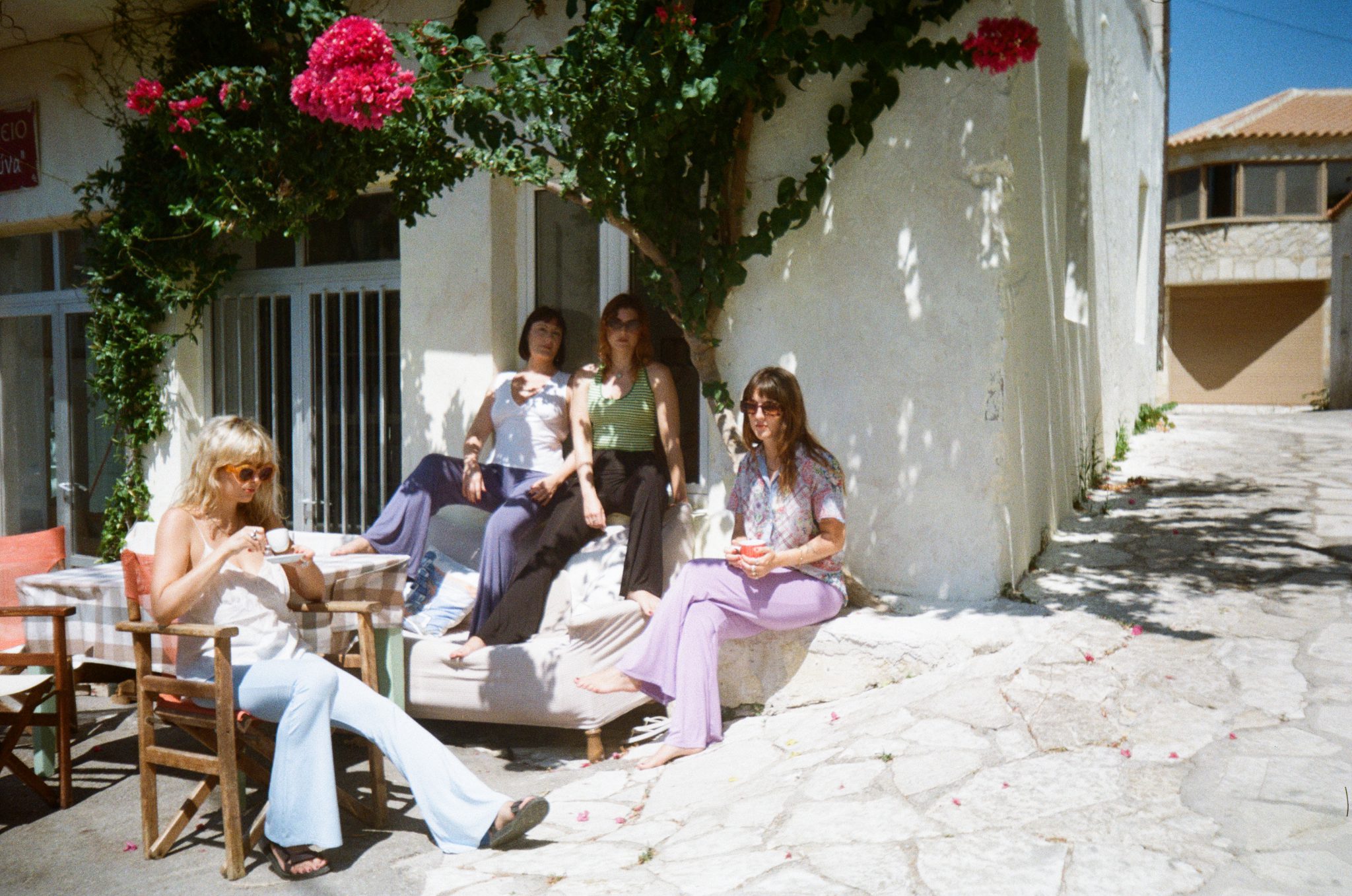
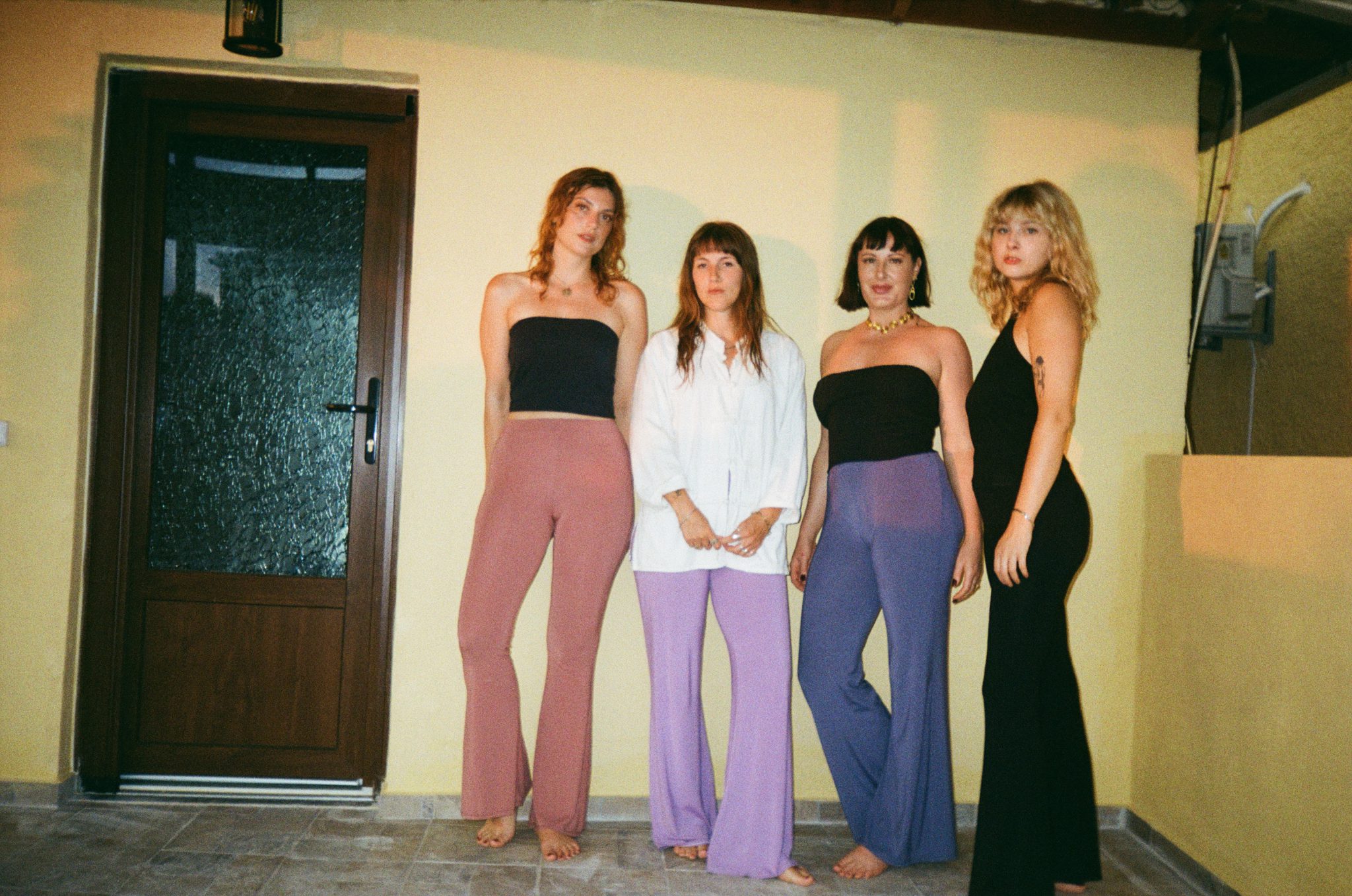
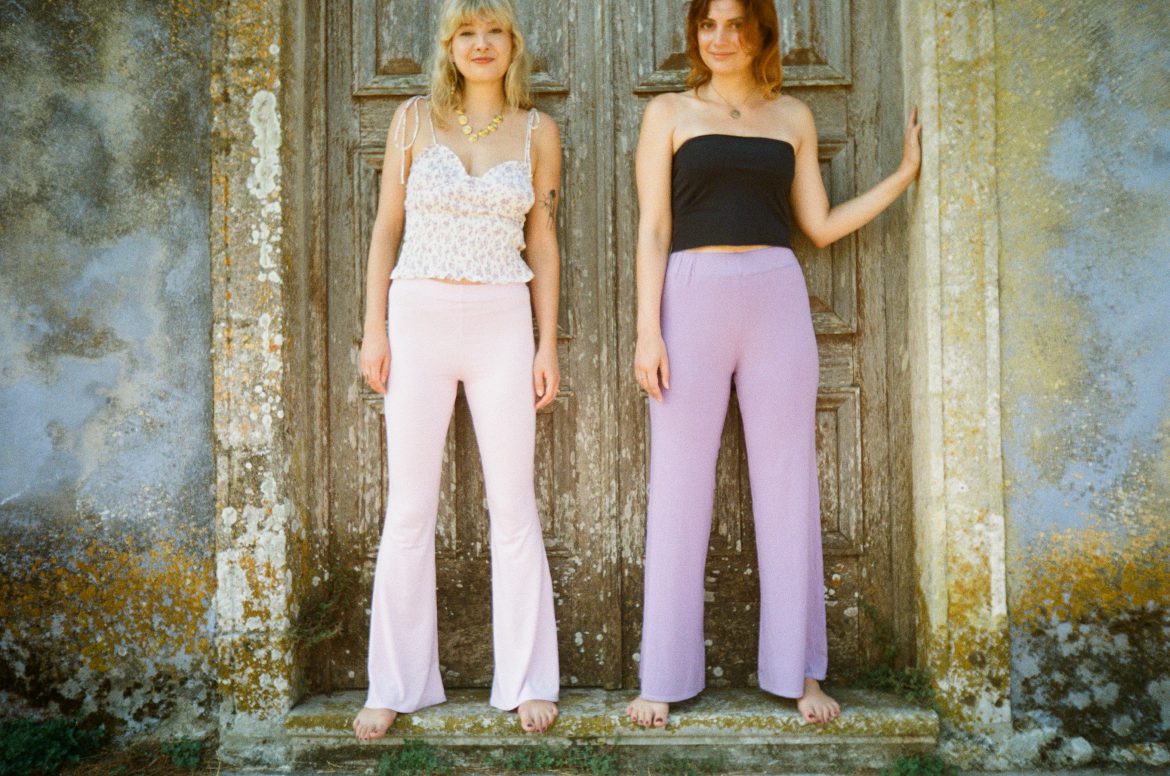
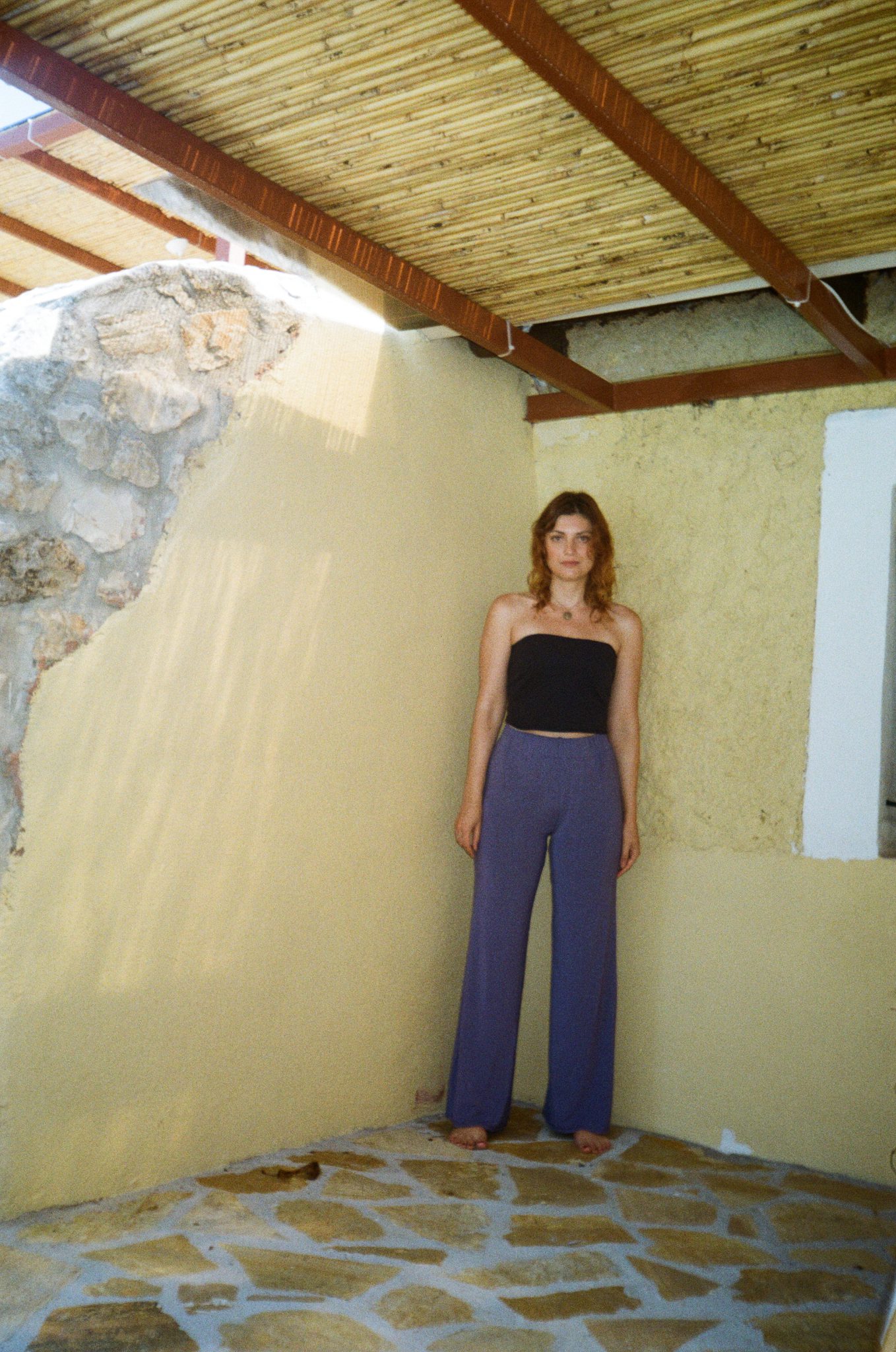
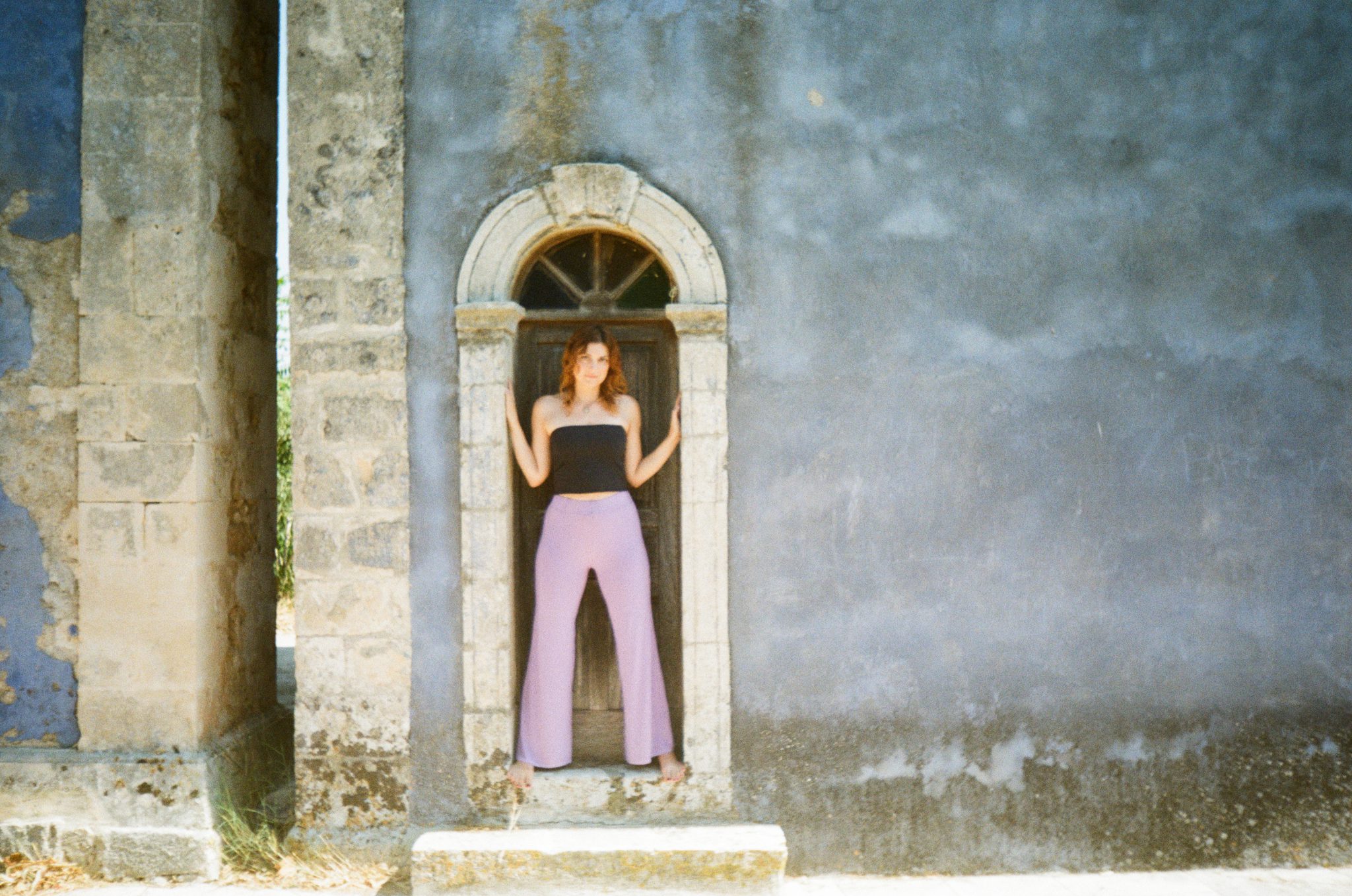
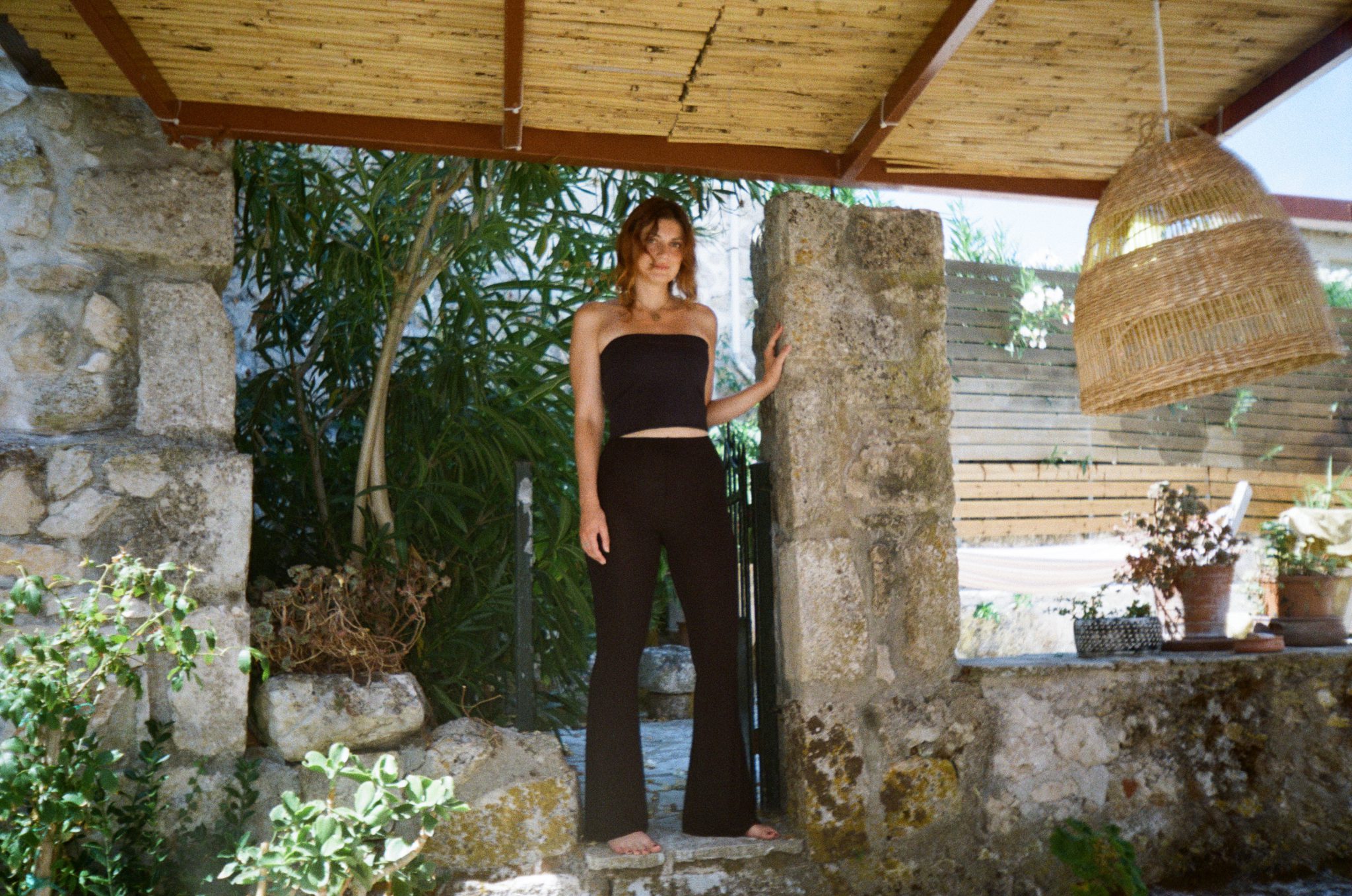
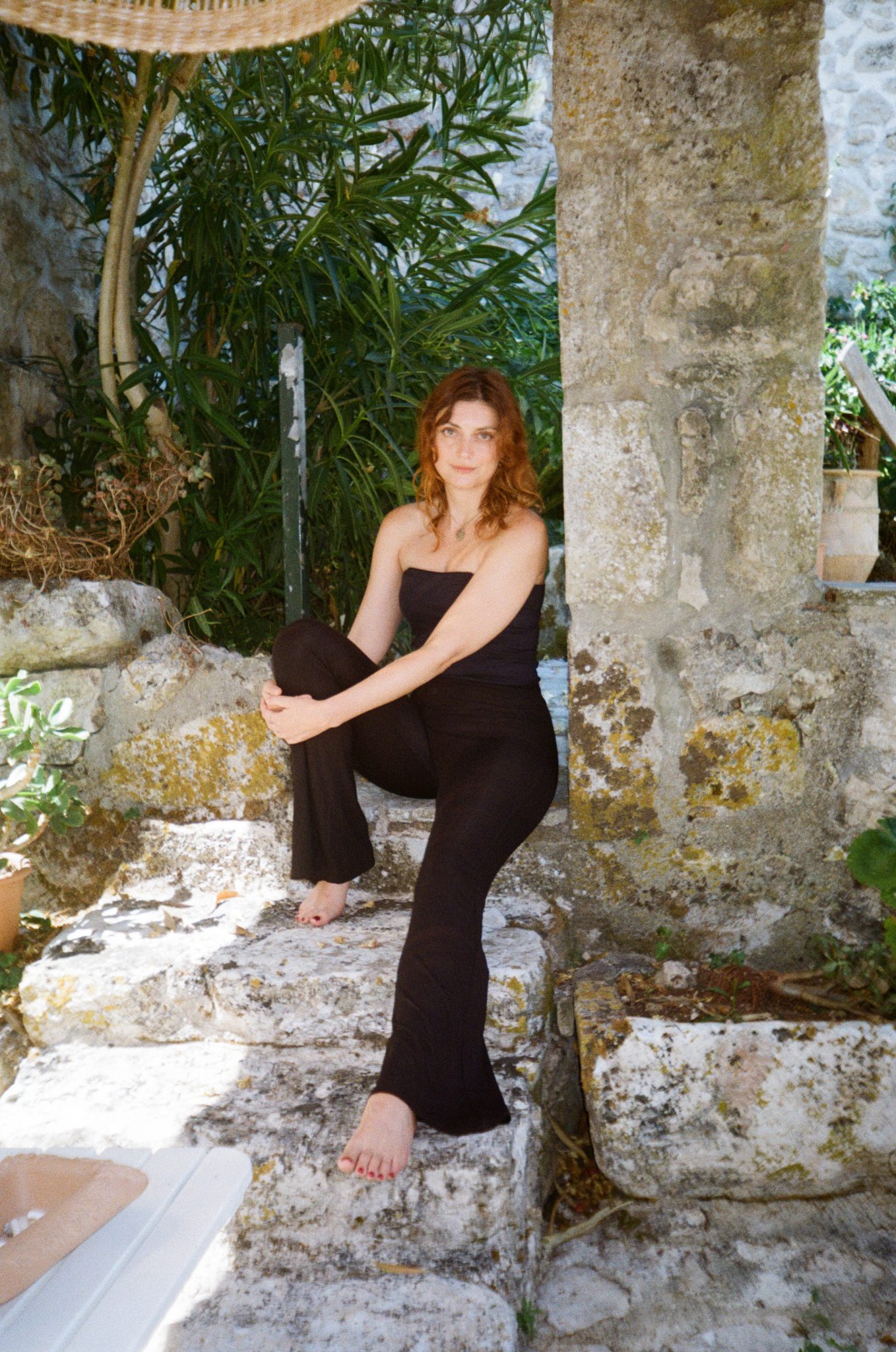
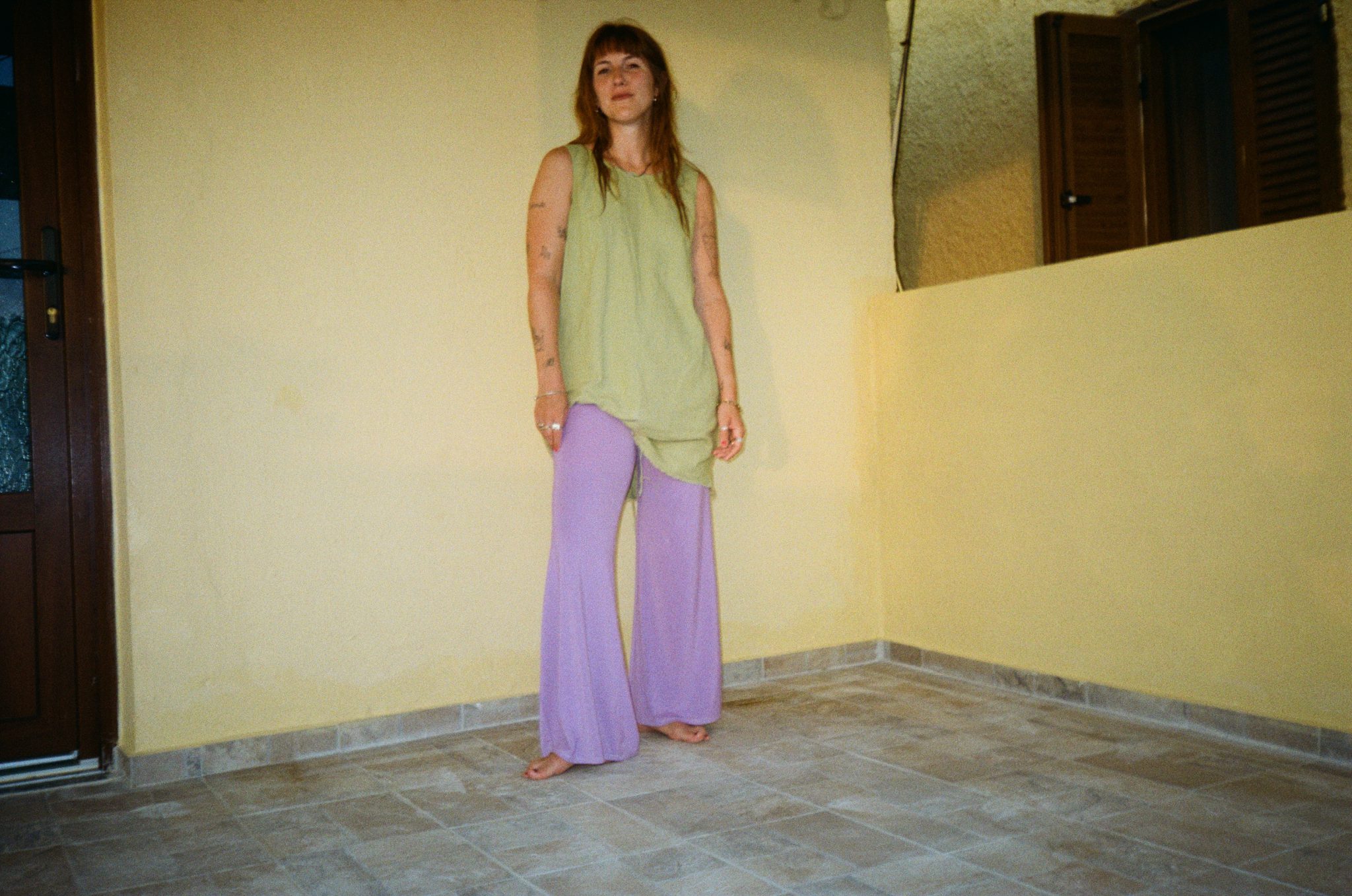
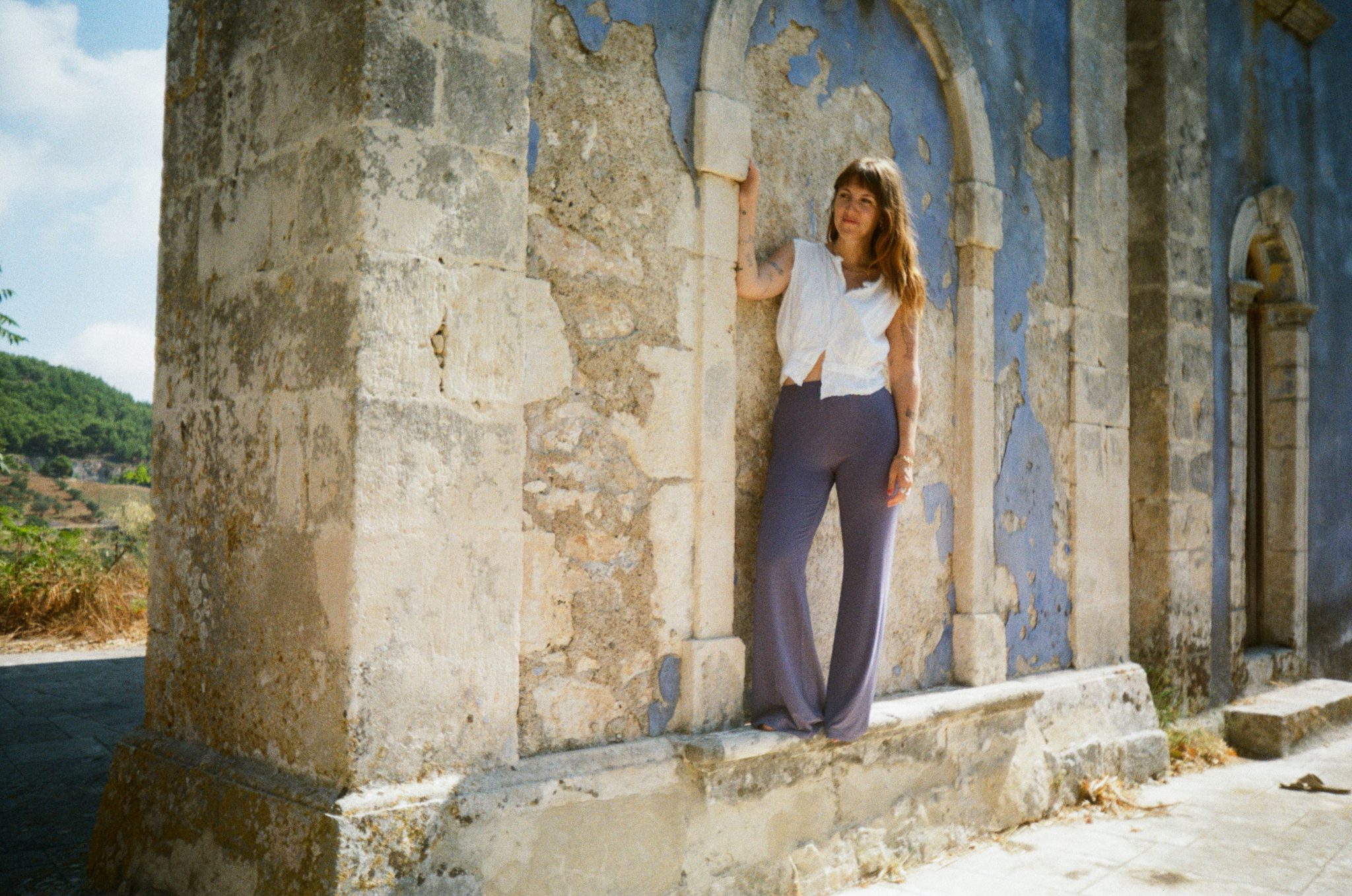
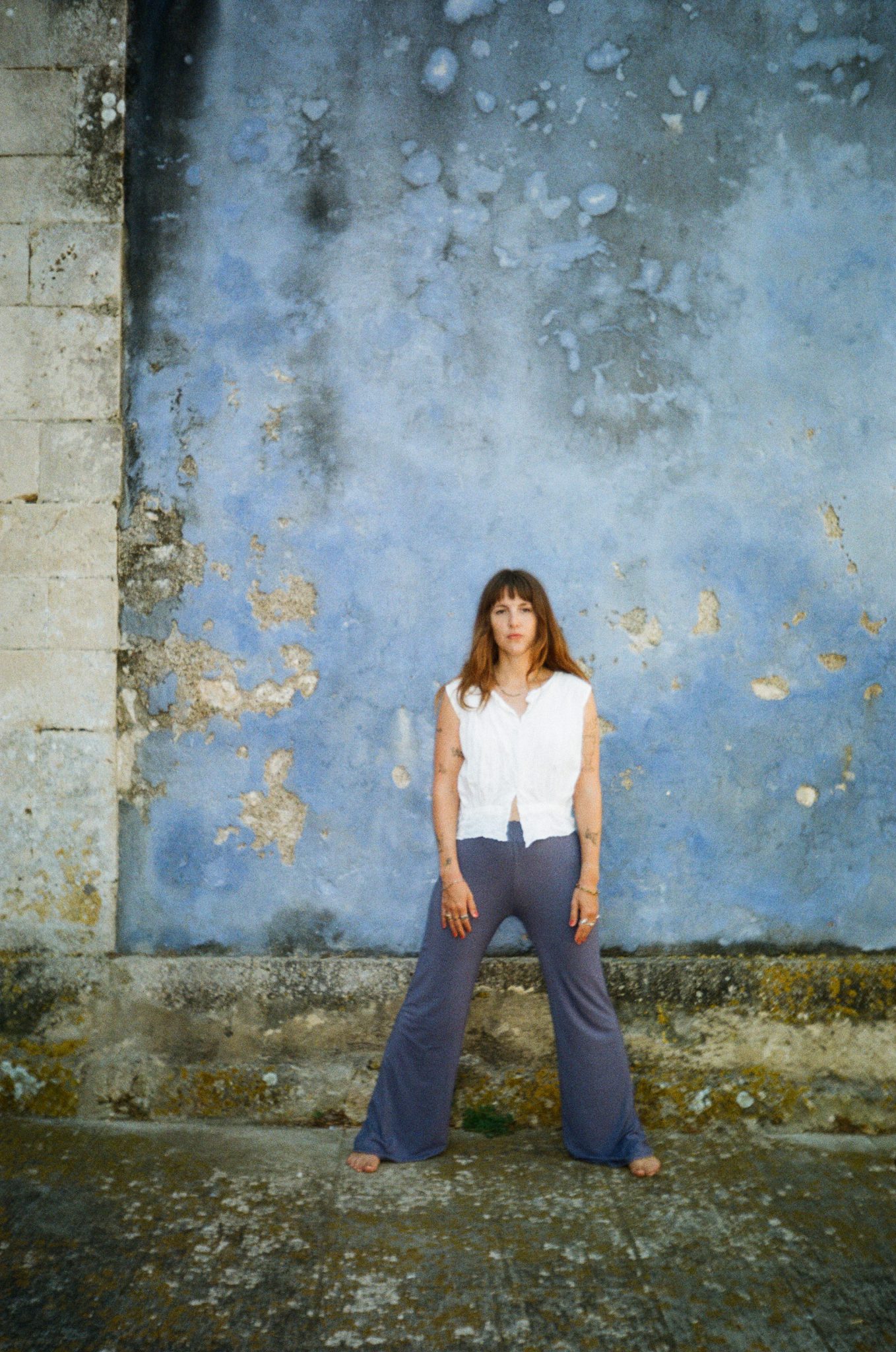
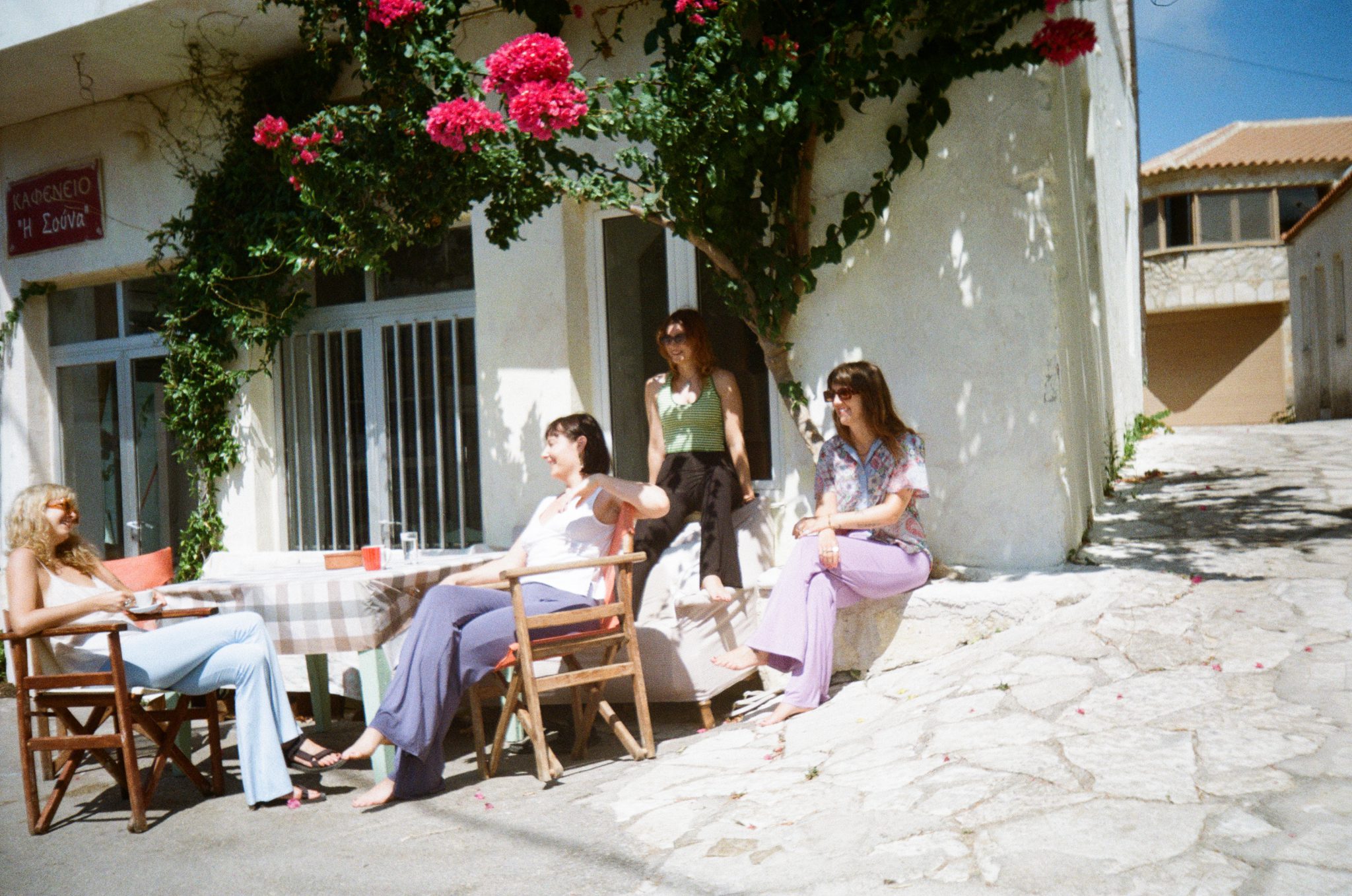
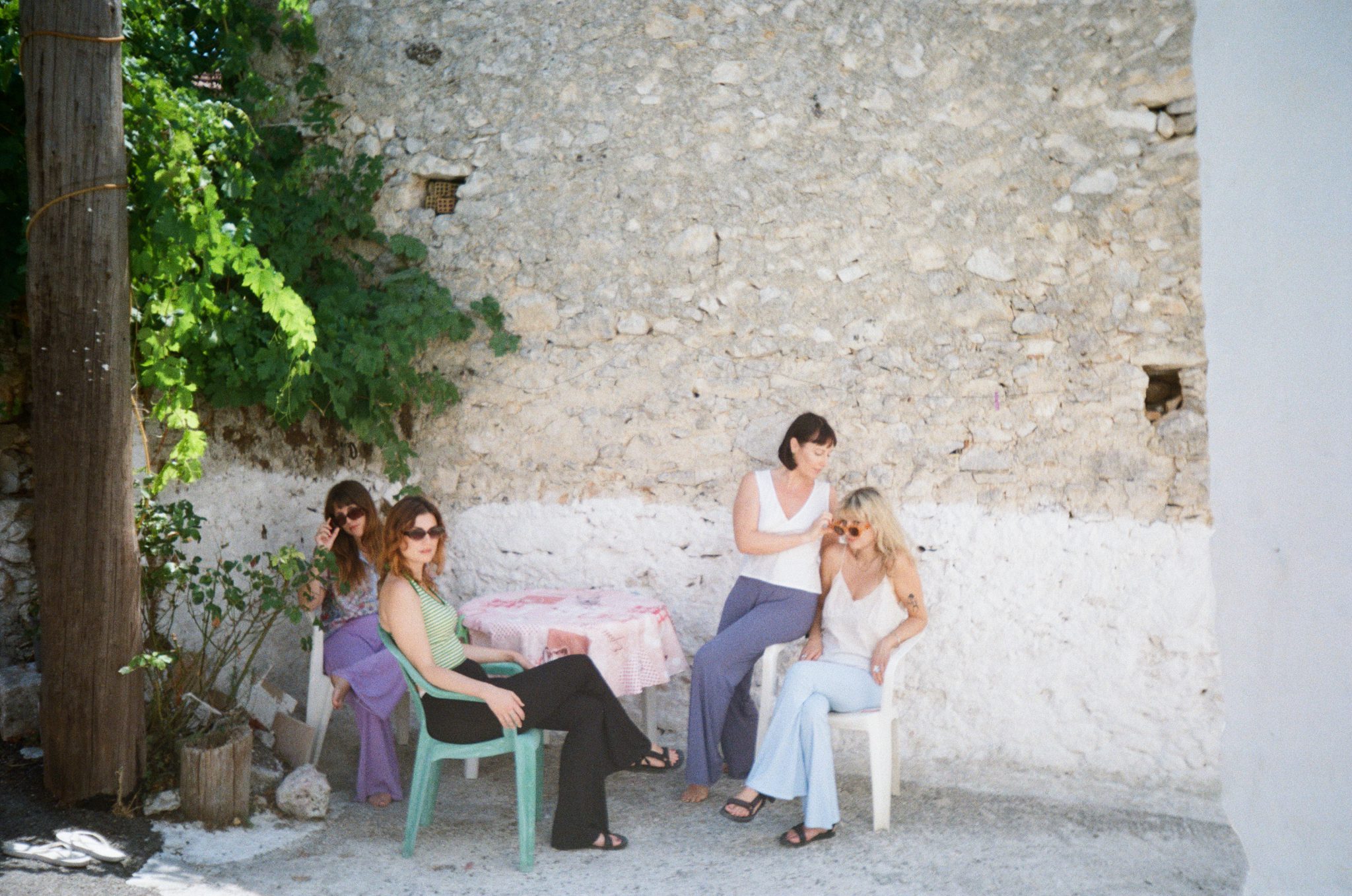
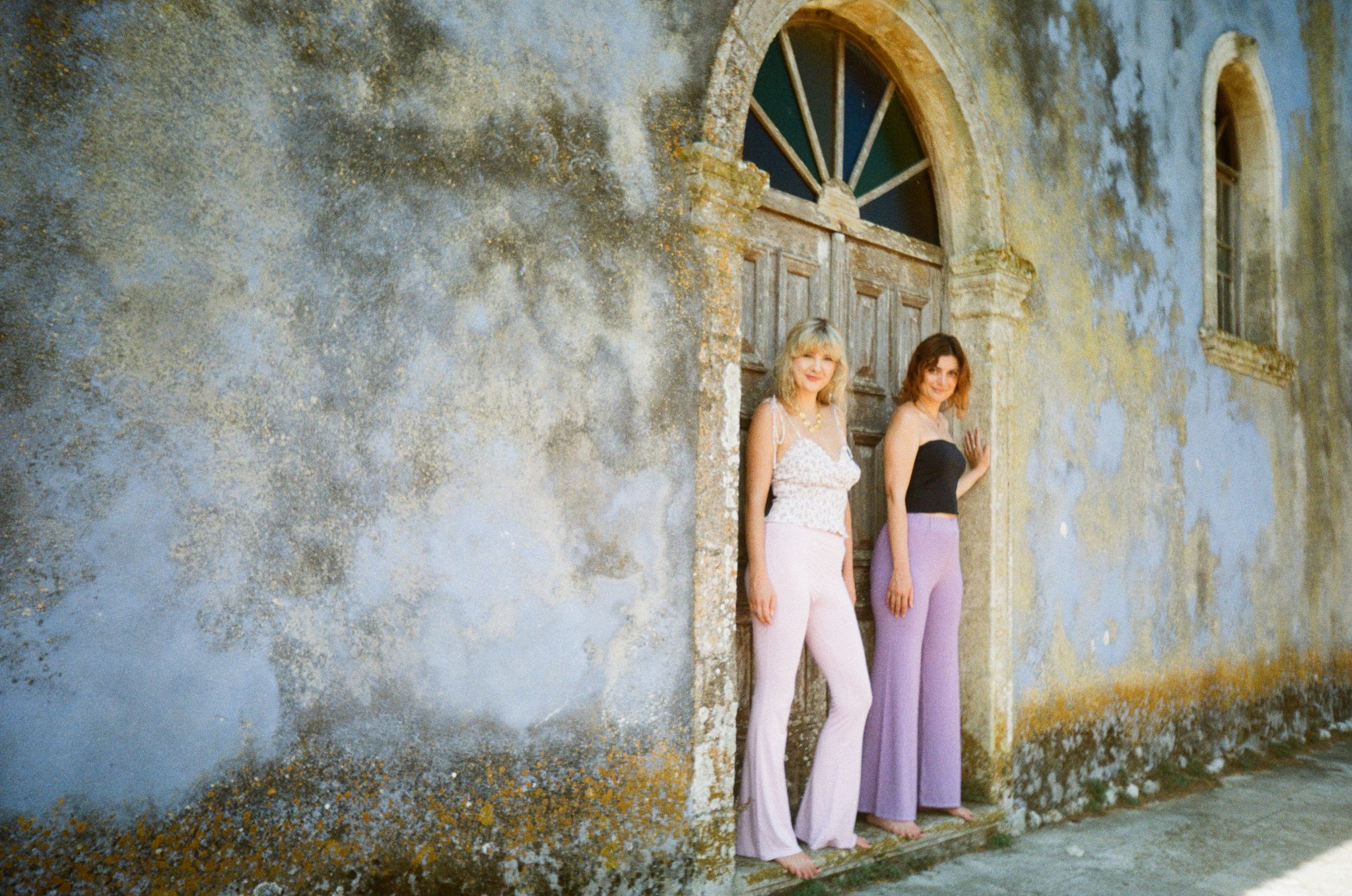
In a way it gave us a lot of freedom being able to start again from scratch after doing it for 13 years with our classic velvet fabric. It was really exciting once we found the fabric, the lead up to and the searching for it was very challenging but when it came to the final product being ready for sampling and then our photo shoot it just all flowed very naturally. We wanted to showcase it in a very casual, fun, light-hearted manner because that’s how the new Fabric feels as well and we were lucky enough to be able to do our photoshoot with some wonderful babes in Greece.

You explored fabrics and production methods across Europe before discovering Organic Bamboo. What made you decide it was the right fit for Flare Street?

We’ve been wanting to work with circular suppliers and so we have in our little black book the contacts and creators of some really amazing fabrics that are circular in Europe. Some of the production methods that are happening over there was just incredible in terms of recycling, circularity and top quality product and they’re moving millions of metres. Watching that process always leaves this feeling within me that reminds me that this could be the case in Australia and in Melbourne in terms of our rag trade, so wouldn’t it be wonderful if we could be a part of sustaining our Australia textile economy… and so with that in mind, we went back to Melbourne and began to start from the ground up again – and things are really changing year after year in Australia in terms of Ethical fashion and fabric manufacturers. Our organic bamboo comes from one of our favourite suppliers in Australia that we’ve been working with for 13 years and we’re also sampling with one of our favourite mills that made our organic Australian cotton. Another amazing company we’re working with in Melbourne is Circular Sourcing, and they’re connecting deadstock fabric from mills with brands!

How does the Organic Bamboo feel and wear differently from your signature velvet pieces?

I’ve been a velvet lover personally since the 1990s so that Fabric and me go way back, but in saying that they’ll always be a place for beautiful velvets and it didn’t make sense any more to work with polyester fibres, so organic bamboo is in a class of its own, it is such a top quality Fabric that we’re working with. We know there’s other bamboos on the market and I think what makes our organic bamboo stand out is that it feels so silky, it’s so lightweight or lighter than a cotton. It’s so breathable, moisture wicking, durable. It’s great for travelling. It’s great for a night out dancing and it does everything that our velvet does in terms of how it sits on your body, how it makes you feel so we’re incredibly fortunate to have found it and we’re so excited to be working with it… and we’re really excited to see our customers grooving around in it.

Sustainability has been an important part of Flare Street from the beginning. How does this collection build on that philosophy?

This collection feels like the final piece of the puzzle. It’s been something that we have been working towards for over six years and we know that customers are changing in terms of what they want to wear on their bodies as well natural fibres. It Just feel better, they breathable, they’re better for the environment, better for your skin and so knowing now that there is zero part of production that pollutes our waterways, ends up in landfill, uses harsh chemicals really feels like something to celebrate and 13 years ago really felt like quite an impossible task. We have been slowly working towards this year after year so it’s incredible to be here now. With this gorgeous garment and still made in Melbourne!

What surprised you most while researching new fabrics and visiting factories across Europe?

What’s surprised me most was just how passionate other people were in the Fabric industry and the rag trade around circular production and sustainability. It didn’t really come up when we started 13 years ago and it has felt like a bit of a solo journey for a long time. We know it’s a lot more common now but even five years ago when we released our organic cotton collection it wasn’t as desired or seen in the market as desirable, so excitement from really big key players in the industry was something that we saw a lot in Europe. It was also being backed by some of the biggest most beautiful luxury brands in the world and these countries local governments. It brought me to tears just knowing that companies do influence the industry a lot and are also on their sustainability journey. Seeing the companies that are putting so much time and energy into creating circularity and sustainable Fabrics being backed and supported was absolutely incredible.

How important is keeping Flare Street designed and made in Melbourne to the identity of the brand?

It’s a funny thing designed in Australia because a lot of the time our designs and ideas come to me while I’m travelling, but what is part of the identity is that the brand wouldn’t really exist without our fabulous team of makers in Melbourne. I know we don’t need to be making it here during a time where most clothing is made overseas, but it’s at the core of our values and it’s what we want to do – whether or not that influences people’s decisions when they buy some of our flares, I’m not sure – but we don’t want to be a fashion brand contributing garments to the world without being able to visit our factories and suppliers or Say hello to our makers, or sample in real time and work with some of the most amazing artists and crafters that we have in Australia.

What goes into creating a pair of flares that can work just as well for everyday wear as they can for a night out?

We’ve said for a long time that a pair of our flares are great for lounging around in or on the dancefloor and it’s true. It’s like wearing some of your most favourite pieces of jewelry. You can do your grocery shopping in them or you can wear them out to dinner with your friends and that whole time you’re feeling fabulous – and that’s what our flares also do. We didn’t accidentally designed it this way. It was intended and intentional because we wanted to put something out into the world that showed the internal glamour of a person but on the outside they are constructed in a way that is for anyone, of any gender, with any kind of disability, day or night. They’re comfortable on your body, they move with your changes and they’re not restrictive – this was all intentionally created right at the beginning because these were our customers we were designing for. We made them for people in Melbourne that loved flares, everybody, anybody and they would come to our studio, tell us what they were wanting them for and it just was such an amazing privilege to get to provide such an array of flare- lovers with an item that allowed them to feel amazing. We really only have two products and that is our classic flare and our wide leg flare and we know it’s been copied by so many brands countless times and by direct connections, which has really been disheartening. We have a list of people that have bought it off of our website only to find it in their collection next season, same colour, same fabrics but mainly it’s the same cut which we edited millimetre by millimetre when we were creating it and that does break our heart because we know it’s not just a pair of flares we made, it is a piece of art for an individual to feel amazing in. It’s not just any old pair of leggings that you can walk down to the shopping by it’s so much more than that and we are so lucky that we have such an amazing loyal customer base who stuck with us over the years through all of our changes and time and time again they’ll come back or they’ll say the most beautiful things about how they walk down the street and someone’s told them how great they look that day and it meant the world to them because they weren’t feeling wonderful and at the end of the day if you can make a product or a piece of art and put it out into the world and people enjoy it what more can you ask for really?

After more than a decade of Flare Street, what continues to inspire you creatively?

Our customers inspire us greatly seeing them in our product or seeing how they style them. We design for our clients, and then outside of that I love art and galleries, impressionism, 60’s & 70’s of course, jewellery design, Antiques, history, travelling, crafts people and seeing their process or inside people Studios… that’s what inspires me. In terms of design inspiration for collections, that’s something that comes to me every day. It might just be at a cafe and there’s a gorgeous teacup, it might be seeing a picture in a history book or that one fabric from the 1700s on somebody’s curtain & it strikes a chord with me. Nature also is one of the main inspirations, the ocean, trees… mother nature always fills me with so many ideas.

What’s next for Flare Street, and can we expect to see more natural, recycled or deadstock fabrics in future collections?

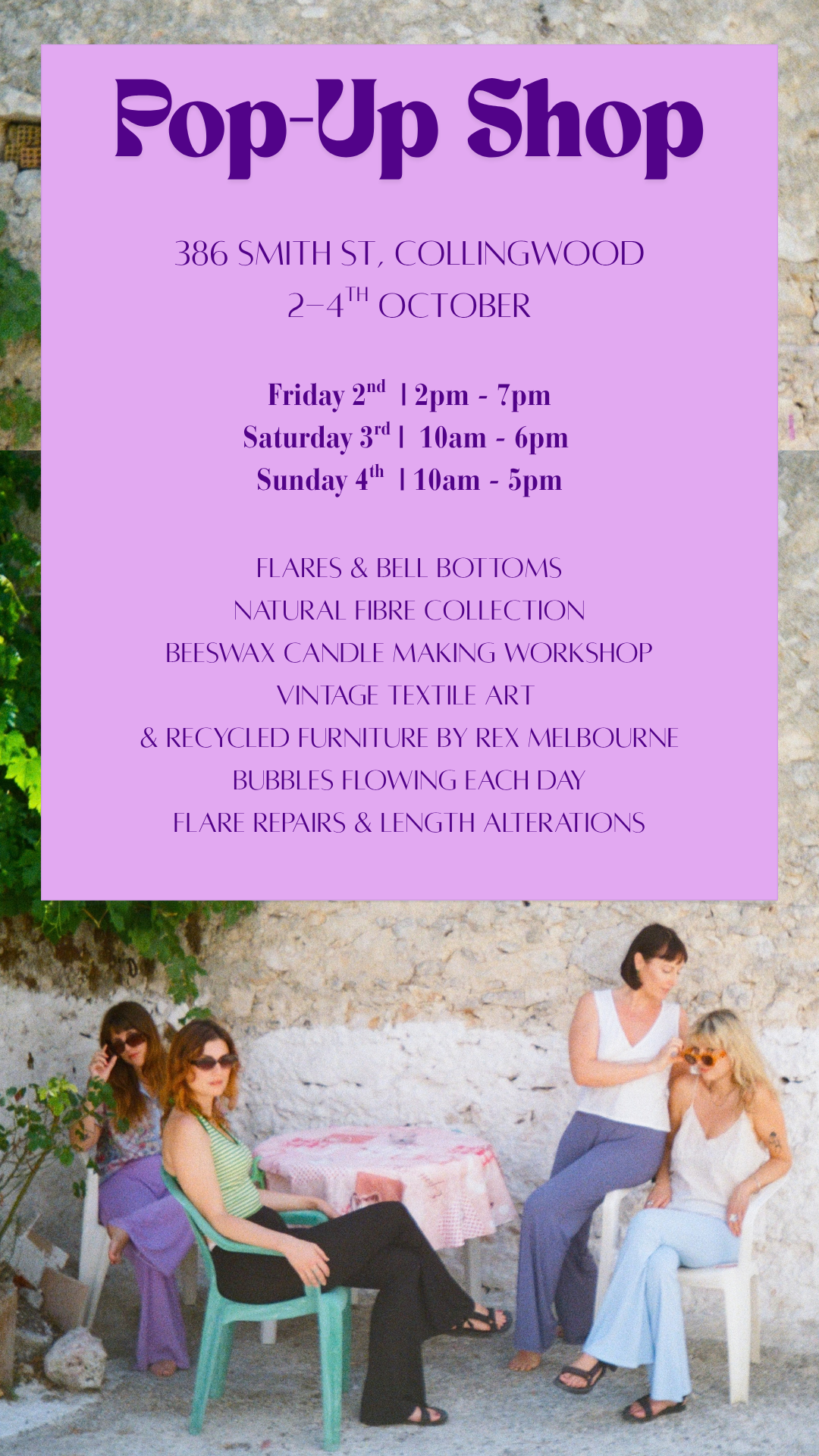
I’m really excited as we’re doing a pop-up shop this weekend in Collingwood from 2-4th Oct and we’ll be showcasing our new collection of natural fibres, new flares as well as new deadstock fabric that we haven’t released yet! We’re working with some other really beautiful Melbourne based artist, jewellers and vintage collectors to curate the space. And we’ll have a beeswax candle making workshop running with beeswax from local Victorian bees!

This collection marks the change and pivot in flare Street. We started out using all recycled dead stock. Fabrics from some of the biggest design houses across the world Prada Gucci Fendi Zimmerman. We were so lucky to be able to recycle the Fabrics that they were no longer working with but as we grew it was getting harder to find the supply. Now it’s 13 years later and there are amazing companies that we can work with that also want to be working in a more recycled fashion and with natural fibres.

We’re really excited about how far that’s come and what we now have access to , we’ll also be doing a few extra little bits like new tops and dresses and bringing back some of our favourite styles from over the years because as we grow and develop we still want to be true to our 60s and 70s roots and our beautiful textile designs that we’ve created with so many wonderful worldwide artists.

Made in Melbourne

Shop: www.flarestreet.com

Instagram: flarestreet

Spread the Flare Love

October 2, 2026 0 comments
0 FacebookTwitterPinterestEmail
Fashion & Culture

Interview: We speak to Souhela Ferrah, Founder of Fields of Yarrow, on plants, ritual and building a skincare brand between Bali and Marseille

by the partae October 1, 2026
written by the partae

You grew up in Marseille and spent around a decade in Bali, where you built Fields of Yarrow. What was it about Bali that drew you in and ultimately gave you the environment to create the brand?

I arrived in Bali quite young, and I think what drew me in was the possibility of living much closer to nature. There was a different relationship to time, to plants, to the body, to ritual. Things that can feel separate elsewhere were simply part of everyday life there.

Fields of Yarrow really grew out of that environment. I had access to incredible botanicals, farmers, traditional plant knowledge and, eventually, the possibility of growing many of our own ingredients. Bali gave me the space to experiment and to build slowly. The brand was never created around a marketing concept; it came from years of touching, smelling, growing, extracting and formulating with plants.

In many ways, Bali taught me to pay attention.

Fields of Yarrow has developed a seed to skin approach, including growing your own plants and flowers. What have you learned from working directly with the plants that has changed the way you think about skincare?

That plants cannot really be rushed.

When you grow an ingredient yourself, skincare suddenly becomes much less abstract. You understand that before something becomes an ingredient on an INCI list, it has had an entire life. There is soil, water, weather, harvest, timing, extraction.

It made me much more interested in the quality and integrity of an ingredient than simply the percentage written on a formula.

Working directly with plants has also taught me that nature is incredibly sophisticated. A flower or leaf contains hundreds of compounds working together. We try to respect that complexity rather than constantly isolating everything.

Our garden has changed the way I formulate, but also the way I think about beauty. Good skincare, like growing something, is often about consistency and patience rather than immediacy.

You’ve described Fields of Yarrow as skincare that is designed to be “experienced rather than applied.” What does that philosophy mean to you, and why is the ritual around skincare so important?

I never wanted skincare to feel clinical or transactional: apply this, fix that, move on.

For me, the few minutes you spend with your skin can become a small moment of reconnection. Texture matters. Temperature matters. Scent matters. The way an oil moves between your palms matters.

That is why we think about our formulas sensorially as much as functionally. A cleanser can change texture with water. An oil has a particular slip. A botanical aroma can change the atmosphere around you.

Of course, the product has to perform. But I don’t believe efficacy and pleasure have to exist separately.

Skincare is something most of us repeat every day. If you’re going to repeat something thousands of times in your life, I think it should feel beautiful.

Your background brings together science, plants, aromatherapy and natural skincare. When you’re developing a new product, how do those different influences come together?

It usually starts with a feeling or a need rather than an ingredient.

I think about what I want the product to do for the skin, but also what I want that moment to feel like. From there, we work backwards: which botanicals make sense therapeutically, which extraction methods protect them best, what texture carries them properly, how the formula behaves on the skin, and what aromatic profile belongs to that experience.

Aromatherapy is important to me, but never as decoration. The scent should have a reason for being there.

And then there is a lot of testing. I am quite obsessive about texture. Sometimes the difference between an acceptable formula and a beautiful one is incredibly small.

It is really a conversation between instinct and science. I need both.

There is a real connection between Fields of Yarrow and the places you’ve called home, from Marseille to Bali and now your growing presence in Europe. How do those different places influence the brand today?

Bali gave Fields of Yarrow its relationship with plants. Marseille gives it another kind of energy.

Marseille is raw, Mediterranean, imperfect, creative. There is sea air, dry herbs, old pharmacies, markets, stone, strong light. It has a very particular character, and because I grew up here, returning has also brought me back to parts of myself that existed before Fields of Yarrow.

I don’t want the brand to become geographically literal, though. I am more interested in what you absorb from a place.

Bali taught us how to grow and work with botanicals. France brings another conversation around craftsmanship, design and pharmacy. Now those two worlds are beginning to meet. That feels very natural to me.

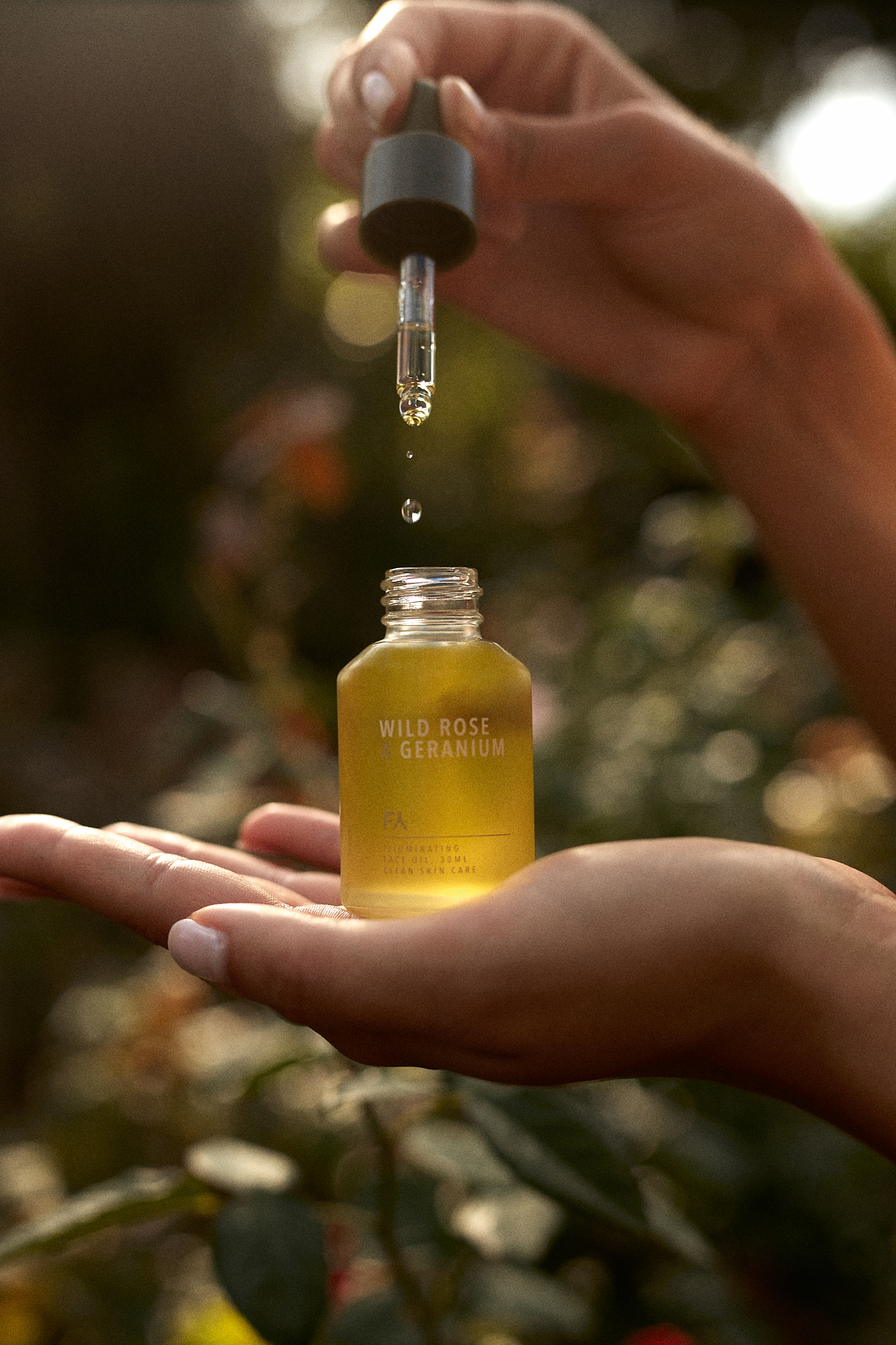
The Wild Rose & Geranium Illuminating Face Oil is currently featured among Fields of Yarrow’s best sellers. What do you think it is about that product that people connect with?

I think it has a simplicity that people understand immediately.

Wild rose and geranium are two botanicals I have loved for a very long time, particularly for skin that looks tired, stressed or depleted. The oil leaves the skin incredibly nourished and luminous without making the ritual complicated.

But I also think people connect emotionally with it. There is something very comforting about rose and geranium together. You open the bottle and immediately know you’re going to take care of yourself.

It represents Fields of Yarrow very well because it sits somewhere between treatment and ritual. It has a purpose, but it also gives pleasure.

Sustainability is built into the way Fields of Yarrow operates, from cultivation and composting to water conservation and packaging. As the business grows, how do you make sure those principles remain part of the everyday decisions you make?

I’m trying not to treat sustainability as a separate department or campaign.

It needs to exist inside very ordinary decisions: how much we produce, where something is sourced, how our garden is managed, what happens to plant material after extraction, what packaging we choose and whether something actually needs to exist in the first place.

Growing ingredients ourselves has made this very tangible. You see the resources involved before a product ever reaches a shelf.

As we grow, there will always be compromises and better solutions to find. I don’t think any beauty company should pretend to be perfect. For me, the responsibility is to remain curious, keep questioning our systems and improve them as we have access to better materials and technologies.

Growth shouldn’t mean forgetting how something started.

Fields of Yarrow now has stores and studios in Canggu and Uluwatu, while also expanding internationally. What have you learned from taking the brand from its original home in Bali into new markets?

I learned that you have to understand what is essential to the brand and what can evolve.

Bali is where Fields of Yarrow was born, so naturally there were things about the experience that felt very connected to that place. As we began working internationally, I had to ask myself: if you remove Bali, what remains?

The answer was actually very clear. Plants. Skin. Time. Touch. Ritual. Generosity. Those things travel.

What changes is the expression around them.

It has also taught me not to expand for the sake of expanding. We recently made the decision to simplify our Bali retail presence and concentrate on Uluwatu while putting more energy into Europe. Sometimes growth means adding things, and sometimes it means knowing what to let go of.

Fields of Yarrow now has a growing presence in Europe. What does this new chapter look like for you and for the brand?

It feels like the beginning of a second life for Fields of Yarrow.

After almost ten years of building the brand in Bali, bringing it back to France and particularly to Marseille feels very emotional. We are opening our first French home here, which will be part boutique, part facial studio and part space for consultation and discovery.

I want it to feel less like entering a conventional beauty store and more like entering the world of Fields of Yarrow.

Europe will also allow us to develop the brand creatively in a different way: through collaborations, objects, print, treatments, hospitality and relationships with other makers.

The ambition is certainly to grow, but I want to do it carefully. I don’t want Fields of Yarrow everywhere. I want it in the right places, with people who understand what we’re trying to build.

Your collaboration with Marseille based ceramic atelier Franca is Fields of Yarrow’s first French collaboration, bringing together skincare, ceramics and ritual. What attracted you to Franca, and what would you like to explore creatively next?

I was attracted to Franca because the work feels very human. You see the hand in it.

There is texture, imperfection and warmth, which is something I always respond to. Our products are very tactile, so ceramics felt like a natural first conversation in France. It transforms skincare from simply being something contained in a bottle into something that can occupy a space and become part of a ritual.

I’m very interested in continuing to work with people outside of traditional beauty.

Ceramicists, florists, photographers, chefs, textile makers, perfumers, writers… people who can introduce a completely different language into the Fields of Yarrow universe.

I think the most interesting collaborations happen when neither side is simply decorating the other’s product. You create a third thing that couldn’t really have existed without both of you.

Photography: Annyck Benth

WEBSITE / SHOP

INSTAGRAM

October 1, 2026 0 comments
0 FacebookTwitterPinterestEmail
Fashion & Culture

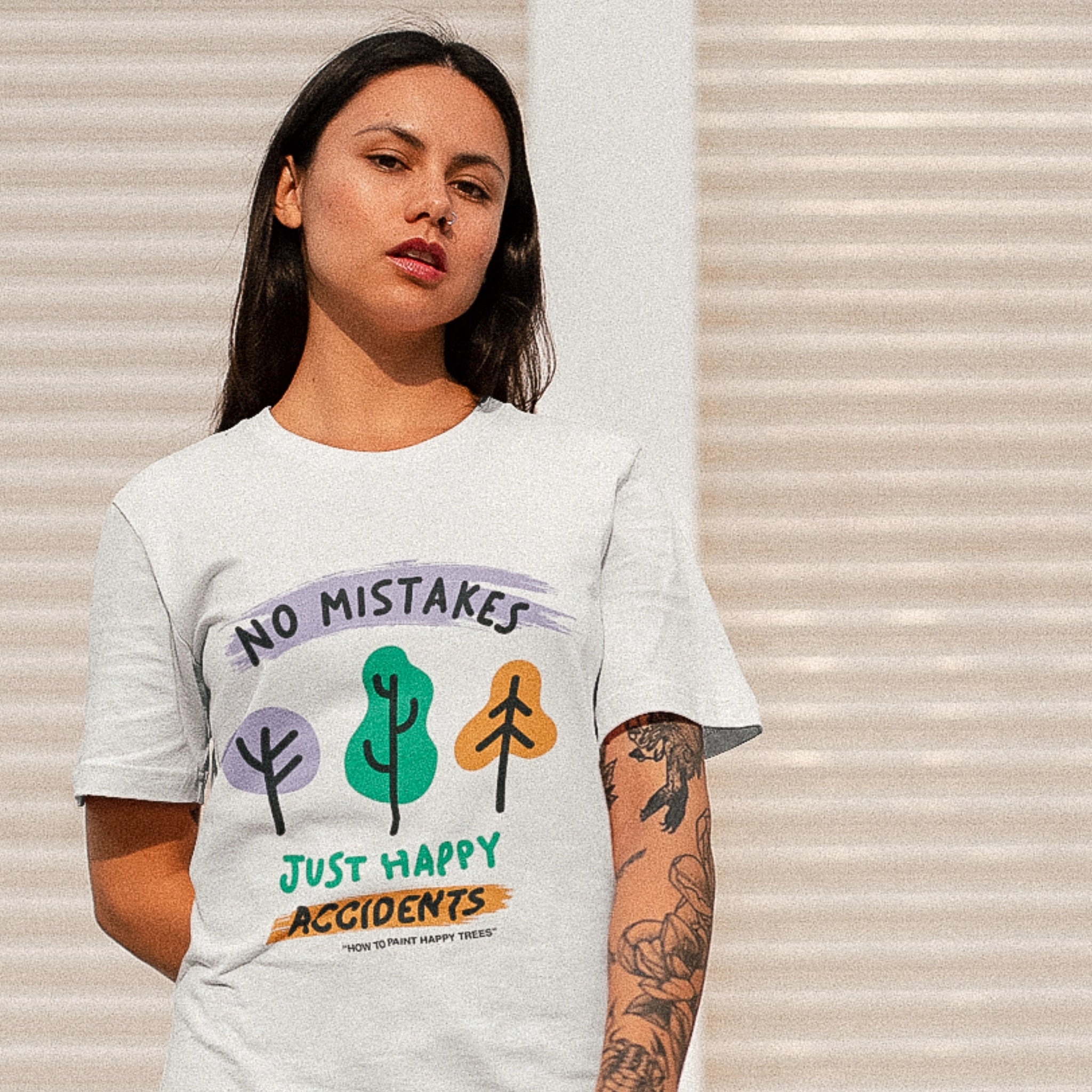
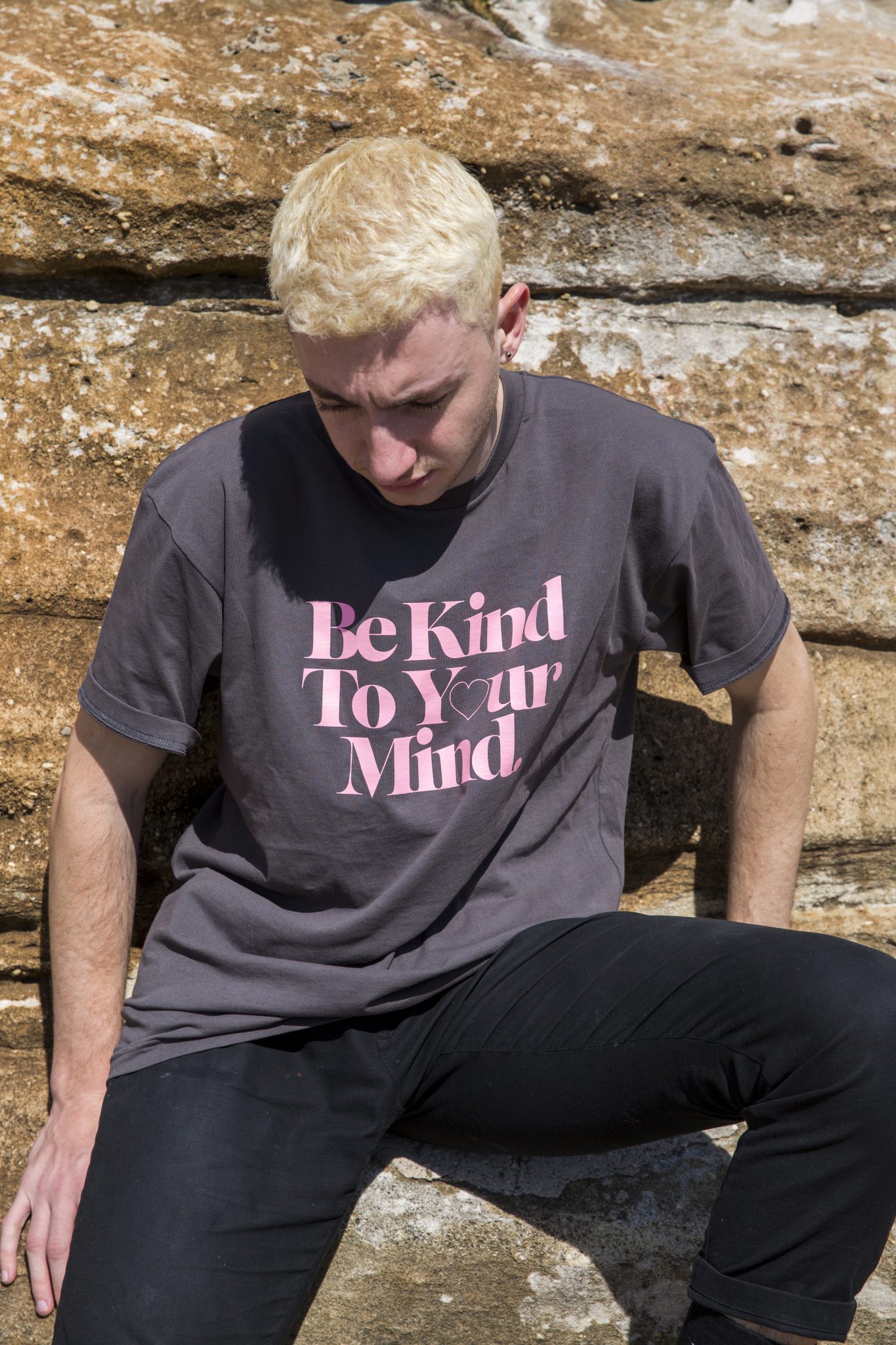
Lonely Kids Club Turns 15 and Still Prints Every Order in Sydney

by the partae September 28, 2026
written by the partae

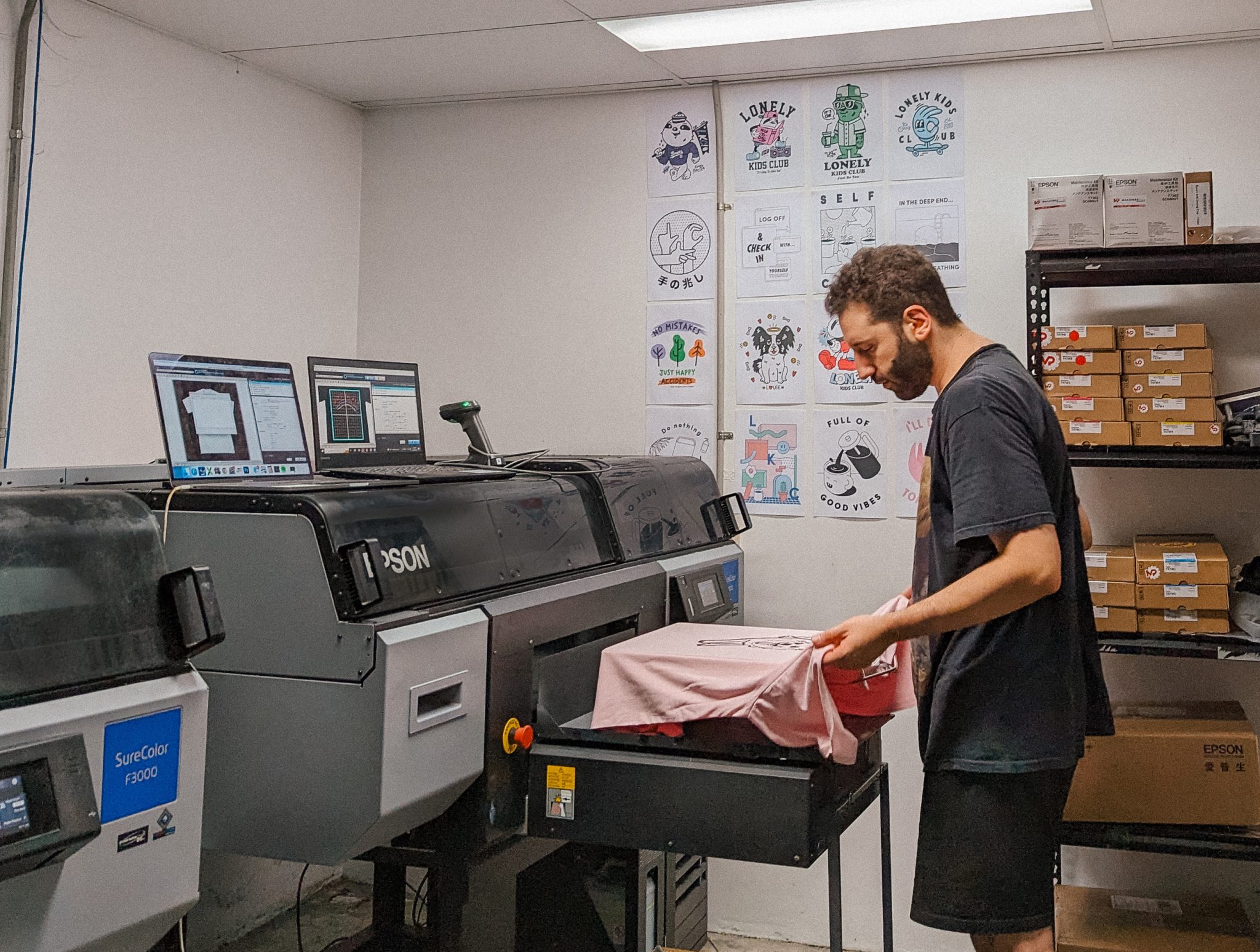
Lonely Kids Club began in 2011 because Warwick Levy loved graphic tees and wanted to make his own. Fifteen years later, the independent label is still run from a small studio in Artarmon, Sydney, where the team designs, prints, packs and ships every order.

The range is wonderfully specific. There are magpies, cockatoos and bin chickens, alongside internet jokes, custom pet portraits and artwork from independent artists. Some designs are silly. Some have something more serious to say. Quite a few manage both.

Australian birds have become a big part of the label, with illustrations by artists including Bridget Farmer sitting alongside designs that treat the local wildlife with a bit less reverence.

Every garment is printed after it is ordered, using ethically sourced blanks and water based inks. It is how the label has worked since the beginning, and it means the team does not have to produce piles of finished tees and hope somebody buys them.

The independence matters beyond the printing process. Lonely Kids Club pays the artists it collaborates with, keeps production in its own hands and has raised more than $30,000 for charities and community causes along the way.

After 15 years, Lonely Kids Club is still making the sort of shirts Warwick wanted to wear in the first place. There are just a lot more birds now.

www.lonelykidsclub.com

INSTAGRAM

www.lonelykidsclub.com

INSTAGRAM

September 28, 2026 0 comments
0 FacebookTwitterPinterestEmail
Fashion & CultureMusic News

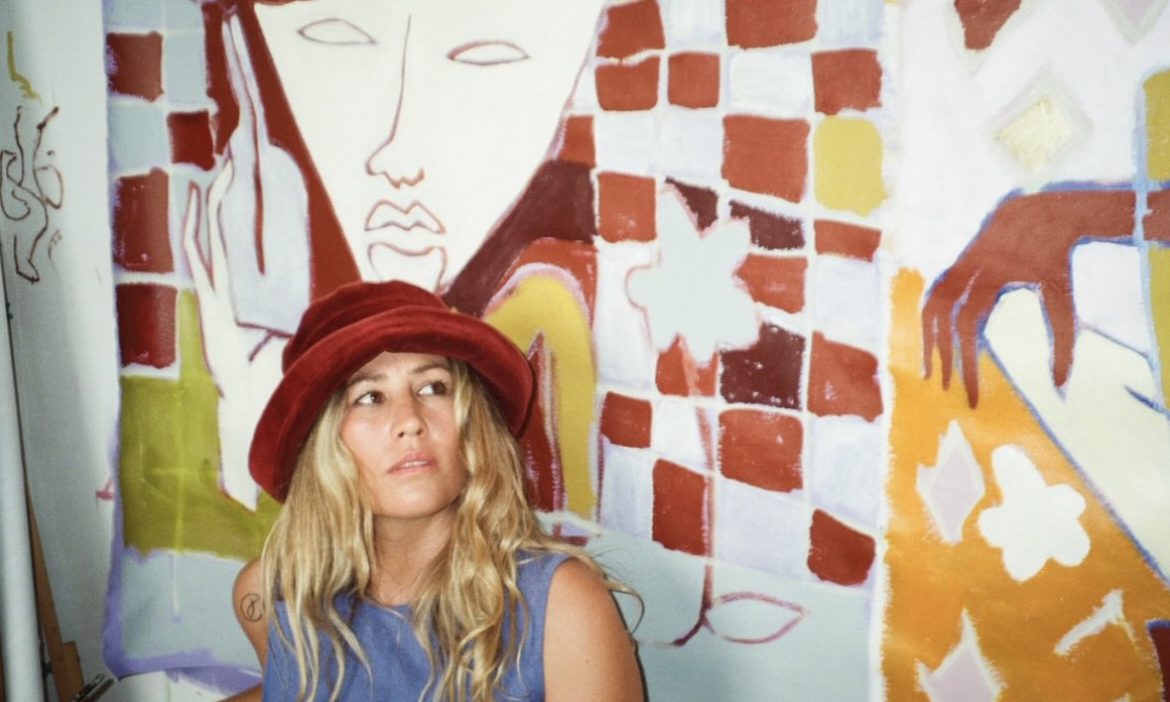
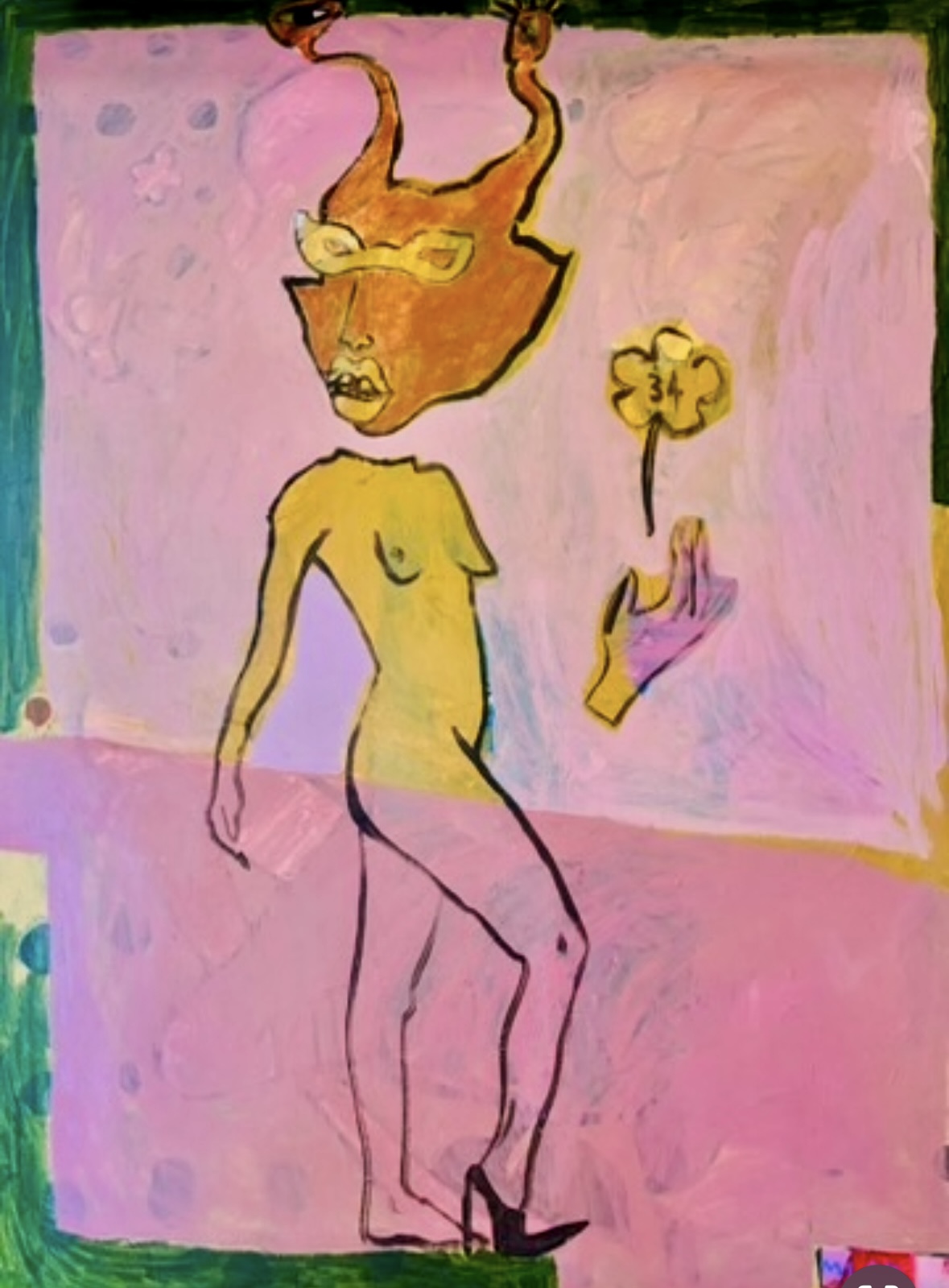
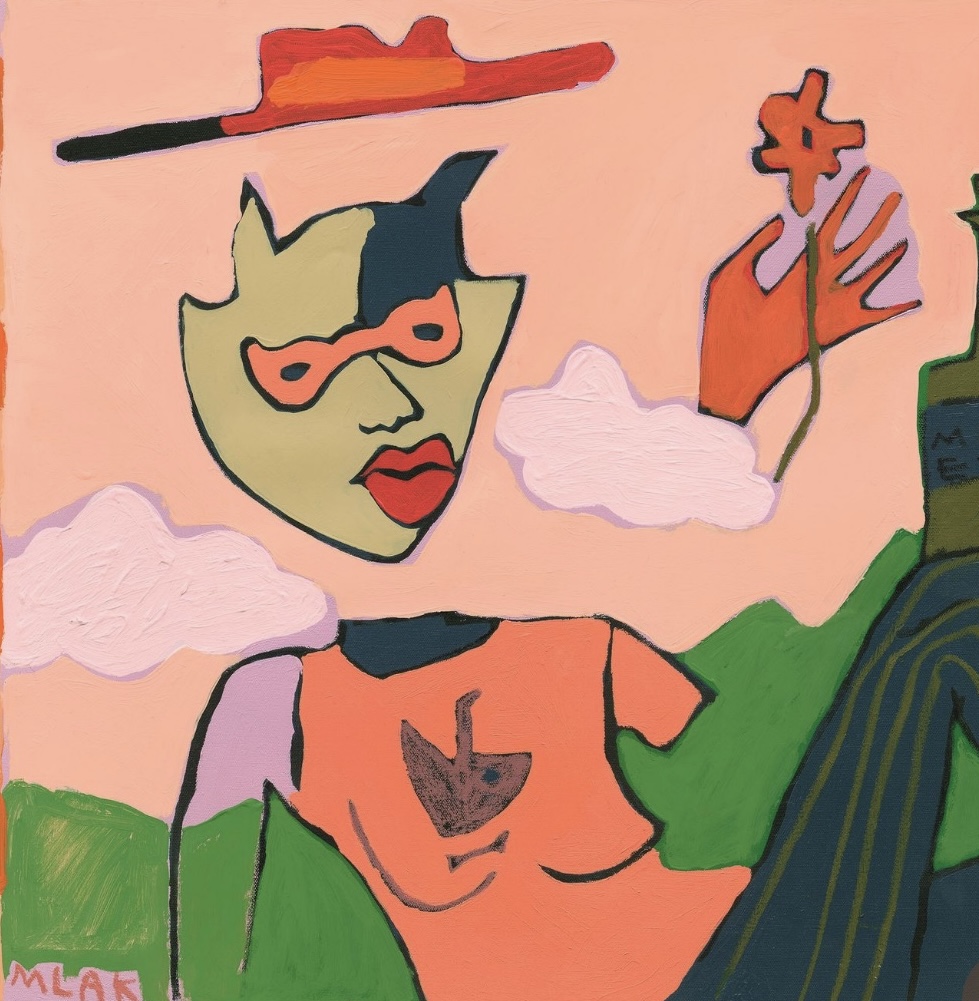
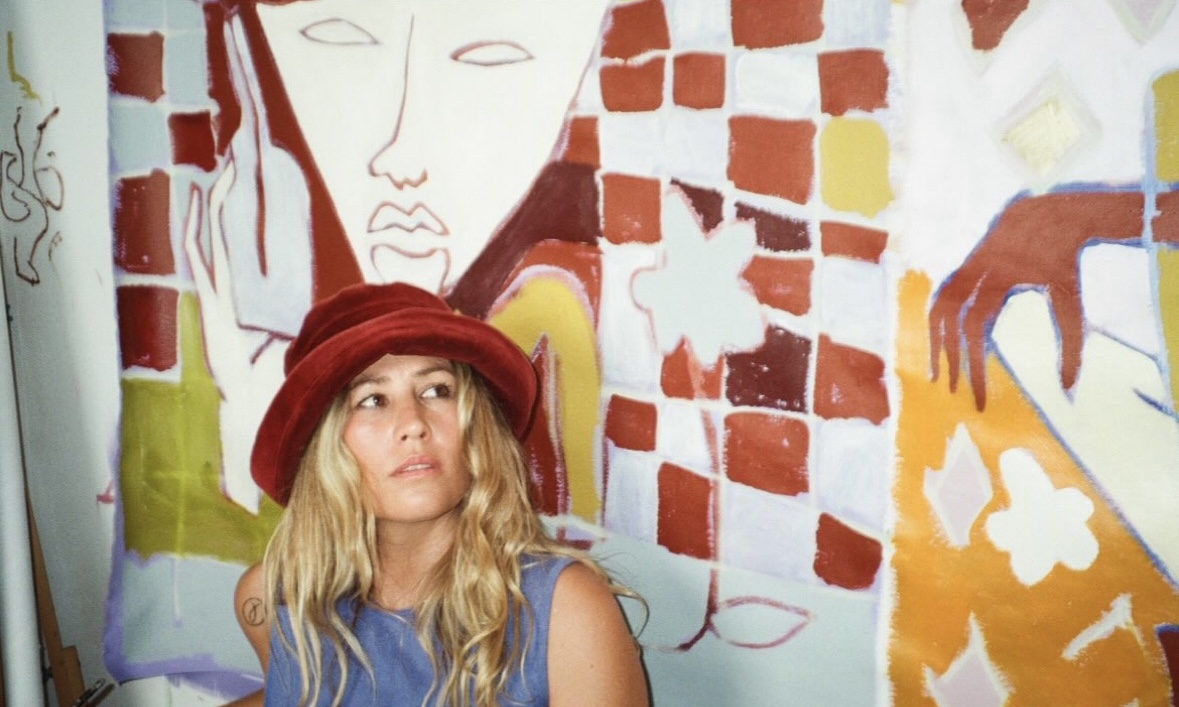
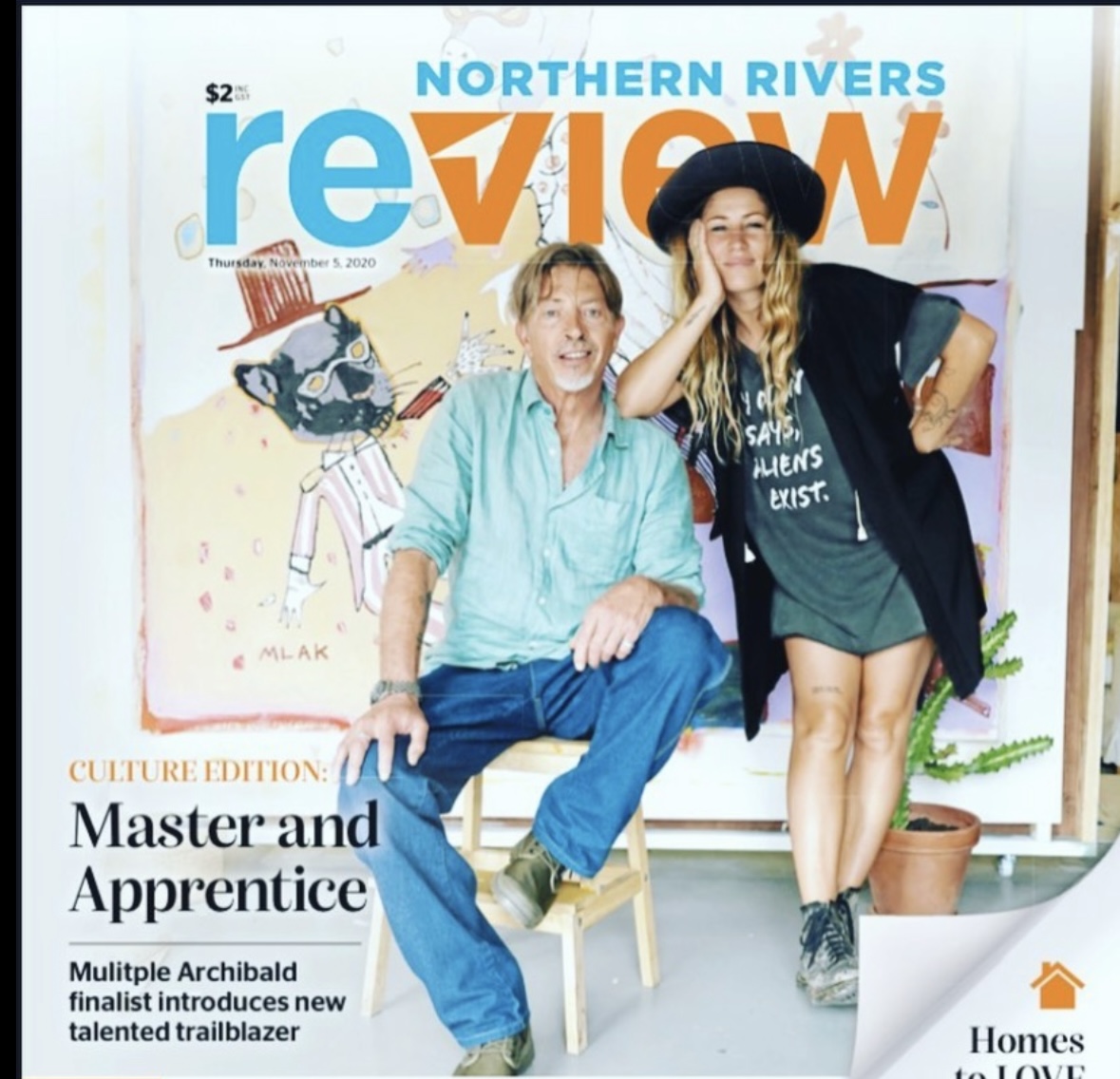
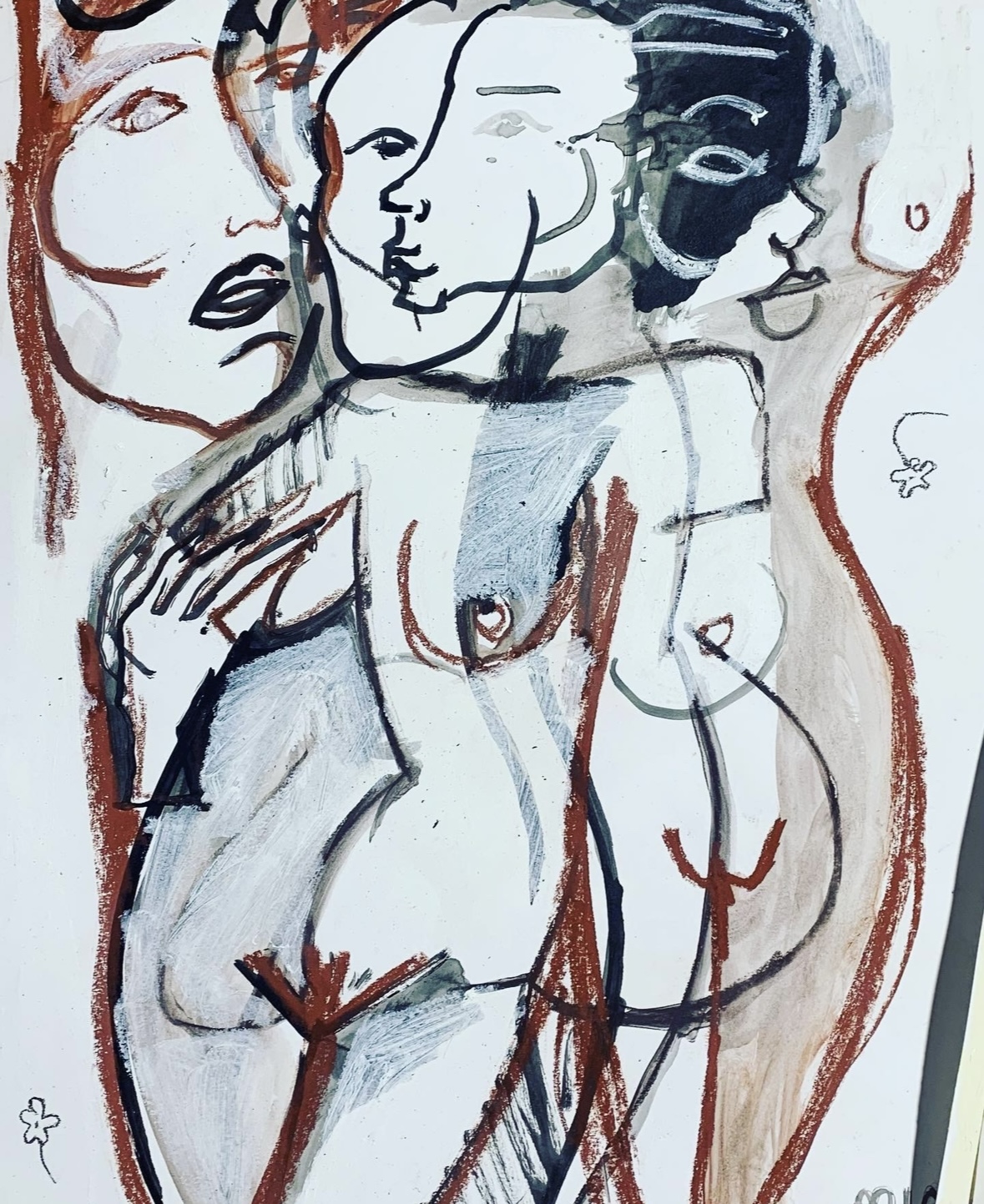
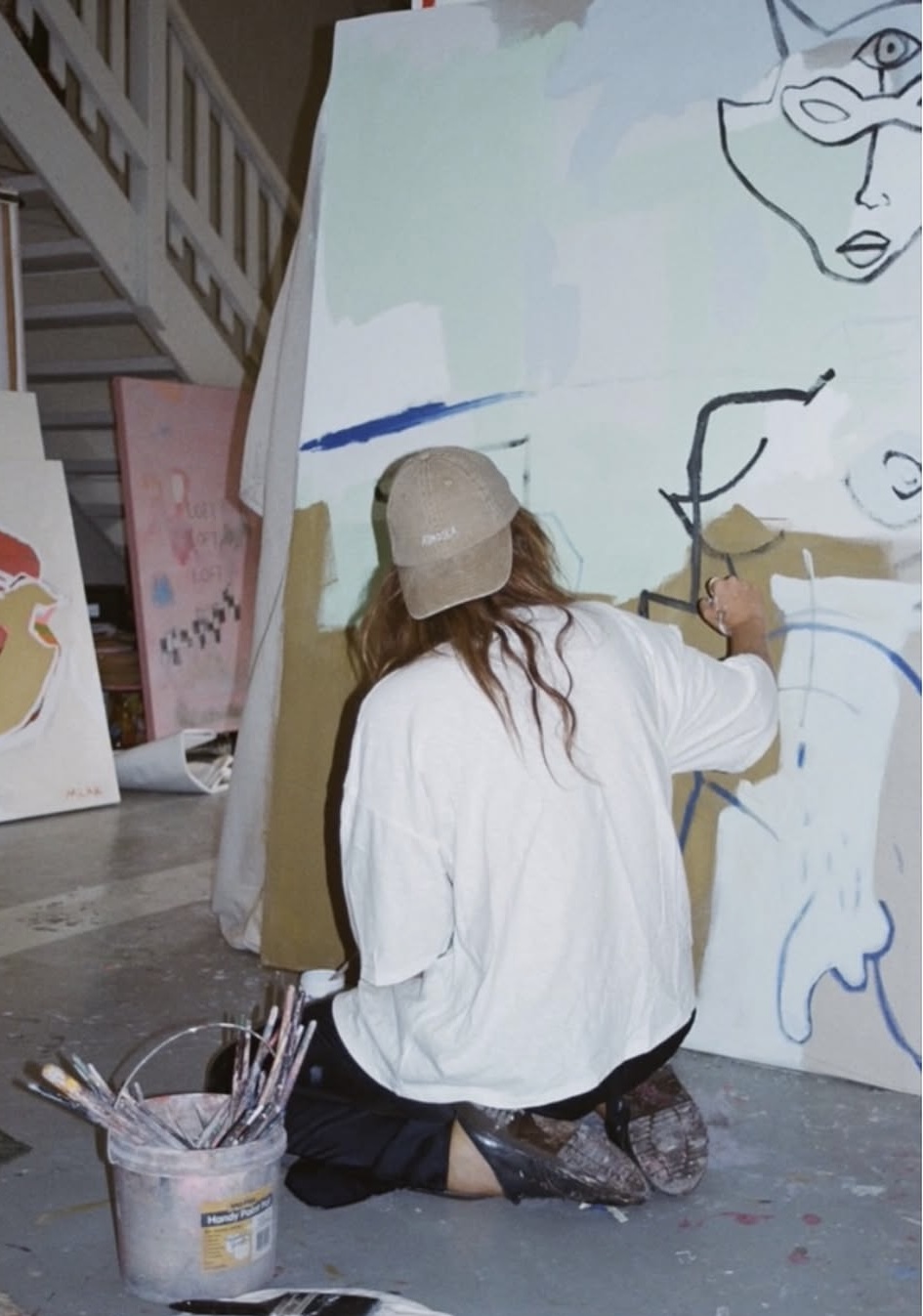
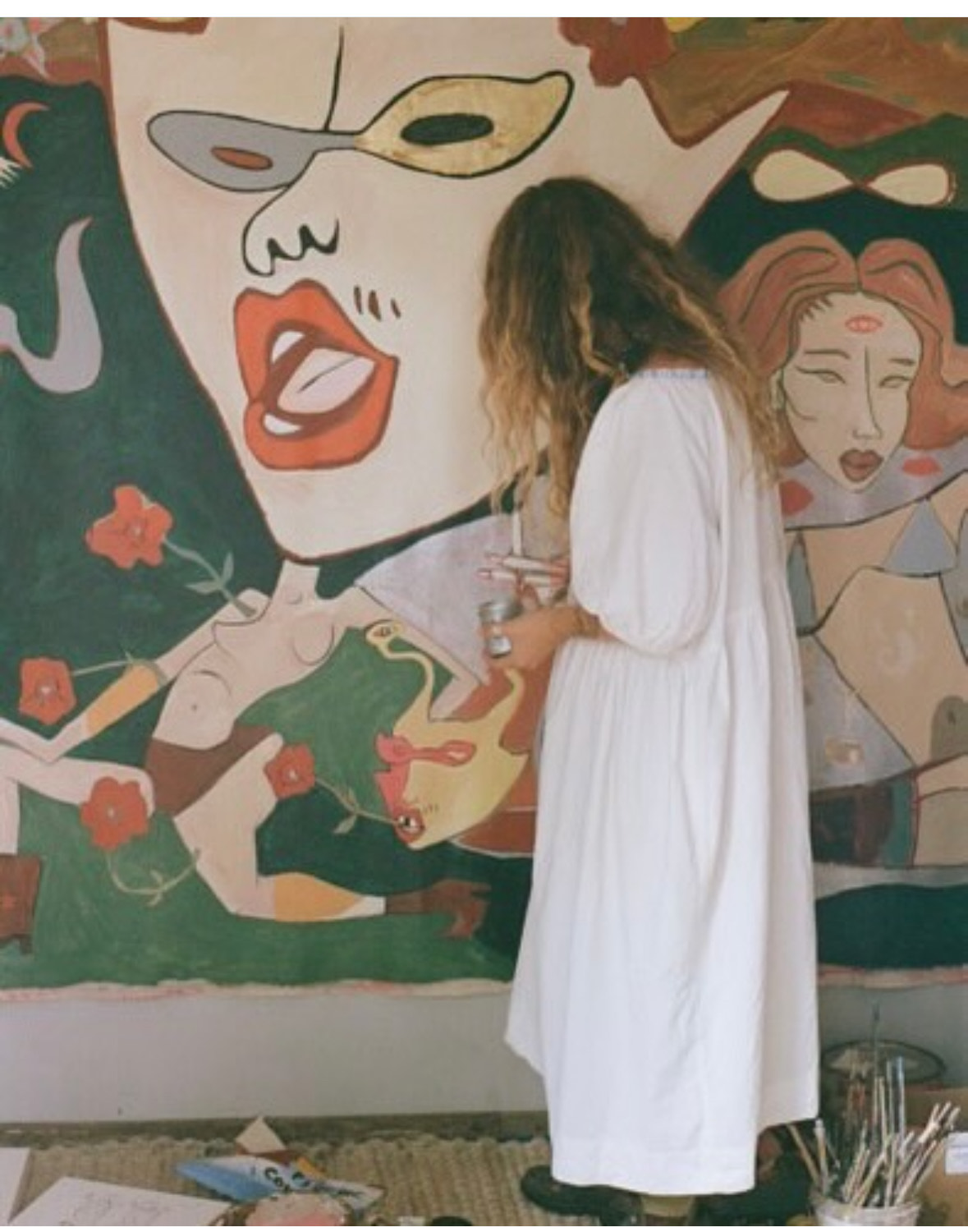
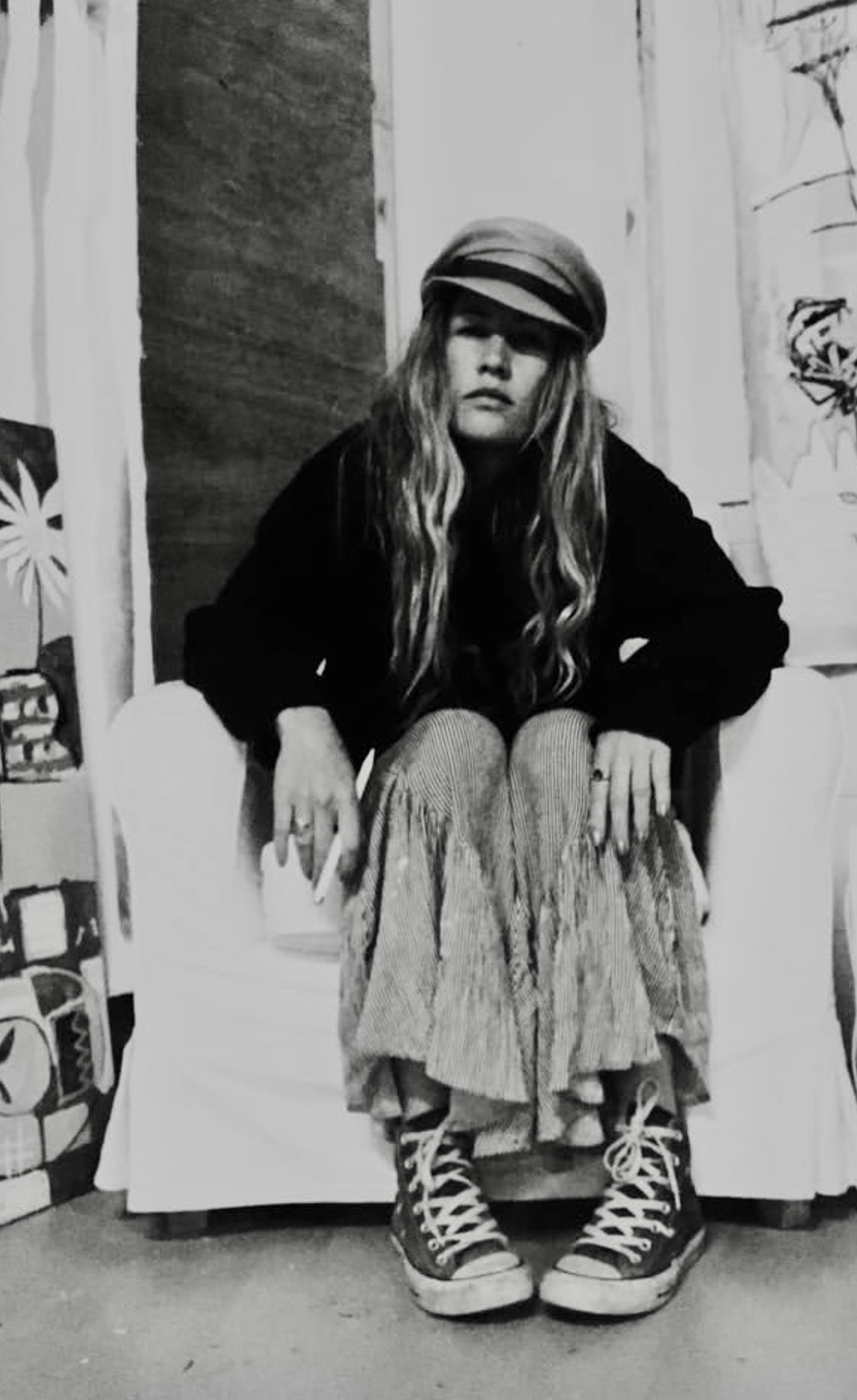
INTERVIEW: Mlak: Painting Surf, Music and the Unconscious

by the partae September 27, 2026
written by the partae

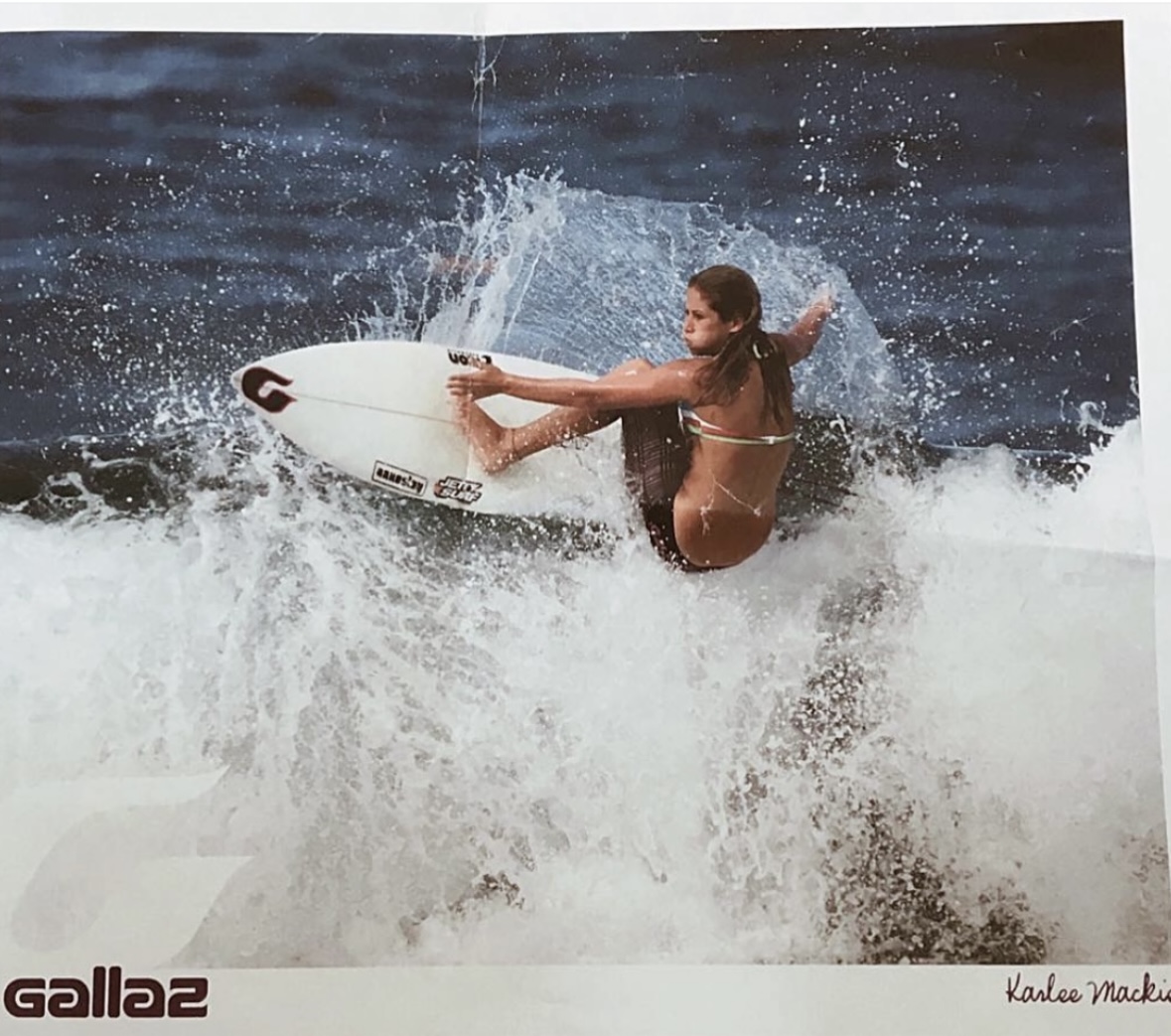
You started out surfing and travelling around the world, including competing on the world qualifying tour. When did you first realise that painting could become more than something you did alongside surfing?

When I seen the film Basquiat in NYC I didn’t know you could paint so freely which inspired me, in so many ways, I used photography poetry digital and painting together on canvas.

I was doing a local project painting the plant pots in Lennox head and was approached by Australian artist and documentary filmmaker Angus McDonald and was his assistant in his studio and also in London. This gave me the confidence and a better understanding of what was involved with working towards being a painter.

You began painting your fellow surfers’ boards while travelling on the surf tour, which eventually led to collaborations with brands. How important was that period to the artist you became?

I’m not sure how important it was, but I know I have always been pretty obsessive with things I’m passionate about. Neurodivergent fixation is real, so to paint boards was a way of life and the surf culture. I loved drawing on everyone’s boards as there was always lots of down time, and growing up in my father’s sign writing shed it’s always been apart of my up bringing music and drawing.

Your work is incredibly colourful and often surreal, with animals, characters and cosmic imagery appearing throughout it. Where do those characters and symbols come from when you’re creating?

My dad was very into fantasy, the night before I was born mum and dad went to watch the dark crystal at the movies. My dad always drew funny cartoons and Viking characters. His favourite and most influential was and still is his left hand waves, large mushrooms and a funny goblin surf dude and a snail with a pipe. He also wrote poetry with these scenes. Dad’s work is colourful also.

When you start a new piece, how much do you have planned before you pick up the brush, and how much happens instinctively as the painting develops?

when I was younger I would never have much of a planned idea and just drew, it would mainly be waves or weird characters also, but for my work now days it’s mainly 80% commissions and co created with the clients. So it’s done digitally to save time with this process.

My favourite is to start without using much idea of what will happen.

You’ve worked across painting, poetry, surfboards, fashion and brand collaborations. Does moving between different creative mediums change the way you approach your work?

most of my work is inspired by music or words.

So the approach has always been heavily influenced by music, be it to get to the zone out space and work intuitively or for inspiration,

Sounds a bit woo woo crazy but my grandmother was very psychic and we would always converse about nature, and ways of listening and living. So I find music on shuffle kind of speaks to me, and helps me channel into the projects or whatever.

Clairaudience.

I’ve experienced my life with it communicating to me in so many ways, be it true real or imagined – it’s like a stream of information which is my approach to my work.

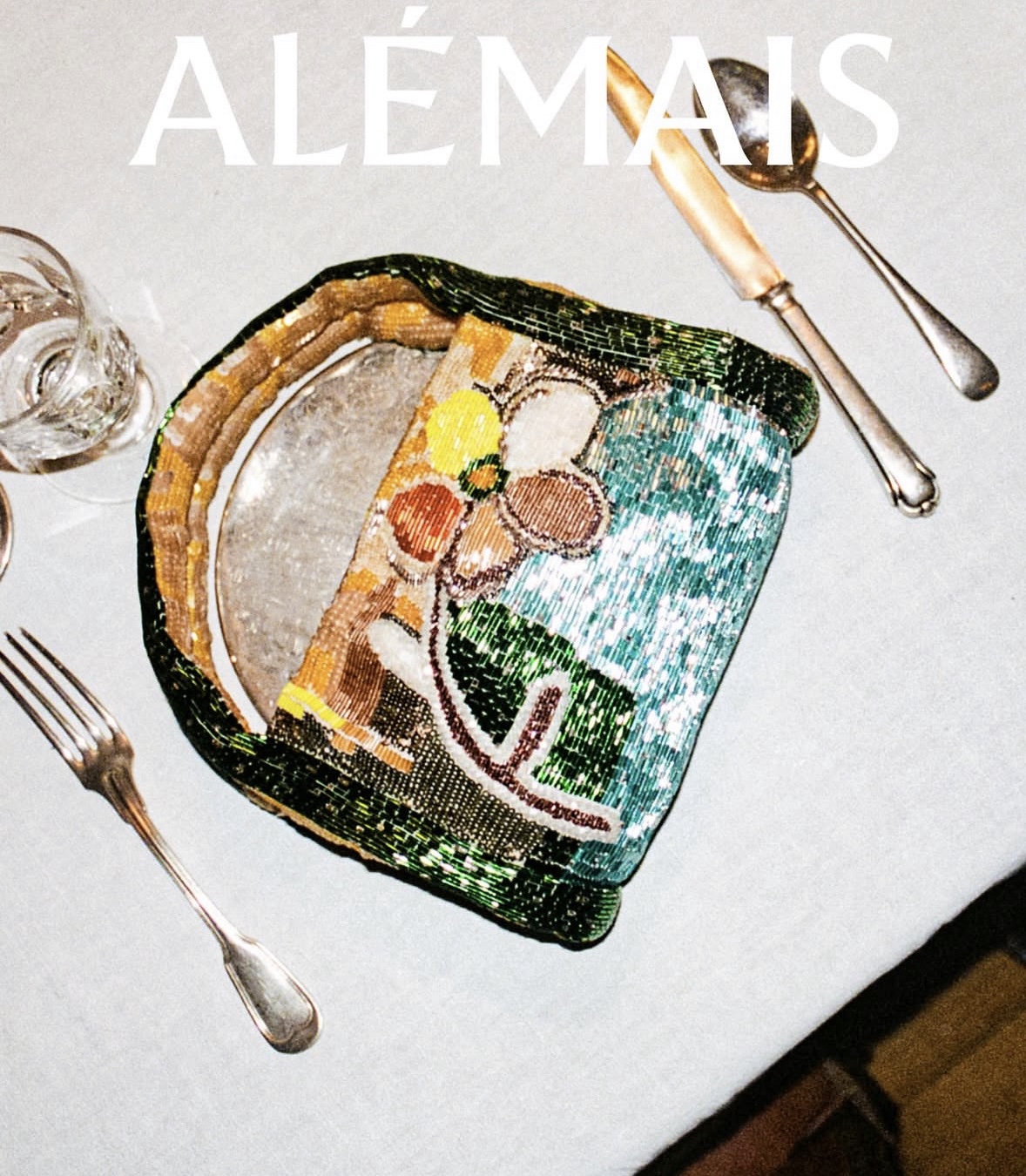
You’ve collaborated with brands including ALÉMAIS, with your artwork being translated into fashion. What is it like seeing something that began as a painting take on a completely different life through clothing?

The Alemais collab blew my mind, it’s been the most beautiful creation. The girls are so talented and creative. I had no expectations and it was such a pinch me moment, I was very grateful.

Your work often incorporates symbolism and personal ideas. Do you ever look back at a finished piece and discover a meaning that you weren’t consciously aware of when you started it?

All the time, I have had people ask why I paint things, as they hadn’t told me about them and somehow they just end up on the artwork.

Like last minute manic changes to The original design. One example

Ex pro surfer Kate Skarratts painting had a few fun unconscious additions, her son Ash Wilcombes nick name is Moo and for some reason I changed his suit from blue to a cow pattern, and I threw a snail in it as the last thing I did to it. Kate called me and asked why I did those changes, as she had just done a parasite cleanse to a specific one that comes from snail poo and shared Ash’s nickname.

Looking at your work, which often incorporates symbolism and personal ideas, do you ever look back at a finished piece and discover a meaning that you weren’t consciously aware of when you started it?

All the time, I have had people ask why I paint things, as they hadn’t told me about them and somehow they just end up on the artwork.

Like last minute manic changes to The original design. One example

Ex pro surfer Kate Skarratts painting had a few fun unconscious additions, her son Ash Wilcombes nick name is Moo and for some reason I changed his suit from blue to a cow pattern, and I threw a snail in it as the last thing I did to it. Kate called me and asked why I did those changes, as she had just done a parasite cleanse to a specific one that comes from snail poo and shared Ash’s nickname.

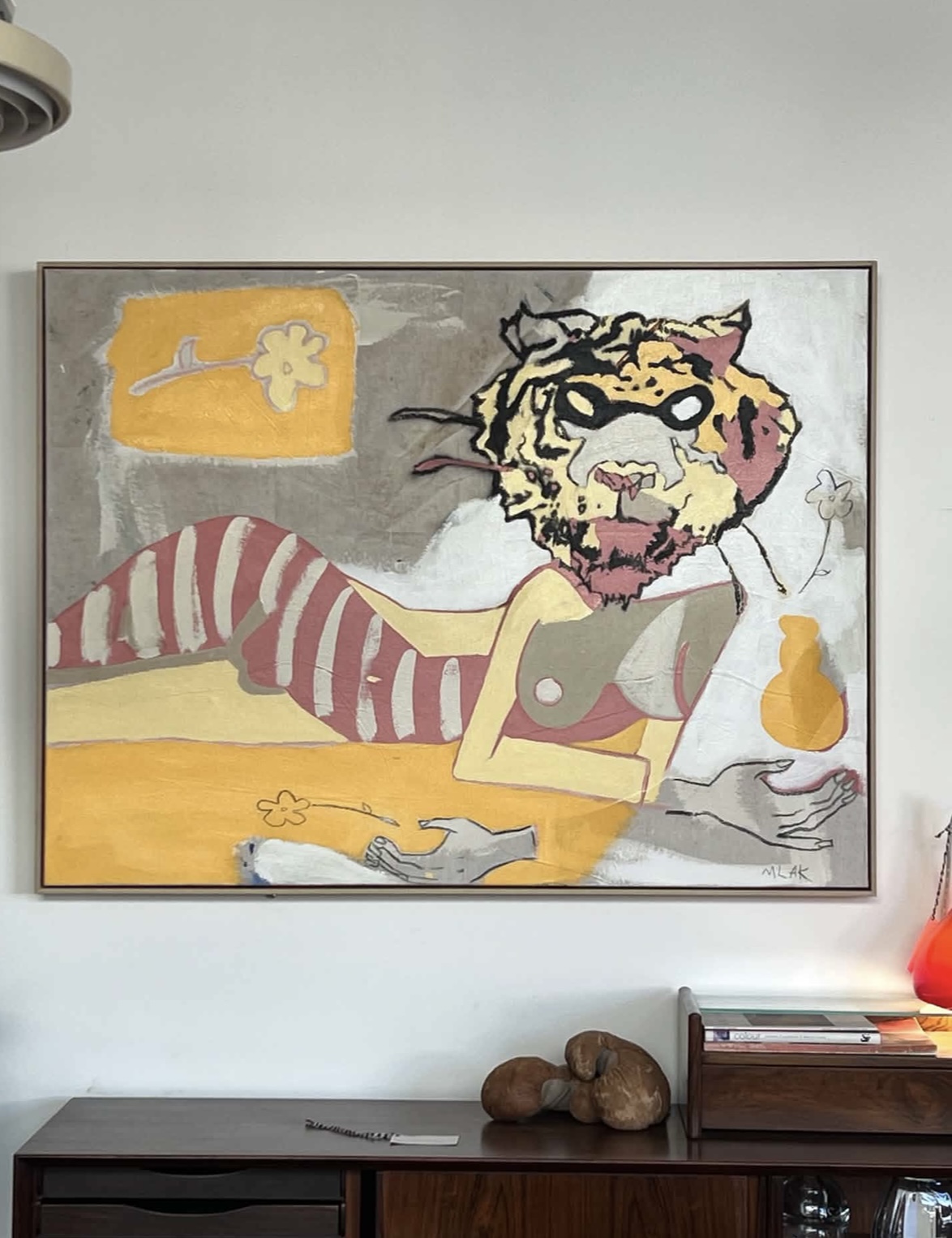
The 2025 solo exhibition Psychic Cowgirl Cat explored a surreal world of cosmic cowgirls, masked tigers and mystical figures, with themes including fate and freedom. What was happening creatively for you when that body of work began to take shape?

That show was a fun playful tongue in cheek show as regards to the name, I was asked to do the first show at this place called We Sell Prints, amazing print house. It almost got taken out by this cyclone, but the show went on.

The tiger is symbolic of my nan, as she was born year of the tiger in Chinese astrology. I’m always painting about freedom.

Surfing has been such an important part of your life and creative journey. Do you think the ocean and your experiences travelling through surf culture still influence the way you make art today?

You’ve already taken your work in so many different directions. What’s something you’ve never done creatively that you’d really like to try?

Absolutely it has, influenced my art, and then I feel I resisted anything surf related, but it’s swinging back round, and I’m fully embracing it. I’ve a lot to be thankful for with experiencing my surf chapter in life.

I’d love to cross over into bronze sculptures

And statues.

Also make crazy curated colourful creative gardens with fun statues and those English hedges shaped into words etc.

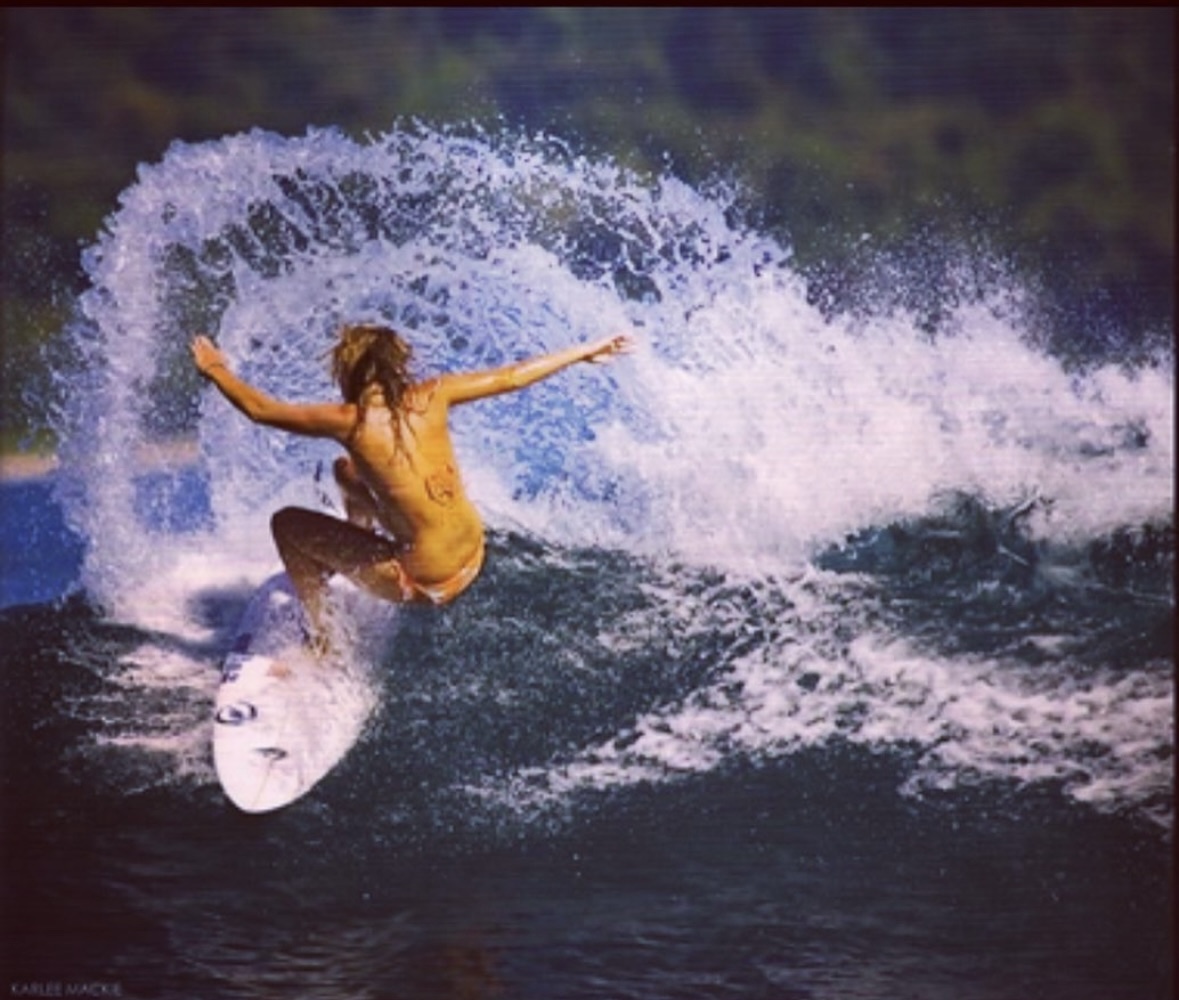
Photography: Mlak, Portia Sarris , Shannon Mackie and Danielle Rech Art Brewer, Swilly for the surf shot

WEBSITE

INSTAGRAM


September 27, 2026 0 comments
0 FacebookTwitterPinterestEmail
Fashion & Culture

Kat Krush: British Streetwear Defined by Place

by the partae September 25, 2026
written by the partae

Kat Krush is an independent British streetwear label built around what it describes as Quiet Confidence. Based in the United Kingdom, the brand takes a restrained approach to contemporary streetwear, working with heavyweight garments, oversized silhouettes and minimal graphic treatments, with an emphasis on quality, structure and longevity in design.

Rather than relying on visual noise or rapidly changing trends, Kat Krush explores how simple garments and considered details can create their own identity. Architecture and place are central to that approach, with British cities represented through materials, atmosphere, light and geographic coordinates rather than conventional landmarks or city imagery.

The idea behind Kat Krush came from founder Peter, who had previously built and sold a consumer-facing business before moving into other ventures. Over time, he found he missed the challenge of developing something from the ground up and, particularly, the direct connection that comes from creating a product people genuinely respond to.

Clothing and design became his next challenge. Peter felt there was room for a more minimalist approach, centred on good quality clothing with designs that have longevity rather than being driven by short term trends. That thinking became the starting point for Kat Krush.

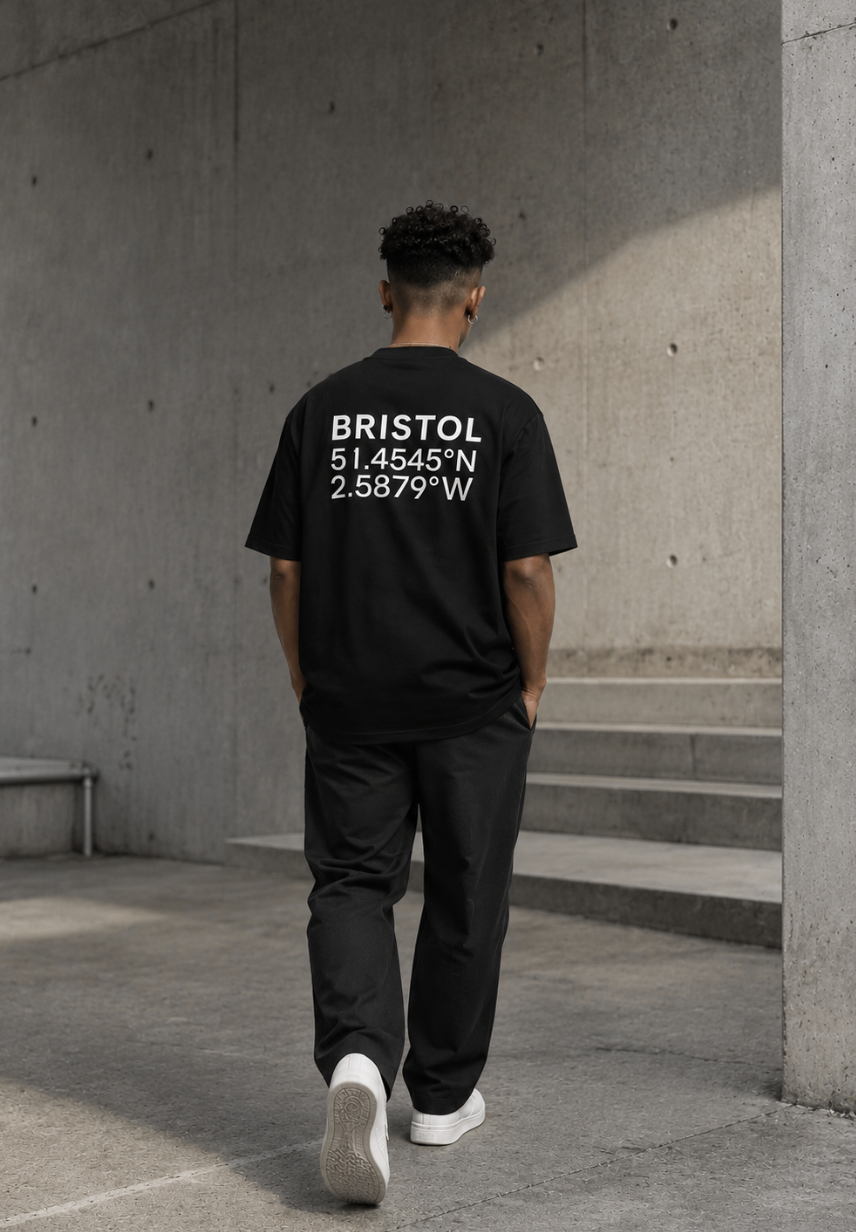
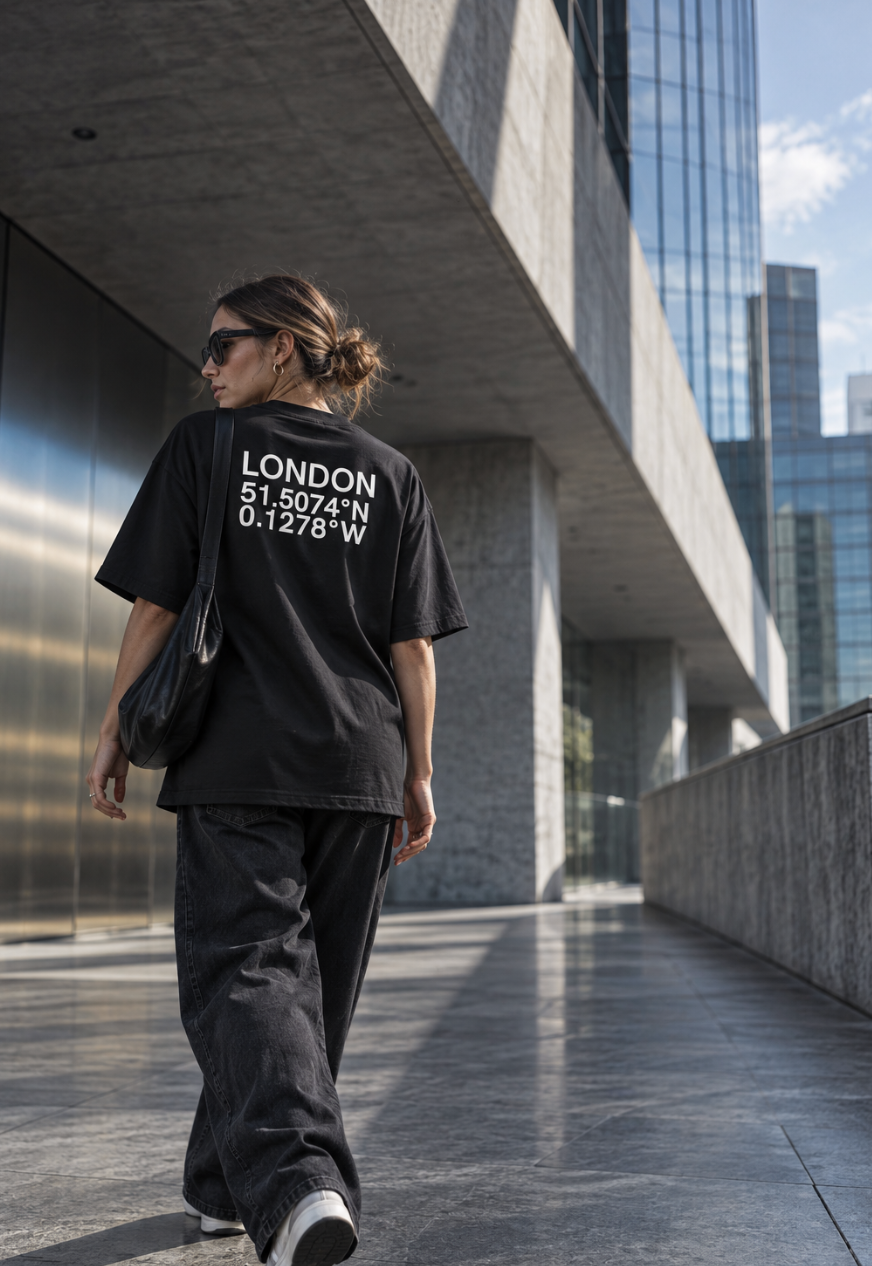
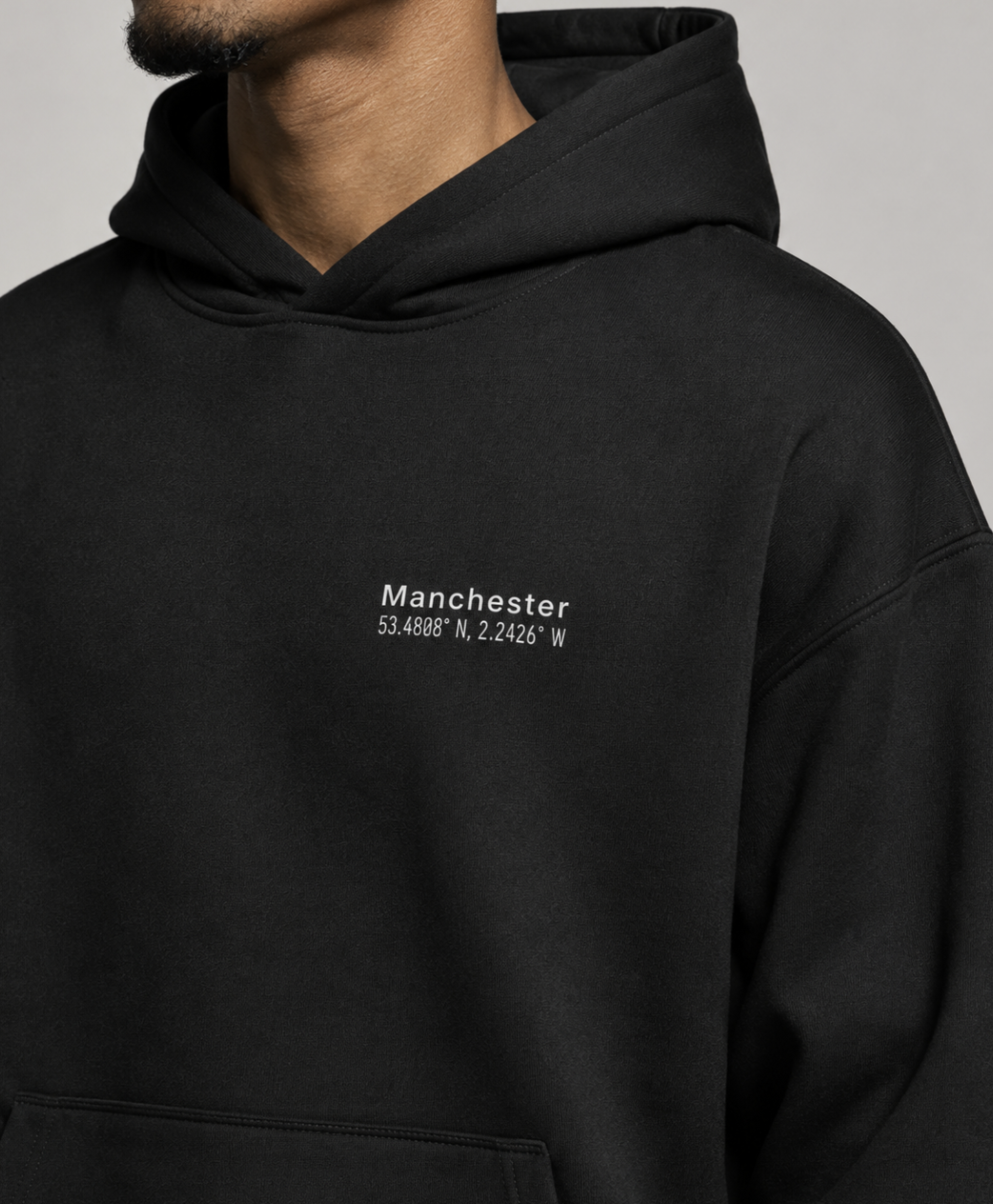
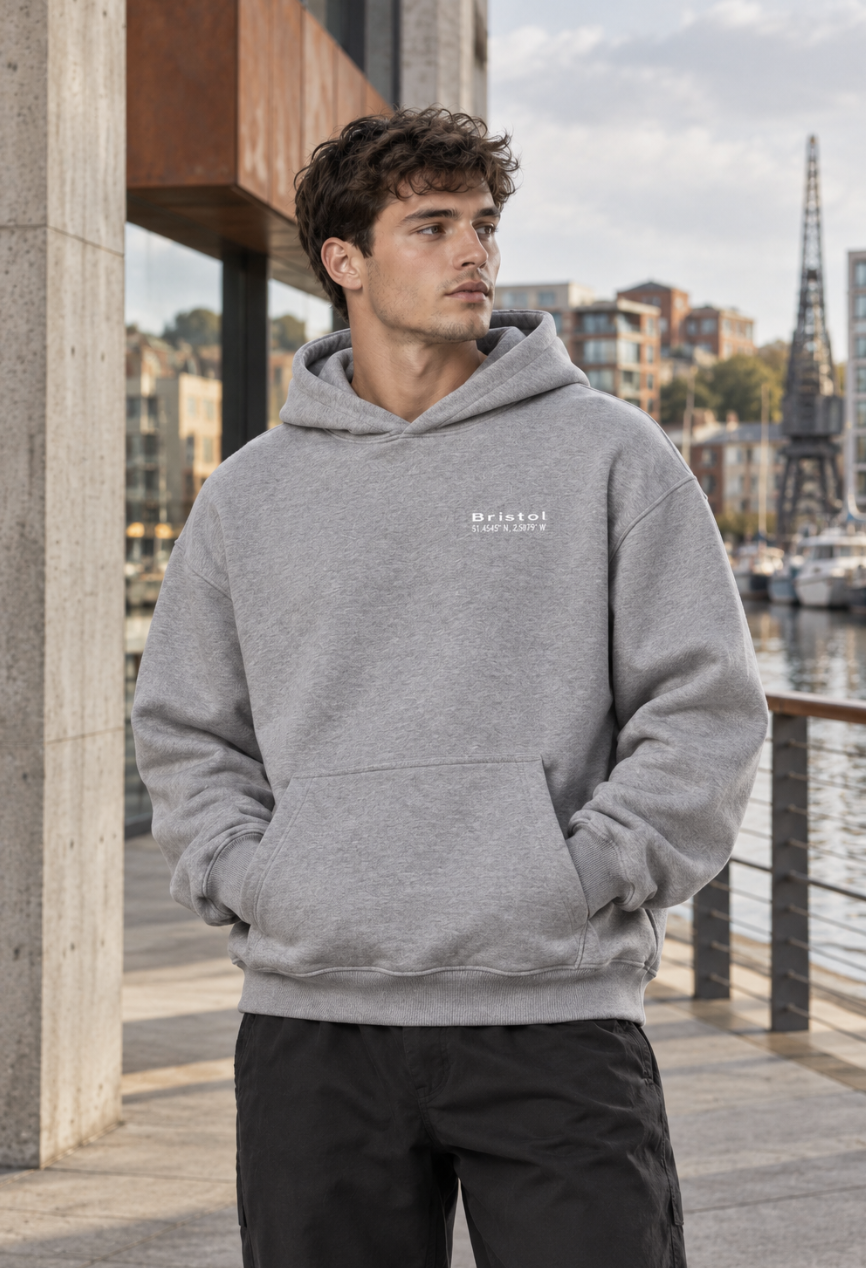
That philosophy comes through in Coordinates, a collection exploring the relationship between architecture, identity, clothing and place. It focuses on London, Manchester, Birmingham, Bristol, Liverpool and Leeds, with each city represented through its geographic coordinates and its own architectural and environmental identity.

The collection deliberately avoids treating the cities as tourist destinations. Instead of famous landmarks or souvenir style graphics, Kat Krush uses contemporary architecture, materials, light, atmosphere and movement. The brand describes the concept as “Not a souvenir of the city. An expression of belonging to it.”

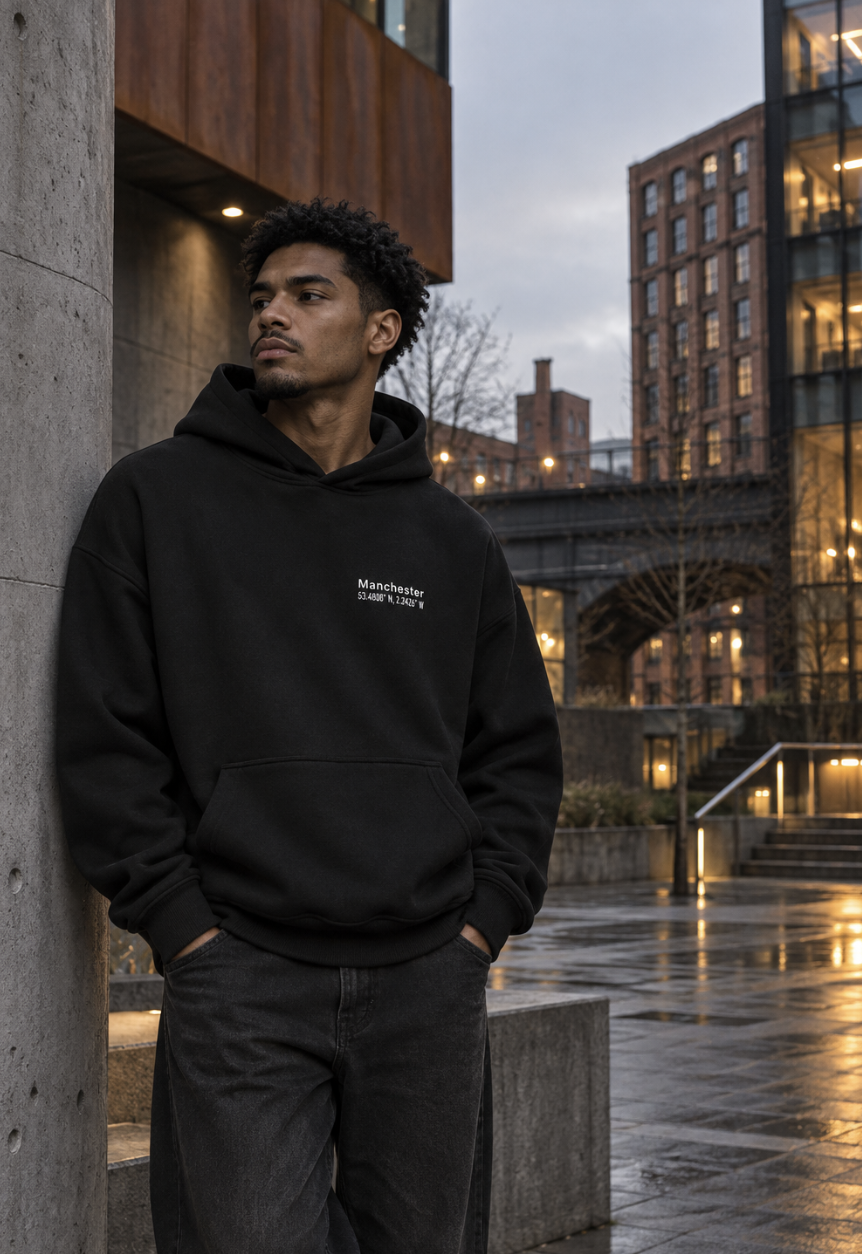
Signature takes the same idea in a quieter direction. While Coordinates uses a larger rear city treatment, Signature reduces the identity to a subtle city name and coordinates positioned on the left chest. The collection includes heavyweight oversized T-shirts and hoodies, retaining the structured silhouettes and understated branding found across the label.

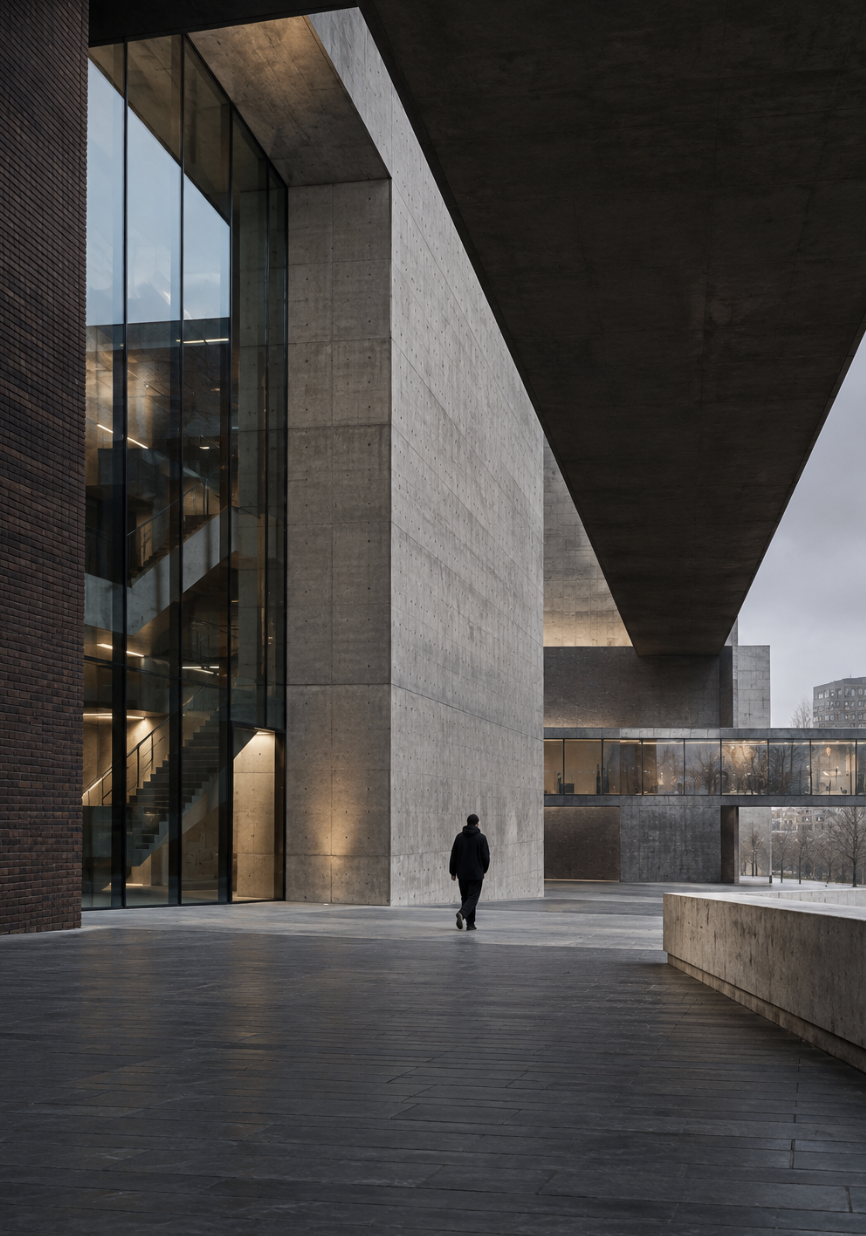
Architecture also features heavily in Kat Krush’s visual language, with concrete, brick, steel, glass, structural shadows and natural light providing the environment for the clothing. The brand draws colour from building materials, changing light, reflections, water and the surrounding city, while keeping the garments deliberately restrained.

Across the collections, the philosophy remains consistent: fewer elements, considered carefully, with an emphasis on longevity rather than constant reinvention.

Quiet Confidence. Less Noise. More Intent.

WEBSITE

INSTAGRAM

September 25, 2026 0 comments
0 FacebookTwitterPinterestEmail
Eats & DrinksFashion & Culture

YÀO Rooftop Bar: Bangkok’s Sky-High Ode to the World’s Chinatowns

by the partae September 18, 2026
written by the partae

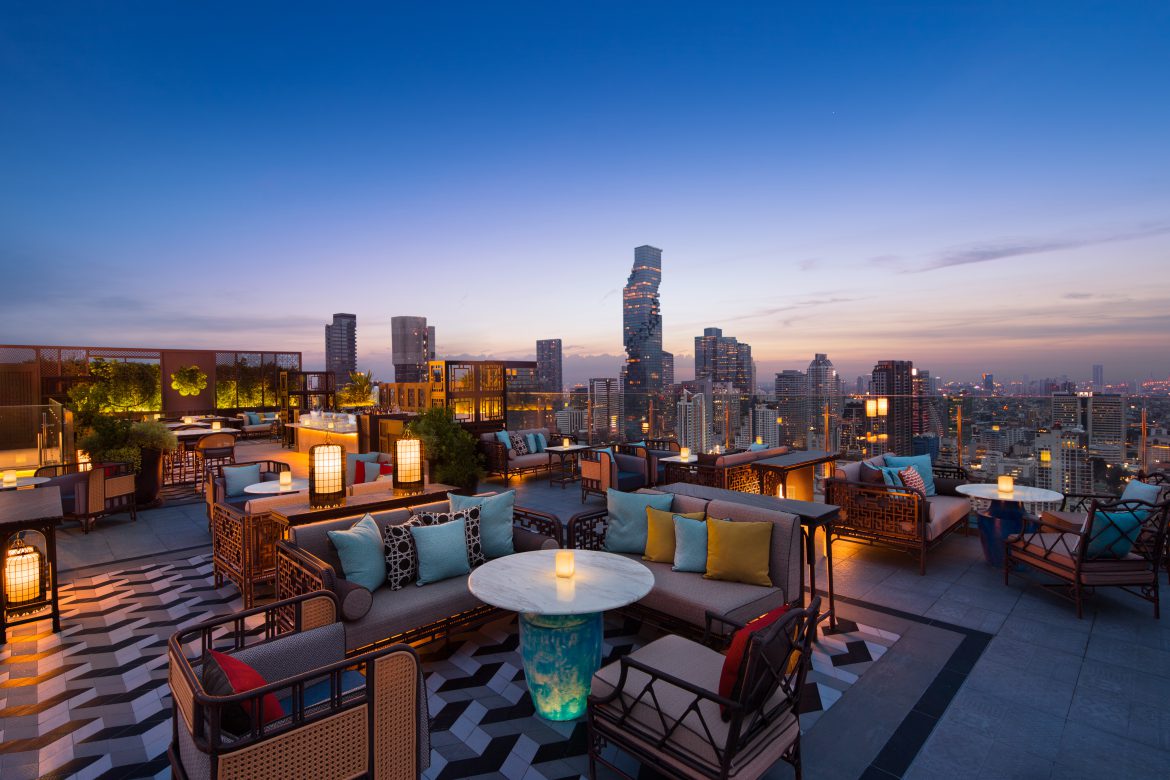
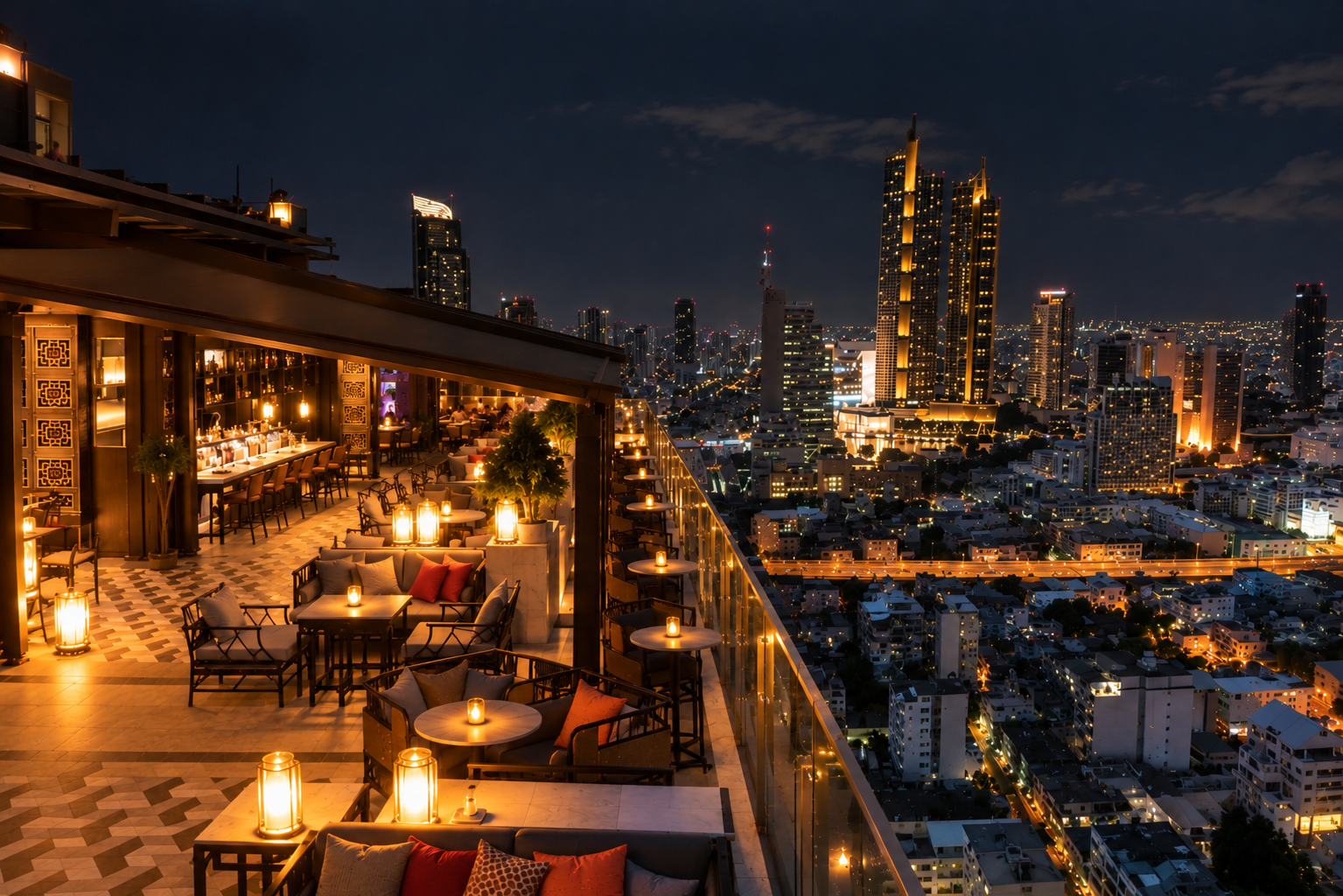
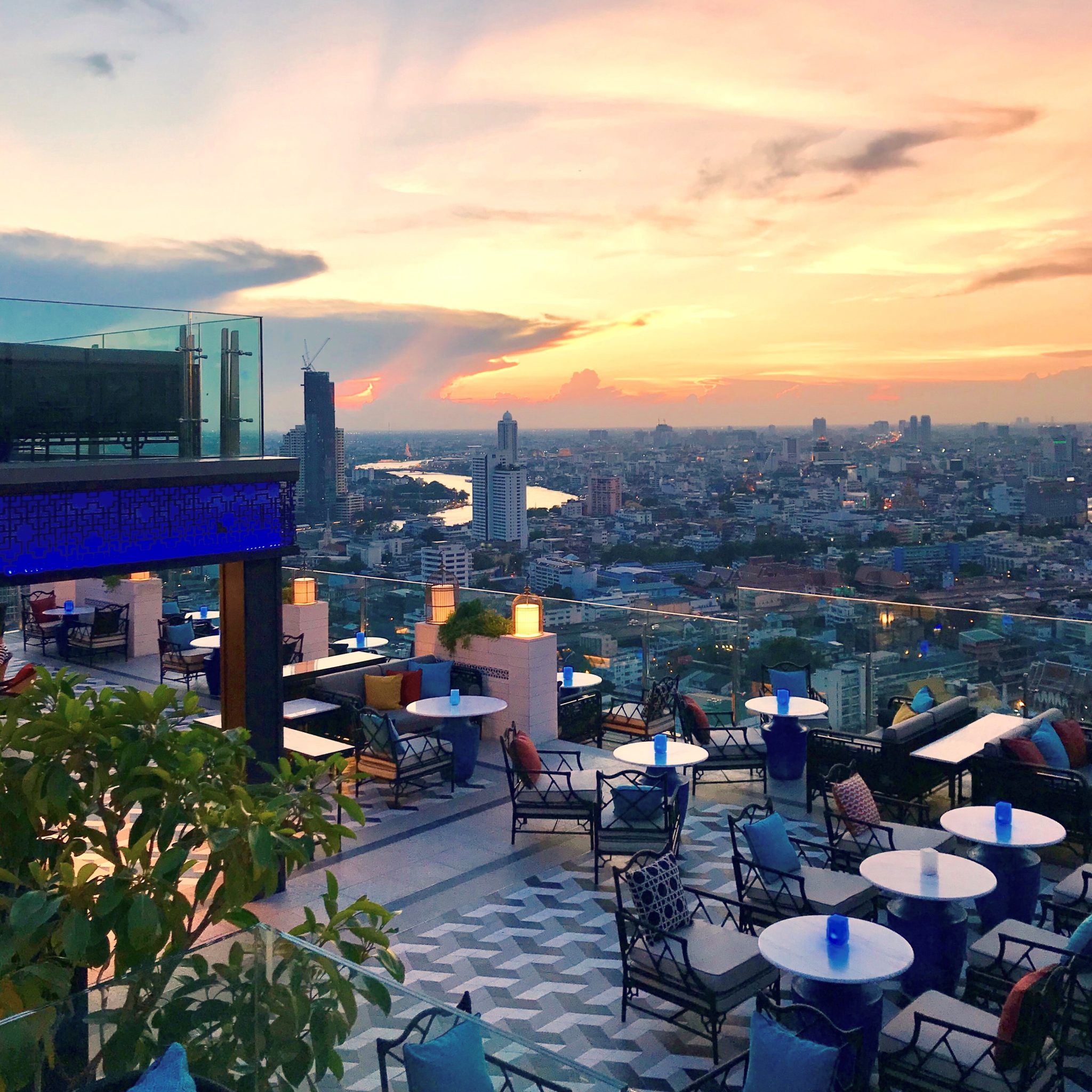
Thirty three floors above Bangkok, above the clatter of Surawong Road and the glow of the city below, YÀO Rooftop Bar & Lounge is where the skyline stops being a view and starts being the whole point of the night. Guests ride the hotel’s main lift up, then a second, smaller lift the rest of the way, arriving to a nearly complete 360 degree sweep of the city. The Chao Phraya River and the Old Town unfold on one side, Bangkok’s glittering high rises on the other. It’s the kind of arrival that makes conversation stop, if only for a second.

The design matches the drama of the view. Built around the Thai concept of “chang sip moo,” or traditional craftsmanship, and layered with a sleek, modern Shanghainese edge, the space is carved screens, sculptural detail, and Chinese ceramics spread across an open air, multi level terrace that feels equal parts lounge and gallery. A live DJ keeps the evening moving without ever tipping into club chaos, and if there’s one rule to follow here, it’s this: arrive around 5 PM, half an hour before sunset, and watch the whole city catch fire as day turns to night.

Then there’s the menu, and this is where YÀO really sets itself apart. The signature cocktail list is a passport stamped with Chinatowns from around the world, each drink built to capture the character of its namesake city in a single glass.

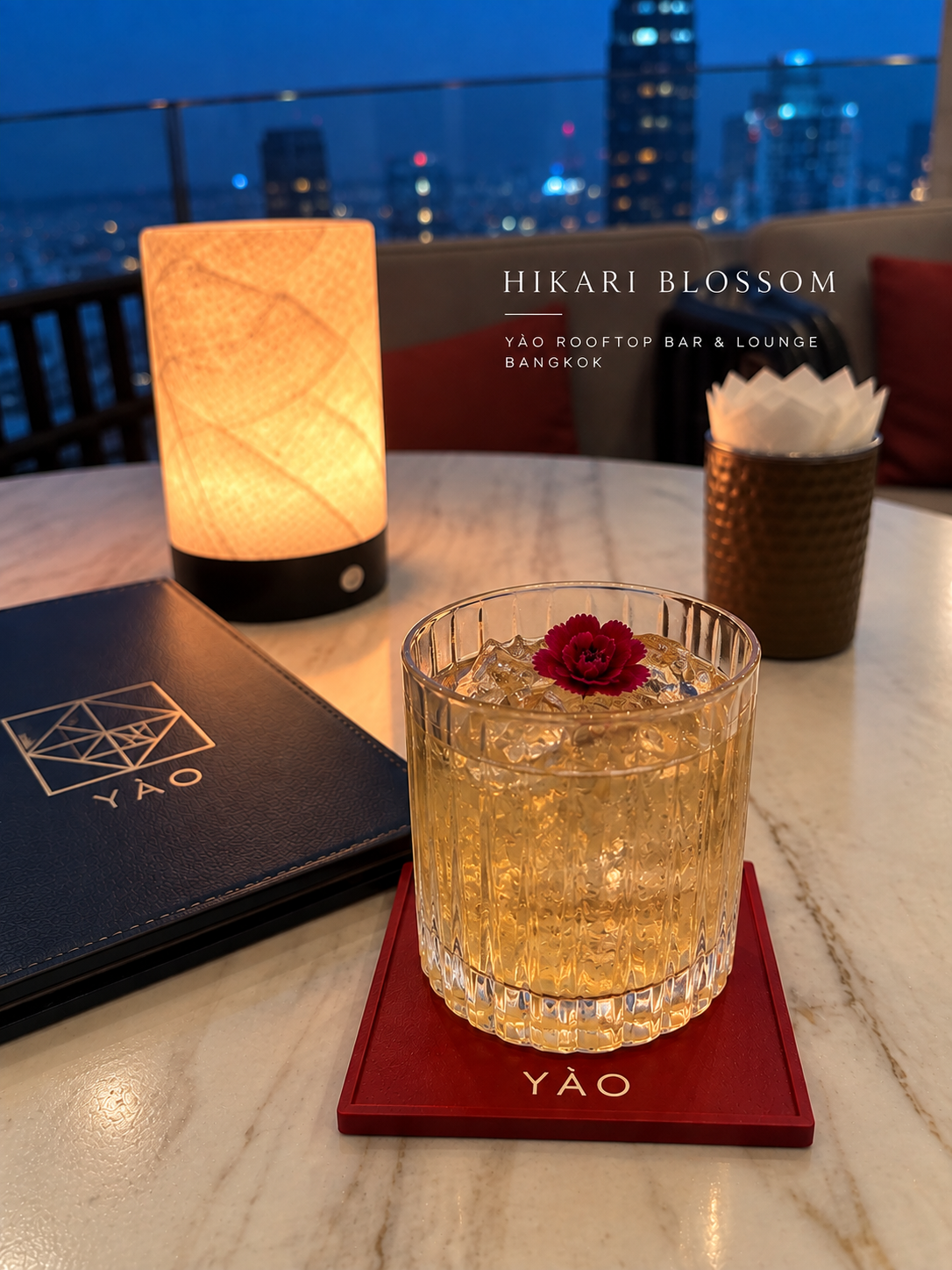
The Hikari Blossom opens things quietly and beautifully, a rocks glass poured over ice and finished with a single delicate flower.

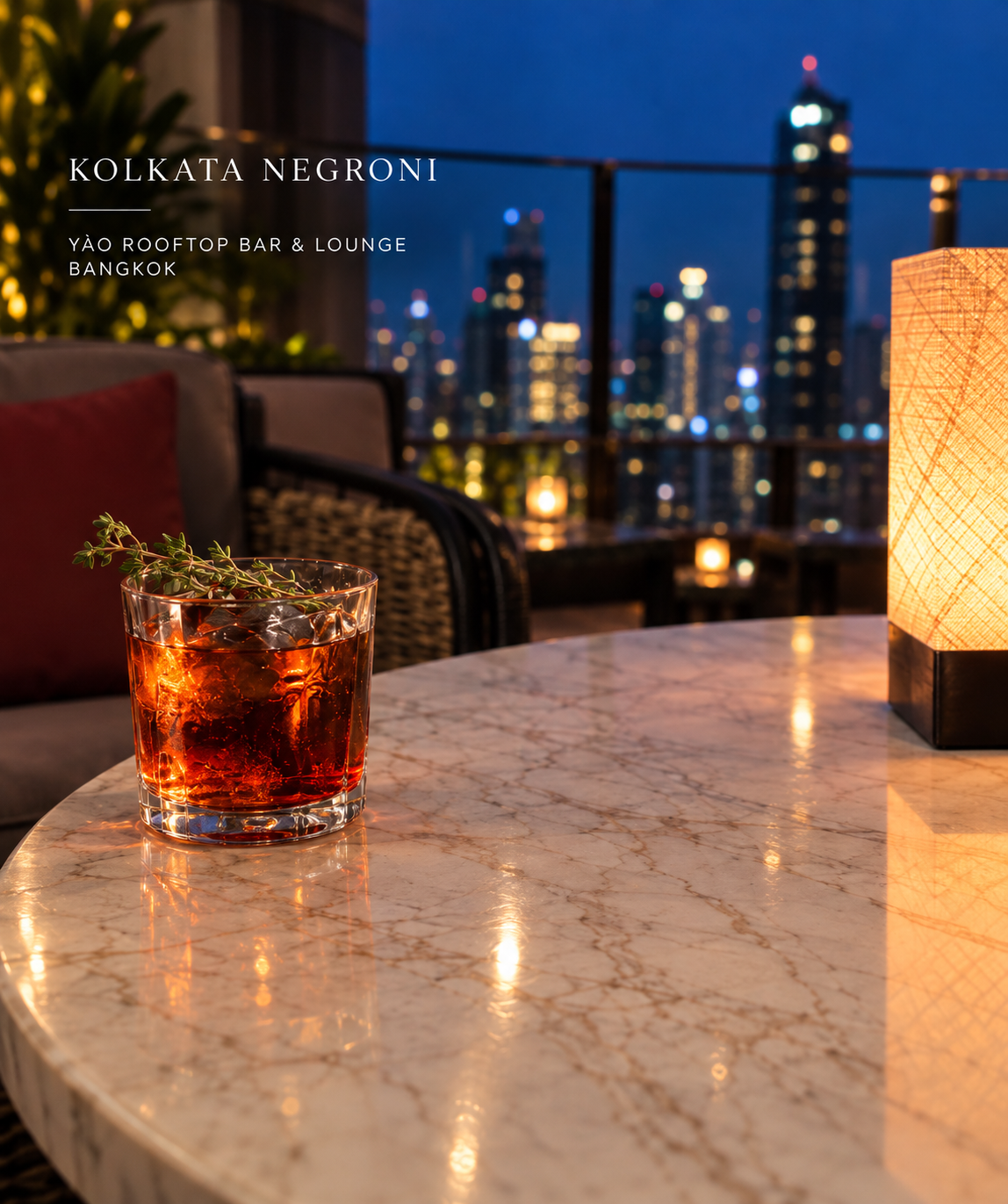
The Kolkata Negroni, one of the bar’s signatures, is deep, amber red, and unmistakably bold, finished with a sprig of thyme that lifts the whole glass.

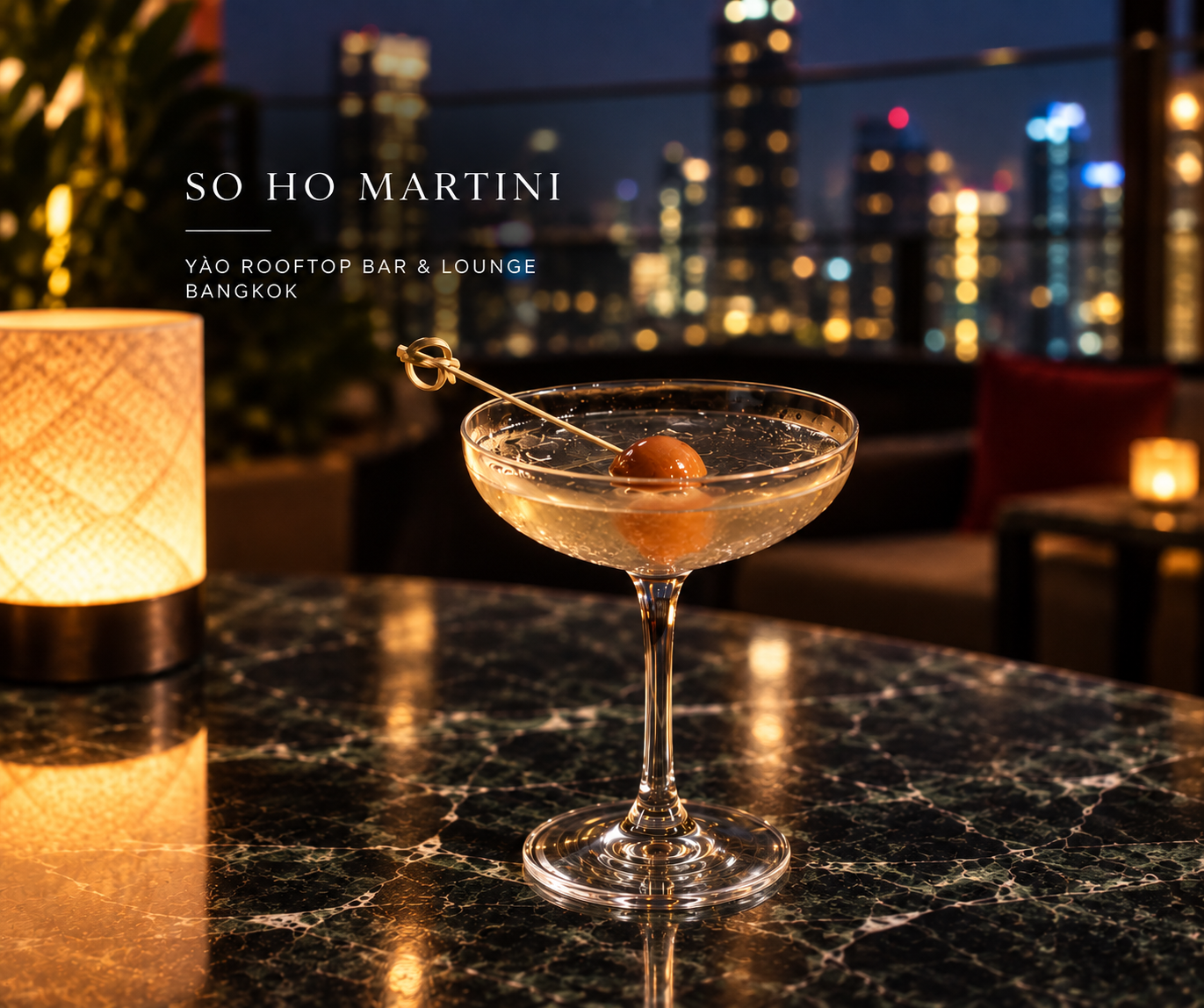
The So Ho Martini is pure, confident classicism, a coupe pour finished with nothing more than a single cherry, and needing nothing more.

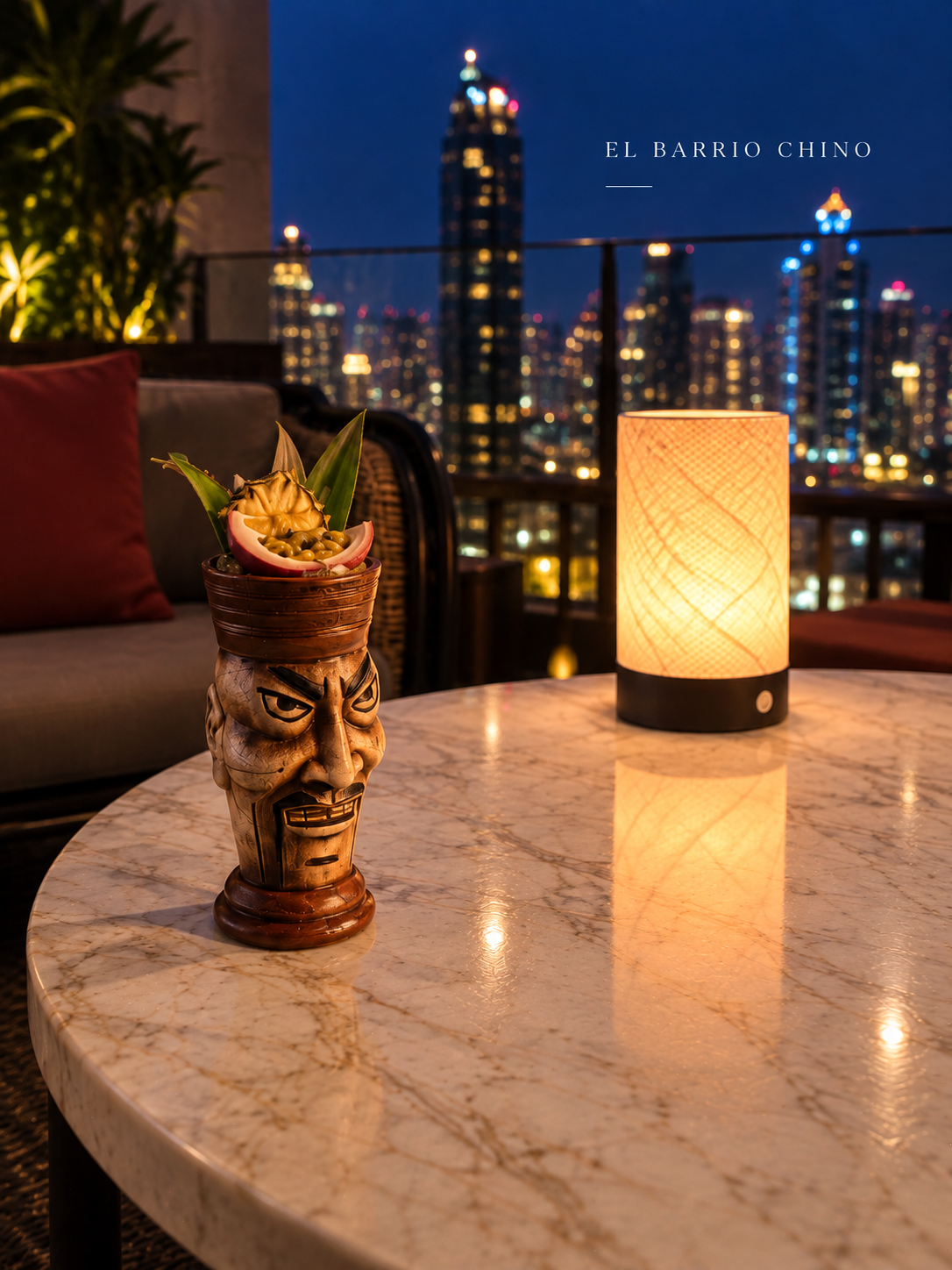
The El Barrio Chino is the showstopper of the lineup, a name borrowed from the Chinatowns of Havana and Barcelona, served in a carved tiki mug shaped like a face and crowned with pineapple and a hollowed fruit shell.

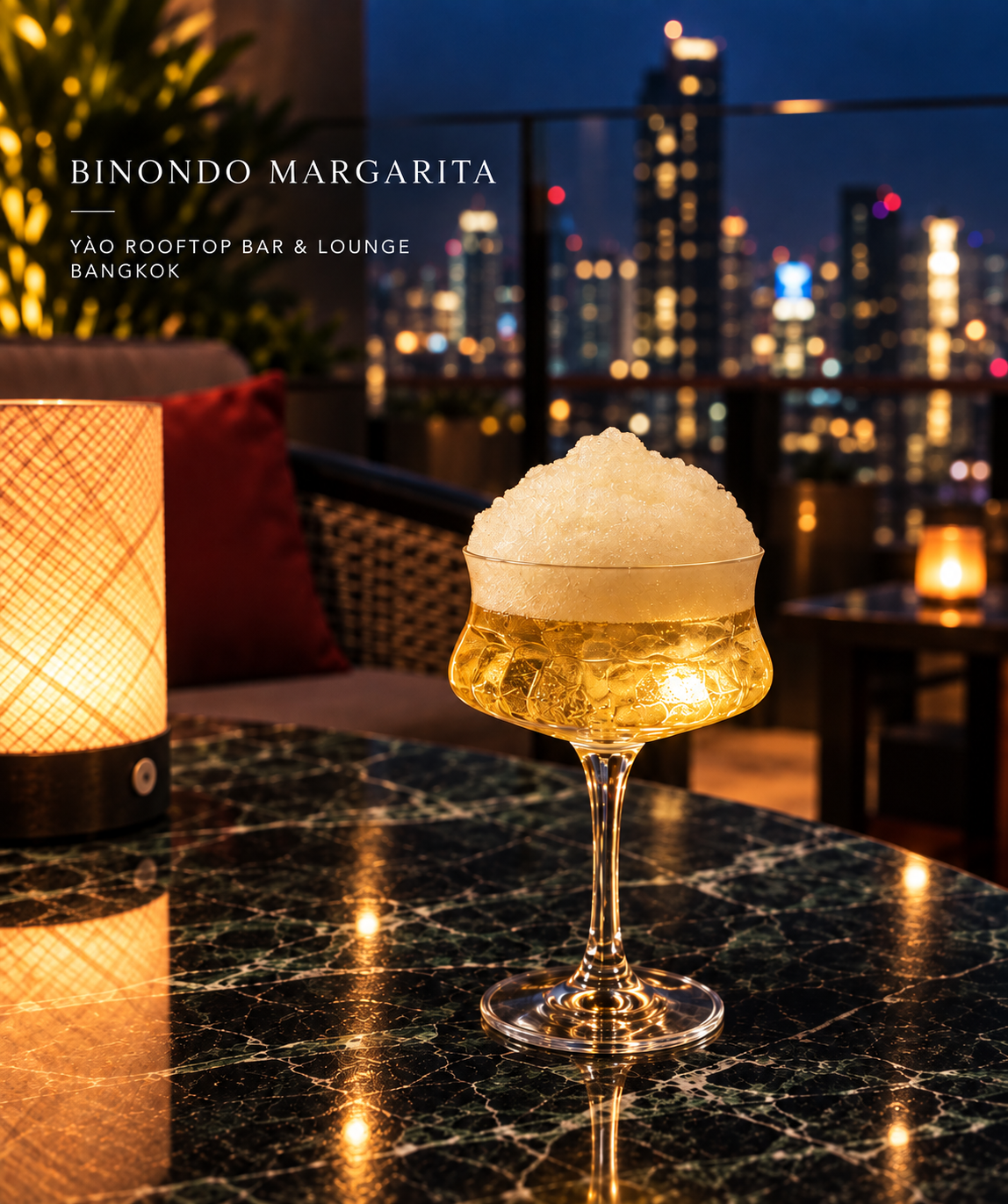
The Binondo Margarita, a nod to Manila’s Chinatown, arrives topped with a frozen, sugar crusted float that turns the classic on its head.

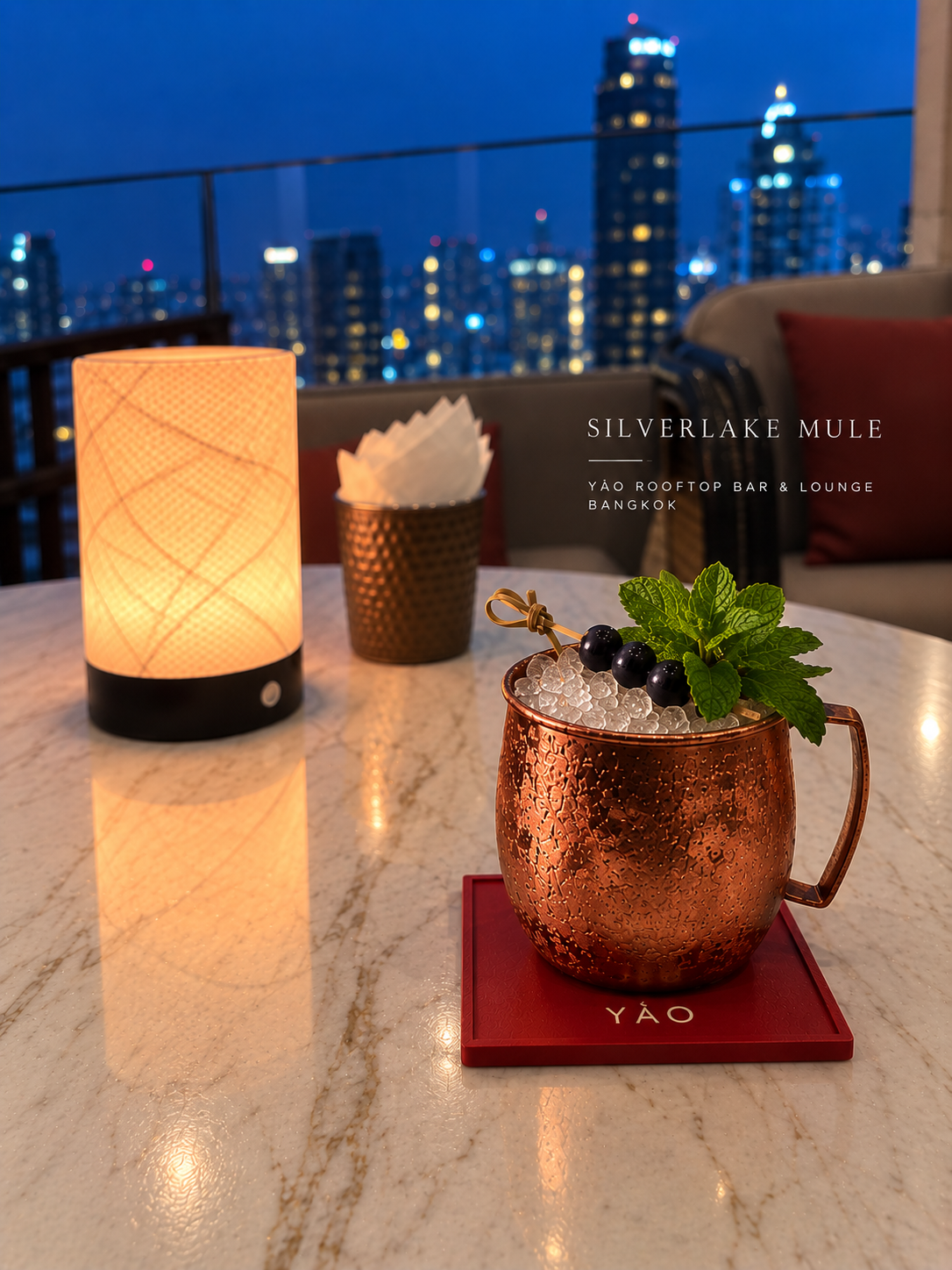
The Silverlake Mule brings the chill, a copper mug packed with crushed ice, blueberries, and a generous crown of mint.

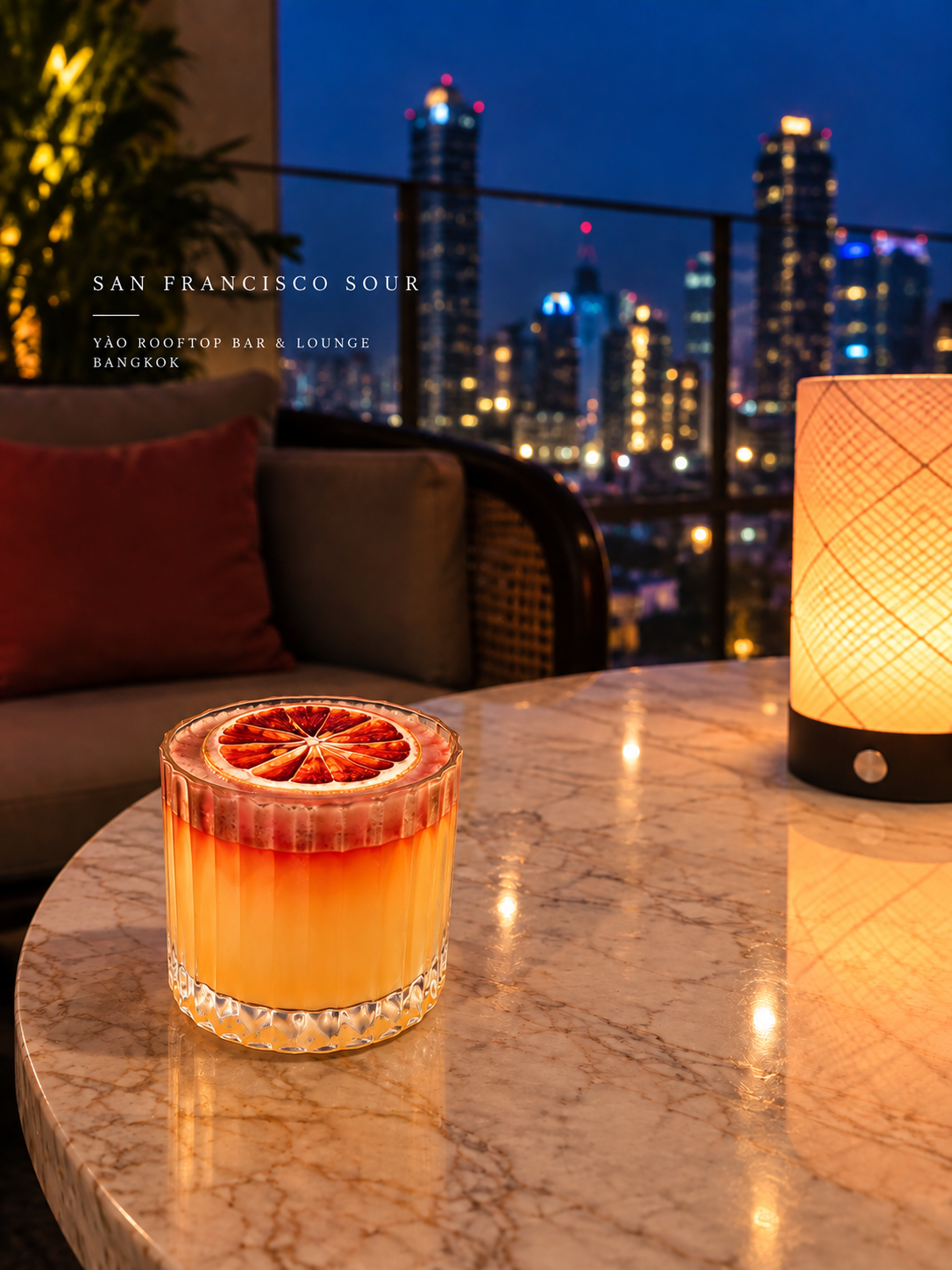
The San Francisco Sour is a study in color, a deep red orange fading into gold, finished with a blood orange wheel that ties it all together.

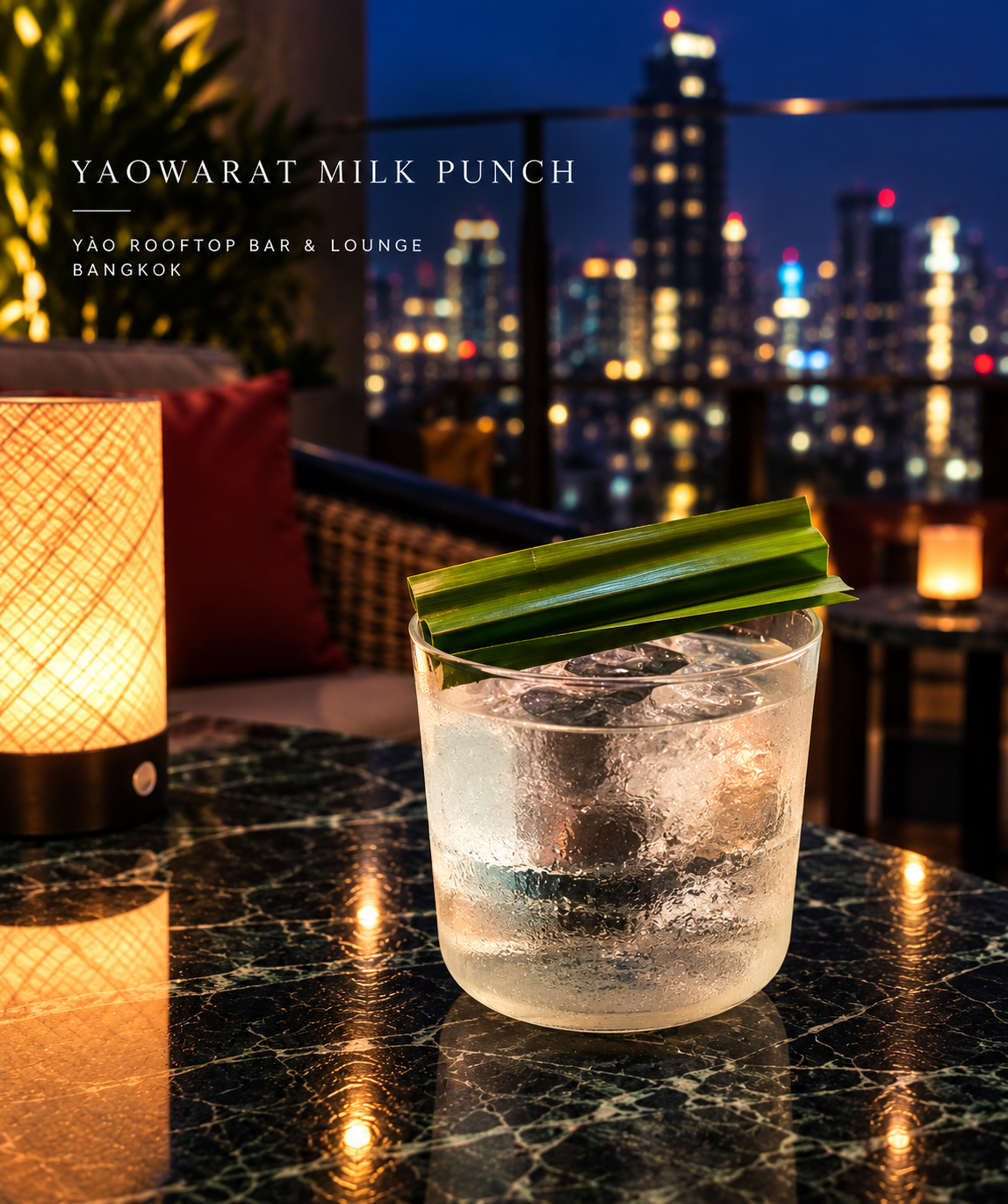
And the Yaowarat Milk Punch, named for Bangkok’s very own Chinatown, closes the journey exactly where it should, clear, pale, and served over ice beneath a single folded leaf. Wine and craft beer round out the list, with complimentary plantain chips adding a final, satisfying touch alongside every round. Whether it’s a sunset toast or a full blown celebration, YÀO Rooftop Bar & Lounge is one of Bangkok’s most striking nights out, and it’s absolutely worth booking ahead for.

WEBSITE

September 18, 2026 0 comments
0 FacebookTwitterPinterestEmail
Eats & DrinksFashion & Culture

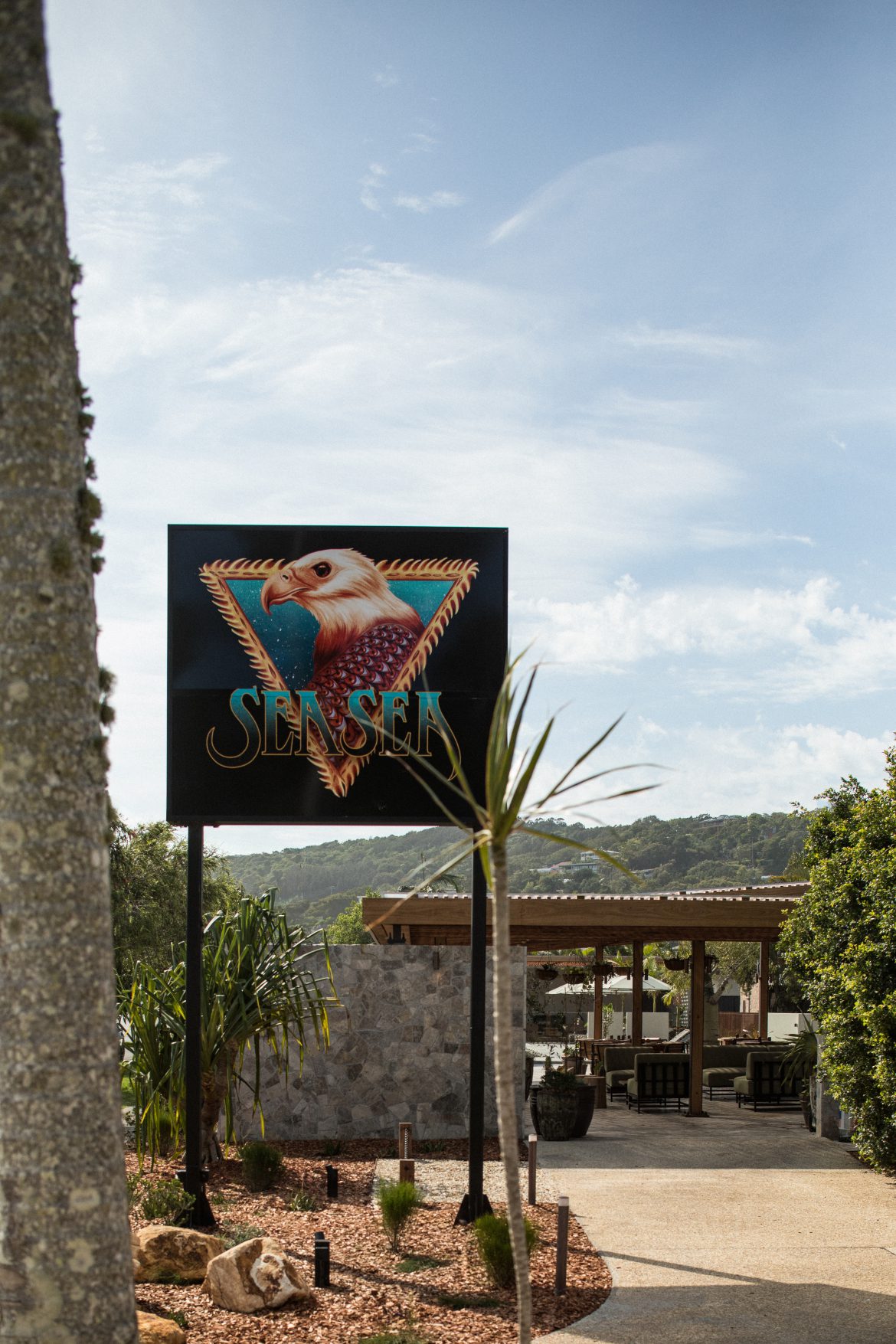
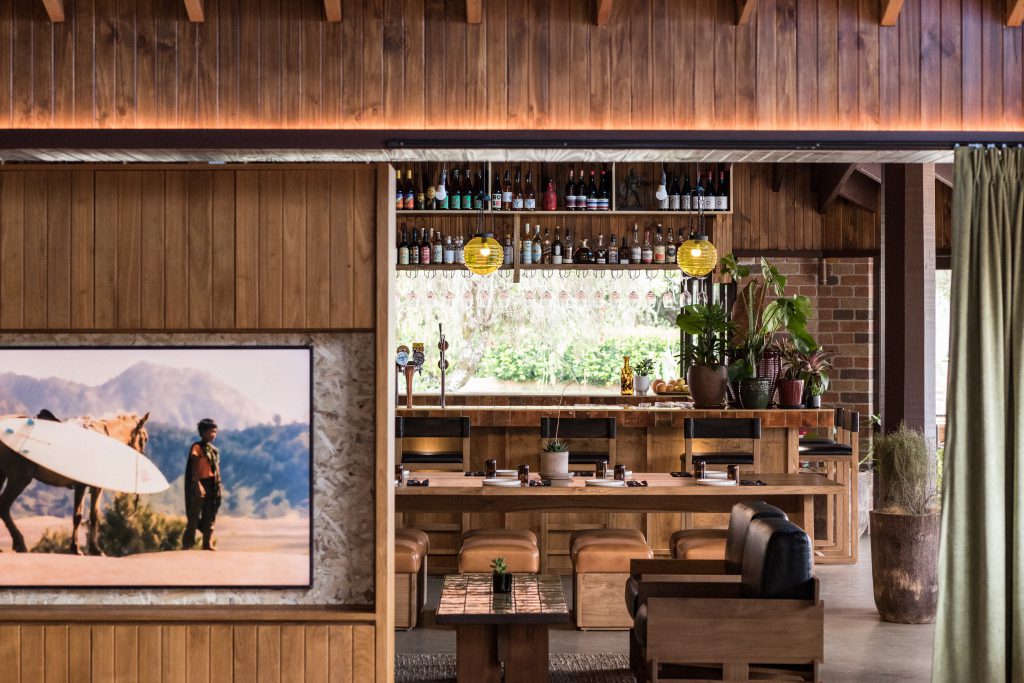
Sea Sea Hotel Is Bringing a New Creative Energy to Crescent Head

by the partae September 17, 2026
written by the partae

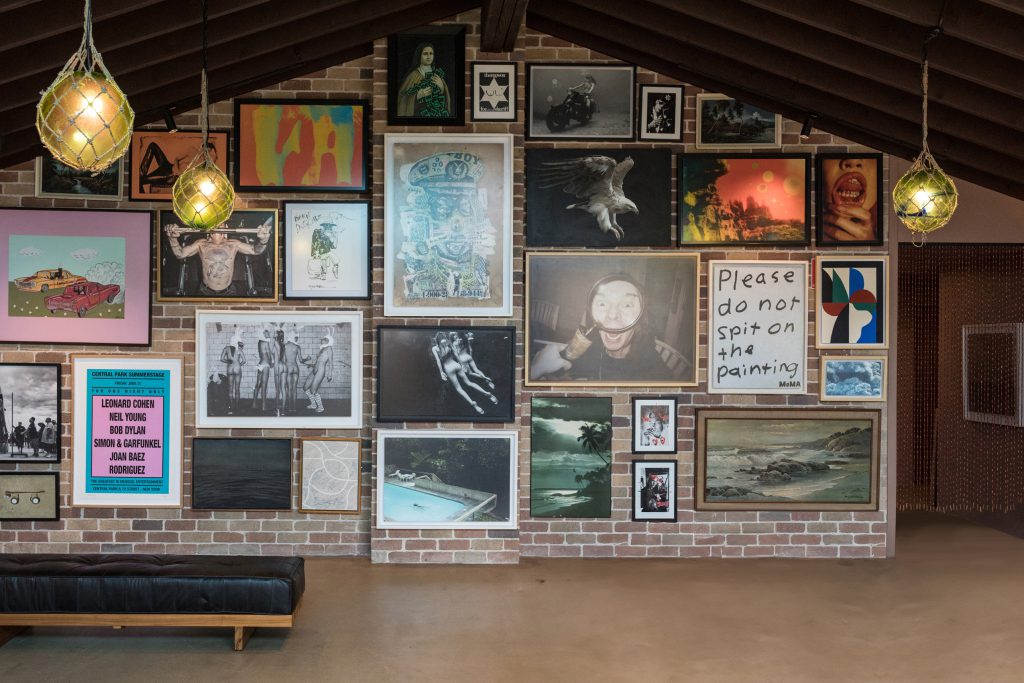
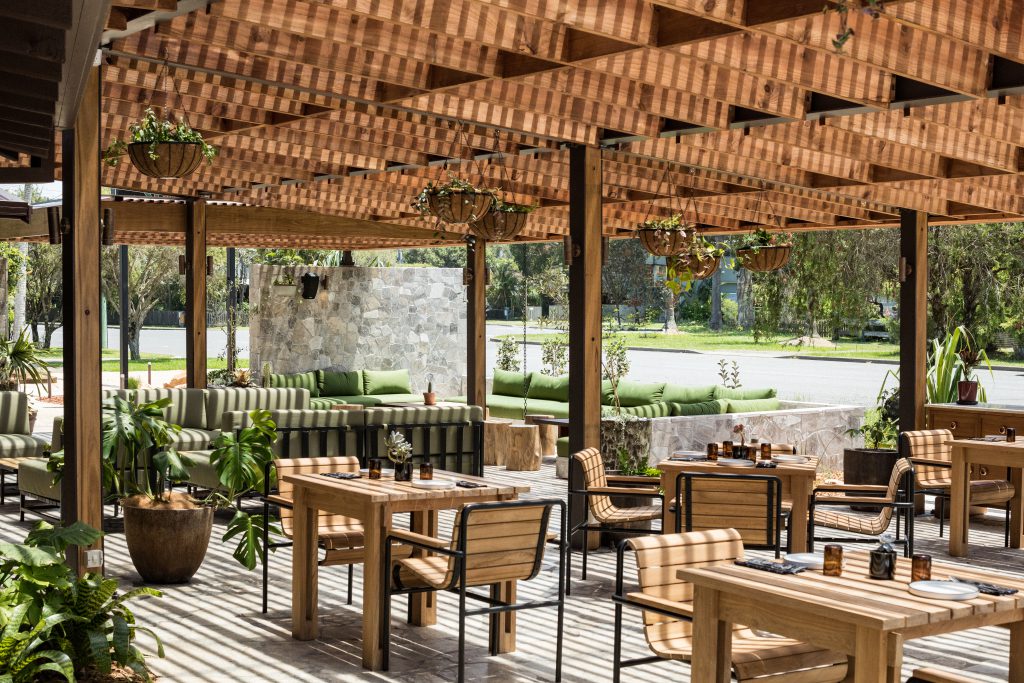
Crescent Head, NSW, has a new hotel that brings together surf, culture, music, art, food and design under one roof.

Sea Sea Hotel is a 24 room property created by Gorrow Studio, founded by George Gorrow and Cisco Tschurtschenthaler. The hotel has been named in TIME World’s Greatest Places 2026, and is the only Australian hotel included on this year’s list.

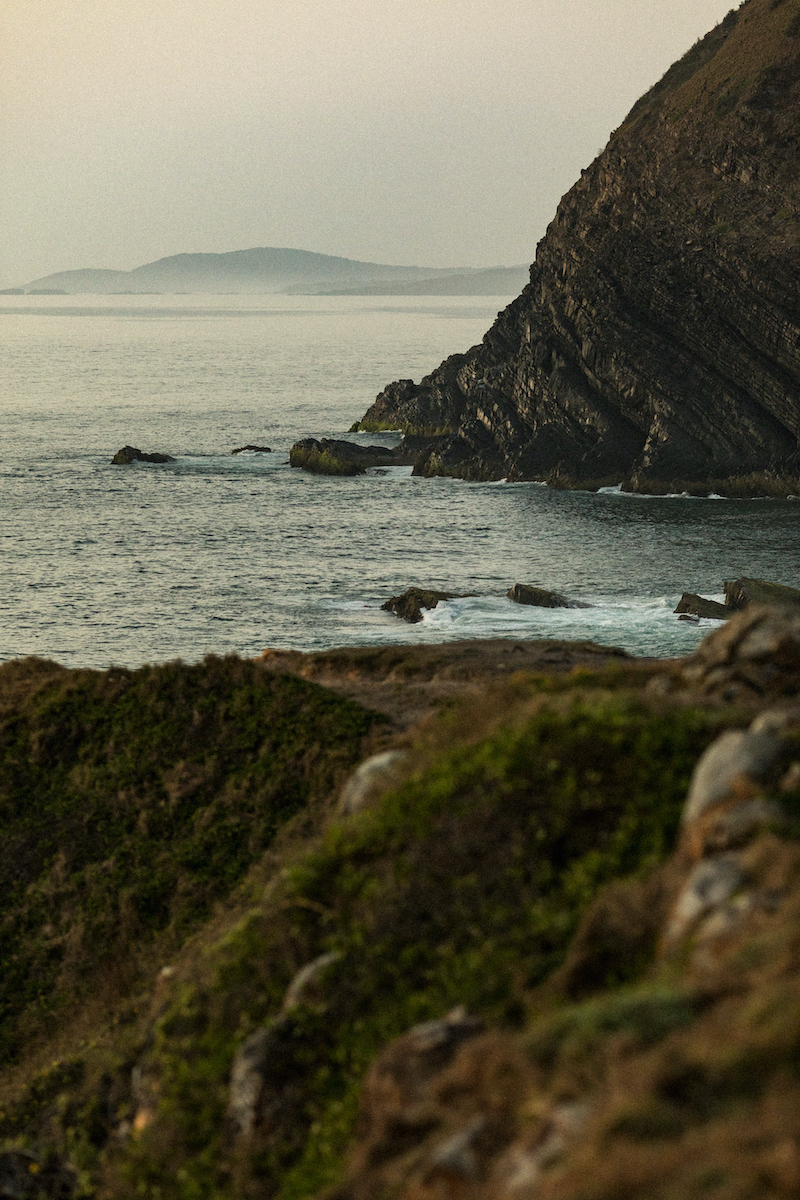
Built around Crescent Head’s iconic point break, Sea Sea reimagines the surf motel as a cultural environment, bringing architecture, music, art and food together as a single experience grounded in its location.

The project took two and a half years to complete, working with an original 1980s structure and retaining its bones while refining the spaces around it.

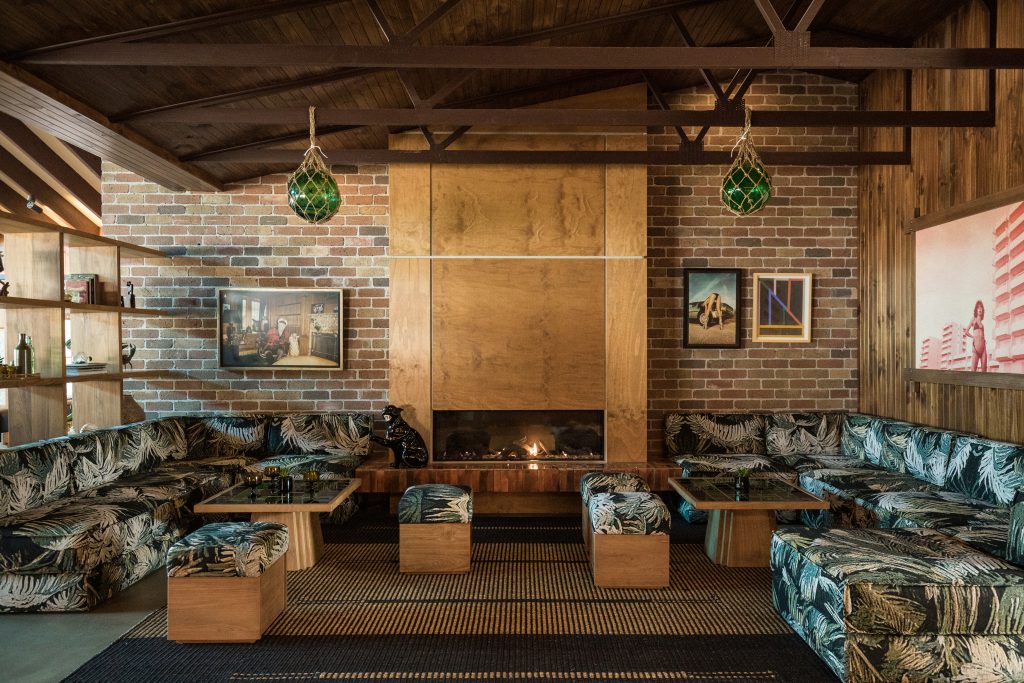
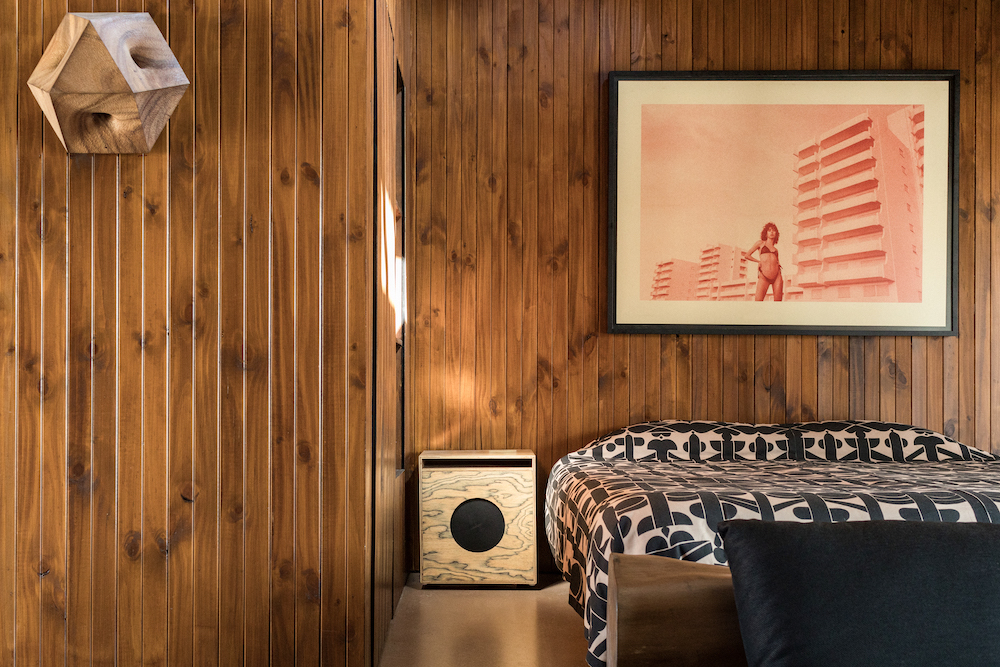
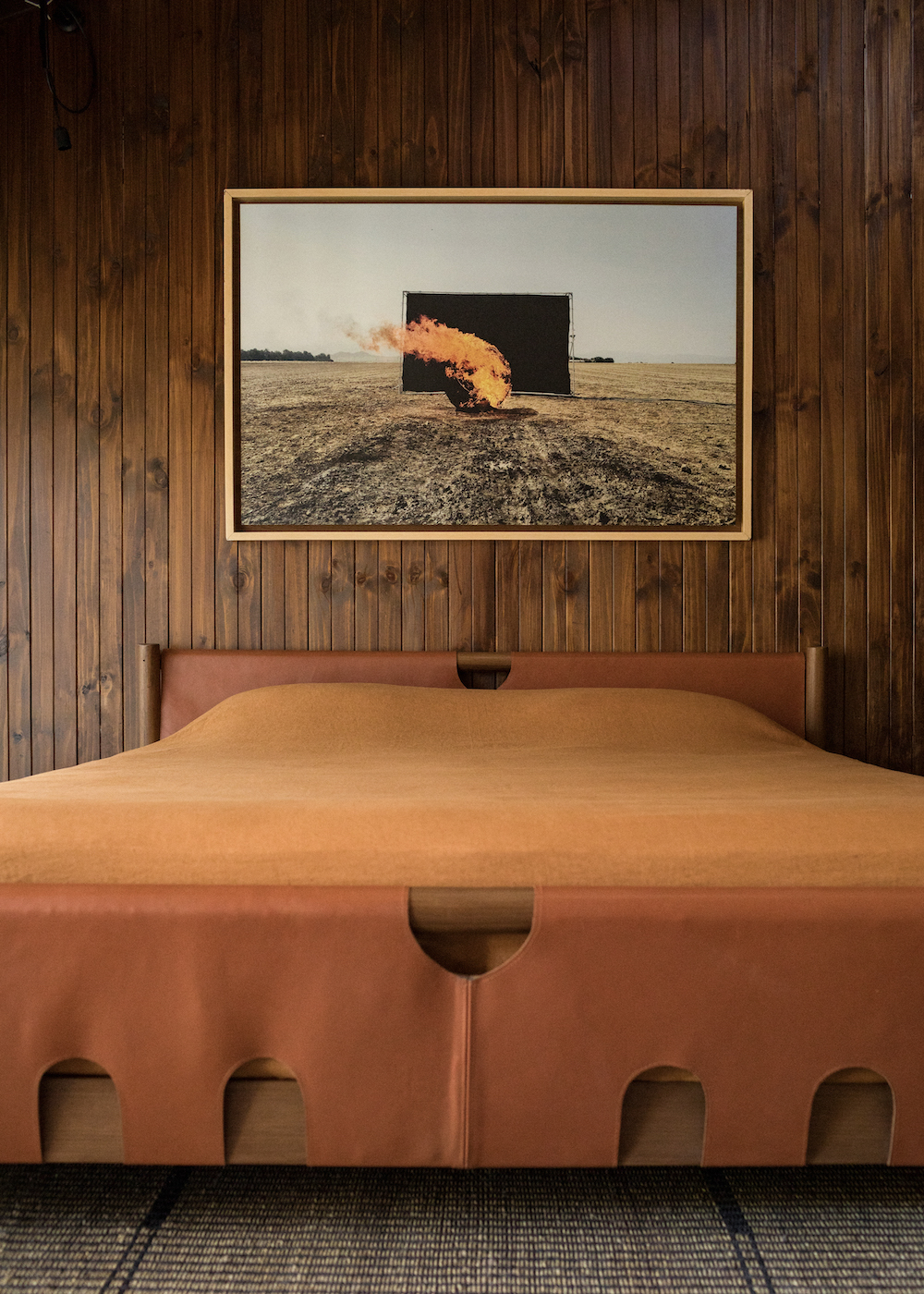
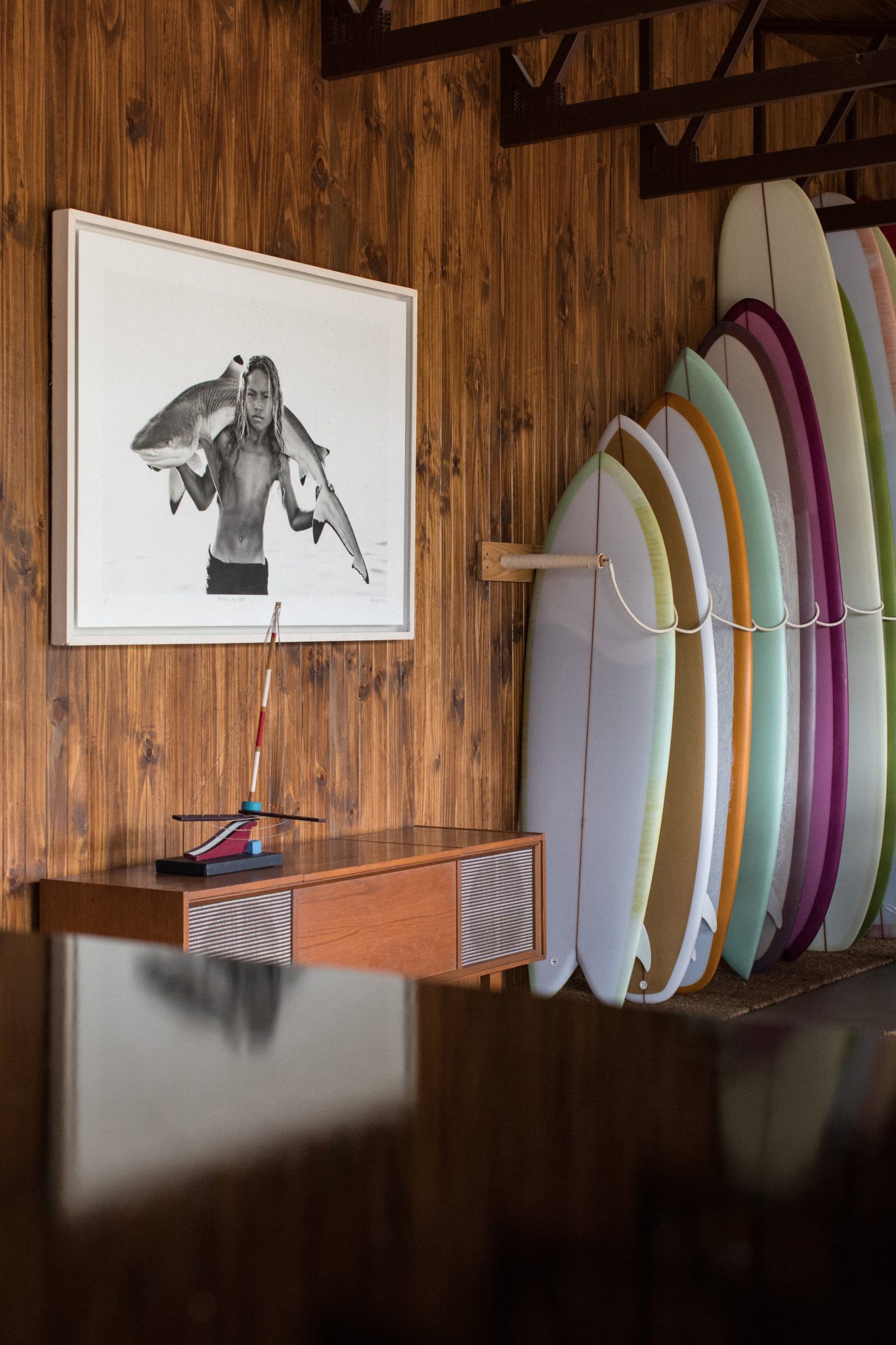
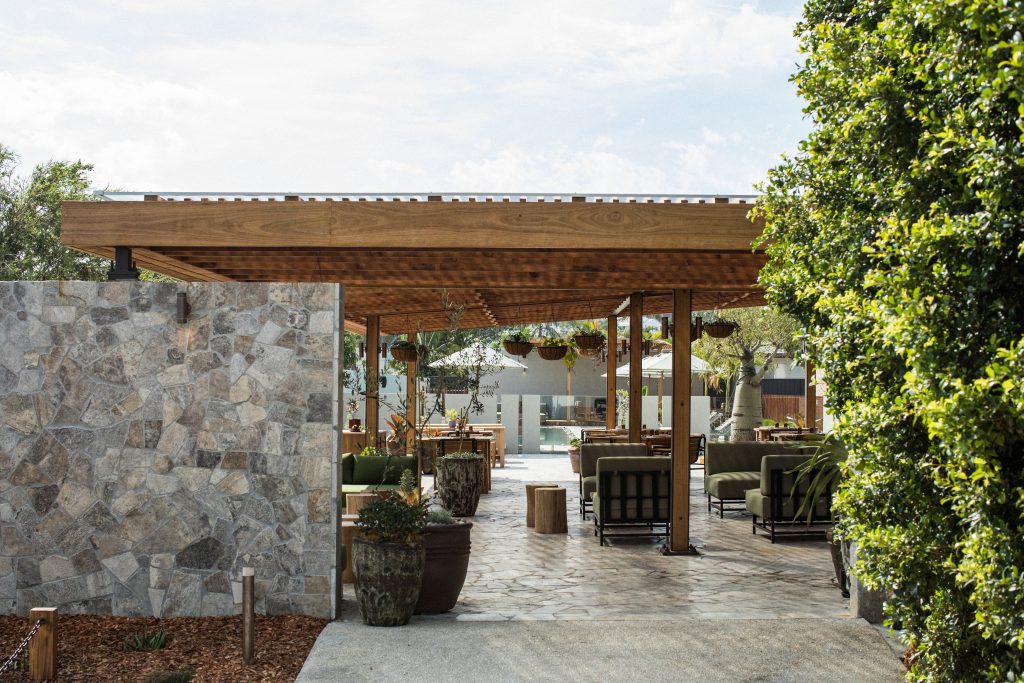
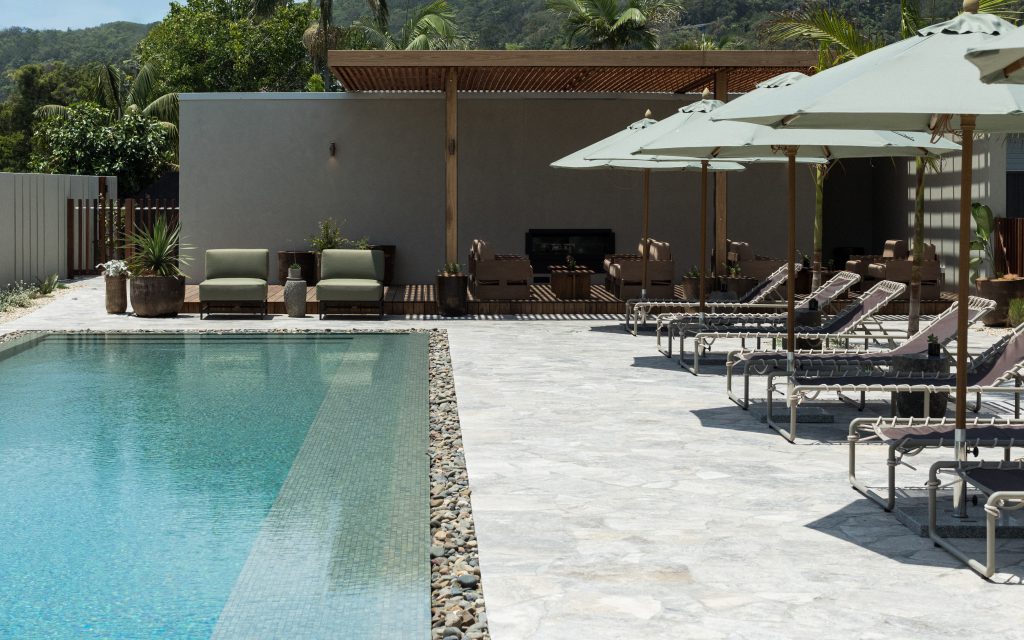
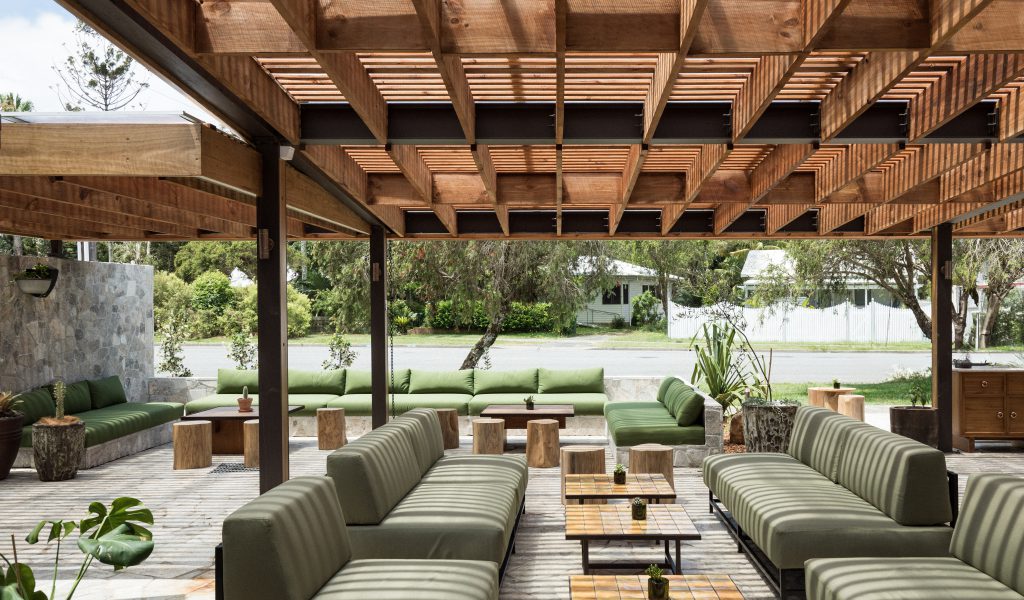
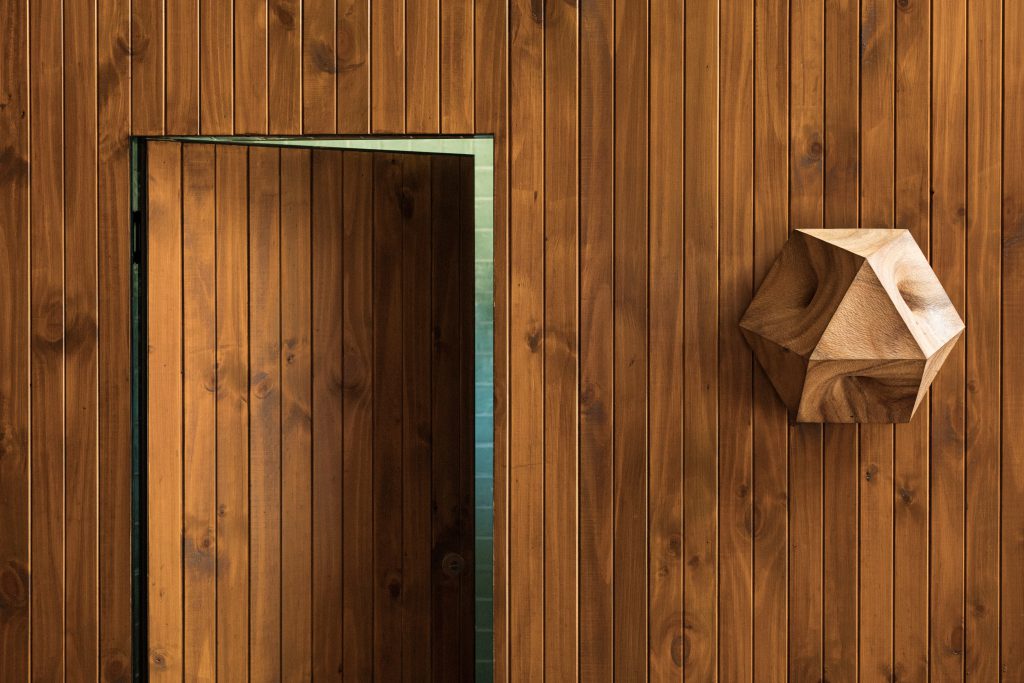
Inside, stained timber, aged brick and coffee toned stone sit alongside original furniture, vintage pieces and commissioned works. More than 3,000 native plants have been added across the property, alongside communal areas and a pool.

The front boundary has also been removed, opening the hotel to the street and positioning it as part of the town rather than separate from it.

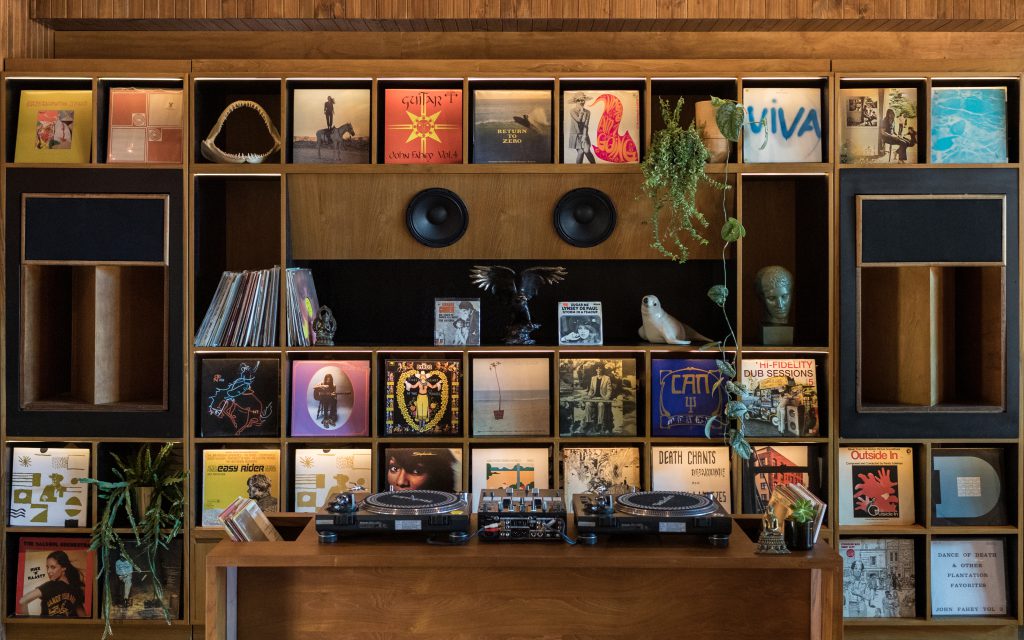
Music has a central role at Sea Sea. An audio lounge sits at the heart of the property, built for listening and anchored by a fireplace and original Klipsch La Scala speakers.

Sea Sea Radio runs continuously across the hotel, curated by Wesley Herron of Reverberation Radio. The project is conceived as a form of deep listening, operating as a single, continuous transmission across the property.

The hotel’s gallery features works from George Gorrow’s personal collection, built through long standing relationships. Artists represented include Xu Zhen, MADSAKI, Bäst and Kate Bellm.

An online gallery platform will extend the program beyond the hotel, beginning with Alby Falzon and presenting recognised and previously unseen works.

Gorrow grew up alongside photographer Peter Crawford on Sydney’s northern beaches and now works with his son to extend the archive. His long standing collaboration with Wesley Herron also informs the project’s approach to sound.

Surf culture is another direct connection to Crescent Head.

Guests have access to a curated rental fleet of boards through Wild Things Gallery, featuring Gato Heroi, Dead Kooks, BMT by Alex Knost, Neal Purchase Jr, Crème and others.

The project is also connected to Crescent Head’s wider surf history, with the town having been home to influential creatives including Alby Falzon and the late Jack McCoy.

Food at Sea Sea is built around what the hotel describes as a sane kitchen: simple, produce driven food grounded in how people actually want to eat.

Milan born chef Sarah Bregaglio leads the kitchen. Her background includes Alain Ducasse’s London kitchen as well as Australian venues including Glass Brasserie and Restaurant Hubert.

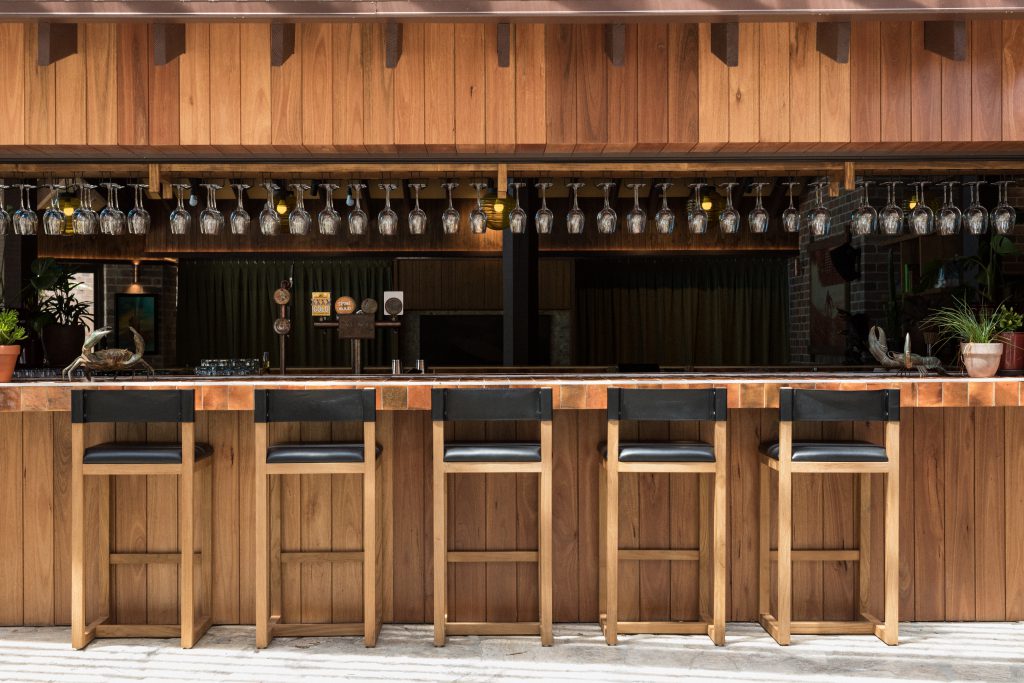
The menu focuses on seafood and seasonal ingredients, while the bar is led by internationally recognised, award winning beverage director Antonello Arzedi. The drinks program uses local produce and seasonality as its foundation.

Accommodation is offered across Studios, Suites and a Private Villa.

The rooms open fully towards the landscape, with stone floors extending from interior to exterior and large format sliding doors dissolving the boundary between the two.

Each space includes Sea Sea TV & Radio, custom audio, integrated artwork, custom lighting and furniture, while in house amenities have been developed with Fields of Yarrow.

Sea Sea follows Gorrow Studio’s earlier hotel, The Slow in Bali, which operated from 2016 to 2020 and was recognised for its approach to boutique hospitality.

George Gorrow has more than 25 years of experience across fashion, culture and hospitality. He is best known as the co founder and longtime Creative Director of Ksubi, and his work has extended across fashion, hotels, restaurants and immersive environments.

Cisco Tschurtschenthaler is Studio Director at Gorrow Studio and works across fashion, hospitality and brand development. She began her career in fashion, working internationally across Paris, New York and Milan, and is the founder of Cisco and the Sun, a brand she built and exited.

Together, Gorrow and Tschurtschenthaler have created a hotel that brings their experience across fashion, design, culture and hospitality into a project specifically connected to Crescent Head.

 For Gorrow, the starting point was the location itself.

“Sea Sea was built around Crescent Head’s iconic wave, the culture that surrounds it, and that feeling of exploring the coast barefoot – a community shaped as much by place as by the people within it,” he says.

“Crescent has long played a role in surf culture, home to influential creatives including Alby Falzon and the late Jack McCoy. The idea was simple: create something real, something rooted in place, and let everything grow from there.”

Sea Sea Hotel brings that idea together through its architecture, music, art, food, rooms and connection to surf culture, with Crescent Head remaining at the centre of the project.


SEA SEA SURF CLUB HOTEL

30-34 PACIFIC ST, CRESCENT HEAD NSW AUSTRALIA
+61 447 441 009

WEBSITE

September 17, 2026 0 comments
0 FacebookTwitterPinterestEmail
Fashion & CultureMusic News

Flare Street Unveils New Natural Fibre Collection

by the partae August 27, 2026
written by the partae

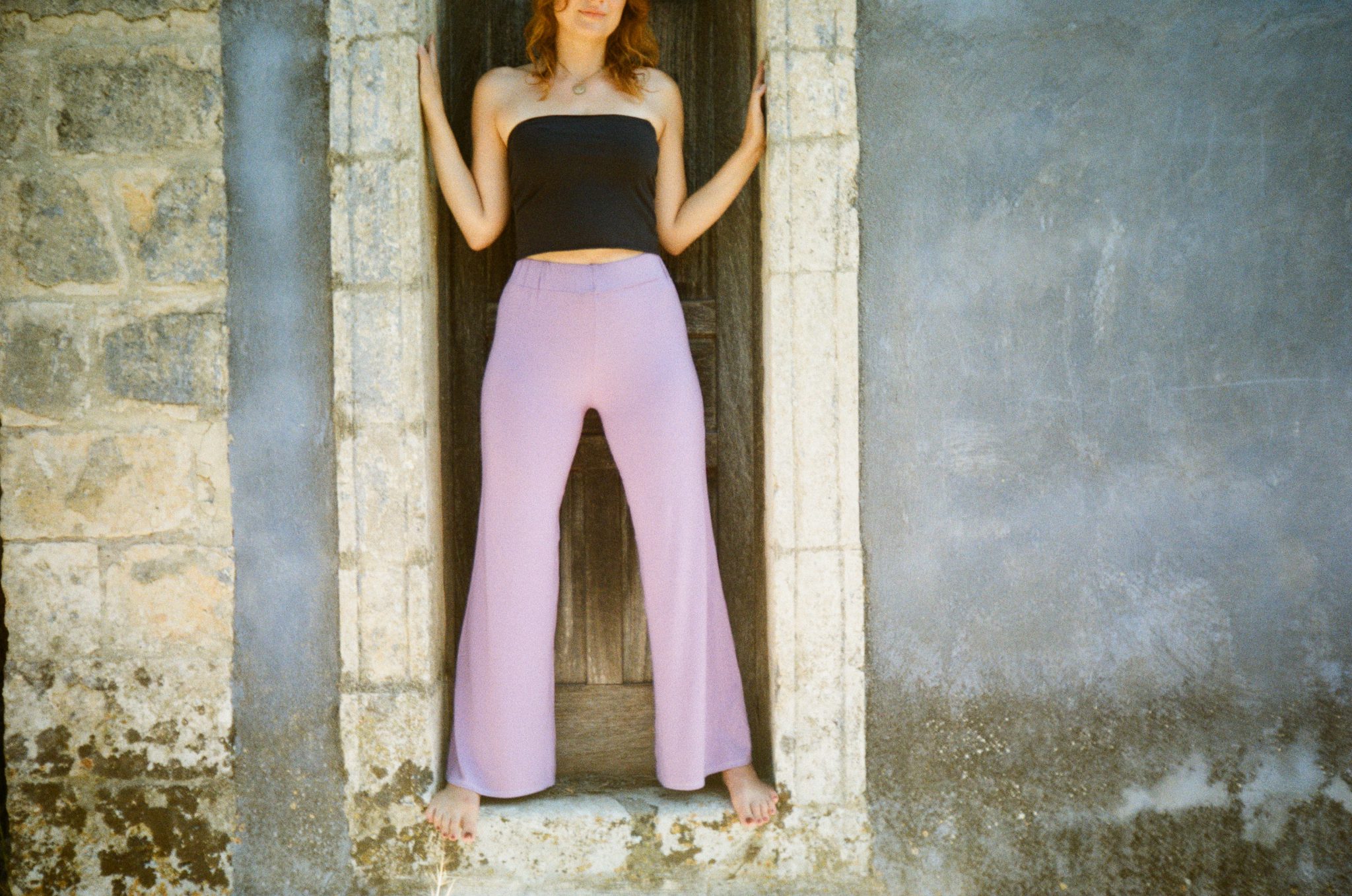
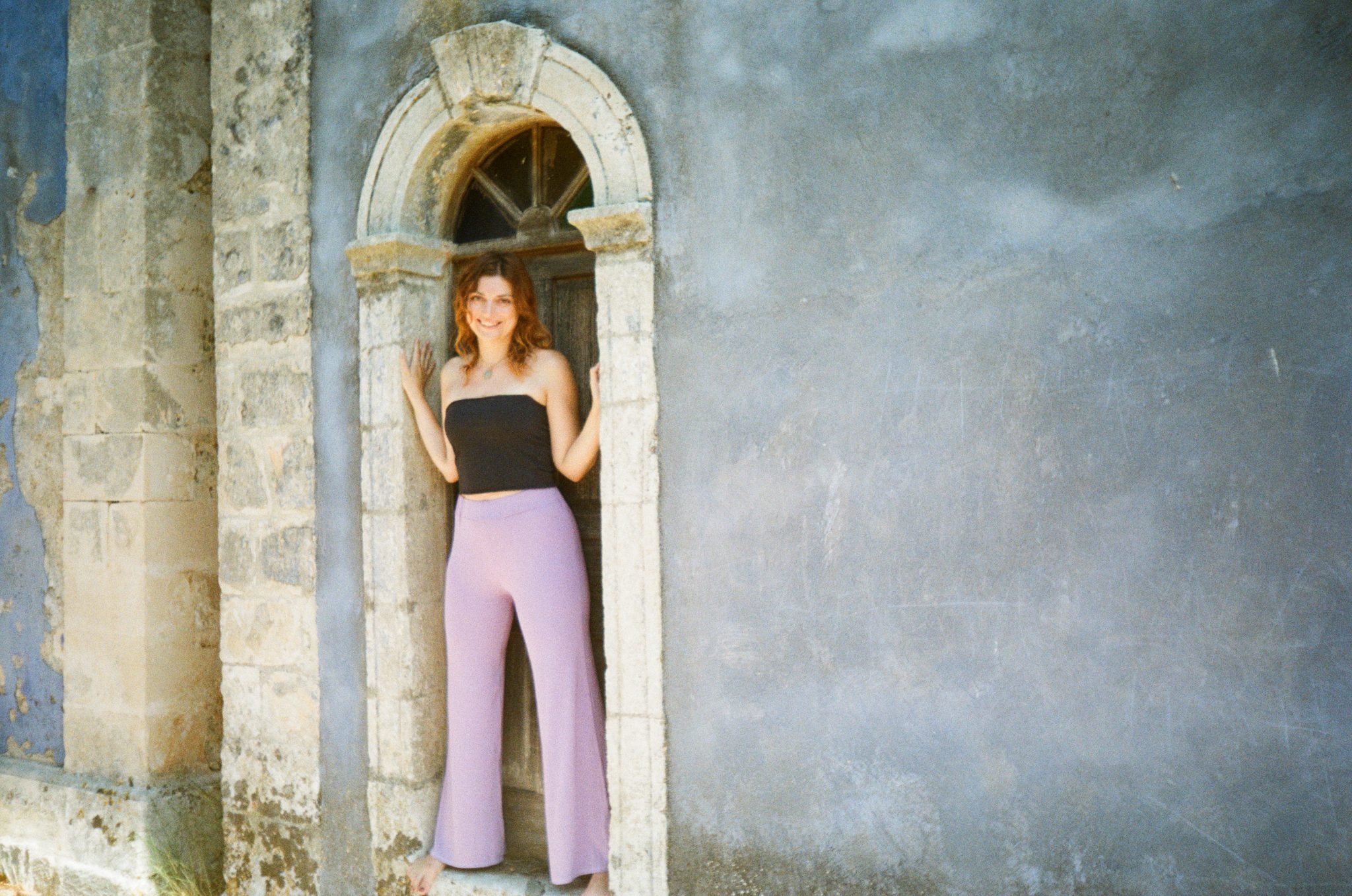
Melbourne fashion label Flare Street is stepping into a new fabric era with its latest Natural Fibre Collection, introducing a range of flares made from closed-loop Organic Bamboo.

Designed and made in Melbourne, the new pieces are described by Flare Street as exceptionally soft, silky and comfortable, bringing a new feel to the label’s signature statement silhouettes.

The collection follows the sudden closure of the velvet factory Flare Street had worked alongside for 13 years. Founder and designer Nik Shimmin used the opportunity to search internationally for a high-quality, sustainable alternative, visiting closed-loop factories in Italy and exploring fabrics from across Europe.

The result is Organic Bamboo selected for its softness, breathability and moisture-wicking properties. Flare Street says the fabric is also hypoallergenic and gentle against the skin.

The new flares are designed to be worn anywhere, from dressing up to more relaxed everyday looks, while retaining the bold, expressive aesthetic Flare Street is known for.

The Natural Fibre Collection is available now through the Flare Street online store, with the collection continuing the brand’s focus on small-batch production and Melbourne manufacturing.

Shop the new Natural Fibre Collection: FLARE STREET

INSTAGRAM

Shop the new Natural Fibre Collection: FLARE STREET

INSTAGRAM

August 27, 2026 0 comments
0 FacebookTwitterPinterestEmail
Fashion & CultureFestival News

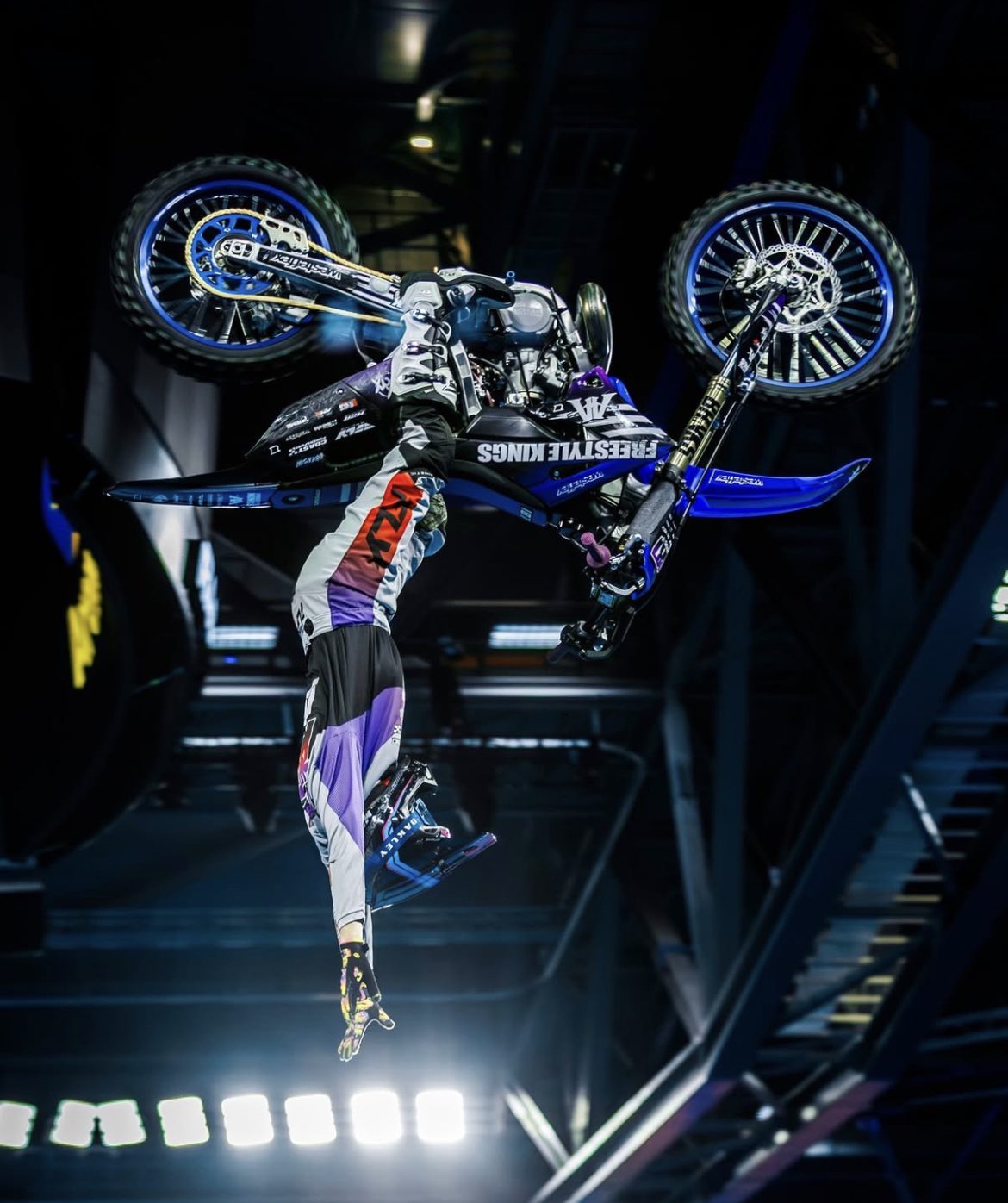
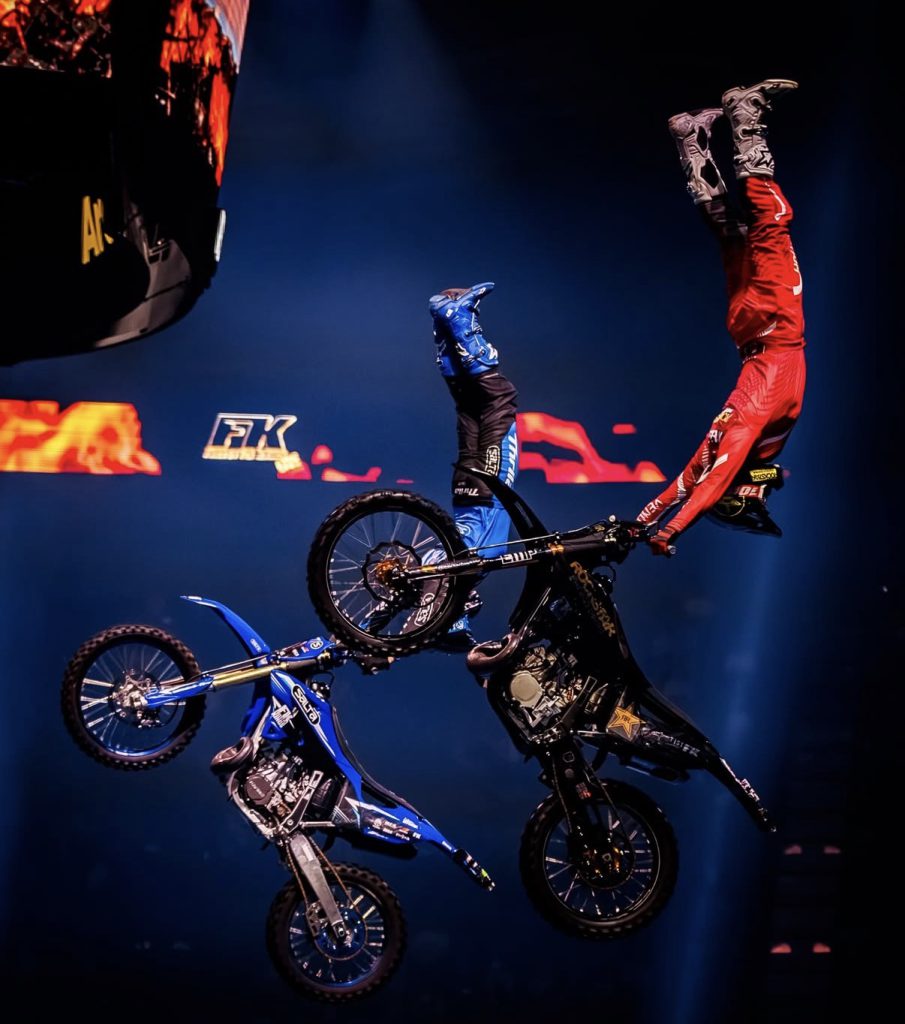
FREESTYLE KINGS RETURNS TO MELBOURNE ON SATURDAY 8 AUGUST 2026 WITH HOMETOWN HERO ROB ADELBERG LEADING AN ALL-STAR LINE-UP AT ROD LAVER ARENA

by the partae July 29, 2026
written by the partae

Tickets are on sale now at www.ticketek.com.au

MELBOURNE, VIC – Freestyle Kings Capture The Crown Live World Tour returns to Melbourne on Saturday, 8 August, bringing the world’s biggest names in freestyle motocross, BMX and snowmobile freestyle to Rod Laver Arena for a jam-packed afternoon of jaw-dropping tricks, high-octane production and unforgettable entertainment.

Melbourne’s own Rob Adelberg returns home as Australia’s most decorated X Games Moto X rider after recently claiming another gold medal in China, extending his record as the most successful Moto X athlete in X Games history.

“It’s always special riding in Melbourne,” says Adelberg. “To be coming home after another X Games gold and performing in front of family, friends and a home crowd is something I never take for granted. Freestyle Kings has put together an incredible line-up and I can’t wait to put on a show for the Melbourne fans. The atmosphere is always unbelievable and it’s going to be an afternoon people won’t forget.“

Headlined by international action sports icon Robbie Maddison, Freestyle Kings features one of its strongest line-ups yet, with multiple World Champions Pat Bowden and Clinton Moore, five-time X Games Gold Medallist and snowmobile superstar Daniel Bodin, along with Robbie’s sons, 15-year-old Kruz Maddison and 13-year-old Jagger Maddison, who continue to impress as two of the sport’s most exciting young talents.

Also joining the line-up is 21-year-old Central Coast rider Tarj Daly, who continues his rise as one of freestyle motocross’s brightest young stars.

The Freestyle Kings combine elite athleticism with stadium-scale entertainment, delivering gravity-defying freestyle motocross, BMX and snowmobile stunts, record-breaking tricks and non-stop adrenaline in one unforgettable live experience.

From gravity-defying freestyle motocross and BMX to snowmobile stunts, world-class athletes and stadium-scale production, Freestyle Kings: Capture The Crown promises an adrenaline-fuelled spectacle for fans of all ages. Bringing together some of the biggest names in action sports from around the world, the Melbourne event is set to deliver an unforgettable afternoon of world-class entertainment.

Event Details

Freestyle Kings – Capture The Crown Live World Tour

Saturday, 8 August 2026

Rod Laver Arena, Melbourne, VIC

Ticket details at www.freestylekings.com

July 29, 2026 0 comments
0 FacebookTwitterPinterestEmail
Fashion & CultureMusic InterviewsMusic News

Film Interview: Alan King on La La Falls – Memory, Instinct, and the Space Between Control and Collapse

by the partae May 22, 2026
written by the partae

La La Falls feels like a natural continuation of the world introduced in Vincent, but it carries a very different emotional and visual energy. What pulled you back into this world, and when did you realise there was still more to explore in Vincent as a character?

It wasn’t something that was a naturally easy decision for me. Firstly, after finishing the first film Vincent I never in my wildest dreams imagined that I would reprise the character, in fact it couldn’t have been further from my mind. I thought that was it, done!

After we screened the film at various festivals I had a lot of people wanting to know if the character was going to be reprised and there was also a great interest in the relationship with Gunther and Vincent continuing. The shoot and role had been so demanding, the thought of going back to that place mentally and physically, sort of really turned me off. In hindsight it was probably a bit of PTSD!

And so, as filmmakers do, I prepared myself to move on to working on my next project, fumbling from one idea to the next.

So, there I was twiddling my thumbs wondering where to go, when I remembered a lesson from art school. I was taught by some gifted educators, if we persist with a theme or body of work we feel is finished and push through, that’s often the point we find the best discoveries.

I thought, well if the feeling to stop with Vincent was so strong, maybe the discoveries on the other side will be equally strong if I push through. So that was that, decision made and away I went!

Across both films there’s a constant pull between emotional states—humour and sadness, stillness and disruption, connection and distance. What draws you to that shifting ground, and do you think cinema is uniquely able to hold it without trying to resolve it?

That’s a really interesting observation and for me it’s that shifting ground that gives the characters, the narrative and the work its dimension, complexity and authenticity. I’m fascinated with contradictions and incongruities in people. This polarity for me, is the epitome of the human condition – love/hate, peace/war, inclusion/isolation etc.

As an artist to be able to present this constant pulling back and forth is a wonderfully energetic bandwidth to work within and the madness of it all can be so bloody funny at times, whilst in equal measure also so incredibly sad. It’s a pretty fertile feeding ground for a filmmaker.

The fact there is no resolution is perhaps the resolution in itself. I wouldn’t say cinema is unique in holding this without resolution, I think this push/pull duality is expressed in all art forms painting, music, poetry, dance etc.

There are moments in La La Falls where it feels like a scene could go anywhere at any second. Was that sense of unpredictability something you were shaping deliberately, or something that naturally emerged once you were inside the shoot?

I shaped this intentionally with the script beforehand and we implemented this during the shoot. I really wanted to add a natural feel to the film, so the script for La La Falls was written with a combination of both written dialogue and structured story allowing room for improvisation.

These elements of improvisation allowed for more unpredictable and spontaneous elements to be introduced to the overall film. It also allows for much more natural performances, especially from the non-professional actors in the cast, as delivering written dialogue is a learned skill and making it sound natural is very hard for first timers compared to improvisation.

WATCH THE TRAILER

You’ve described the film as sitting somewhere between a structured script and improvisation. Once you were on location with the cast, how much did that original structure start to loosen?

About 70% of the film was scripted with dialogue and we pretty much stuck to this during the shoot. For me, I really need to have that scripted dialogue structure within the narrative or things can get ‘too loose’ with too much improvisation and the film loses all its shape, turning into a bit of a mess. It’s definitely a balance.

The performances feel really immediate and unfiltered, partly because many of the people on screen are non-actors or people you already know. What does that kind of familiarity unlock for you that traditional casting doesn’t?

Many of the roles in the script were written around the personalities of the non-actors I cast. Knowing them as friends for some time, really allowed me to tailor and write each role to their personalities.

In a traditional casting sense, an actor needs to infuse elements of their personality into a role that has already been written. The difference between the two approaches is one is bespoke, tailored and written specifically for the individual based on an intimate knowledge of their personality, the other is not.

Shooting in black and white gives the film a very specific atmosphere—almost like it exists slightly outside of time. What made that the right choice for this story?

Well to start with, I absolutely love shooting in B&W, most of my short films have been in that format, and it’s always ‘just called me’ so a progression to B&W for a feature film was only a matter of time.

And secondly both Vincent and La La Falls have both looked to question whether what’s happening really even exists, or whether it’s all just the delusions of a mentally ill recluse.

The explosion of colour in the first film, I believe gave Vincent a hallucinogenic, dream like quality, a bit like the original The Wizard of Oz and I also believe B&W has the same ability to alter our viewer perceptions, almost as if everything is operating as you say “outside of time”.

We were so very fortunate again to have cinematographers Michael and Samadhi Schoell along with colourist Vincent Taylor follow on from their masterful work in the first film to come on board again for La La Falls, and they’ve done it again!

Coming from Vincent, which was so saturated and heightened visually, was that shift into monochrome a reaction to that world at all?

Vincent was such an explosion of colour, taking La La Falls to the opposite end of the colour spectrum allowed it to have its own distinct signature as a stand-alone work.

And looking at it now, these extreme opposites (colour/B&W) also potentially serve as a connecting thread between the two works through both the film’s themes of polarity.

The Australian bush feels like it has its own presence in the film. It shifts from calm to unsettling in a way that really shapes the characters. How much did that environment steer the tone while you were shooting?

I wanted to reflect the way it can be calm then suddenly swallow you if it wants, nature that is. This is reflected in the story of La La Falls but was also reflected in real life on the shoot.

I’ll tell you a story, it was day four and everything was going very smoothly, the sun was out and we were shooting a very large scene by the dam on the remote bush property in Newstead. I remember even thinking “Gee this shoot has been going really well”.

Then Angela Ling my co-producer and our assistant director calmly said “no-one move stay right where you are”. I looked at her and she then calmly said “snake, very large snake”.

I looked around and about 3 to 4 meters away from all the actors/crew (some of whom were sitting on the ground and not too mobile) was the biggest bloody Brown Snake I have ever seen in my life, sunbaking without a care in the world.

Everyone very slowly got up and moved quite some distance away, the snake eventually decided to move and we had a runner follow it from a distance before it went down a hole in the ground, so we could then finally continue.

It was a good example of how the Aussie bush can go from serene to potentially deadly very quickly. So I would say the bush is one of the main characters in this film, yet somewhat of a capricious member of our ensemble, that refused to look at the script and improvise at will reminding the rest of us who is really in charge.

You made the film in just six days with a very small crew, working with a Dogme-like approach. What keeps you coming back to that kind of stripped back way of working?

Look to be honest, budget plays a big role in this, it’s much cheaper to shoot six days than ten and we are an entirely self-funded film.

That said, there is also an energy, a charge that comes from a tight schedule like this, that creates spontaneity and an environment where instincts are given top priority.

To rely more on instinct is both scary, yet also highly rewarding when it comes off. But like anything, the more you do the better you get at it.

Do you think working under those kinds of limits changes the way you notice things on set?

You develop a heightened sense as a director for what is truly important and what is extraneous. Everything gets stripped back to just what you need and nothing else.

A bit like that scene in Platoon where the rookie soldier Chris (Charlie Sheen) starts out and is hauling a backpack full of crap through the Vietnam jungle and Willem Dafoe’s character Elias goes through it and unloads all the extra shit he doesn’t need, so he can travel light and fast through the jungle.

There’s a looseness to the way the film plays out—scenes breathe, drift, sometimes even slip off track. How intentional was it to protect that feeling in the edit and on set?

I guess that comes down to my desire as an artist to recognise beats and rhythm within a work, then look to at times disrupt those rhythms and beats.

I love the way old films breathe, The Godfather or 2001: A Space Odyssey. They really weren’t afraid to embrace the power of stillness and silence.

We live in such a fast food, high turnover, ADHD, TikTok, 15-20 second clip era now, that we’ve lost so much of that! I guess my work is trying to protect that heritage and power of silence because for me the cinematic artform is better for it.

For me the silences and disruptive rhythms are reflective of the unpredictable and non-linear nature of life and as artists we have a responsibility to do our best to reflect life.

The relationship between Vincent and Gunther feels really lived in, with humour, tension, warmth, and silence all sitting together naturally. How did you build that dynamic?

Bill Evans (Gunther) and myself have been very good mates for quite some time, so a lot of the natural chemistry we share on screen is born from that history.

We both feel very comfortable in each other’s presence and share very similar interests and a sense of humour. So I think much of that warmth and trust naturally transfers to the screen.

Your work often focuses on people slightly outside of conventional spaces or systems. What keeps pulling you toward those kinds of characters?

I guess as an independent artist, I can really relate to people trying to survive on the fringes or outside of a conventional system. I’ve always gravitated towards these types of stories and as a filmmaker I very much like being involved in their creation as well.

A lot of contemporary cinema feels quite polished and controlled. Do you think something gets lost when everything is too refined?
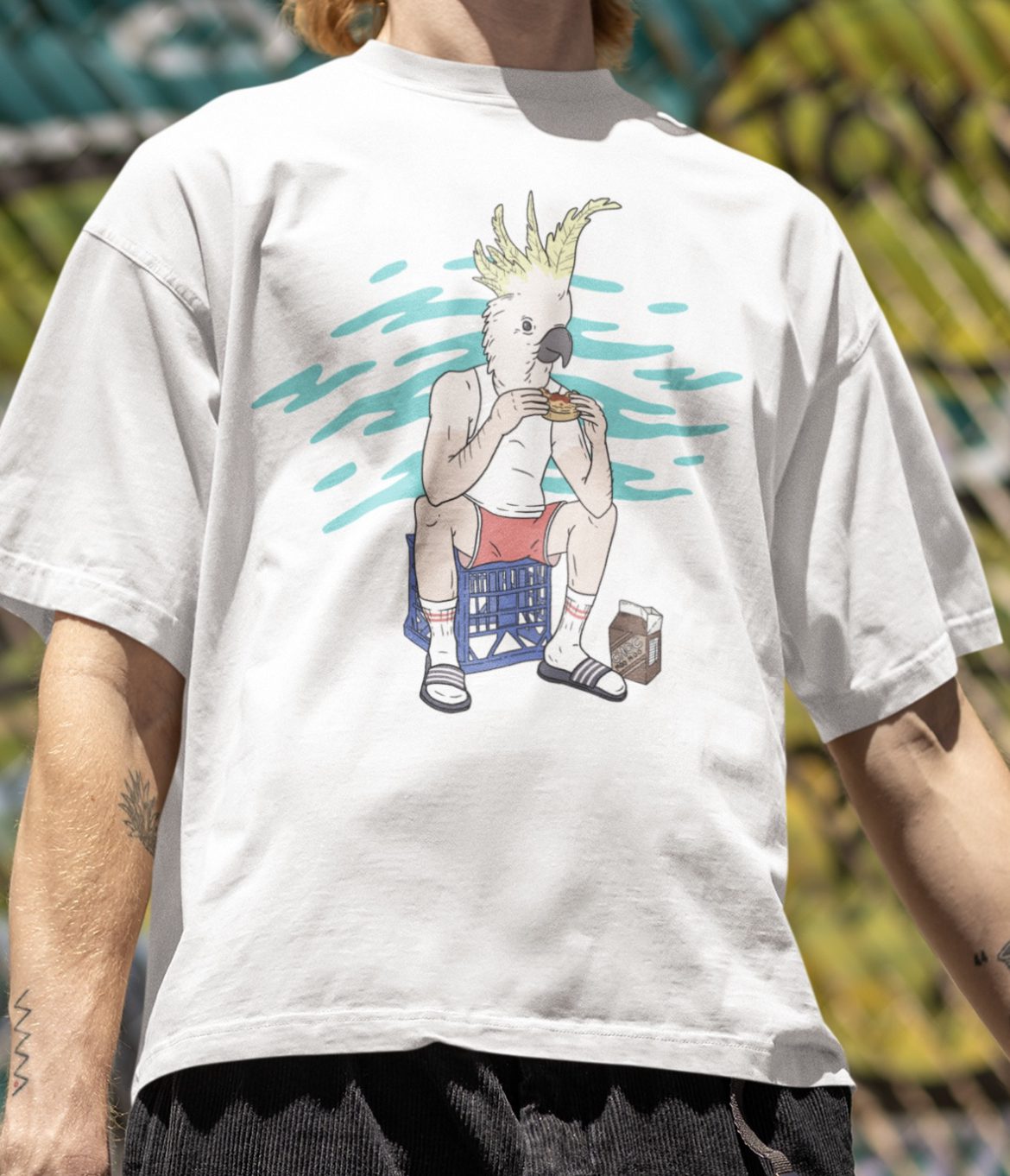
Absolutely, for sure. For me everything gets lost, the heart and soul gets completely ripped out. The rough edges and disruption are what makes something real, gives it depth. Polish and control is a mask to the soul.

You referenced Henri Matisse in your director statement, especially that idea of returning to a more instinctive way of seeing. How much do you still rely on instinct when you’re making decisions on set?
Well as mentioned earlier, it’s primarily a creative survival mechanism, when working within such a tight shooting schedule.

That said, there are months and months of pre-planning that go into these films, to ensure the instinctive decisions are also made within a safe working space and a very meticulously planned shooting schedule.

So the two, planning and instinct work very much hand in hand. Otherwise it becomes unsafe and too messy.

Music plays a really specific role in the film, especially “Alles hat ein Ende, nur die Bratwurst hat zwei”, which sits somewhere between humour, melancholy, and something existential. What drew you to it?

Well to be honest, I was just searching for a really nasty, dirty, hard grinding Euro dance track for when Bad Banjok (Les Mosnyi) first appears and I came across the work of this German DJ Sascha Ende.

As we operate on a micro budget all our music is sourced through a creative commons license and his stuff was available through this channel for use in film. I absolutely loved that particular track “Alles hat ein Ende” and thought it was perfect.

The real thrill came when I managed to get it translated to English and discovered the main verse was “Everything has an ending only the bratwurst has two”.

I couldn’t believe it! It was perfect for La La Falls – funny, cheeky, silly, poignant, and absolutely relevant to the themes of duality, life/death, love/loss in the film! It was like one of those magic moments when everything clicks.

Both Vincent and La La Falls were made quickly and under intense conditions. Do you think that pace creates a kind of honesty that can disappear in bigger productions?

Absolutely, as mentioned earlier when working at a really quick pace, you are losing all the extraneous load, you can travel light and quick but there is also a vulnerability and honesty in that, as you are stripped back to the basics.

In a metaphoric sense you are in your underwear and talking to the crowd, so you need to make sure what you are saying is worth listening to.

Your background in painting and fine art still comes through in the way you frame images. Do you still think of filmmaking as a visual practice first, or has storytelling taken over that space?

For me it’s not one or the other, and to throw a spanner in the works, I see audio in film as just as relevant as visual.

So I guess I see filmmaking as a visual, auditory and storytelling space, in what measure for each, I’m not sure. For me thinking now about it maybe the proportions of each change for each different project.

There are moments where humour suddenly tips into something more fragile or painful. How important is humour to you when you’re working with heavier emotional material?

I really do think the two go naturally hand in hand. We laugh in our darkest times and cry in our happiest. I guess it comes back to that polarity I love to work with.

In the broader film world, multiple genres in a single film tend to be looked down upon, as if the filmmaker was somehow confused, unfocused, couldn’t decide what he was doing, or unclear on what his message was.

For me as long as people continue to have multiple genres then characters and films need to as well.

Looking back now, what do you think La La Falls revealed about your process that Vincent didn’t?

La La Falls was such a different experience to the first film, the lessons carried forward were huge! From planning, to shooting, to post production, nothing beats having that experience.

Sort of like the difference between having a first and second child. Even though our process remained the same, it was how we functioned within that process changed.

We were much more efficient, organised and calm due to the experience we had gained on the first. I hope that we can keep moving forwards with these learnings onto the next.

After two fiercely independent features made this way, do you feel like you’re moving closer to defining your voice as a filmmaker, or further away from needing to define it?

Both.

WATCH THE TRAILER

INSTAGRAM
WEBSITE
May 22, 2026 1 comment
0 FacebookTwitterPinterestEmail
Eats & DrinksFashion & Culture

Yamagen Melbourne: Where Fire, Precision and Modern Japan Collide in Portland Lane

by the partae March 1, 2026
written by the partae

Melbourne doesn’t open its arms easily. It respects craft. It questions hype. It rewards places that understand rhythm — the pace of a service, the weight of a knife, the restraint of a perfectly balanced dish.

Yamagen Melbourne arrives knowing exactly where it stands.

Now open in Portland Lane beside QT Melbourne, Yamagen isn’t trying to recreate Tokyo. It’s not leaning on theatrics alone. Instead, it builds something more layered — a modern Japanese dining experience that feels disciplined, expressive and distinctly of this city.

Under the direction of Adam Lane, Yamagen reinterprets Japanese technique through Victorian produce. The philosophy is clear: honour tradition, but don’t be confined by it.

You feel it the moment you walk in.

Low lighting casts warm shadows across textured surfaces. The central bar anchors the room like a stage, drawing you into the choreography of service. Robata flames flicker. Steel flashes. A sashimi blade moves with quiet certainty. Guests lean forward without realising they are doing it.

This is dining as theatre — but grounded in substance.

Yamagen’s menu reads like a conversation between restraint and indulgence.

Sashimi snapper arrives dressed in truffled tosazu and yuzu sesame — clean, precise, lifted by citrus brightness. The Yamagen uramaki roll folds seared salmon and scallop into layers of buttery richness without tipping into excess. Smoke from the robata lingers in the background of skewers that are charred just enough to deepen flavour without overwhelming it.

There is an unmistakable umami depth throughout, but also a sense of lightness. Dishes feel composed rather than complicated.

Head Chef Yosuke Hatanaka brings decades of classical Japanese training to the kitchen, including formative experience at Tokyo’s Michelin three-star Nihonryori Ryugin. His style is measured and precise — the kind of cooking that trusts technique.

Alongside him, Sous Chef Misaki Maniwa contributes a contemporary sensibility shaped by Melbourne’s fine-dining landscape. The dynamic between tradition and modernity is not forced. It feels natural.

If the kitchen sets the tone, the bar pushes the boundaries.

Yamagen houses one of Melbourne’s most extensive Japanese whisky collections, with more than 120 labels ranging from approachable classics to once-in-a-generation releases like Hakushu 1981 Kioke Shikomi and Yamazaki 25-Year-Old. It’s not a token selection. It’s a serious offering.

The sake list spans over 45 varieties, curated to pair with the menu’s layered flavour profiles. Meanwhile, a Victorian-focused wine program reflects the same respect for provenance found in the kitchen.

Sommelier Andrew Lam brings international expertise shaped by years in Michelin-starred dining rooms and luxury hotels. Cocktails incorporate Japanese ingredients — matcha, yuzu, umeshu — without slipping into novelty. They are thoughtful, structured and quietly dramatic.

Front of house, Venue Manager Christine Vu ensures the experience unfolds seamlessly. Service feels polished but never stiff — confident without pretension.

Perhaps Yamagen’s most intriguing element is hidden in plain sight.

By day, Tanto operates as a Japanese specialist knife and sharpening house — a space frequented by Melbourne’s culinary professionals. By night, it transforms into a 12-seat private dining room where blade craft meets robata fire.

The knives themselves trace back to a 10th-generation lineage of Japanese sword makers. Here, heritage isn’t decorative. It’s active. Functional. Felt in every slice.

The intimacy of the room heightens everything — the heat, the aroma, the focus. It’s a reminder that precision is a form of performance.

Yamagen joins Pascale Bar & Grill and Rooftop at QT, helping define a sharper, more ambitious culinary precinct for the city. But it doesn’t rely on spectacle alone.

It relies on balance.

Melbourne understands restaurants that respect process. It rewards places that know when to hold back and when to lean in. Yamagen seems to understand that instinctively.

This is not just another Japanese opening.

It’s a measured, confident evolution — one where fire, steel and hospitality meet in rhythm, and where tradition is not preserved in glass but allowed to breathe.

Portland Lane has found a new heartbeat.

Photography: Darren chan

Yamagen Melbourne

6 Portland Lane, Melbourne VIC

Opening Hours:
Tuesday – Thursday: 5:30pm – 10:00pm
Friday – Saturday: 5:30pm – 11:00pm

YAMAGEN WEBSITE

INSTAGRAM

March 1, 2026 0 comments
0 FacebookTwitterPinterestEmail
Newer Posts
Older Posts

Recent Posts

  • Portugal The Man At Metro Theatre – 14/10/26- Photo and Review
  • SYDNEY’S FINEST MUSIC TALENT HIGHLIGHTED VIA SEYMOUR SOUNDS – NOVEMBER/DECEMBER 2026
  • HARLEY GIRL Releases ‘I Know The DJ’
  • Introducing Chelsea Daghita – new single ‘Baby Boy’ out now
  • Rising Sydney duo lahgo return with new single ‘My 600th Letter’ out now – Set to play headline hometown show this Saturday

Recent Comments

  • La La Falls (2026) Review: Simple and Compelling! - Just for Movie Freaks on Film Interview: Alan King on La La Falls – Memory, Instinct, and the Space Between Control and Collapse
  • Shannon Austbo on RUNYAMOUTH hits the scene with explosive debut single HEAD ON A STICK
  • Anna on Interview: LUX – ‘Mirage’ A Dreamy Exploration of Love’s Illusions and Realities
  • Claire P on Interview: LUX – ‘Mirage’ A Dreamy Exploration of Love’s Illusions and Realities
  • Joe Travers on Trevor Kidd Teams Up with INXS and The Tea Party Legends for Explosive New Track “Sunshine”

Archives

  • October 2026
  • September 2026
  • August 2026
  • July 2026
  • June 2026
  • May 2026
  • April 2026
  • March 2026
  • February 2026
  • January 2026
  • December 2025
  • November 2025
  • October 2025
  • September 2025
  • August 2025
  • July 2025
  • June 2025
  • May 2025
  • April 2025
  • March 2025
  • February 2025
  • January 2025
  • December 2024
  • November 2024
  • October 2024
  • September 2024
  • August 2024
  • July 2024
  • June 2024
  • May 2024
  • April 2024
  • March 2024
  • February 2024
  • January 2024
  • December 2023
  • November 2023
  • October 2023
  • September 2023
  • August 2023
  • July 2023
  • June 2023
  • May 2023
  • December 2022
  • November 2022
  • October 2022
  • September 2022
  • August 2022
  • July 2022
  • June 2022
  • May 2022
  • April 2022
  • March 2022
  • February 2022
  • January 2022
  • September 2021
  • August 2021
  • July 2021
  • June 2021
  • May 2021
  • April 2021
  • March 2021
  • February 2021
  • January 2021
  • December 2020
  • November 2020
  • October 2020
  • September 2020
  • August 2020
  • July 2020
  • June 2020
  • May 2020
  • April 2020
  • March 2020
  • February 2020
  • January 2020
  • December 2018
  • April 2018
  • February 2018

Categories

  • Eats & Drinks
  • Fashion & Culture
  • Festival News
  • Music Interviews
  • Music News
  • Others

Meta

  • Log in
  • Entries feed
  • Comments feed
  • WordPress.org

MyListing is the most advanced directory theme made for WordPress. MyListing 2.0 improves and refines all aspects of the theme


  • Upload Event
  • Upload Listing
  • More Pages
  • [27-icon icon=”icon-box-2″] More
  • Categories
  • More Categories
  • More Categories #2
  • Locations
  • More Locations
  • Place
  • Event
  • Jobs
  • Real Estate
  • Cars
  • Create your own!
  • More demos
  • Facebook
  • Instagram

The Partae © 2026


Back To Top
  • Music
    • NEWS
    • Interviews
    • Festivals & Events
  • Fashion / Culture
  • Stay & Play
  • About
  • Contact Us / Advertise
  • Submit Event