|
|
|
|
|
|
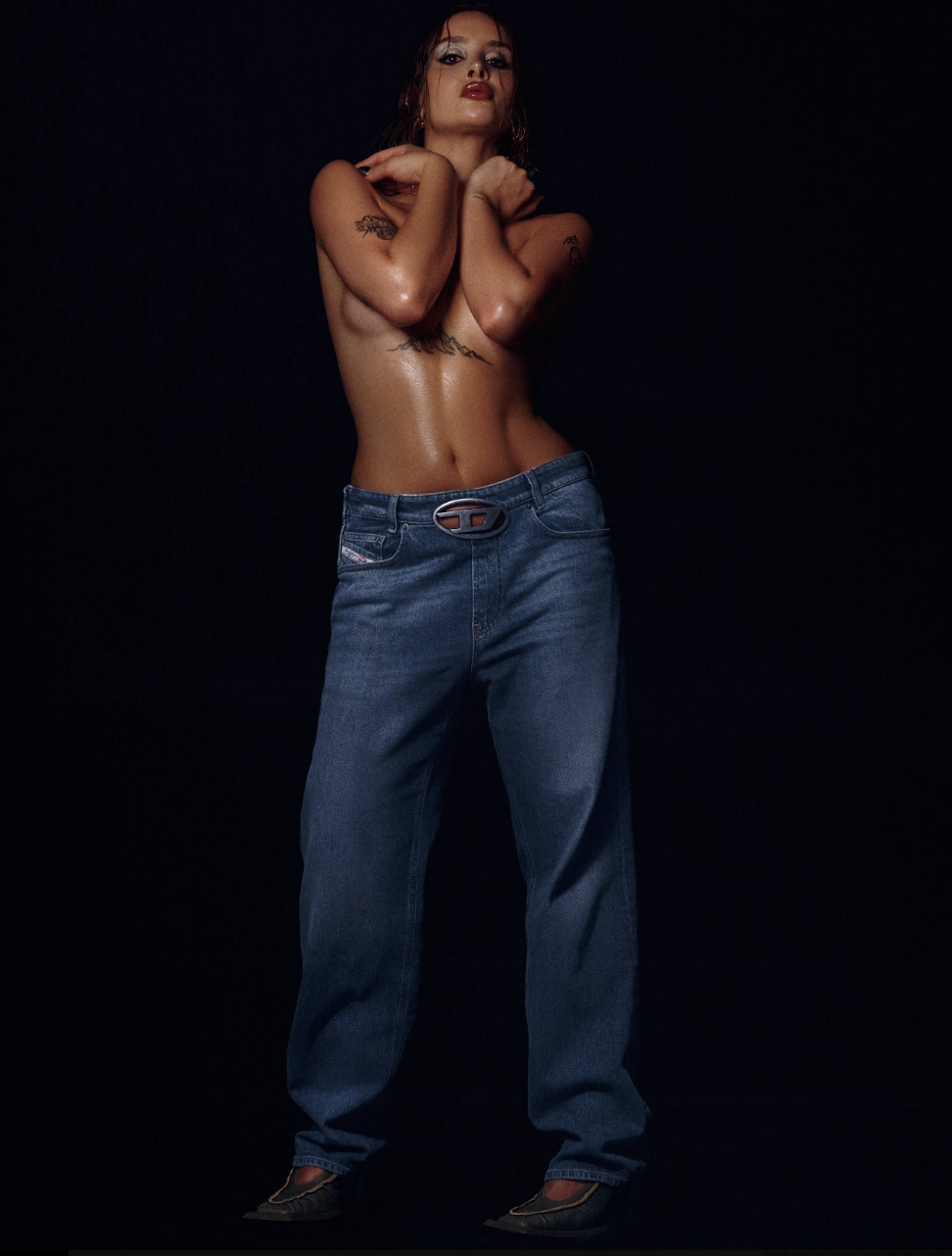
“LTMFG” started as a post-breakup idea but evolved into something much bigger. At what point did you realize this wasn’t just a song about letting go of someone else but about reclaiming yourself?
I think I realized that while writing it. What started as a breakup song slowly became a mirror for every area of my life where I was holding on too tightly. It wasn’t just about a relationship anymore, it was about letting go of old stories, fear, expectations, and the belief that my happiness depended on someone or something outside of me. That’s when I knew this song had become much bigger than heartbreak. It has become a reminder that sometimes the greatest thing we can reclaim is ourselves.
A lot of people know they should let go of what’s hurting them, yet they hold on anyway. What was the hardest thing you’ve personally had to release in order to find peace?
Honestly, the need to control the outcome. Whether it was relationships, my career or trying to fix situations that weren’t mine to fix, I spent a lot of energy believing that if I just tried a little harder, everything would work out. Finding peace came when I realized that letting go isn’t giving up, it’s trusting that what’s meant for you won’t require you to abandon yourself.
The video captures people smashing symbols of their past pain. Was there a moment during filming that felt surprisingly emotional or cathartic for you?
Absolutely! It was amazing to watch everyone write down things they were ready to let go of before smashing them. There was so much laughter, but there were also these quiet moments where you could tell people were releasing something real. I felt a huge release from my body when I took the first swing and smashed the vase. In the video you can almost see the energy rushing through my veins and instantly, I felt lighter.
It reminded me that healing doesn’t always have to be heavy, sometimes it looks like your friends cheering you on while you swing a gold baseball bat at an old story you’ve been carrying for way too long.
You’ve experienced the highs and lows of the music industry, from Nashville opportunities to building your career independently back home. What has that journey taught you about resilience?
It’s taught me that resilience isn’t about never feeling discouraged, it’s about continuing to show up anyway. There have been incredible highs and some really difficult seasons, but every chapter has taught me something valuable. Looking back, I wouldn’t change the journey because it’s shaped not only the artist I am today but the person I am too.
Looking back at your younger self chasing big dreams, what’s something you wish she understood that you only learned through experience?
I’d tell her that success isn’t something you arrive at one day, it’s who you become while you’re pursuing your dreams. I spent so many years believing I’d finally feel enough once I reached the next milestone. What I’ve learned is that confidence doesn’t come from accomplishments. It comes from learning to like the person looking back at you in the mirror.
There’s a strong message of self-worth running through this release. Was there a defining moment in your life when you stopped seeking validation from others and started trusting yourself?
I don’t think it was one defining moment, I think it was a compilation of many little ones. Every time I chose my intuition over someone else’s opinion, every boundary I set, every time I walked away from something that wasn’t aligned, I built more trust in myself.
Looking back, I realize self-worth isn’t something you suddenly find. It’s something you practice every single day.
You’ve described “LTMFG” as being about surrender. In a world where we’re constantly told to fight harder and push more, what does surrender actually mean to you?
To me, surrender isn’t quitting, it’s releasing the need to force what isn’t meant for you. It’s trusting that life sometimes has a better plan than the one we’ve been desperately trying to control. Ironically, the more I’ve surrendered, the more freedom I’ve found. That’s really what “LTMFG” is about.
Your upcoming book focuses on self-love. Was writing a book always part of the plan, or did you realize there were conversations you wanted to have that couldn’t fit into a three-minute song?
I’ve always loved storytelling, so writing a book felt like a natural extension of my music. Songs have this incredible ability to make people feel seen in just a few minutes, but there were conversations about healing, boundaries, wellness, relationships and self-worth that deserved more space.
The book lets me dive deeper while still carrying the same heart behind my music.
Country music has traditionally explored heartbreak from a place of sadness. Do you think we’re entering an era where artists are more interested in telling stories about healing and personal growth?
I do, and I think that’s a beautiful thing. Heartbreak will always be part of country music because it’s part of being human, but I think people are also craving hope.
We still want songs that acknowledge the pain, but we also want songs that remind us we can heal, grow and come out stronger on the other side. That’s definitely the message I wanted “LTMFG” to live in.
If someone is listening to “LTMFG” while going through one of the toughest periods of their life, what would you want them to hear between the lines of the lyrics?
I’d want them to know that letting go doesn’t mean you’ve failed, it means you’re making room for something better. Whatever you’re holding onto, you don’t have to carry it forever.
I hope the song reminds people that they’re stronger than they think, worthy exactly as they are and that sometimes the most courageous thing you can do is choose yourself and take one small step toward a new beginning.
As a matter of fact, I received a message from a beautiful friend of mine who was in the “LTMFG” music video. She let me know that a friend of hers had reached out to thank her for sharing the song, as she had a best friend going through a very trying time with an ex.
She passed along the song to her quiet, introverted friend who was dealing with heartache, and the next thing she knew this woman felt a weight lifted and had viewed her unfortunate connection in a different light. She’s now simply choosing to “Let the Motherf*cker Go” and has said that it’s brought her so much peace.
This is why I do what I do, and this is success for me: to help lift and inspire those around me who need it the most.
London based artist KARIXX has never been interested in following the expected path. With her latest single, 5 Lovely Seconds, she delivers a theatrical and thought provoking release that swaps commercial formulas for cinematic storytelling, vintage glamour and a surprisingly liberating message.
At its heart, 5 Lovely Seconds is about the exhausting weight of seeking approval and the moment of realising that most people spend only a few seconds thinking about us before returning to their own lives. That simple observation becomes the foundation for one of KARIXX’s most personal releases to date, transforming insecurity into creative freedom.
The song began life as something far darker, inspired by the philosophical themes of Fight Club and its exploration of identity, ego and social expectations. As the writing process evolved, so did the music. The original concept gradually gave way to a playful, Gatsby inspired atmosphere filled with vintage flair, theatrical production and tongue in cheek humour. The result is a track that feels both nostalgic and refreshingly original.
Recorded in London alongside a close producer collaborator, the city itself became part of the narrative. Surrounded by image conscious culture and the constant pressure to appear successful, KARIXX found the perfect backdrop for a song questioning why so many of us devote so much energy to worrying about how we are perceived.
Rather than chasing mainstream trends, KARIXX embraces individuality. 5 Lovely Seconds stands apart from the rest of her catalogue as her only release exploring this cinematic, vintage inspired world. It is intentionally unconventional, blending retro aesthetics with philosophical songwriting that encourages listeners to stop overthinking, take creative risks and embrace the possibility of looking foolish.
The song’s central lyric, “Five lovely seconds of their time spent thinking about you,” perfectly captures its message. It serves as a reminder that our greatest limitations often exist only in our own minds, and that creative freedom begins the moment we stop living for other people’s opinions.
With 5 Lovely Seconds, KARIXX continues to build an artistic identity that extends well beyond music alone. Every release contributes to a larger creative universe built around atmosphere, storytelling and visual identity, proving that authenticity remains far more compelling than conformity.
If this single is any indication, KARIXX is creating a world entirely on her own terms, and inviting listeners to find the confidence to do the same.
OVERMONO
Release new single ‘Knight In Shining Prada (feat. John Joseph Holt)’
Forthcoming new album Pure Devotion
Out 7th August via XL Recordings
|
|
|
Overmono – Knight in Shining Prada (feat. John Joseph Holt) (Official Video)
|
Celebrate the release of the brand new EP Without You is Hard with a special headline show at The Lower Third on August 20. With the EP arriving the very next day, this will be the first chance to hear the new songs live.
Joining the night is special guest Miss Darcey.
📍 The Lower Third, London
🗓 August 20
🎟 Tickets: https://dice.fm/event/q2…lng=en
Don’t miss this special night celebrating the start of a new chapter.
|
|
|
|
|
|
Seoul’s genre-defying electronic-punk innovators return to Australia following growing international acclaim.Australian audiences will have the chance to experience one of South Korea’s most uncompromising underground acts when HYPNOSIS THERAPY returns this week for a three-date Australian tour. Presented by Tiny Minds Agency, the tour will see the Seoul-based duo perform intimate headline shows in Naarm, Melbourne and Eora, Sydney, before joining acclaimed Australian act Full Flower Moon Band for a special Meanjin, Brisbane, appearance. Comprising of rapper JJANGYOU and producer Jflow, HYPNOSIS THERAPY has builtComprising rapper JJANGYOU and producer Jflow, HYPNOSIS THERAPY has earned a reputation as one of the most exciting names emerging from Korea’s alternative music scene. Blending breakbeats, techno, punk, rave and experimental electronic music, the duo has forged a sound that is as confrontational as it is danceable. Rolling Stone Australia described the pair as: “Composed of scene veterans vocalist Jjangyou and producer Jflow, the pair have impressed on solo endeavours but really come into their own together.” Since forming in Seoul in 2022, HYPNOSIS THERAPY has become known for high-intensity live performances that combine underground club culture with punk attitude and socially charged lyricism. Their music explores themes of conformity, identity and resistance, transforming frustration into immersive electronic soundscapes. The duo has steadily expanded its international profile through tours across Europe and Asia while collaborating with global brands including Converse, Nike and Maker’s Mark. In 2026, they will also perform at Spain’s renowned Primavera Sound festival, further cementing their growing global reputation. Their latest release, NO, created in collaboration with boundary-pushing electronic artist Alex Wilcox, represents the group’s boldest artistic statement to date. Released in late 2025, the EP fuses big beat, rave, techno, punk and breakbeat into a powerful collection centred on individuality and creative freedom. Rather than delivering political slogans, NO channels its message through explosive rhythms, irony and infectious energy. It is a celebration of refusing conformity and embracing difference, an approach that has resonated with audiences well beyond Korea’s underground scene. HYPNOSIS THERAPY’s visual identity is equally distinctive. Their mushroom emblem symbolises life emerging from decay and light growing through darkness, reflecting the duo’s philosophy of transforming chaos into creativity. With three acclaimed releases already behind them- HYPNOSIS THERAPY (2022), PSILOCYBIN (2023) and RAW SURVIVAL (2024) – the duo continues to push the boundaries between electronic music, punk and performance art. This is one live show NOT TO BE MISSED! Tiny Minds Agency presents: HYPNOSIS THERAPY AUSTRALIAN TOURThursday 16 July – The Grace Darling Naarm, Melbourne Friday 17 July – The Lord Gladstone Eora, Sydney Saturday 18 July – The Tivoli Meanjin, Brisbane Tickets are available via www.tinymindsagency.com
|
What was the first real image or moment that became “Shampoo” before it ever became a song?
Shampoo came from an emotion I’ve experienced a few times toward the end of a relationship. There is this inconceivable notion that you and your partner will inevitably be intimate with other people, and each time I’ve found that such a scary image. You know that it’s totally acceptable and that there is nothing you can do about it, the commitment that was made between two people is now broken and you just have to accept that. That feeling is where the initial idea for Shampoo was born.
What draws you to that grey area where nothing has fully collapsed yet?
I think the grey area is more interesting. I like to bask in the happy and sad of it all. I don’t think one truly views anything clearly at the beginning or the end. Clarity comes with time and time makes you neutral, so it is easier to admit fault and understand pain.
At what point does intuition tell you a relationship is already over, even when everything on the surface is still functioning?
Most of my breakups have been friendships, which I think are worse than romantic endings. So with that context, in my experience, no two endings of any human relationship are the same. Being blindsided, not wanting to admit it’s over, or being the one to pull the trigger, I think broadly they are all the same. Once it’s over, it’s over.
“Shampoo” turns something ordinary into a trigger for emotional recognition. Why do small details feel more honest to you than big dramatic moments?
The ordinary can be harder to come to terms with than the drama, because sometimes the ordinary operates within helplessness. I’ve been in situations where there is no fixing the fact that two people aren’t meant to exist in each other’s reality forever. Nothing big happens, it just fizzles. Big drama fueled blowouts can generally be fixed because usually someone is in the wrong, but the ordinary lives somewhere so much deeper. I’ve found it hurts much more.
Do you think people recognise endings in real time, or only ever in hindsight like the version described in “Shampoo”?
For me it’s always hindsight. When things end in real time, adrenaline takes over to help you survive. Hindsight gives clarity, and clarity is how you move on.
When you were building this EP, what emotional truth did you feel yourself returning to again and again without trying to?
When I was writing this body of work, I was in this very strange period of my life where my deep relationships were coming and going, and I found it very all consuming. The only way I knew how to deal with it was to write about it. The emotional core of the EP is the title Without You Is Hard. I truly realised how hard life is without friends, family, and love.
The Hospital exists as both a project and a place. How does “Shampoo” expand or change that place emotionally?
The intention with any music I make as The Hospital is for it to be relatable and enjoyable. The point of the name is how healing music is for me. I want it to be a companion for those who need it.
What is something about love or connection that you now understand in a more complicated way than when you started this project?
That love is never a guarantee and it’s not to be taken for granted. I honestly believe you have to love yourself to be loved. This is not to be confused with vanity or ego.
In “Shampoo,” familiarity becomes slightly unsettling rather than comforting. What do you think makes recognition turn that way?
If you get lazy in love, that fire dims. I’ve always found this unsettling because sometimes you don’t see it coming. Life has its own plan for you. I believe you just have to be the best version of yourself for you and others. The rest you can’t control.
If someone listens to “Shampoo” at the exact wrong moment in their life, what do you hope it quietly reveals to them about their own experience?
My music is an offering from me to the listener to share my experience in the hopes they recognise a part of their own story in mine, to feel less alone. I want you to be thinking about your loved ones when listening to my music, not mine.
From global hits like Udd Gaye, Liggi and Sage to creating one of the most unique live experiences in electronic music, Ritviz has always blurred the lines between tradition and innovation. With Kurta Saree Dance Party (KSDP), he has taken that vision beyond music, creating an event where fashion, culture, identity and community become part of the performance itself.
Ahead of the Australian edition of KSDP, we caught up with Ritviz to talk about the inspiration behind the concept, celebrating South Asian identity, and why belonging has become just as important as the music.
What was the moment you realised Kurta Saree Dance Party was more than a show and actually a cultural statement?
I don’t think it started with the intention of making a statement. It came from wanting to create a space that felt familiar to me. The first time I saw people turning up in kurtas, sarees, sneakers, or clothes they’d never usually wear to a club, I realised this was becoming something much bigger than a concert. People weren’t dressing up because they had to—they were expressing a part of themselves. That’s when I understood KSDP wasn’t just about my music anymore. It had to become something people wanted to belong to.
KSDP brings together fashion, music and identity in the same space. How intentional was it to make the audience part of the performance rather than just observers?
Very intentional. I’ve always believed the audience completes the experience. With KSDP, I didn’t want people standing in front of a stage watching me perform; I wanted everyone to feel like they were creating the night together. When everyone walks into the room wearing kurtas and sarees, dancing together regardless of where they’re from, it changes the energy completely. The crowd becomes the visual identity of the show. That’s what makes every city feel unique.
You have described KSDP as something that exists between cultures. How has your own experience of identity shaped the way this concept came to life?
Growing up in India, I was always surrounded by traditional sounds and rituals, but I was equally obsessed with electronic music, hip-hop and everything happening globally. I never saw those things as separate worlds. That’s how I make music too. I don’t think in terms of “traditional” versus “modern.” They’re all just influences that exist naturally together. KSDP is really an extension of that mindset. It’s a space where people don’t have to choose one identity over another; they can celebrate all of it at the same time.
From Udd Gaye to Liggi and Sage, your sound has travelled globally. How does it feel to now create something that is equally about community as it is about music?
It’s probably the most rewarding part of what I do now. Songs have always connected people, but KSDP lets me actually witness that connection in real time. I see strangers becoming friends, people introducing their cultures to each other, families coming together, and people feeling represented in spaces where they maybe haven’t before. Music brought everyone into the room, but community is what makes them want to come back.
What does it mean to you to see South Asian identity expressed so freely and unapologetically on a dancefloor in cities like Sydney and Melbourne?
It’s honestly beautiful. For a long time, a lot of people felt like they had to leave parts of their identity at the door to fit into certain spaces. Seeing thousands of people proudly wearing traditional clothing, dancing to Indian sounds mixed with electronic music, and sharing that experience with friends from completely different backgrounds, it feels like we’ve reached a point where people are celebrating culture instead of explaining it. That’s incredibly special.

KSDP blends tradition with modern electronic production. How do you approach balancing cultural roots with experimentation without losing either?
If something genuinely inspires me, I’ll explore it honestly instead of trying to make it fit into a formula. Whether it’s an old folk melody, a percussion rhythm or a synth line, everything deserves the same curiosity. I think audiences can tell when something is authentic versus when it’s just being used as an aesthetic. As long as the intention is real, the music finds its own balance.
Was there a specific influence or personal memory that helped shape the immersive world-building aspect of KSDP?
A lot of it comes from growing up around Indian weddings and festivals. Those were always spaces where music, food, colours, fashion and people all existed together. There wasn’t really a separation between performer and audience; everyone contributed to the atmosphere. I wanted to recreate that feeling inside a modern club environment. Not literally, but emotionally. Somewhere that feels warm, welcoming and celebratory from the moment you walk in.
You have said this is not a standard club night. What do you think mainstream nightlife gets wrong about cultural expression and belonging?
I don’t think mainstream nightlife gets it wrong; I just think there’s room for more experiences that make people feel seen. A lot of nightlife is built around escaping reality. KSDP is almost the opposite. It’s about bringing your whole self into the room. Your culture, your language, your clothes, your friends, everything is welcome. When people feel like they don’t have to edit themselves, the energy becomes much more genuine.
How do audiences in different countries respond to KSDP, and do you notice any differences in how the message is received or understood?
The reactions are different, but the emotion is usually the same. In India, there’s an immediate familiarity because people recognise a lot of the cultural references instinctively. Outside India, especially in places like Australia, London or North America, there’s another layer to it. For members of the South Asian diaspora, it often feels like reconnecting with something they grew up with. For everyone else, it’s an invitation into a culture through music and celebration instead of explanation.
When people leave a KSDP night, what do you hope they carry with them beyond the music and the energy of the event?
I hope they leave feeling a little more connected to themselves, to the people they came with, and maybe even to people they had never met before. If someone walks away feeling proud of who they are, or curious about somebody else’s culture, then I think we’ve achieved something meaningful. The music lasts for a few hours, but hopefully that feeling stays with people much longer.
Kurta Saree Dance Party (KSDP) – Australia
Friday 24 July – Eora, Sydney – Liberty Hall, Eora, Sydney
Shah Rule – Emcee and Host
DJ – TBA
Support: Electric Korma
Sunday 26 July – Naarm, Melbourne – 170 Russell, Naarm, Melbourne
Shah Rule – Emcee and Host
DJ – TBA
Support TBA
TEYI [Official Lyric Video] | KURTA SAREE
MG Live, Frontier Touring and Arena Touring are thrilled to announce that global R&B icons Boyz II Men are returning to Australia and New Zealand in November and December for a run of outdoor and arena shows. Joining them for an unmissable celebration of timeless hits, iconic voices and era-defining anthems are rap royalty Salt-N-Pepa and, for the first time in Australia, R&B and hip-hop pioneers Bell Biv DeVoe.
The superstar lineup will perform arena shows in Perth on Thursday 26 November at RAC Arena; Sydney’s TikTok Entertainment Centre on Friday 4 December; as well as New Zealand’s Spark Arena, Auckland on Tuesday 1 December.
This summer’s hottest tour also marks the return of a day on the green* for 2026, with Boyz II Men – the best-selling R&B group of all time – together with Salt-N-Pepa and Bell Biv DeVoe at Mount Duneed Estate, Geelong, VIC on Saturday 28 November; Bimbadgen, Hunter Valley, NSW on Saturday 5 December; and Sirromet Wines, Mount Cotton, QLD on Sunday 6 December.
NAB Goodies Visa (AU) presale commences Monday 13 July at 11.00am local time for 48 hours (or until presale allocation exhausted) via nab.com.au/presale
Frontier Member, a day on the green and MG Live presales begin Wednesday 15 July, 12.00pm local time before tickets go on sale to the public from Friday 17 July, 11.00am local time.
All ticketing and tour information via frontiertouring.com/boyziimen
Boyz II Men are the best-selling R&B group of all time, with more than 64 million albums sold. Their prestigious accolades include four Grammy Awards, nine American Music Awards, nine Soul Train Awards, three Billboard Music Awards, a star on the Hollywood Walk of Fame, and dual Hall of Fame inductions.
With their iconic voices and smooth harmonies, Nathan Morris, Wanya Morris and Shawn Stockman spent the ’90s creating timeless songs that still resonate decades later. They include End of the Road – which stayed at number one on the Billboard Hot 100 for 13 weeks, breaking the record previously held by Elvis Presley – and I’ll Make Love To You, which both hit number one in Australia and New Zealand. Then there’s One Sweet Day (with Mariah Carey), On Bended Knee and Motownphilly – classic hits that have carried from the CD era to streaming with ease.
BOYZ II MEN
WITH SPECIAL GUESTS SALT-N-PEPA & BELL BIV DEVOE
AUSTRALIA & NEW ZEALAND
NOVEMBER & DECEMBER 2026
Presented by MG Live, Frontier Touring & Arena Touring
NAB GOODIES VISA PRESALE (AU)
via nab.com.au/presale
Runs 48 hours from: Monday 13 July (11am local)
or until presale allocation exhausted
FRONTIER MEMBER PRESALE
via frontiertouring.com/boyziimen
Runs 24 hours from: Wednesday 15 July (12pm local)
or until presale allocation exhausted
MG LIVE MEMBER PRESALE
via mg.live/boyziimen
Runs 24 hours from: Wednesday 15 July (12pm local)
or until presale allocation exhausted
A DAY ON THE GREEN MEMBER PRESALE*
via adayonthegreen.com.au
Runs 24 hours from: Wednesday 15 July (12pm local)
or until presale allocation exhausted
*a day on the green shows only
TICKETS ON SALE
Begins: Friday 17 July (11am local)
ALL SHOWS LIC. ALL AGES
Thursday 26 November
RAC Arena | Perth, WA
Lic. All Ages
ticketek.com.au
Saturday 28 November
a day on the green*
Mount Duneed Estate | Geelong, VIC
Lic. All Ages
ticketmaster.com.au
Tuesday 1 December
Spark Arena | Auckland, NZ
Lic. All Ages
ticketmaster.com.au
Friday 4 December
TikTok Entertainment Centre | Sydney, NSW
Lic. All Ages
ticketek.com.au
Saturday 5 December
a day on the green*
Bimbadgen | Hunter Valley, NSW
Lic. All Ages
ticketmaster.com.au
Sunday 6 December
a day on the green*
Sirromet Wines | Mount Cotton, QLD
Lic. All Ages
ticketmaster.com.au
*Not a Frontier Touring show
For all a day on the green event, transport & parking information adayonthegreen.com.au
|
Patrons are advised to purchase tickets only through authorised ticket sellers. We cannot guarantee any ticket purchase made through any means other than the official ticketing agents listed on the Frontier website. |
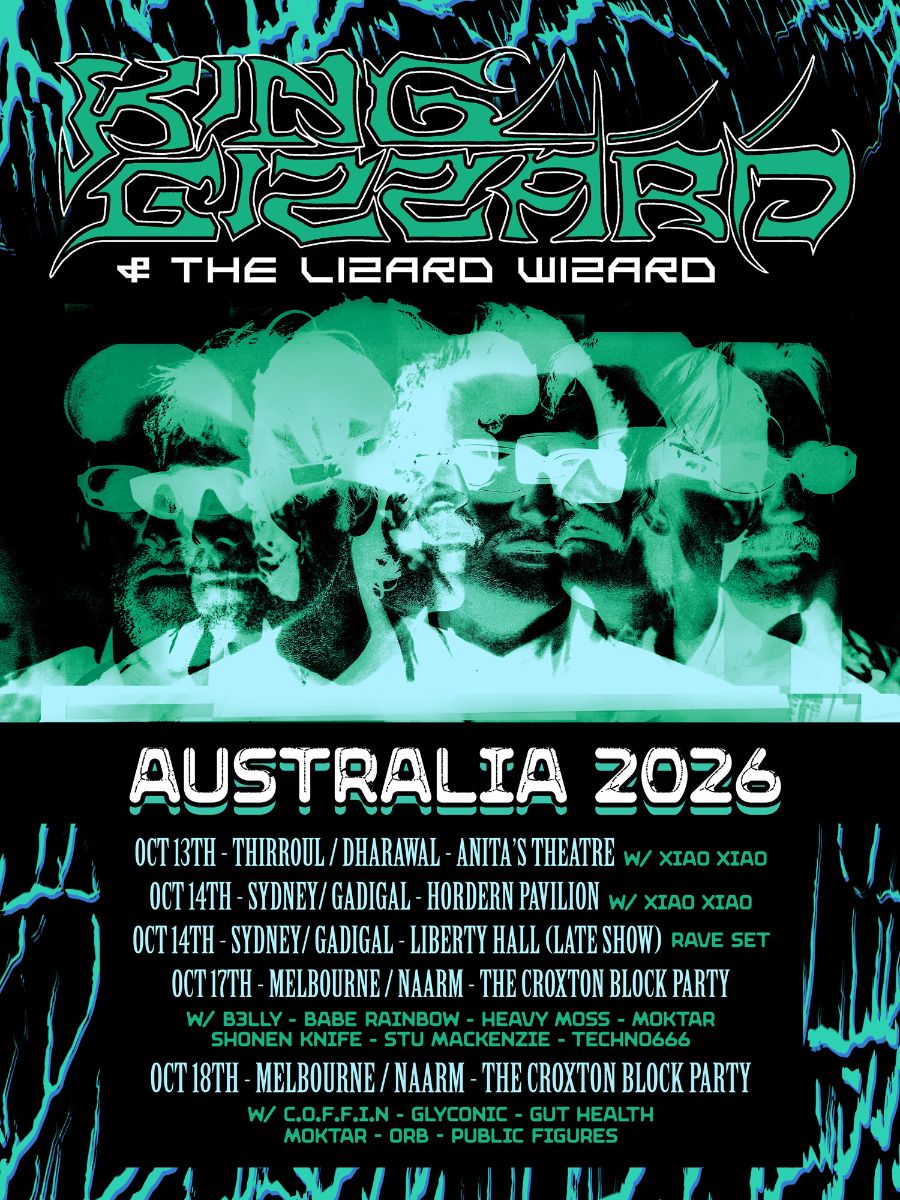
King Gizzard & the Lizard Wizard detail new album Alien Metal & share first single & video ‘Level 5’
KING GIZZARD & THE LIZARD WIZARD ANNOUNCE DETAILS OF NEW ALBUM
ALIEN METAL
& SHARE NEW SINGLE/VIDEO ‘LEVEL 5’
+ PLAYING NEW YORK’S FOREST HILLS STADIUM & UNDER THE K BRIDGE SHOWS + THE RETURN OF THEIR SOLD-OUT FIELD OF VISION FESTIVAL THIS AUGUST
Photo Credit: Maclay Heriot. Album artwork Credit: Jason Galea
|
|
|
|
||||||||
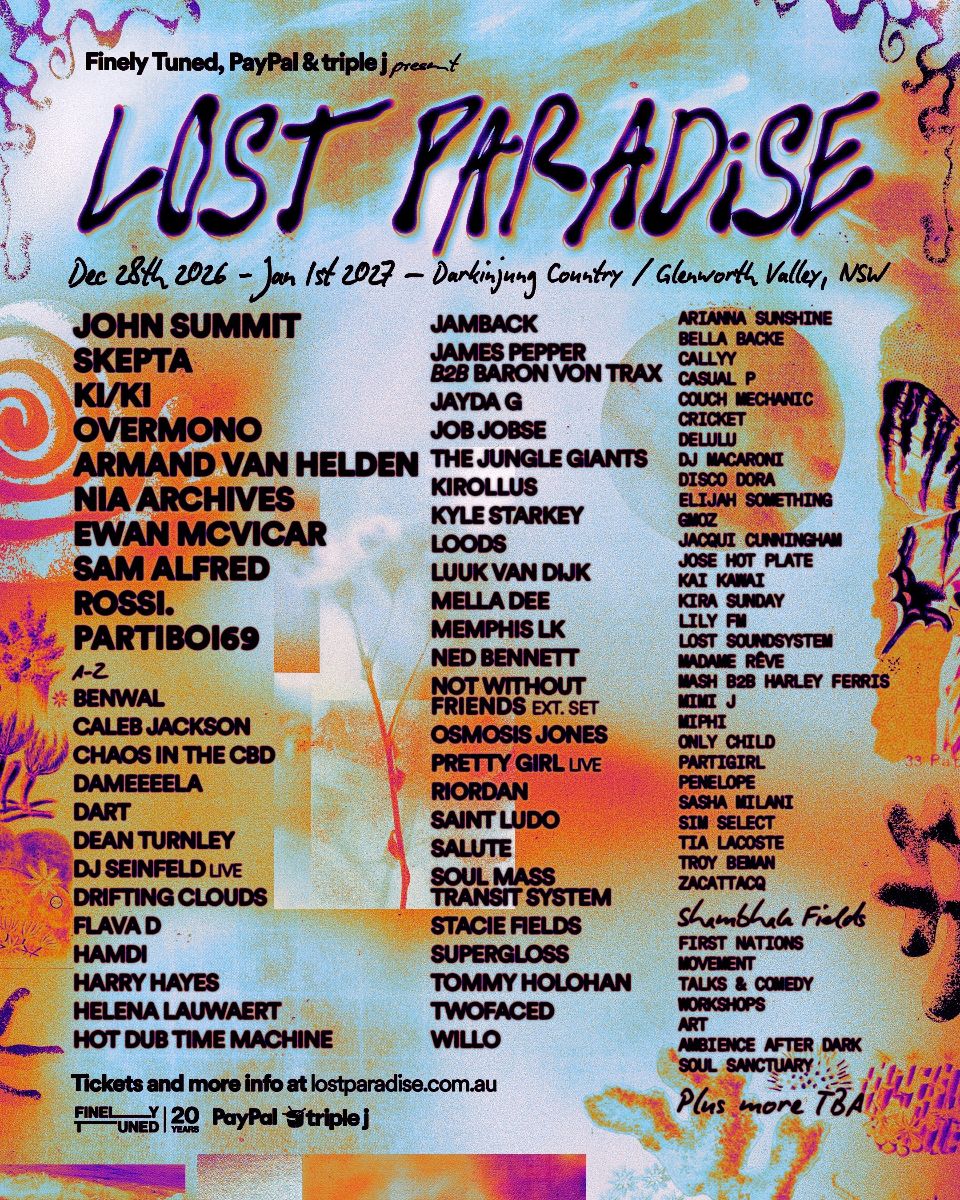
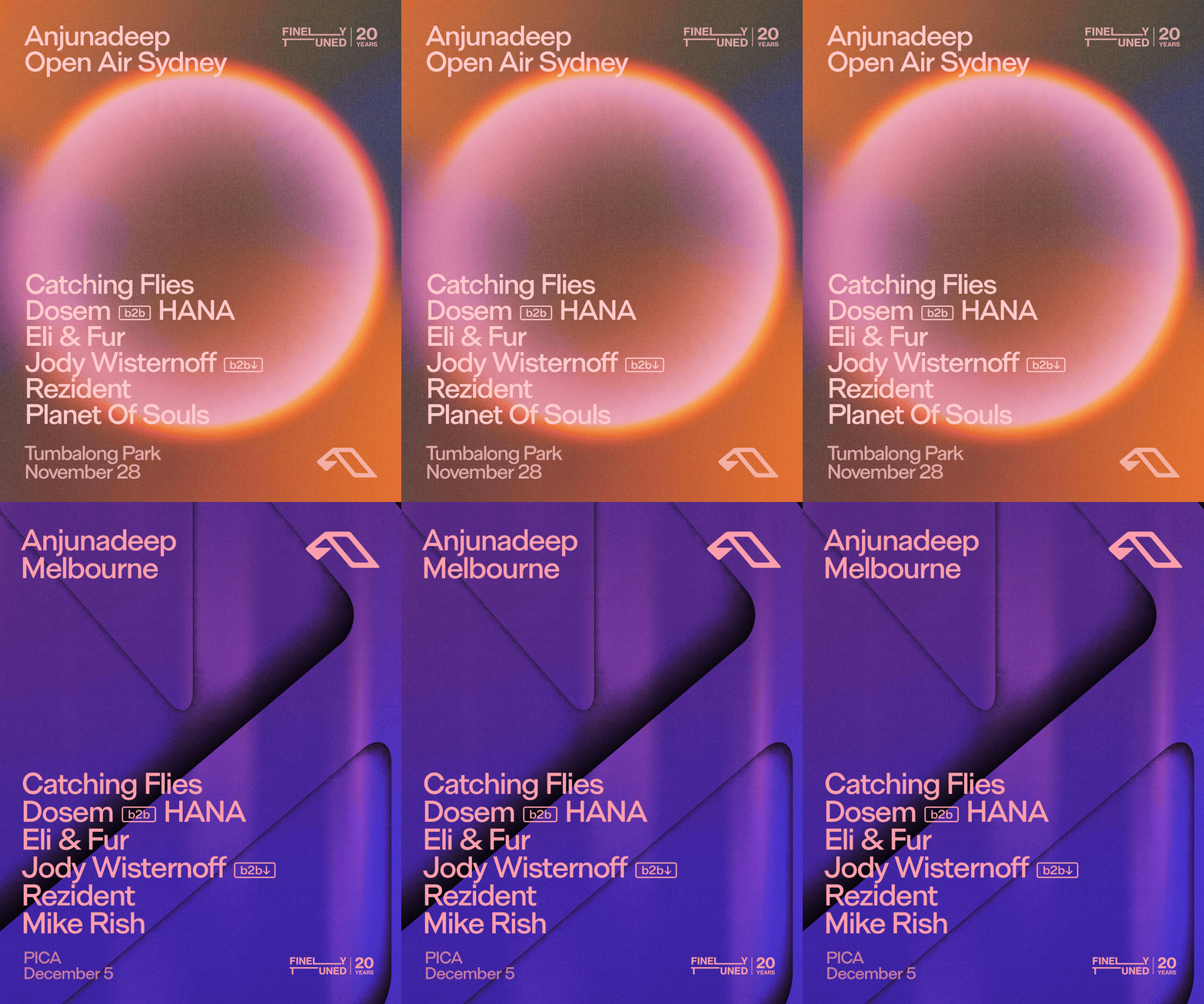
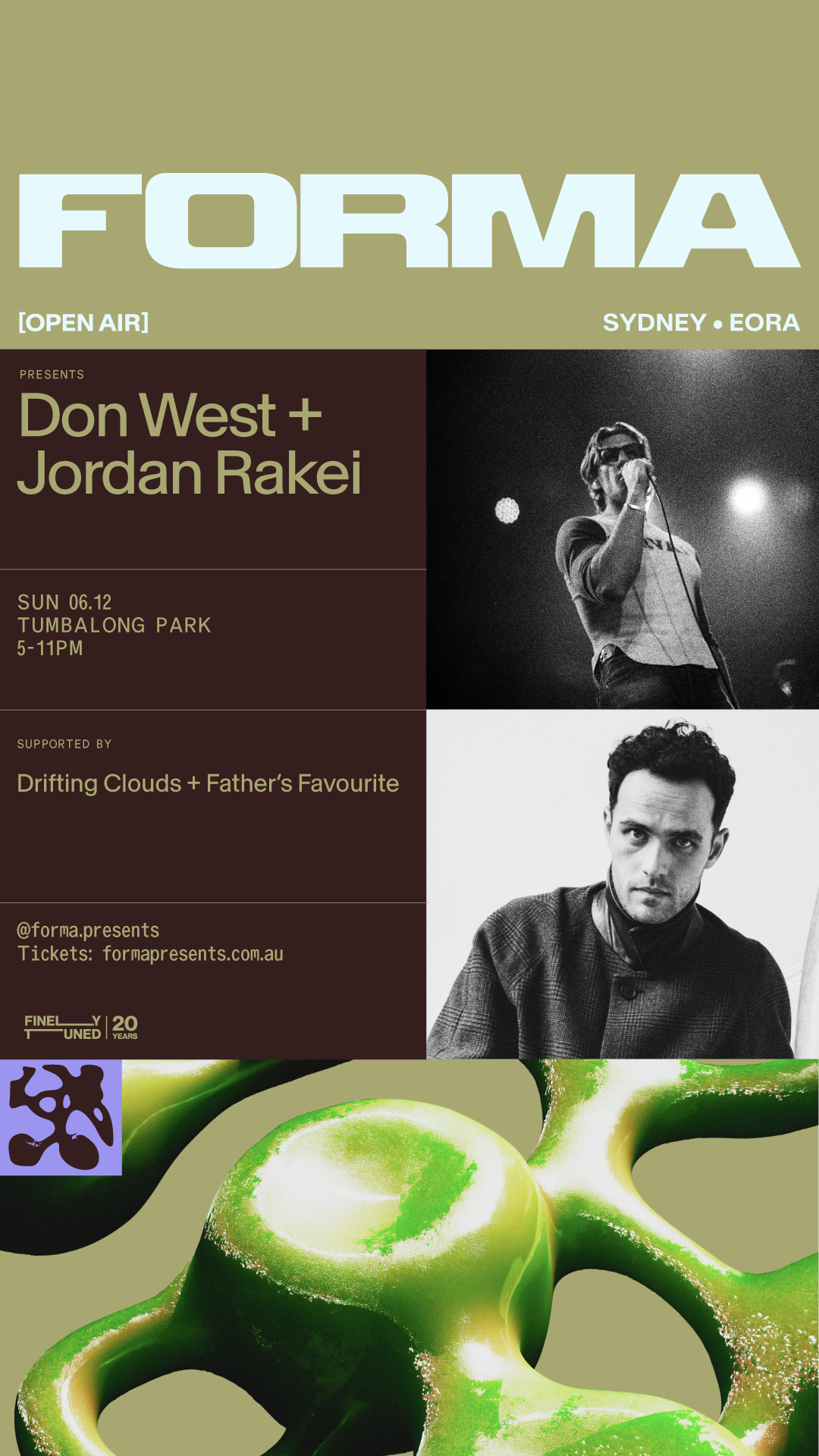
FINELY TUNED CELEBRATES 20 YEARS AND INTRODUCES INAUGURAL OPEN AIR SUMMER SERIES…
|
||||||||||||||||||||||||||
|