
Thirty years is a long time in music. Tastes change, venues disappear, festivals come and go, but some names manage to remain part of the conversation.
Fuzzy is one of them.
Founded in Sydney in 1996 with Sublime, an 800-capacity club night on Pitt Street, Fuzzy grew from a club night into one of the most influential live music and festival operators in Australia. Over three decades, its events have become part of the fabric of Australian summer, from Parklife and Field Day to Harbourlife, Listen Out and Shore Thing.
Now, as Fuzzy celebrates its 30th anniversary, the company is marking the occasion with a new identity designed to reflect where it is today rather than simply where it has been.
The story began with John Wall, Ming Gan and Adelle Robinson, who helped build Fuzzy into a national operation. Wall and Gan stepped away from the company in 2025, with Robinson, who joined during Fuzzy’s early years, now leading the business as CEO.
For Robinson, the anniversary is as much about looking forward as it is recognising the past.
“Thirty years is a huge milestone in live music, particularly when you think about how much the industry has changed since 1996,” she says. “What I’m most proud of is that Fuzzy has kept moving with it.”
That ability to evolve has been central to Fuzzy’s story. The company has moved from club nights into festivals, regional events, touring productions and new live formats, while continuing to put artists and the experience of being there at the centre.
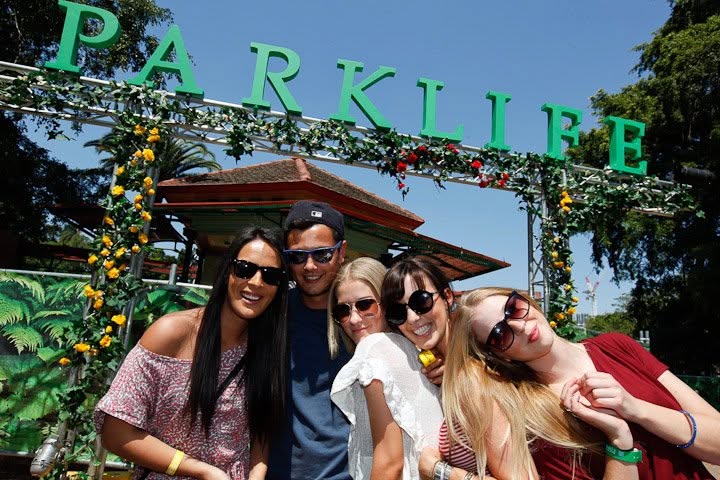
Some of Australia’s biggest artists have also passed through Fuzzy’s stages early in their careers. Flume, for example, opened a small stage at Parklife in 2012 after winning the Triple J Unearthed competition. Less than a decade later, he returned to headline Listen Out and Field Day.
At 30, Fuzzy isn’t slowing down.
In 2026, Groovin the Moo returned with a one-off show in Lismore following a two-year hiatus, while Field Day celebrated its 25th anniversary and will return to Sydney on New Year’s Day 2027.
The Point has also expanded Fuzzy’s live offering, bringing artists including Missy Higgins and The Teskey Brothers to Fleet Steps, a location that has hosted Fuzzy events since 2003. Harbourlife now sits within the wider series alongside its headline concerts.
Earlier this year, Golden Hour brought 15,000 people to Bondi Beach for Crowded House, while Fuzzy also brought UK festival Mighty Hoopla to Australia for the first time and secured the licence to bring New Year’s Eve celebrations back to Bondi Beach.
Away from the major festival stages, Fuzzy’s touring arm has continued to grow, with recent tours featuring Mochakk, Dennis Cruz, Disco Lines, MEDUZA, Gorgon City and Levity. From here, those tours will sit under a new banner, A Tour by Fuzzy, giving the company’s touring work its own place within the broader Fuzzy identity.
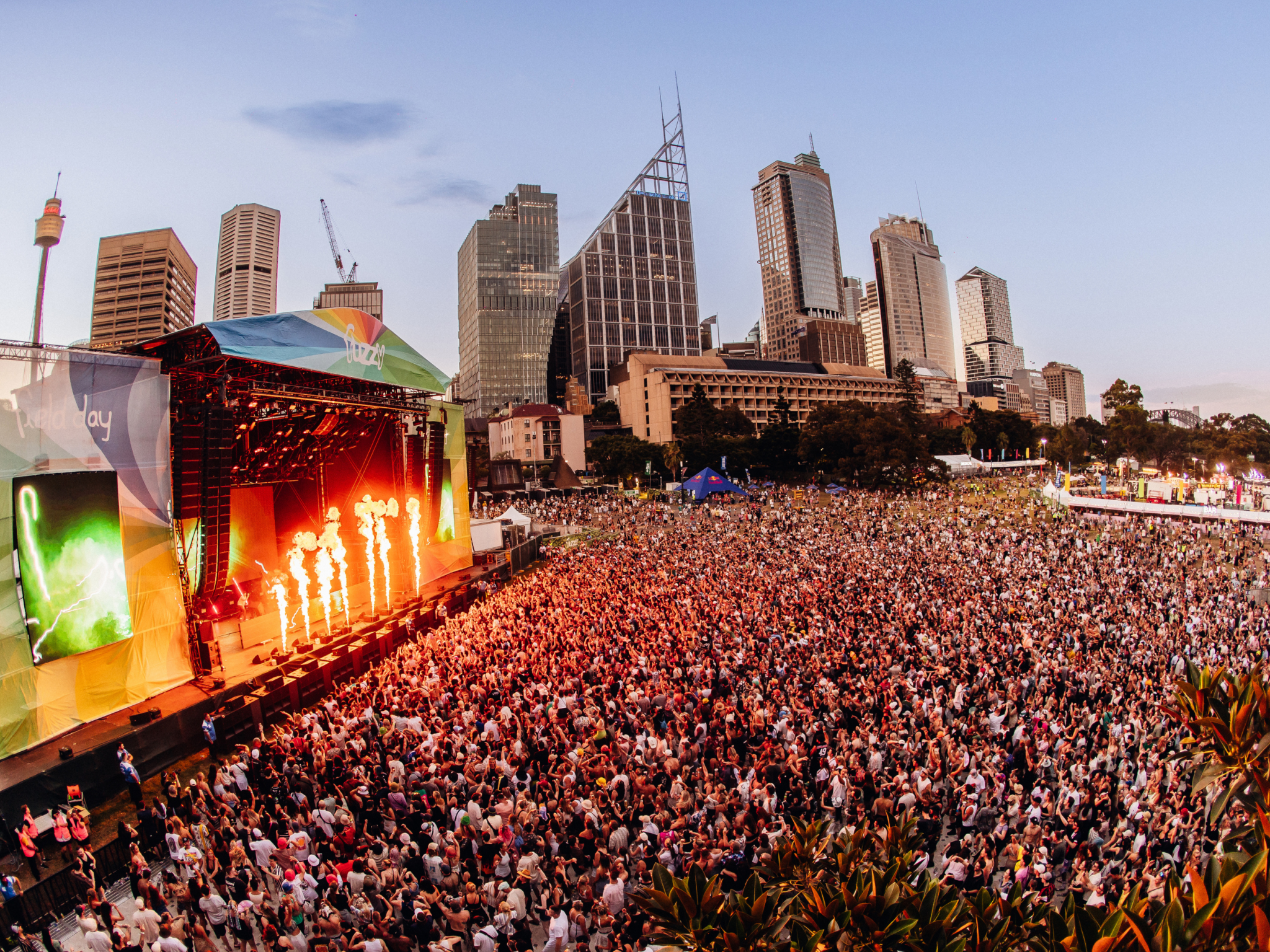
The rebrand isn’t simply about a new logo or visual direction. It reflects a company that has changed considerably while holding onto the principles that have kept it going for three decades.
That includes making live music more accessible. Fuzzy’s MobTix and Affordability Tix programs provide significantly discounted tickets for Aboriginal and Torres Strait Islander people and people holding selected concession cards across Fuzzy-run shows.
Sustainability has become another part of the operation, with recycling programs now running across major Fuzzy events. In 2024 alone, the team prevented around 650,000 cans and paper cups from going to landfill, with funds generated through Return and Earn donated to charity.
“Good Times, Done Properly” remains the mantra.
Thirty years after Sublime first opened its doors, Fuzzy has grown into something considerably larger than the club night it started as. Yet the idea behind it remains familiar: bring good music, good people and a great setting together and give people a reason to show up.
The new identity is a line in the sand between what Fuzzy has built and what’s still to come.
Thirty years in, there’s clearly no intention of standing still.
