The Partae
  • Music
    • News
    • Interviews
    • Festivals & Events
  • Fashion / Culture
  • Stay & Play
  • About Us
  • Contact Us / Advertise
  • Submit Event

“Everything You Need” – Alexander Gallant introduces The Prince Of Birchy Head

April 14, 2026

INTERVIEW: Quiet as a Mouse – Between ‘Cocaine Soul’ and ‘From…To…’

April 14, 2026

Power duo DJ Sammy x Chris Diver ignite festival season with “Don’t...

April 12, 2026

Interview: Bud Rokesky on Dusk — Fear, Grief and the Power of...

April 11, 2026

Interview: Figurehead talk new single “Heart Like A Sunset”

April 9, 2026

FESTIVAL OF THE STONE 2026 LINEUP ANNOUNCEMENT Saturday 20 June, Byron Bay...

April 9, 2026

MATT CORBY ANNOUNCES THE TRAGIC MAGIC TOUR – ADELAIDE, PERTH, MELBOURNE, NEWCASTLE,...

April 8, 2026

Karnivool Announce Biggest Headline Shows of Their Career

April 8, 2026

DEAN TURNLEY EXCLUSIVE MELBOURNE SHOW

April 8, 2026

FREMANTLE INDIE ACT FIGUREHEAD RETURN WITH NEW SINGLE “HEART LIKE A SUNSET”

April 8, 2026
Category:

Music Interviews

Festival NewsMusic InterviewsMusic News

Interview: Ian Pidd on Curating Connection, Community and Creativity at Wanderer Festival

by the partae October 2, 2025
written by the partae

The Wanderer arts program has become a defining feature of the festival. What was your vision when curating this year’s program, and how does it build on past editions?

We really go out of our way to create a unique experience at the festival.  The arts is not an “add-on” or a side dish.  This year there is a concentration on physical performance and LOTS of interaction and participation.  So we have Circus Trick Tease coming, who were such a crowd favourite in the first iteration, doing a brand new show. But each of the members of that troupe are also incredible solo performers in their own rights, so we’ll see them doing “street” style shows in the Lost area.  Lost is where to go to get your surprises!  The hobby horse gymkhana, lots of dancing, tug of war, plus our various workshop things including the I Wear Wanderer  fashion experience. Legendary local venue Sam’s Caravan is there too. Oh and FLING doing flashmobs.  It’s going to be great at Lost.

This year’s lineup features everything from circus to physical theatre and interactive installations. How do you strike the balance between spectacle and intimacy in the program?

The way we do it is pretty simple.  We put together a weekend that WE would like to go to! Big things, smaller things, things to do, things to see. Things that you know about, and things you’ve never dreamed of.  Plus a bunch of things that we don’t tell anyone about, that just unfold. 

Wanderer is known for being as much about community and connection as it is about entertainment. How does the arts program foster that sense of shared experience?

The Big Lost Band I think really exemplifies how we celebrate community and connection.  140 community musicians meet on the four Sundays before the event and rehearse four bangers.  The gig (on Sunday at 2.30 at Sam’s Caravan) will be really something.  Maximum rock and roll.  But simply working with that group of people has been bliss in itself, show or no show.  I’m also really thrilled that we have the exceptional local choir Riverbend singing three songs with Missy Higgins. Good on Missy for saying yes to that!  That’s going to be pretty special.  Both these projects are incredible acts of creativity, but are also good community process . It helps that the community here on the coast is so strong and creative and up for making things happen.

The inclusion of acts like Circus Trick Tease, Hannah Cryle’s Giant Wheel, and Josh Phillips’ Giant Ladder suggests a strong focus on physical performance. What excites you about showcasing these kinds of works?  

Physical magnificence, great wit, cheekiness, gobsmaking ability. These folks are the best in the country.  It’s a privilege to present them. 

Interactive pieces such as Wheel of Fortune Karaoke and Hair by Mouse blur the line between performer and audience. How important is interactivity to the Wanderer experience?  

I am a huge believer in breaking those two categories down.  I like to say that some folks will leave the festival saying that their favourite part was something they did themselves. It may have been  line dancing with May, walking the catwalk in the fashion show, coming third in an event at the Hobby Horse Gymkhana or, indeed, singing with the live band at Wheel Of Fortune Karaoke.

The festival is held on the Sapphire Coast, a region known for its natural beauty. How does the setting influence the arts programming you design?

Well we can’t compete with that beauty. But we DO love the work of our amazing decor team, who seek inspiration in the colours and shapes of the beach.   What we can showcase, of course, are the wondrous locals artists and volunteers. They really make a difference to the vibe.  If you come along you’ll feel it.  I promise! 

Wanderer celebrates both established artists and emerging talent. What opportunities does the festival provide for up-and-coming performers to showcase their work?

We have local physical youth theatre FLING back with us, at Sam’s Caravan we are featuring multiple youth bands and musicians (watch out for the pretty fabulous Banana Sliders – average age 8!), The Big Lost Band has a strong though representation.  We’re always looking out for the up and comers.

The arts program also includes cultural experiences such as the Welcome to Country and Smoking Ceremony with the Duurunu Miru Dancers. How do you ensure the festival respectfully integrates First Nations voices and traditions? 

We have spent a lot of time listening and talking with the local mob.  We take our lead from them. Especially in regard to ceremony and protocol.  We’re very lucky to be able to create this festival on this beautiful Country – Yuin Country.  Also over the course of the festival we have featured lots of local indigenous voices.  Also this year, for the first time, we have a group of indigenous young people being mentored by our mainstage production crew.  

What’s one moment, performance, or surprise in this year’s arts program that you personally can’t wait for audiences to experience?

One??! I’m going to say The Big Lost Band’s version of Creep. But honourable mention to the moment when the local choir sings “Everyone’s Waiting” with Missy.  And the second runner up in the Hobby Horse Finals receiving their ribbon. Not a dry eye!

Tickets are selling fast, get yours now from www.wanderer.com.au

Wanderer is biennial so it would just be too long of a wait until the next one in 2027 if you miss out!

October 4th-5th Wanderer Festival Pambula Beach, NSW
3rd-5th Oct Onsite Campground

Subscribe to www.wanderer.com.au and follow us on socials to stay up to date.

Wanderer Festival is supported proudly by the NSW Government through its tourism and major events agency, Destination NSW

Reconnect. Explore. Discover. Be a Wanderer.

Wanderer: Official Website | Facebook | Instagram


October 2, 2025 0 comments
0 FacebookTwitterPinterestEmail
Music InterviewsMusic News

Interview: Hiroko Mina – Beyond the Silk Road: A Journey of Classical Crossover and Cultural Fusion

by the partae October 1, 2025
written by the partae
Beyond the Silk Road feels like a true journey through time and culture. What inspired you to weave together classical, tango, folk, and gypsy traditions for this album?

My concerts have always been filled with the music I love. I’m simply sharing on stage the music that has been close to my heart since childhood. For this album, I especially featured Noh, the traditional Japanese performing art, and connected it with the Silk Road — a place that left a deep impression on me during my travels around the world.

With over 3,000 concerts performed worldwide, how has performing for such diverse audiences shaped your approach to composition and performance?

Interestingly, even after performing thousands of concerts worldwide, I have never felt audiences to be truly “different.” No matter the country or region, when faced with music, their reactions are the same, and the bond of the heart is universal. That’s why I have never changed the way I compose or perform depending on the location.

Classical crossover has been your signature for years — how do you continue pushing the boundaries of the genre while staying true to its roots?

I spent many years studying classical music and mastering its techniques. Using those skills to embrace the diverse music I have loved since childhood brings accessibility and excitement to my concerts. When the audience discovers a joy of living through my music, that becomes my greatest joy as well.

Your education spans both Musashino Academia Musicae and the Moscow Conservatory. How have those experiences influenced your sound and artistic identity?

At the Moscow Conservatory, I was able to learn techniques and forms of expression that I could not acquire at a Japanese music university. While I was there, a coup took place that marked the end of the Cold War, yet my professors continued to give lessons without showing the slightest concern. From that, I learned that dedicating one’s life to music — even at the risk of life itself — and love for music surpass everything else.

You’ve released 14 successful albums — what makes Beyond the Silk Road stand apart from your previous work?

The most significant milestone is that this is the first time one of my albums has been released in the United States. Another is that the legendary Ron Carter participated in it. And perhaps most remarkable is the combination of Japan’s traditional performing arts with the highest level of jazz — something I had never attempted before.

As director of the Hokuriku International Music Festival, how does curating music for others inform your own creative process?
At the festival, our mission is to bring 100% satisfaction to audiences of all ages. Conveying the joy of music in an accessible way and making it popular has influenced me to compose simple, heartfelt melodies. It also made me more conscious of seeing myself reflected in others.
Your autobiography became a bestseller. If you were to write a new chapter today, what story from the making of Beyond the Silk Road would you include?

Compared to the struggles of my past — searching for ways to live as a musician, enduring war, poverty, and raising a child alone — the new chapter would be about letting go of ideals and discovering a world filled only with love, the joy of music, and the joy of life.

This album is streaming globally — what do you hope listeners around the world will feel as they experience it?

Since this album is a journey along the Silk Road, I hope listeners enjoy the exotic atmosphere it brings. With Ron Carter’s jazz added, it transcends even the Silk Road, creating a space that is truly “beyond.” In the final track, I want listeners to feel so light it’s as if they are being released into the universe.

Collaboration is often key in music that blends cultures and genres. Were there any unique instruments, musicians, or techniques that made this project special?

That is exactly what defines this album. It features Noh chanting — often called the world’s oldest form of opera — the pinnacle of jazz bass, the unique Mongolian khöömei throat singing (one person producing two voices simultaneously), whistling, and the Romanian pan flute. These are all extremely rare and unique, requiring special techniques that few in the world can master.

Looking forward, what’s next for you artistically — more genre-blending, or perhaps an entirely new direction?
I’ve never really planned ahead for what’s next (laughs). My direction always depends on inspiration and encounters in the moment. I often play the piano while simultaneously performing on the melodica, so perhaps there will be a chance for audiences to experience that in my future concerts.


October 1, 2025 0 comments
0 FacebookTwitterPinterestEmail
Music InterviewsMusic News

Interview: Midnight Pool Party on ‘NEVER GONNA GIVE UP’: Reviving a Lost Track, Finding the Right Moment, and Turning Heartache Into Disco

by the partae September 29, 2025
written by the partae

‘NEVER GONNA GIVE UP’ was written years ago but only just made it out into the world. What was the moment you knew it was finally time to share it?

To be honest, we just went with our gutt feeling. Everytime we re-visited it, we love it but felt more connected to the other tracks we were working on at the time. But this time round, we just knew it was time to get it out into the world.

You’ve said you kept coming back to ‘NEVER GONNA GIVE UP’ and reshaping it over the years. How different is the final version from the one sitting in your vault all that time?

As producers, we have just gotten better over time, So if you listen back to the earlier versions, just the details of what sounds we used changed over time.

‘NEVER GONNA GIVE UP’ captures that emotional rollercoaster after a fight in a relationship. How did you tap into that feeling and turn it into something so danceable?

Back in the 70’s there was a lot of disco tracks that are such a vibe to dance to, but when you stop and listen to the lyrics they are quite sad haha. “Young Hearts Run Free” is one of our favourite songs, and when it comes on, the whole room dances. But if you ever take the time to research what that song is about and why she wrote it, its incredibly sad. I think the formula works, dancing and music is an escape for many people.

Disco-pop is having a serious revival right now. Where do you see yourselves fitting into that scene — and how do you make sure your sound stands out?

We’ve been doing our thing for many years, and we’ve been sticking to our sound and vision. Disco always come back one way or another. We jsut try to make our music as catchy as we can.

You’ve called ‘NEVER GONNA GIVE UP’ special for its melody and emotion. What was the breakthrough that finally made it click for you creatively?

The chorus. Soon as the chorus was written, that’s when it clicked. We thought it was catchy, and felt groovy with the beat.

After so many releases together, how do you keep challenging each other and staying inspired as a duo?

It definitely is challenging. But to be honest, alot of it is just a feeling for us. We’ve been doing this for so long, we can put together a song in 20 mins, and write a bunch of songs in a week, but theres this thing that just happens, where we both know which one feels right and feels good and we flesh that idea out more. We both have to love it, before we can move on.

The lyrics carry a sense of redemption and holding on. What do you want listeners to take away emotionally when they hit play?

That love and relationships are exrelmely complex haha but you have to work through it together.

With ‘NEVER GONNA GIVE UP’ setting the tone for 2025, what’s next on the horizon — can we expect a run of new music, collaborations, or a big live return?

At the moment, we have 1 more single top drop this year, Then we will pause to write a bunch of songs for next year 🙂

Stream:
https://bfan.link/never-gonna-give-up

Socials:

https://linktr.ee/MPP_PoolBoys

September 29, 2025 0 comments
1 FacebookTwitterPinterestEmail
Music InterviewsMusic News

Interview: Mia Savannah on “Which Way to Go?”: Turning Pain Into Art and Finding Clarity Through Songwriting

by the partae September 26, 2025
written by the partae

Which Way to Go? explores mental health and decision-making — what was the moment or experience that first inspired you to write this song?

I wrote this song when my mental health was at a very low point. Everything felt difficult during this time and songwriting was truly one of the only things I wanted to do. Songwriting for me is my emotional release and has truly helped me to get through some of my toughest times. I always feel better after I write a song about a situation/how I’m feeling, it sort of makes everything clearer to me and provides a sense of closure.

The lyrics are deeply personal and vulnerable. How do you balance sharing your own struggles while making sure your listeners can connect with the song?

To be honest, I don’t know if I do a great job at that. I just write what I feel. What I’ve realised through releasing my music though, is that a lot of people can relate to my struggles and have experienced the same or similar feelings. Through my writing, I have realised how common these experiences actually are and naturally people have connected to my music without me needing to consciously change my lyrics.

Sonically, the track has this gentle yet powerful indie-pop feel. Can you walk us through how you and your team built the soundscape around your vocals?

Yes, it started with just the piano riff that I wrote around my melody and lyrics, and that played throughout the whole song. Then I took that demo to Lee Jones, the producer and label owner of Galaxy Music, and he instantly liked it and had a vision for it. He did an incredible job producing it and truly created a masterpiece. We hired a cellist, which took the entire mood of the song to a whole new level of heart-wrenching. I like that the song opens with its original, raw format of just voice and piano. Then by the second verse the whole party is in with the cello, guitar, bass, and drums. I like that the piece has a steady build-up of textural dynamics but then also has its moment of minimalism post bridge. I think we did a great job at making it dynamically interesting. I’d also like to pay a special mention to the four-part harmonies in the bridge, it’s so difficult for me to not add harmonies to my songs, they feel incomplete in my brain without harmonies.

You’ve been open about themes like comparison and low self-worth in your music. How has writing about these topics helped you personally?

Writing about my feelings helps to get them off my chest and into the air. But also, like I mentioned before, through releasing my music I have realised that this is actually a very universal experience. It’s very common to compare yourself to others and struggle with self-worth, especially in your younger years while you’re still learning to love yourself. Growing up I have always been an open book, someone who wears my heart on my sleeve, and a chronic over-sharer. In fact, I would find it weird when the people around me weren’t quite as open about themselves and I would almost take it as an insult thinking they didn’t trust me. What I have learnt the past couple of years is that not everyone feels comfortable expressing their emotions and sharing personal things, and that is not a reflection on me. But through this, I have also realised that EVERYONE struggles and just because they don’t talk about it, doesn’t mean they don’t experience mental health struggles too. So back to your question, writing about these topics has helped me by understanding that I am not alone, and I am not as ‘strange’ and ‘different’ as I thought.

Your last single Ghost was a playful pop banger, while Which Way to Go? feels much more introspective. How do you decide which side of yourself to explore with each release?

Honestly, I took Ghost to Lee Jones at Galaxy Music not thinking much of it, but he loved it and saw what it could look like post-production. He has these insane creative visions of things and took the piece to a level I never knew was possible. All of my previous releases were mellow, solemn, indie-pop pieces so the playful, big-production, pop song is an area I had never touched before. But I think it was nice to change up my sound stylistically and do something different. People have reacted well to it which is nice.

When you listen back to Which Way to Go?, is there a particular lyric or moment in the track that still hits you the hardest?

Probably “I hear the rain fall in the morning, don’t wanna get up for another day”. That was a deep state of depression where I didn’t want to get out of bed because of how bad things were. So that was a scary place to be in. The whole song is pretty heart-wrenching though.

Many fans say your voice has a “velvety clarity” that really pulls them in. How do you approach vocal delivery to get such emotional impact?

For a song like this, I wanted a very close-to-the-mic, gentle vocal delivery, to go along with the vulnerable, raw nature of the lyrics. I kept my vocals super breathy to add to that mood as well. However, the breathiness pulls back at the bridge and the final chorus to create a louder dynamic and a stronger vocal tone. When recording, I get myself into the mental space that I was in while writing that song to really capture the emotion. I really think about each lyric that I’m singing and how it felt to experience that. I was also very conscious of where to have clear diction, so that the listener doesn’t miss the wording, and where it was okay to relax with it.

The song tackles universal feelings of being stuck or uncertain. What would you want someone who’s going through that to take away after listening?

That they are not alone, that it’s a very universal experience, and that they are not the only one struggling. That there is always a light at the end of the tunnel. That it’s okay to speak openly and vulnerably. And it’s okay to seek help. And that everyone moves at their own pace, regardless of age.

You’ve now released two singles this year. What’s next for you — will we see an EP, album, or perhaps some live shows on the horizon?

I’m releasing another single called ‘Merry-go-round’ very soon so that’s exciting! Early next year I will also be releasing my second EP. I have a live show coming up on November 9th at The Retreat hotel in Brunswick, Melbourne. And a possible Halloween show is in the works too.

If Which Way to Go? could soundtrack a scene in a film, what would that scene look like?

Probably a scene of a character with depression or anxiety laying in their bed staring up at the wall. E.g. Marcus in Ginny and Georgia.

Or a scene of a character who has to make a big life decision and doesn’t know which way to turn. The song also works really well with someone walking to it – like a dramatic scene of a moody, angsty walk.

Links:

Facebook:

https://www.facebook.com/mia.savannah.music

Instagram:

https://www.instagram.com/mia.savannah.music

TikTok:

https://www.tiktok.com/@mia.savannah.music

Website:

https://www.galaxy-music.net/

Spotify:

https://open.spotify.com/artist/5IdbVbYDLNBjdOEWGaXRXV

YouTube:

https://www.youtube.com/@miasavannahmusic/releases

Soundcloud:

https://on.soundcloud.com/szyvMqEsDpHJrCteaa

Apple music:

https://music.apple.com/ca/artist/mia-savannah/1524306139

Amazon music:

https://music.amazon.com/artists/B08D9RDRXT/mia-savannah?marketplaceId=A15PK738MTQHSO&musicTerritory=AU&ref=dm_sh_bUP3CqjoMHnLEtaDv6vChX4kG

Deezer:

https://link.deezer.com/s/318KlDn92ZhZe3rcho27h

September 26, 2025 0 comments
0 FacebookTwitterPinterestEmail
Music InterviewsMusic News

INTERVIEW: To Octavia: MELODRAMA, Identity, and Turning Anger into Anthemic Power

by the partae September 23, 2025
written by the partae

“What’s My Name?” feels raw and full of urgency — almost like a demand to be heard. What was the spark that lit this track, and how did it evolve in the writing room?

‘For me it came with the chorus, it was a callout to all the frustrations and confusion I feel hearing about catastrophes abroad. The victims of atrocities become nameless, even with the details in the news. It’s not political, it’s personal, as I was inspired by the frustration I feel trying to highlight these issues with people who don’t care. It’s my attempt to (albeit vaguely) convince them that these issues are important no matter how much it stings to acknowledge them.’

You’ve described the song as channeling frustrations with the state of the world. Was there a particular moment, event, or feeling that tipped this into music, rather than just anger?

‘I would say the concept of “What’s My Name?” originated with my own contempt of people claiming to know me, that don’t know my name, let alone could deadname me. But with the state of the world it evolved into an anthem for people fighting for, and marching for, peoples around the world who stand up for the nameless victims of cruel regimes.’

To Octavia has always been known for blending heaviness with melody — but on MELODRAMA the darker tones feel more unapologetic. How did you decide to push further into that heavier space?

‘Really, the heaviness of MELODRAMA comes from our mental states while writing. It’s as simple as that. We were angry and hurt and sad and all of those things during the writing process. We wanted to make an album that represented us as a collective at this specific point in time, and this is the result. It’s darker, heavier, and more of a middle finger up to everyone than we’ve ever felt brave enough to do.’

Working again with Chris Lalic, who knows your sound inside out, must give you both comfort and challenge. How did he shape the sonic landscape of this record compared to your past releases?

‘I would say this was the release he was most “hands-off” with, in terms of writing. We came to Lalic with more songs almost fully formed than we ever had before and I think just having him there for guidance was a tool in our belt that we exploited as much as possible, while being able to completely maintain our own vision and concepts for the album.’

Nav Jay officially joined the fold during this album cycle. How has his addition changed the band dynamic, both creatively and personally?

‘Nav joining gave us a wholly outside perspective which we had never had before internally of course. It’s been a pleasure getting that perspective and working with it. We couldn’t have done what we have with MELODRAMA without him.’

Your journey from Somewhere in a World, Not of the Dream through Wonderland to MELODRAMA feels like a steady escalation in conviction. Looking back, what do you think you’ve shed or outgrown as a band to get here?

‘What we’ve shed is worrying about what will sell, or what songs will be the most popular. We have just pushed forward the tunes that we like and have made an album with which none of us can agree on a best song. It’s a smorgasbord of bangers that we love, and all we can hope is that our fans love them too.’

Merry, your vocal contribution to Sonic Frontiers reached a global audience far beyond the alternative scene. Did that experience influence how you approached writing and performing on this record?

‘The short answer is no. The longer answer is that writing to a criteria set for you, is a LOT easier than coming up with the concept by yourself. So writing for the album was a complete ordeal compared to writing for the Frontiers theme song.’

With triple j support, festival appearances, and now over a million Spotify streams, you’re steadily carving out a national and international footprint. Do you feel the momentum building differently around MELODRAMA compared to past releases?

‘Yes, it has been such an unexpectedly successful release so far. Only unexpected in the way that the releases have done far better than we ever could have hoped. We are so incredibly grateful to our fans and all new listeners for consuming To Octavia this way.’

The title MELODRAMA suggests heightened emotion, tension, and maybe even theatre. What does that word mean to To Octavia, and how does it tie the whole record together?

‘The record is a series of stories all filled with heightened emotions, drama, conflict, and resolution. Therefore, “MELODRAMA” perfectly encapsulates the energy of the album from start to finish.’

INSTAGRAM

September 23, 2025 0 comments
0 FacebookTwitterPinterestEmail
Music InterviewsMusic News

Interview: Jairic on Cannes, Caribbean Grooves, and Creating Without Compromise

by the partae September 20, 2025
written by the partae

Your new single ‘Don’t Let Me Put A Track On You’ is fiercely defiant and sonically bold. What was the spark that led to writing this particular track in the south of France?

Musically, I kept vibing with sea, the beach, and walking along the Croissette in Cannes. It has this energy and pulse to it, it’s contagious. Lyrically, a family member was going through a tough time and catching a lot of heat for it. It started to spill on to me because I was supporting her… my response… “Don’t Let Me Put A Track On You” – they don’t want none of this.

You’ve performed in some remarkable locations — Château Les Alouettes, Villa Balbiano, and even the Paris premiere of Azur. How do these unique settings influence your creative process and live performance style?

Travel and diversity is so much to what I do. I like to explore, to push boundaries and be vulnerable in these unique atmospheres, it adds to the growth process. There is so much to learn, the more I learn the more I realize how much I don’t know.

Your music blends hip hop with cinematic sound design, funk, rock, and film score elements. How do you decide which influences to weave into a track without losing your signature sound?

I walk into the studio with ideas loaded and start creating. Instinct first, guardrails second. The beat leads; I layer textures. If it drops the energy, it’s gone. I set a tempo and let it carry me wherever it wants. Maybe that sounds crazy—I just go. Everything I’ve lived and everything I’m feeling rushes in, a haze that snaps into focus when the groove hits.

You mentioned there’s a “Caribbean pulse” beneath this track. Can you walk us through the production choices and instrumentation that brought that vibe to life?

The Caribbean pulse lives in the low end. I built it on a reggae-leaning bassline that gives the whole track that swaying feel. When the back half of Verse 1 hits, I open the arrangement—steel-drum colors and percussion kick up the dust. That’s straight Bahamian Junkanoo energy: parade vibes, celebration, movement, color. It’s party and pursuit at the same time—the groove invites you in, the chaos keeps you on your toes.

Storytelling is a key part of your work. When you sit down to write, do you think in terms of lyrics first, visuals, or soundscapes?

I start with sound. The tone and personality of the beat set the mood, the pace, and the point of view. I see pictures first—scenes, camera moves, colors—and then I write the lines that fit that frame. The lyrics chase the groove. If the beat feels like a party, I aim for movement; if it carries edge or weight, I sharpen the language and tighten the cadence. This track blends lanes—party energy, raw aggression, and real heart—so the story flips between celebration and pursuit without losing the signature voice.

Being completely self-written, self-produced, and self-performed is no small feat. How does that independence shape the authenticity of your music?

Thank you. That answer is pretty simple: I do what I want—and I own it. I write it, produce it, perform it, so the record never loses its face. No filters, no detours, just a straight line from my gut to the speakers.

Detroit’s underground scene clearly shaped you. How does your hometown continue to inspire your art, even while living in Cannes?

Michigan-made, Detroit-wired. The hustle and resilience from home run through everything I make. Midwest grit with Riviera glam — that’s the mix, every record.

The single features a calmer bridge with female vocals before exploding back into intensity. How did you approach that dynamic shift and the collaboration process for that section?

I had to let the song breathe. I’d written that section for another record and shelved it, but I was still in love with it. The way I catalog ideas, I knew right where to pull it from—and it fit perfectly here. The female vocal brings a calmer texture, but it’s the same message, same pulse. We give her space to carry it, then slam back in so the final hit feels earned.

Your music feels like it belongs in films and luxury campaigns. Do you see yourself expanding further into film scoring or fashion collaborations?

Absolutely. I don’t really “branch out” so much as integrate—sound, style, and cinema on one frequency. I’m already developing a feature where the music is the spine: a sexy, seductive love triangle told through shifting POVs, with the score driving the tension from first glance to fallout. I’m already in talks with filmmakers in New York, France and Prague. In fashion, I’m stepping in deeper: a capsule collection and an on-stage runway-meets-performance in Mumbai in March 2026 tied to a brand collaboration, where I handle the soundtrack and creative direction so the visuals and the music hit as one. That’s the lane—films you can feel, campaigns you can hear.

With nearly 2 million streams already, what’s next for you? Can fans expect an EP or full-length project following this single?

I don’t plan on slowing down. “Stick Figaro” lands Oct 10, then “YOLO 2 Yoga” drops in early November. In December, the full n=40 EP arrives—eight tracks with eight cinematic videos, one for each record. I’ll be performing across Europe this winter, then bringing a runway-meets-performance to Mumbai in March 2026 tied to my capsule collab. In Spring 2026 I drop L’Americain—a world of its own—with a live moment around the Cannes Film Festival in May, and I’m shooting videos for it across Europe, L.A., India, and the Caribbean. In parallel, I’m finishing a feature scored with 20+ originals—a seductive love triangle told in sound and light. EP now, album next, and a whole ecosystem to go with it.

Follow Jairic:

Website – Instagram – Soundcloud – Youtube – Spotify

September 20, 2025 0 comments
0 FacebookTwitterPinterestEmail
Music InterviewsMusic News

Interview: Maddy Jane on Clear As Mud Pt. 1: Finding Power, Identity, and Hope in the Mess

by the partae September 4, 2025
written by the partae

Clear As Mud Pt. 1 feels like a really personal and transformative project — what was the headspace you were in while writing these songs? 

It has felt like that for sure. These songs initially came from a place of picking myself back up and when it came down to it, it was up to me to make what I want to happen, happen. The headspace I was in started as coming out of the pandemic with no team and a lot of uncertainty about the industry and was about not giving up. It felt like I could either throw in the towel or take stock of where I’ve come from, what I’ve done and have the chance to really do it how I want to. Experience in the music industry has helped me know what I want to do and what I don’t align with. I started out on my own with gaul and belief, things got weird, burnt out and clouded but now I have the chance to take my power back. It was a kind of nothing to lose moment and songs just started coming out. Then writing songs on top of the songs I already had with Alex Burnett, was when the real empowerment started to come out, really embracing myself and coming back to my most unapologetic self but with even more reason to be other than just being young and naive.

The EP dives into themes of identity, queerness, and rural womanhood — were there particular moments or experiences that shaped those stories? 

There are three main things I think that shaped this; coming to terms with being queer and actually allowing myself to experience that, working through emotions of leaving it until I was nearly 30 to address that in myself, what that means as a girl who grew up in a rural area and alongside all of that, navigating self esteem, neurodivergence and how denying myself a part of my identity was a big thing that was holding me back in really accepting myself fully and therefore being able to express that. I think there is a strength in being a woman from a rural area and a determination to make something more for yourself. But that has also meant a realisation that I didn’t allow myself to fully be and needed experiences like I’ve had living in a city where queerness is celebrated and nurtured more than where I’m from.

You’ve said playing live is where it all makes sense — what do you want audiences to feel when they hear these songs in an intimate venue? 

It’s where it connects, straight from me to people who care about these songs. It shows me right in my face that this doesn’t have much to do with me and the songs belong to the people who have connected their own feelings and related their own lives to them. It means the world to see first hand that these songs give back and mean something to someone else! That’s what I get out of it. But I want them to feel better about something that was bringing them down, lifted up, or feel like I encapsulated their hurt, feel understood, relate, feel like they can take on the world and stand up for what they believe in. Feel alive.

The record was produced with Alex Burnett and Oli Horton — how did that collaboration influence the sound and direction of the EP? 

The production style of both of these great humans comes with a whole lot of passion and attention to detail. Working with them has made for really thought out production where everything has a reason and a purpose whilst not being over done or over complicated. There is a simplicity to the production of this EP because of that. The Bruny Island Tasmanian roots became a big part of the story and the sound too, an example of that being like a backing vocal that sounds like howling wind or an edgy guitar part that makes you feel like you’re bracing for the cold. It was also all about the feeling and bringing the main goal back to how it makes you feel.

Tasmania clearly grounds a lot of your artistry. How does being from Lutruwita/Tasmania shape the way you tell your stories? 

It will forever be ingrained in me being from the island off the island off the island and through a slow journey I’ve really come back to being passionate about telling that part of the story through the music again. In a really honest way, Lutruwita and being from there comes with a lot of contrast. I think the contradictions are a part of being Tasmanian. It’s beautiful but isolated, feeling like I belong but the land does not belong to us, a sense of light with a dark past and heavy energy that is always there, connection and longing for understanding, quiet, leaving you with only your thoughts whilst being raw and unforgiving, forcing you to face it. These are all themes of these songs. It’s the honest, winter, cold, windy version of Lunawanna alonna, that no matter how harsh she is, is still full of beauty. In a raw, unapologetic way.

This is the first of a two-part project — how does Pt 1 set the stage for what’s to come in Pt 2? 

Putting Pt 1 out first has allowed this project to lay the foundation of all these themes. I love how the songs we ended up putting on Pt 1 all have a moment and are all kind of different from each other but together form the journey of those themes, this is the start and first part of going through hurt, embracing the mud, pulling yourself out of the mud and accepting yourself whilst accepting you’ll never have it all worked out. Pt 2 will expand on these themes with even more self assurance and awareness and really kind of lean in to addressing hurt and embracing the lesson because I no longer fear it. If Pt 1 was the foundation, Pt 2 is where it all really makes sense, without having all the answers. So you can just let go and laugh at life in the end. Because THAT is clear as mud!

You’ve built a reputation for grit and honesty in your songwriting. Do you ever feel pressure to hold back, or is rawness something you fully lean into? 

I normally don’t have trouble being honest. I’ve always been an open book. Sometimes that has gotten me in weird situations being so open in my personal life, so it has probably made me think about it. But when it comes to songs, I’ve found the more honest the better. I’ve always gotten something out of feeling like the person that will say the thing you’re thinking but won’t say or don’t know how to put it into words.

Each of the venues on this run — The Tote, Altar, Waywards — has its own kind of cult status. Was it important to you to choose those kinds of intimate, character-filled rooms? 

For sure. I wanted it to be intimate but feel like a great venue that you want to be in so we can do a proper sweaty show full of vibes whilst still feeling intimate and special.

You’ve spoken about reclaiming identity and place in this chapter — does it feel like a new beginning for you as an artist? 

It definitely does. It was important to not just keep doing the same thing over and over but grow and learn. It’s also just true to where I’m at and what has happened since I started out. This is a new kind of direction but at the same time it’s more driven, focused and more true to me than ever.

When people walk out of these shows, what’s the one thing you hope they carry with them from the experience? 

As corny as it is, hope. Hope that can help them take on the world, feel understood, heard and powerful. And if they carry merch out that would be great too. Haha!


INSTAGRAM

September 4, 2025 0 comments
0 FacebookTwitterPinterestEmail
Music InterviewsMusic News

Interview: The Comfort on ‘Blossom’ – Breaking Burnout, Finding Balance, and Creating From Love

by the partae August 28, 2025
written by the partae

“Blossom” feels both deeply personal and sonically expansive – can you talk us through what inspired the song and how it came together?

‘Blossom’ was born out of frustration and feeling disenfranchised or disconnected with the music industry. Liam sent me a short clip of the riff at the start and I immediately felt like I was ready to write a chorus. I got him to send over everything he’d done and I looped the riff and wrote the chorus on the spot. I felt like I’d been betrayed by the industry and I’d suddenly had the rug pulled out from underneath and finally seen it for exactly what it is.

You describe “Blossom” as a reflection on creative burnout and rediscovery – what helped you push through that phase and reconnect with your passion for making music?

To be honest, the thing that helped me personally push through it was redefining my role within the band. For the last album, Marcus wrote most of the music and I’d contribute here and there with leads and basslines, but for this one, Liam wrote 90% of it and I was able to accept that my strength this time around was in my role as as lyricist and vocalist and my strength laid in writing melodies and bringing the songs to life. In short, my best friends in Liam and Marcus helped me push through the burnout with their creative desires.

How did working with Callan Orr influence the final sound of “Blossom”? What did he bring to the table as a producer?

Working with Cal is absolutely incredible and we feel like we’ve made a new best friend or an unofficial member of the band. On ‘Blossom’ in particular, we sat there for probably 2 hours, just trying to rewrite a lead guitar for the chorus because none of us were happy with the one we had. Between the four of us, we bounced back and eventually landed on one I was writing and from there, Cal shaped it into the lead you hear in the track now. Cal is also a wizard at synths and building songs out to sound as gigantic as they do!

There’s a real dance-tinged energy to “Blossom” that still sits in your darker, alt-rock world – was that a conscious direction or something that came out naturally in the studio?

Definitely conscious! Liam set out to write some faster songs for this record and I guess this is the result of trying to do that within the constraints of what your band actually sounds like. We aren’t the heaviest band in the world, but we also don’t shy away from heavy songs, so I guess this is what happens when you put all of those things together and you get a poppy, dancy, heavy track with a lot of emotion!

You’ve just wrapped up a national tour with Chasing Ghosts – what were some standout moments or cities from that run?

Brisbane! Usually Melbourne is the highlight, if not just for the delicious vegan food we get to eat on the off days, but this time Brisbane shone through all of them. Maybe it was the fact that we weren’t expecting much from a Brisbane show, or the fact that by the time we got to the end of the tour, we loved the guys in Chasing Ghosts so much and had learnt so much from them that we were just ultra confident in what we could do to put on a good show. Either way, it wrapped up the tour perfectly and it was so nice to do that in our home town.

How did it feel debuting “Down” and “Blossom” live on tour? Did any particular crowd reactions surprise you?

It’s always interesting playing unreleased songs on tour, but ‘Blossom’ was definitely a personal highlight for me. It’s such a fun song to play and it just has an energy about it that really brings something to the set. ‘Down’ was also so much fun to play and it was very rewarding to hear people singing it back in a few of the cities.

You’re set to play Converge Festival in both Melbourne and Brisbane this September – what are you most looking forward to about the festival?

Our look for Converge Festival is changing slightly. For the first time ever, I’m not going to be playing bass. I’ll just be playing the role of front man! I’m super excited and it has so many unique challenges that I’m pumped to tackle. We’ve been rehearsing this last week and there’s been a few changes to our set that I feel really are going to make a big impact live. I’m really really excited!

With over 7.3 million streams and international recognition, how has your relationship with your audience evolved over the years?

Our relationship with our audience has always been a little bit strange! In the best way possible, I should add. Over the years, we have had fans fly across different cities to see us and even from the United States. Our fans are spread out all over the world, and while that makes it hard to have a base of fans that we can play to regularly, we have many many fans that we are so lucky to call good friends now. We ourselves are quite shy and introverted people, and that often seems to draw more shy and introverted people out as our fans. I love that. I love that we are giving people like us a space to feel seen, heard and loved.

You’ve shared the stage with huge acts like Thrice, Saosin, and Circa Survive – how have those experiences shaped your own performances or ambitions?

Sharing the stage with those three bands in particular have been the highlights of being in a band for me. They’re all bands that I wouldn’t be playing music without them. Meeting Anthony Green back stage more than once and have him watch my band and bang his head along is a memory I will never forget. I’m not sure how those experiences have shaped my ambitions as such, but they’ve certainly made all of the sacrafice worth it.

“Blossom” touches on letting go of expectations and creating from a place of love – what does success look like to you now, compared to when you first started The Comfort?

Great question! Success to me is being able to do these things I love with the people that I love. I’m so privileged to be able to make music with my best friends 12 years on and still have thousands of people listen to it and care. Even though The Comfort might not be as successful as they were 8/9 years ago, the fact that we still get to do this thing and tour the country a couple of times a year is kind of mind blowing. I think when we first started The Comfort, like any young kids we were so ambitious that all of the wins got taken for granted to some extent. Over time, I think I’ve learned to stop expecting things to happen, and just to appreciate every little thing that does all the more.

TICKETS


August 28, 2025 0 comments
0 FacebookTwitterPinterestEmail
Music InterviewsMusic News

Interview: Danger Den on ‘Daisy’ – A Modern Pop-Punk Spin on Office Romance and ‘Jessie’s Girl’ Energy

by the partae August 22, 2025
written by the partae

“Daisy” dives into the chaos of a love triangle at work — how did that real-life experience inspire the storytelling behind the track? 

I won’t name any names but basically I had a friend at work who had another friend and they both fancied a hot workmate. Let’s call her Daisy since her real name rhymes with Daisy, anyways Daisy basically ended up with one of them. The one that didn’t end up with Daisy was a little upset at first but later on realised that he dodged a bullet!

You’ve described the song as “Jessie’s Girl’s pop punk cousin.” What elements were essential in achieving that nostalgic-yet-modern sound?

We like to think that ‘Daisy’ is the new and improved pop punk version of ‘Jessie’s Girl’ and you can agree with us or not! I guess we just wanted to write another feel good and catchy follow up single similar to our last single ‘New Year’s Eve’ and I like to think that we’ve achieved that with ‘Daisy’. We also wanted to catch our listeners a little off guard with a reggae bridge section which worked really well with the song, I like to think anyways.

How did your band dynamics influence the songwriting and arrangement process for “Daisy”? Was it a collaborative effort or more individually driven?

I myself mostly wrote the song, it was only at the second verse where lyrically I needed help. James sings the second verse but we all contributed with writing it. Our producers Ash and Evan from the Loud Noise Estate also played a huge part in the arrangement process. They thought that the song was too long, it was originally 5 minutes long so they cut it back to 4 and a half minutes.

Melbourne’s music scene is thriving — how has relocating from Darwin shaped your identity as a band and influenced your recent work?

I guess in Darwin I used to do almost everything myself. Moving to Melbourne though, we’re still mostly independent but we’re also exposed to many other services in the music industry that we didn’t have access to back in Darwin. I don’t have to outsource everything online or do things myself anymore. I think with everything in such close proximity we can now do a lot more and better as opposed to originally being located in Darwin.

There’s a cheeky but emotionally charged energy in “Daisy.” How do you strike that balance between playful storytelling and genuine vulnerability?

We don’t overthink it too much I guess. I mean we are inspired by bands such as Blink-182 and their lightheartedness so I guess there’s that.

You’ve supported legends like Eskimo Joe and Frenzal Rhomb. What have those experiences taught you about your live sound and performance style?

Well I guess Eskimo Joe and Frenzal Rhomb are bands that don’t use any backing tracks or click tracks. Just pure live music, and that’s always what we try to achieve in our live shows.

How does “Daisy” reflect your evolution since your debut album Pull Yourself Together? What’s changed most in your creative process?

Funny you say that because I think ‘Daisy’ sounds like it came from ‘Pull Yourself Together’! What’s changed most in our creative process is now that we have band members who are a little more open minded and more collaborative when it comes to song writing. ‘Pull Yourself Together’ was all written and produced by myself. We have also started working with professional music producers and it makes a huge difference. Ash and Evan from the Loud Noise Estate produced our last single ‘New Year’s Eve’ and we loved how it sounded so we went back with them again to record a few more songs.

With clear influences from Blink-182 and All Time Low, what sets Danger Den apart in today’s pop punk landscape?

Well the short answer to that is that Danger Den is basically Blink-182 with 3 guitarists and sick guitar solos! That’s kind of an inside joke we have in the band. With Danger Den I guess you could say that we’re one of the very few pop punk bands left that still don’t use backing tracks and click tracks live! But jokes aside, I guess we’re very much classic rock inspired and just write whatever we like regardless of the genre. We don’t worry too much if it’s “pop punk” or not. If we like the song we wrote we’re gonna play the song we wrote. I guess at the end of the day we’re just 5 guys that wanna make music together.

The track is undeniably catchy — how do you approach writing hooks that resonate both lyrically and melodically?

I guess I just write everything that comes to mind really. All I remember in the song writing process is that Daisy rhymes with baby and I thought that that sounded catchy so I quickly wrote that in my notes app. And then the rest followed.

Looking ahead, can fans expect more singles in this storytelling style, or are you exploring new themes and sonic directions?

Well for our next single it’s gonna be a little faster and heavier sounding. We’ve always been very experimental given that we’ve all come from different musical backgrounds. For our next single in particular, James wrote the whole song so it’s a given that it’ll sound very different to what we’ve done previously. So stay tuned for that!

UPCOMING SHOWS

THE KITTYHAWKS 50th GIG – GET TICKETS

with special guests Sanny Veloo + Danger Den + Spill Kit –

The Leadbeater Hotel (Richmond, VIC) Friday, 12 September 2025 8:00 pm

ALLY OOP MGMT presents WHITT’S END with Danger Den and Fellview – GET TICKETS

Fri, 3 Oct, 7:30pm – 11:45pm AEST – Mr Boogie Man Bar – Abbotsford VIC, Australia

LINKTREEE


August 22, 2025 0 comments
0 FacebookTwitterPinterestEmail
Music InterviewsMusic News

Interview: Wave Raiders – Loud, Fearless, and Just Getting Started

by the partae August 20, 2025
written by the partae

‘My Way’ feels like a defiant anthem—raw, confident, and rebellious. Can you talk us through the message behind the track and what inspired its lyrics?

Yes, it’s definitely all of those things for us too. Different people will take different things from it, but one of the messages in this song is about not feeling the need to do what everyone else is doing and not being afraid to be yourself. This may sound weird but we were actually inspired a by all of the rock n roll stories that you hear about that have gone wrong. A lot of people tell us “don’t do this, don’t do that”. “Don’t fall into the same trap as X”. This song is a bit of a reassurance to us that if we stay true to ourselves, work hard, and chase our dreams, it will all be fine in the end. 

At just 13–15 years old, your sound is already incredibly tight and full of attitude. How do you balance school, music, and everything in between?

Our parents help us stay on the straight and narrow. Ha ha. But seriously, our folks did tell us that if our school grades suffer too much, all bets are off, so we do our best to keep up with our school work, and our teachers are very supportive.

We also practice a hell of a lot together as a band and as individuals on our instruments and vocals, so that keeps us tight musically. 

And we know that if we forget about everything else, we’re not going to feel balanced, so we spend the rest of our time getting outdoors and doing other stuff that we love like soccer, surfing and skating. This seems to work, but we’re not going to lie, we are very busy!

You’ve worked with some seriously seasoned producers like Steve James and had your track mastered by Leon Zervos. What was it like being in the studio with names who’ve worked with Aussie rock royalty?

At first, we were a bit nervous, and we were trying to impress them, but now we’re just ourselves and we’ve formed a really close friendship with the team that we work with. We’re so grateful that we get to work with such awesome professionals.

There’s a strong DIY energy and surf-rock psychedelia vibe in your music. Who are your biggest musical influences, and how do they shape your sound?

Pretty much every Aussie rock n roll legend from the last 40 years has influenced us in one way or another. But some bands that come to mind are Silverchair, Grinspoon, Spiderbait, The Screaming Jets, The Chats, Teen Jesus and the Jean Teasers. And then overseas, there’s Greenday, The Offspring, and Tool, to name a few.

From local RSL gigs to major festivals like Bluesfest and support slots with The Screaming Jets and The Superjesus—you’ve had a wild ride so far. What’s been the most surreal moment of your journey?

Being invited up on a main stage by Spiderbait in front of 10,000 people and playing with them at the age of 10 – 12 years old has been the most surreal experience so far. It was a life changing moment for us. It encouraged us, and everyone around us, to really believe in our band, and to take things to the next level.

You’ve mentioned facing “artificial barriers” in the industry because of your age. What kinds of challenges have you had to push through, and how have they shaped your identity as a band?

When we first started, we were too loud and energetic for cafes and restaurants, and a lot of pubs and clubs wouldn’t allow us to perform because we were too young. Then there were festivals that didn’t want to take a risk on us because they perceived that we wouldn’t be any good due to our age. We don’t think that good music has an age limit and we’ve been determined to chip away at some of these artificial barriers and incorrect perceptions. Slowly but surely, more and more doors have been opening once people hear us and see what we’re capable of.

The upcoming ‘My Way’ launch at Solbar sounds like a huge all-ages party. What can fans expect from the show—and what’s your goal when you step on stage?

(Suggested replacement question: Tell us about your all ages ‘My Way’ launch party at the Solbar. What was your goal when you stepped on stage and how did you think it went).

Our aim was to throw a sick party celebrating our single launch and live music in general, that everyone was welcome at, and could be themselves at, regardless of their age. We had little kids from the age of 5 all the way up to bigger kids at 65 having an absolute ball. At one point there was a massive circle pit in the middle of the crowd, and we really fed off everyone’s energy and excitement. We’re so grateful for the support we have, and we can’t wait to throw another single launch party again soon!

You’ve already collaborated with Sarah McLeod, played to 10,000 people, and released multiple singles. What’s next creatively for Wave Raiders—more singles, an EP, or even a full album?

We have another single coming out later this year, and we’re currently working on some new tunes in the studio with Steve James and Pete Robinson from Electric Mary. We’re aiming to release an EP by the end of this year, and hopefully an album by the end of next year. 

Your live shows are becoming known for being explosive and unpredictable. How do you prepare for gigs, and how important is performance to your band’s identity?

One thing that we learnt early on is that it’s not just about the music, it’s about the show. We want to be known for going all out on stage and we want people to be excited to see what we’re going to do next. We spend a lot of time off stage working on our stage presence, and a lot of effort on stage trialling new things. We’re always mixing it up. No two gigs are ever the same.

You formed the band at ages 10–12, and now you’re on the radar of some of the country’s biggest acts. Looking back at that Caloundra Music Festival moment with Spiderbait—how did it feel to crash the stage and totally own it?

It was pretty funny when we first got on stage with Spiderbait. Janet asked us side stage whether we could actually play ‘Calypso’. Pete was playing Wit’s guitar and the strap felt like it was down to his ankles. Jayden was shorter than Janet’s bass amp. And Tom couldn’t reach the drum peddles from Kram’s seat, without half standing up. We’d practiced ‘Calypso’ earlier that day in our bedroom around 10 times and we only got it right once. To actually be called up on stage by Spiderbait and to nail it in front of all those people at such a young age was like nothing we’ve ever felt before. It really was one of those moments that makes live music and the magic that happens when people get together, so special.

INSTAGRAM

August 20, 2025 0 comments
0 FacebookTwitterPinterestEmail
Music InterviewsMusic News

Interview: Diana Ringo – ‘Happy Mealz’ and Hollow Smiles, Satire, Sincerity, and Sounding the Alarm in a Dystopian Age

by the partae August 19, 2025
written by the partae

“Happy Mealz” feels like both a critique and a confession. What moment or feeling sparked the creation of this song? Was there a personal catalyst for its dystopian mood?

The idea behind the song came from seeing people act happy, but their eyes told a completely different story – like joy was just a mask. They laugh but there’s no warmth, kiss yet remain cold, smile but carry hate. Grins serve as both shields and swords. It is frustrating how disposable everything is, it’s easier to throw away than to fix. Performative ecstasy fascinates me, especially in how fake it feels – like plastic. Sometimes the world feels like a parody of itself, endlessly repeating the same mistakes, things are becoming so absurd, it is funny, but then you catch yourself and realize it’s not really funny at all – it’s horrifying. Everything’s “fine,” but all is actually falling apart at the seams. “Happy Mealz” is part scream into the void, part self-reckoning – I describe it as the synth-punk requiem for the emotionally extinct. Honestly, sometimes I feel we already live in a dystopia.

There’s biting irony in lines like “Oh happy bastards with their happy meals.” How do you balance satire and sincerity in your songwriting without tipping too far into cynicism?

I think irony and dark humor are essential tools for navigating the absurdity of the world. But at the same time, they allow me to hold up a mirror to society and say, “Look at this.” The sarcasm is just my way of pointing out how ridiculous everything is, but there’s always a deeper sincerity there, a truth that I’m trying to uncover. I’m not just mocking the world, I’m dissecting it – underneath that satire, there’s a genuine frustration, a desire for something real. I don’t want my music to be swallowed by cynicism because that’s when you become hopeless. So, while I might be laughing at the absurdity, I’m also asking, “Why is this the reality we live in?” There’s always a vulnerability beneath it. That’s where the balance comes from – acknowledging the pain without giving in to it completely.

You write, produce, and perform everything yourself—what does that level of control mean to you as an artist, especially in an era of heavy collaboration and digital interference?

I have a strong artistic vision that isn’t meant to be filtered or “smoothed out” by others. I’m a firm believer in auteur theory – true art comes from full creative control. The way I write, produce, and perform is all tied to how I see myself and how I want to be heard.  I am capturing a snapshot of a moment inside me that no one else can truly understand or interpret in the way I see it. When I create music, it clicks inside me when it’s ready. I don’t need outside approval to validate that.

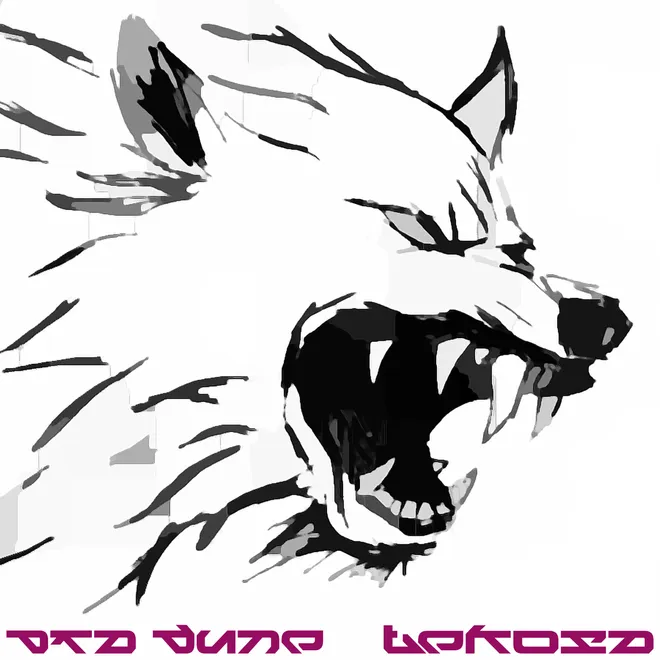
Your upcoming album CYBERWOLF dives deep into identity collapse and artificiality. Do you see yourself as documenting this era or actively rebelling against it—or both?

It’s both. CYBERWOLF is my way of documenting what’s happening around us, but it’s also an act of rebellion against it. Our world is increasingly morphing into a hyper-digital version of reality, where people pour all their energy into curating their perfect online lives, believing that love and validation come from a screen, while, in the process, they’re losing touch with the raw connections that truly define what it means to be human. CYBERWOLF is a mirror for our society built on superficiality and false values where people “like” everyone but love no one, not even themselves. So, the album serves as both a snapshot of that decay and an attempt to wake people up before we lose ourselves completely. It’s a reminder that behind the shiny, artificial images is something real – I want to remind people there’s still a self behind the selfie, a soul behind the screen – something raw and unfiltered, refusing to be erased by the endless ones and zeroes. The CYBERWOLF is a howl against the digital wilderness, a way of reclaiming our fractured identities before they’re swallowed whole by the algorithm. It’s both an observation and a challenge.

As a classically trained pianist and film composer, how do your cinematic instincts shape the atmosphere and emotional landscapes of your songs?

Cinema has provided me with the greatest opportunity to experiment with narrative form, including scriptwriting and film editing. Writing lyrics for me is like writing a mini-movie. Classical music on the other hand gave me a rich vocabulary for composing. Once you truly understand Beethoven, Bach, Chopin, you can do anything, in any genre. My cinematic background teaches me that every note should serve a story. When composing standalone songs, I immerse myself in their atmosphere, feeling like I’m discovering and documenting new emotional landscapes. It’s always about finding raw, honest truth through sound. Every song I write first starts as a fragment of a lyric which must give me strong emotional and visual associations that then kick-starts my musical imagination. Every instrument added is like a new color in the work. Each song should feel like its own unique microcosm.

You’ve cited influences like Siouxsie and the Banshees, Sonic Youth, and Hole. What emotional or creative thread connects you to these artists, and how do you think your work pushes that legacy forward?

I’m in awe of their unvarnished beauty. Sure, technically perfect voices have their place, but I can’t imagine anyone performing those songs better than they did all their grit. Technical perfection without energy or soul is pointless. I’ve always been drawn to women who shatter the mold of what’s “acceptable” for female performers – I’m interested in rage, vulnerability, despair – the full spectrum of feeling that isn’t polished or polite or merely catering to the male gaze. That’s the thread I carry forward: the refusal to be nice, the insistence on being real. I even thought before about producing other vocalists, but then I realized my material is too personal for others to understand it well enough to perform, so for now I will concentrate on writing music for myself.

“Follow and obey, smile and comply” — your manifesto is unapologetically defiant. Have you faced resistance or misunderstanding from the industry because of your bold vision?

Of course. I don’t fit neatly into any box – and I never wanted to. If someone doesn’t like me or what I do, that’s perfectly fine. I like experimenting. I like discomfort – that’s where creativity blossoms. An artist who sticks to doing the same thing all over again stops being an artist. On my current album, I’m exploring a mix of electronic, darkwave, rock, experimental, rap – pushing boundaries, and I’ll continue to evolve and experiment in the future. I’ve never aspired to be digestible or easily branded. I don’t belong to any industry – I’ve always thrived on the outside. That’s where artistic freedom is. The system wasn’t built for people like me, so I am building my own.

There’s a strong visual and narrative component to your work. If “Happy Mealz” were a scene in one of your films, what would it look and feel like?

It would be set in an office cafeteria sometime in the future – people moving like programmed machines, blank expressions, frozen smiles. The food on their plastic trays glistens under harsh lights, gooey and pulsating. Screens flicker overhead, chanting “smile and comply” on loop. Suddenly, a grinning man carrying a tray collapses, unconscious. No one reacts, people just move around him. I wonder what the food was made of. That’s the world of Happy Mealz – mechanized happiness and castrated emotion.

You’ve spoken about not making lullabies “for the sedated.” What do you hope your music awakens in people who might feel numb or disillusioned today?

I want to wake up the part of them that still feels – the part that hasn’t been deadened yet. If one beat or lyric makes someone pause and question the script they’ve been following, then the song has done its job. My music isn’t meant to play in the background – it’s a jolt, a punch in the gut. It’s a reminder that you’re still alive.

As someone creating across genres and mediums—film, music, composition—do you think today’s world still values authenticity, or is that part of what you feel has been lost?

Authenticity is risky. It doesn’t always trend. It’s not designed to please everyone. That’s why so much of today’s mainstream art feels sanitized – manufactured by committees chasing metrics, not meaning. Realness lives on the fringes now, and you only find it if you know where to look. It’s not backed by corporations – because authenticity makes people think, and that’s dangerous.
MTV in the ‘80s was a beautiful accident – an indie network accidentally showcasing strange, powerful, British music videos. There were raw messages, wild experiments. Then the system “fixed” the mistake – America took over, and the strangeness was replaced by market-tested brain-numbing sameness. Now, with AI easily replicating the formula, that artificiality stands out even more. Hopefully, it will raise the bar for the music industry, because the more everything becomes predictable, the hungrier we get for something real. We don’t need more simulations. We need something human again. We need artists who aren’t afraid to push boundaries and exist outside the machine.

I want people to wake up and question the world they’re living in. I want them to look past the shiny exterior of social media, the plastic smiles, and the curated perfection. We’re all running on autopilot, just existing. My music is a wake-up call to shake people out of that numbness. There’s still something real inside us, we’ve just forgotten how to connect with it. So, if there’s one thing I want listeners to take away, it’s that: there’s more than what’s on the screen. There’s still something worth fighting for, something worth feeling.

HAPPY MEALZ is available on Bandcamp and YouTube, with other platforms coming soon.


INSTAGRAM

WEBSITE


August 19, 2025 0 comments
0 FacebookTwitterPinterestEmail
Music InterviewsMusic News

Interview: Rocco Martinez – From Darkness to Hope, The Story Behind ‘You’re My Girl’

by the partae August 17, 2025
written by the partae

What was the spark that inspired you to write “You’re My Girl”, and how did the song evolve from its first idea to the final track we hear today?

Well, I went through a very tough period in late 2020. I developed feelings for her, but she didn’t even respect me as a friend. I was in an incredibly dark place and after recovering from that I released my debut album about it. “You’re My Girl” was my attempt to write something that was hopeful and optimistic about my love life. I remember like it was yesterday, I was taking my dog for a walk near the river and a bassline popped in my head. I immediately sang the bassline and recorded it. Then as further production progressed and the lyrics were added, I was surprised how sexual some of the lyrics turned out, but I think it works perfectly because the final song is really all about being in love with someone on a very deep level, and I think you can’t be deep and emotionally invested without some sexual investment.

The song has such an uplifting, feel-good energy — was that a conscious goal from the start or something that naturally came out in the process?

I must be honest and say I just let the song come out naturally. Even though I made it very clear consciously that I didn’t want all the songs I have on my debut album to be depressing and sad, I never at my desk with a piano or guitar and say, “I need to write a song about this!”. It’s never worked for me, but I knew “You’re My Girl” was going to be a positive song because the bassline that just came to me was very upbeat, something you would expect from a song playing on the dance floor. I believe the track achieved that .

You’ve blended pop, modern rock, R&B, and soul in your sound — how do you find the balance between those influences without losing your own signature style?

I think it’s important to develop your own style and sound, but I think it’s almost impossible to create a style and sound that is unique to you. So many artists throughout the years have developed their own sound and style that I don’t think there is much room to bring something brand new without some level of inspiration from a previous artist. I think rock, pop, R&B and soul has so much in common it’s easy to blend those genres, but the key difference is how to approach the vocals for a song. Sometimes it’s difficult but I honestly never want things to be easy, I’ve always been someone who gets motivated and hungry to prove people wrong and not take the easy route. Overall, I try my best to not change the approach of a song drastically, so depending on if it fit more in the rock category than the pop category, I would approach the song according to its genre.

The track was born from a personal shift from darkness into hope — can you share more about that turning point and how it shaped your approach to songwriting?

Even though I was going through a very dark period in my life I did use that time to improve myself and learn to how to approach dating and future potential partners. So, after that dark depressing period I was very enthusiastic about getting back in the market. However, because my debut album was about my journey from falling in love, getting heartbroken and eventually moving on, I had to include a mix of songs that were upbeat and hopeful, but also depressing. Even though I don’t consciously write songs myself, I did have in the back of my mind that I wanted a mix of happy songs and sad songs to reflect the emotional rollercoaster I experienced during this phase in my life.

How has your experience as an independent, self-producing artist shaped your creative freedom and the way you connect with your audience?

I would have to say that its hard for me to describe it well because I have just recently started my career. Overall, it’s not easy at all. Even though you do get a lot of creative freedom and you’re able to produce your own songs, approach your marketing and promotion through channels chosen by you, the reality is when you’re a true independent artist you are responsible for doing everything. I am currently looking at management options to help me balance everything because it has been tough for me to manage everything independently. Record labels are something I’m looking at too, but the reality is no record label will take you on without some proof of an establish fanbase (small or large), so I think that will be something to come in the later future. However, it’s really refreshing to know that people connect with my music right now because of me, rather than some massively funded marketing campaign or press tour. I would love to do that too because it would help me with the growth of my fanbase but it’s not realistic when you’re all on your own.

The deluxe edition of HN will include bonus tracks and live recordings — what excites you most about revisiting and expanding on your debut album?
I’m really excited to expand the album because even though I am happy with the final product I know there is still so much more I can do to make my work even better. It’s also a great opportunity for me to re-do the marketing and promotion for my first album, including both the old and new tracks coming. It’s really a great feeling.

What was the most rewarding or surprising moment during the making of the deluxe album?

I think the most rewarding moment was releasing how much my songwriting has progressed since releasing the basic version of the album. I found it so shocking how quick my songwriting progressed and I’m very excited to share these new tracks I recorded with my fans. It’s exciting and nerve racking at the same time but I’m so happy with these new songs I have done.

Which of your musical influences do you feel had the biggest impact on “You’re My Girl”, and in what ways do they show up in the song?

I think the biggest influence for this song was George Michael. I say that because a lot of the arrangement and feel of this song reminds me of George’s song “Amazing”. It was incredible how much I could see and hear, I would even close my eyes and see the music video for George’s song. I am a big fan of his and I think the music and work he did is not around anymore, which is sad to be honest.

How do you want listeners to feel after hearing “You’re My Girl” for the first time?
I want them to feel hopeful, specifically for listeners who are single. I have been single all my life, and I would be lying if I didn’t admit there were times I just wanted someone to share my life with romantically. I just don’t want people to go through the dark phase I went through, because there will always be a situation where you have strong feelings for somebody and end up using you for their gain.

With more music and live performances on the way, what’s next for you in this new chapter of your career?

After the deluxe album it’s immediately onto the next album. I have already written all the songs for it and I’m very happy with how things have progressed. I truly believe because of social media and music distribution being widely acceptable you must produce work and content non-stop. It’s a tough pill to swallow but it’s just the way it is. If you think you can go from an unknown to a mainstream record label artist without giving 550%, you’re going to be hit with a massive reality check. Trust me, you don’t want to miss out on this journey of mine.

INSTAGRAM

August 17, 2025 0 comments
0 FacebookTwitterPinterestEmail
Music InterviewsMusic News

Interview: Excuse For An Exit -“SNAP” – Channelling Personal Betrayal and Global Injustice into Pure Rage

by the partae August 12, 2025
written by the partae

“SNAP” is a release of rage. How do you navigate the balance between speaking to global injustice and channeling your own experiences without one overshadowing the other?

I came to these lyrics through empathy. When I see people suffering through global atrocities, I think – that could happen to any of us. I’ve fallen into other people’s narratives or traps in my own life, so I relate deeply to that vulnerability in others. Every line of SNAP had to speak to both the intimate betrayals that have shaped me and the collective injustices I’ve witnessed. I wanted to humanise those experiences as much as I could.

You’ve mentioned the line “It starts slow, I never even felt it…” came from real moments of being pushed too far. Was there a specific personal experience that crystallised the emotional turning point of the song?

In danger, I don’t go straight to fight or flight. I freeze, fawn, or dissociate, and then it flips into a burst of fight. Even outside of danger, I’ll stay patient until the last straw, and then I erupt. When I wrote SNAP, I was coming out of a period where I’d been burned over and over. I’d been hit financially, forced to work myself into exhaustion, and it wrecked my health. Eventually I thought “this is bullshit!”. I needed to make changes. Rage can be healthy when it’s protective and that’s the energy at the core of this track.

This track marks your first time incorporating screamed vocals. What led you to that creative choice and was it more about emotional necessity, or musical evolution?

The song demanded it. I’ve wanted to scream on a track for years, but SNAP was what finally brought it out of me. I love that raw, unhinged kind of scream that sounds like you’re losing it. The challenge was finding a way to do it without wrecking my vocals. This is the first time I’ve truly encapsulated my rage in a song, and that makes it feel special.

The world you wrote “SNAP” in feels increasingly hostile to dissent, especially for femme and queer voices. Did you ever second guess being so raw or political in this song, or did the urgency demand full honesty?

While there has been real progress for women and queer people, we’ve also seen fascist thinking creep back into the West. The studio is my safe space, and once the music takes over, I don’t second guess what comes from my soul. Art is my God, and if my honesty is political, so be it.

There’s a juxtaposition in the song between control and chaos, was that something you and producer Chris Lalic worked toward consciously in the studio?

Excuse has been experimenting with light and shade for a while, so with SNAP the contrasting ideas came together naturally. The verses are sweet, but then the choruses let loose, and the outro has the energy of a full-on bar fight. Chris leaned into that tension-and-release energy immaculately, and we’re so thankful to him for it.

Excuse For An Exit have always created a space for outsiders, but this track feels like a call to arms. What kind of community are you hoping “SNAP” helps galvanise or strengthen?

There’s a real tenderness within Excuse and among our fans, and that’s something worth protecting. I hope SNAP strengthens that bond and gives people permission to stand their ground. I’m proud of what we bring to the Australian heavy music scene, and I want our community to feel a part of that.

Pop, punk, emo, electronic — your sound refuses to sit in a single box. Do you see genre as something political in itself, especially as a band pushing against mainstream expectations of how rage should sound?

We honestly can’t stop ourselves from experimenting. All art is political, so if our genre-skipping and bending feels liberating for others, I’m glad. It means a lot to bring an unrepresented voice of anger to the front, because so many feel this way and deserve to be heard.

You’ve said this track isn’t ‘overtly political,’ but the emotion is inseparable from activism. Do you think the music industry still struggles to take emotional expression seriously? Especially when it comes from women or femme artists?

Much of the music industry values sex, money and power over vulnerability and truth, and that’s where femininity and emotional expression get pushed aside. But there’s a huge community of people who crave unique honesty, raw emotion, and new ideas. That’s where I put my energy.

The response from your fans, especially around “ur villain” and your live shows, has been deeply supportive. Have you performed “SNAP” live yet? If so, what’s it like performing “SNAP” in front of people who see themselves in your anger?

We’ve only played it live once, at 2 Pizza 2 Planet Fest. I was nervous as hell! I was sick, it was the end of the set, and I didn’t know if I’d make it through. But when my voice started to crack, all I could hear was the fans at the front screaming with me. So I screamed right back. It turned into this unhinged, beautiful, chaotic moment, and I loved every second of it.

You’ve played grassroots festivals, raised money for Lifeline, and headlined sold-out shows — all while evolving sonically. What’s grounding you right now as you move into this next, more aggressive chapter?

My sister, my girlfriend, and my friends have always had my back, but getting stable again, with housing and finances, has been massive!  Aggression in this chapter isn’t chaos for me. It’s focus. It’s me drawing a line and protecting what matters.

INTERVIEW

August 12, 2025 0 comments
0 FacebookTwitterPinterestEmail
Music InterviewsMusic News

Interview: Muko – Groove as Survival, Dancing Through Burnout

by the partae August 6, 2025
written by the partae

“Just Groove” kicks off with this raw defiance — like you’re dancing through burnout. What was going through your mind when you first wrote it?

I was thinking about how you can be exhausted but still refuse to stop moving. “Grooving” here isn’t just dancing — it’s survival. It’s saying, I might be running on fumes, but I’m still going to find the beat and make it mine. That raw defiance came from wanting to turn fatigue into fuel, to move through burnout with rhythm instead of collapse.

You’ve said this track came from exhaustion. Was there a specific moment or breaking point that made you say, “Screw this, I’m going to make music”?

Yes — a night where I’d been stuck between political deadlines and corporate calls, both sides draining me. I realised I’d spent years helping others tell their stories — governments, brands — and almost none telling my own. That night, instead of another report, I wrote the first groove. It was messy, imperfect, but it was mine.

The song blends pop, rock, electro, and gospel — it’s not an obvious mix, but it works. How do you approach fusing such different sounds without losing the groove?

I treat music like a passport. Brazilian maracatu percussion for the heartbeat, the raw edge of deep house for grit, the brightness of pop to pull people in, and the call-and-response power of Afro-gospel for uplift. Each has its own history and weight. I just make sure the groove is the glue — so no matter where the sound comes from, it’s all part of the same journey.

Your album Think Pink dives into themes like feminism, softness, and emotional survival — especially for men. That’s not something you hear often in pop or electro. What made you want to go there?

Because softness is political. In a world where men are still taught to armour up, being vulnerable is radical. I’ve worked in politics — I’ve seen how systems reward dominance and punish empathy. In Think Pink, feminism isn’t just about women’s liberation, it’s about freeing men from those cages too. It’s softness as survival.

You describe the album as a continuation of your sci-fi saga, The Cosmic Mirror Theory. Can you tell us a bit more about this astronaut’s journey — and how it connects to your own?

The astronaut dismantles the old fairy tales before stealing a ship to find the Pink Moon. It’s both an escape and a confrontation. My own journey was similar — breaking away from political and corporate scripts I didn’t believe in, looking for a place where love, truth, and equality could exist without compromise. Space is my metaphor for that search.

You’ve lived a bit of a double life — from Chief of Staff in corporate strategy to full-time artist. Do you ever feel like those two worlds still collide in your work?

Every day. My corporate past taught me discipline and structure; my artistic life taught me chaos and flow. The tension between the two is a good engine — just like in life, where we’re all trying to balance work, passions, and private moments. I don’t see them as separate worlds anymore, more like two planets orbiting the same sun.

There’s a sense of irony in your lyrics, like you’re poking fun at the system while dancing through it. Is humor one of your creative tools, or does it just slip in naturally?

It’s both. Humor disarms. You can slide truth into a groove more easily if it makes people smile first. I learned in politics that if you can’t laugh at the absurdity of the system, it will crush you. In my songs, irony is a way to resist without turning bitter.

You speak and write in multiple languages — English, French, Spanish, Portuguese. How do you decide which language a song needs? Do the words lead the vibe, or the other way around?

It’s always the emotion first. Sometimes saudade in Portuguese carries a depth no other word can; sometimes English hits with precision; sometimes French gives a sharper edge. Travelling and collecting rhythms means I’m also collecting vocabularies. The song chooses its own language — I just listen.

If “Just Groove” is the moment of rebellion, what’s the moment of healing on Think Pink? Is there a track that feels like coming home?

Yes — The Pink Moon. If Just Groove is me saying “I won’t break,” The Pink Moon is me saying “I’m ready to land.” It’s where the fight softens, where you can breathe again. It’s not a perfect ending — more like a safe harbour before the next storm.

What does the Pink Moon mean to you now? Is it still a symbol, or has it become something real in your life?

It started as a symbol — the ultimate destination, the emotional gravity pulling the astronaut forward. Now, it’s also real. It’s love, it’s equality, it’s a way of living where softness and strength aren’t opposites. It’s not a place you arrive at once; it’s something you keep choosing, every day.

INSTAGRAM

August 6, 2025 0 comments
0 FacebookTwitterPinterestEmail
Music InterviewsMusic News

Interview: SHARE On Music, Purpose, and the Power of Connection

by the partae July 31, 2025
written by the partae

You’ve gone from Miss Universe Netherlands to playing festivals like SXM Festival in St. Maarten and Hï Ibiza. Did you ever picture your life unfolding this way? How has that journey shaped who you are now?

SHARE: Music started as a hobby, just me and my friends playing together back in Rotterdam. I’ve been DJing for over 11 years now, but I could have never imagined that it would turn into my full-time career, taking me to places like SXM Festival in St. Maarten and Hï Ibiza.

Being Miss Universe Netherlands was something I did with a greater purpose in mind, spreading awareness about single-use plastics. The experience shaped me in ways that still help me today, especially when it comes to confidence, public speaking or speaking on camera, and understanding how to use a platform meaningfully.

Now, with music, I get to channel that same energy into something that comes straight from the heart. It’s not just about playing tracks, it’s about creating emotional journeys, sharing messages, and connecting with people. I truly believe music can be a powerful tool for change, and I’m so grateful for where this path has taken me.

Your music feels raw and emotional, but also really polished. When you’re creating a track, do you usually start with a specific sound, a feeling, or even a visual in your head?

SHARE: For me, it always starts with a feeling. Music is the sound of emotion, it’s how I express what I’m feeling on a deeper level. That emotional connection is what drives the whole creative process. I’m especially drawn to the more spiritual side of music, and I think that’s what shapes the atmosphere and energy of my tracks. Sometimes the feeling isn’t immediately clear, because I don’t know what I feel, but as the sounds start to flow, the feeling follows naturally.

What I really love is to create high atmospheric sounds and hypnotic sounds. So I’m just sitting with a big smile while creating music. I’m actually getting naturally high behind my computer from making music!

You’ve performed all over the world — is there one show that caught you off guard emotionally or left a deeper mark than you expected?

SHARE: Absolutely. Every show is different, carrying its own emotional wave. Some leave you feeling like I can conquer the world, making me feel more secure and like, yeah I’m ready for anything!

Then other shows turn out to be more humbling, when something is just off, and I start to doubt myself. Sometimes it depends on the energy of the crowd, and sometimes it’s your own energy. It’s not always predictable, and that keeps it real. In those cases I go back to digging for new music.

One recent show that truly left a deeper mark on me was earlier this July at Woomoon at Cova Santa in Ibiza. I was in such a good flow, everything just aligned. The music, the crowd, the energy… it all clicked in a way that felt incredibly emotional. After the set, I could feel how deeply it resonated. Not just with me, but with everyone in the room.

That night reminded me why I do this. It’s those moments of pure connection that keep me inspired and grateful for this journey.

You’ve been outspoken about sustainability, especially reducing plastic use in the music scene. How do you keep those values front and center while navigating the demands of a global touring schedule?

SHARE: It’s always felt natural to me, I’ve had a strong sense of responsibility to care for our planet for as long as I can remember. As I mentioned earlier my time as Miss Universe Netherlands was dedicated to raising awareness about single-use plastics.

Now, as a touring artist, I stay committed by working with initiatives like Bye-Bye-Plastic, the charity by BLONDISH I’ve supported for over five years now. Their eco rider is such a simple yet powerful tool; it lets artists request things like no single-use plastics and only glass bottles in the booth.

Including this in my hospitality rider not only aligns with my values, but also encourages promoters and venues to think more consciously. It’s a small step that creates real change, and I’m proud to be part of this growing movement in our industry.

When people walk away from one of your sets, what do you hope they’re thinking or feeling? What kind of experience are you trying to give them?

SHARE: When people walk away from one of my sets, I hope they’re glowing, with a big smile on their face and a heart full of love. I want them to feel euphoric, like they can conquer the world and just smile at everyone they pass.

That’s the energy I try to channel through my music: moments of joy, connection, and celebration. For me, it’s all about sharing happiness, dancing together, and celebrating life to the fullest.

Your track “Avatar” debuted at an Abracadabra showcase tied to the Bye Bye Plastic movement. What was that moment like for you — musically and personally?

SHARE:  “Avatar” was my very first release, picked up by BLONDISH’s label Abracadabra, so it holds a really special place in my heart. Not only did I debut it during the ADE Abracadabra showcase in support of Bye-Bye-Plastic, it was also included on the Bye-Bye-Plastic compilation album.

Something unique about this album, is that it was released on the very first bio-degradable vinyl record ever produced!

The track itself is about our connection to Mother Nature, so to have it tied to a label and charity with such a meaningful environmental mission made the message even more powerful. Musically and personally, it felt like the perfect start to my production journey.

Now that you’re based in Ibiza, surrounded by so much music culture, do you find inspiration in the scene itself or do you intentionally carve out space to stay grounded in your own style?

SHARE: I think Ibiza’s scene is always a very good example for how dance music is developing and how you can create a dance movement in a club. It’s very inspirational and you can definitely hear a lot of Ibiza vibes in my sets.

But honestly, finding the balance comes naturally as it’s very important to create my own style. Luckily, I travel so much, so I find myself in different scenes and grab inspiration from everywhere.

You’ve released music on labels like Crosstown Rebels and Abracadabra. What do you look for in collaborators or labels before saying yes?

SHARE: Both Crosstown Rebels and Abracadabra are led by incredible artists, Damian Lazarus and BLOND:ISH. Besides having a strong presence in the music industry, they are also genuinely kind and inspiring people.

That energy really shapes the culture of their labels. It’s more than just music; it feels like being part of a family. And what makes it even more meaningful is the mission behind each label. These are the things that really make me want to be a part of a label.

You’ve blended pageantry, activism, and music in such a unique way. Was there a moment where it all started to feel aligned — where the pieces came together and made sense?

SHARE:  Honestly, I think I’m still in the process. Activism is now becoming more present in the music industry, it’s still a relatively new thing. So I’m really still in the process of creating interesting things for the future. The paths are still being carved out and I’m glad to be a part of that.

Your sound has already evolved so much, but what’s next? Is there a new direction, message, or part of yourself you’re excited to bring into the music?

SHARE: What’s next for me is really continuing to share the core message that’s always been at the heart of my music: no matter how deep or emotional the journey gets, you always come back to the light. My sound might keep evolving, but that feeling of sharing joy and celebrating life, that message to protect nature, will always stay the same.

INSTAGRAM
July 31, 2025 0 comments
0 FacebookTwitterPinterestEmail
Newer Posts
Older Posts

Recent Posts

  • “Everything You Need” – Alexander Gallant introduces The Prince Of Birchy Head
  • INTERVIEW: Quiet as a Mouse – Between ‘Cocaine Soul’ and ‘From…To…’
  • Power duo DJ Sammy x Chris Diver ignite festival season with “Don’t Follow Me (Be My Lover)
  • Interview: Bud Rokesky on Dusk — Fear, Grief and the Power of Letting Go (Touring Australia This May)
  • Interview: Figurehead talk new single “Heart Like A Sunset”

Recent Comments

  • Shannon Austbo on RUNYAMOUTH hits the scene with explosive debut single HEAD ON A STICK
  • Anna on Interview: LUX – ‘Mirage’ A Dreamy Exploration of Love’s Illusions and Realities
  • Claire P on Interview: LUX – ‘Mirage’ A Dreamy Exploration of Love’s Illusions and Realities
  • Joe Travers on Trevor Kidd Teams Up with INXS and The Tea Party Legends for Explosive New Track “Sunshine”
  • Will s on Exploring Ego: Inside Pallas Haze’s Groovy Musical Odyssey Interview

Archives

  • April 2026
  • March 2026
  • February 2026
  • January 2026
  • December 2025
  • November 2025
  • October 2025
  • September 2025
  • August 2025
  • July 2025
  • June 2025
  • May 2025
  • April 2025
  • March 2025
  • February 2025
  • January 2025
  • December 2024
  • November 2024
  • October 2024
  • September 2024
  • August 2024
  • July 2024
  • June 2024
  • May 2024
  • April 2024
  • March 2024
  • February 2024
  • January 2024
  • December 2023
  • November 2023
  • October 2023
  • September 2023
  • August 2023
  • July 2023
  • June 2023
  • May 2023
  • December 2022
  • November 2022
  • October 2022
  • September 2022
  • August 2022
  • July 2022
  • June 2022
  • May 2022
  • April 2022
  • March 2022
  • February 2022
  • January 2022
  • September 2021
  • August 2021
  • July 2021
  • June 2021
  • May 2021
  • April 2021
  • March 2021
  • February 2021
  • January 2021
  • December 2020
  • November 2020
  • October 2020
  • September 2020
  • August 2020
  • July 2020
  • June 2020
  • May 2020
  • April 2020
  • March 2020
  • February 2020
  • January 2020
  • December 2018
  • April 2018
  • February 2018

Categories

  • Eats & Drinks
  • Fashion & Culture
  • Festival News
  • Music Interviews
  • Music News
  • Others

Meta

  • Log in
  • Entries feed
  • Comments feed
  • WordPress.org

MyListing is the most advanced directory theme made for WordPress. MyListing 2.0 improves and refines all aspects of the theme


  • Upload Event
  • Upload Listing
  • More Pages
  • [27-icon icon=”icon-box-2″] More
  • Categories
  • More Categories
  • More Categories #2
  • Locations
  • More Locations
  • Place
  • Event
  • Jobs
  • Real Estate
  • Cars
  • Create your own!
  • More demos
  • Facebook
  • Instagram

The Partae © 2025


Back To Top
  • Music
    • News
    • Interviews
    • Festivals & Events
  • Fashion / Culture
  • Stay & Play
  • About Us
  • Contact Us / Advertise
  • Submit Event