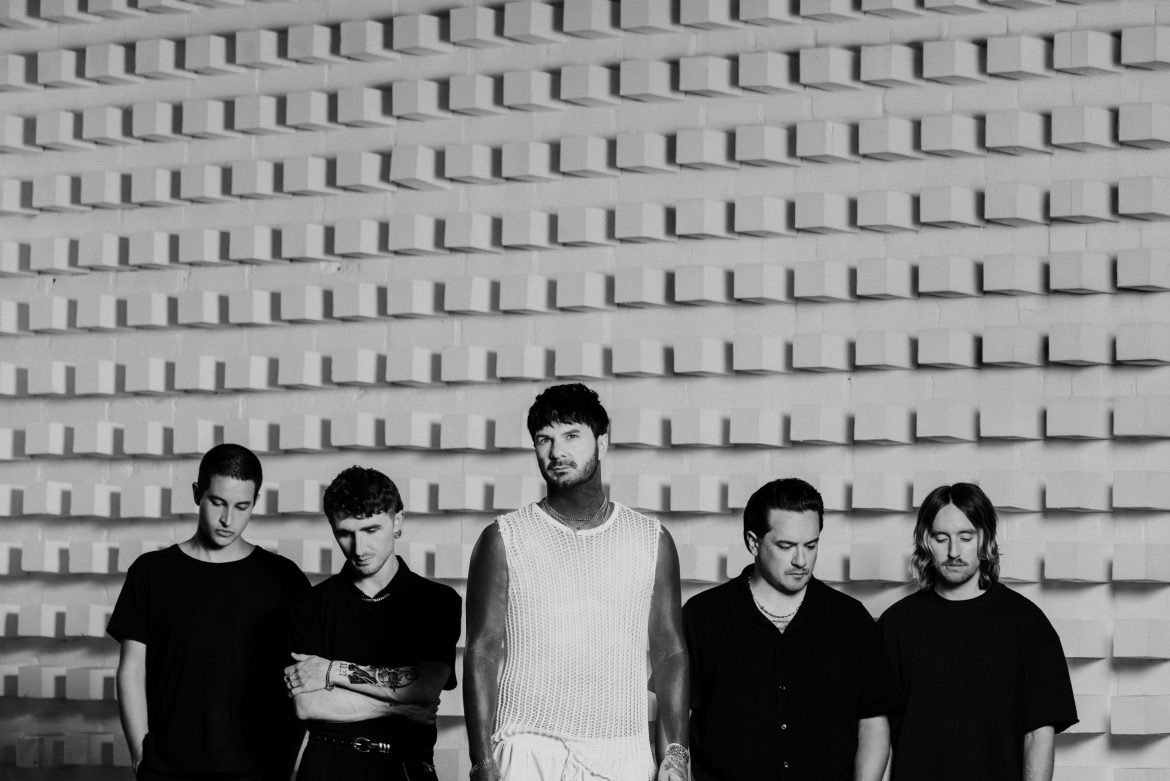
The Lemon Twigs announce their new album, Look For Your Mind!, with a video for its lead single ‘I Just Can’t Get Over Losing You’. Underneath its poppy exterior, Look For Your Mind!, due May 8th on Captured Tracks / Civilians, contains an undercurrent of paranoia and suspicion. “I do think that now is a time of insanity,” admits Brian after pausing for thought. “You really have to hold onto your own mind if you don’t wanna lose it.”
New to this album is the inclusion of the live members Reza Matin (drums) and Danny Ayala (bass), as well as Eva Chambers of Tchotchke. With the D’Addario brothers, Brian and Michael, previously having handled everything in the studio themselves, this shows a newfound sense of freedom.
The ringing guitars of ‘I Just Can’t Over Losing You’ may create a familiarly pleasing mood, but when the bridge comes in at an unexpected time, the chorus is cut in half, and Brian and Eva’s harmonies build to its euphoric climax, the conventions for a pop song such as this are broken. The manner in which The Lemon Twigs surprise is a constant and testament to their vision and abilities. “Every time we try to write something that’s completely straightforward, we can’t help adding an element which comes out of left field. We always want to write a song we’ve never heard before,” chuckles Brian.
|
|||
|
|
|||
|
|
|||
|
|
|||
|
|||
|
|
|||
|
|
|||
|
|
|
|
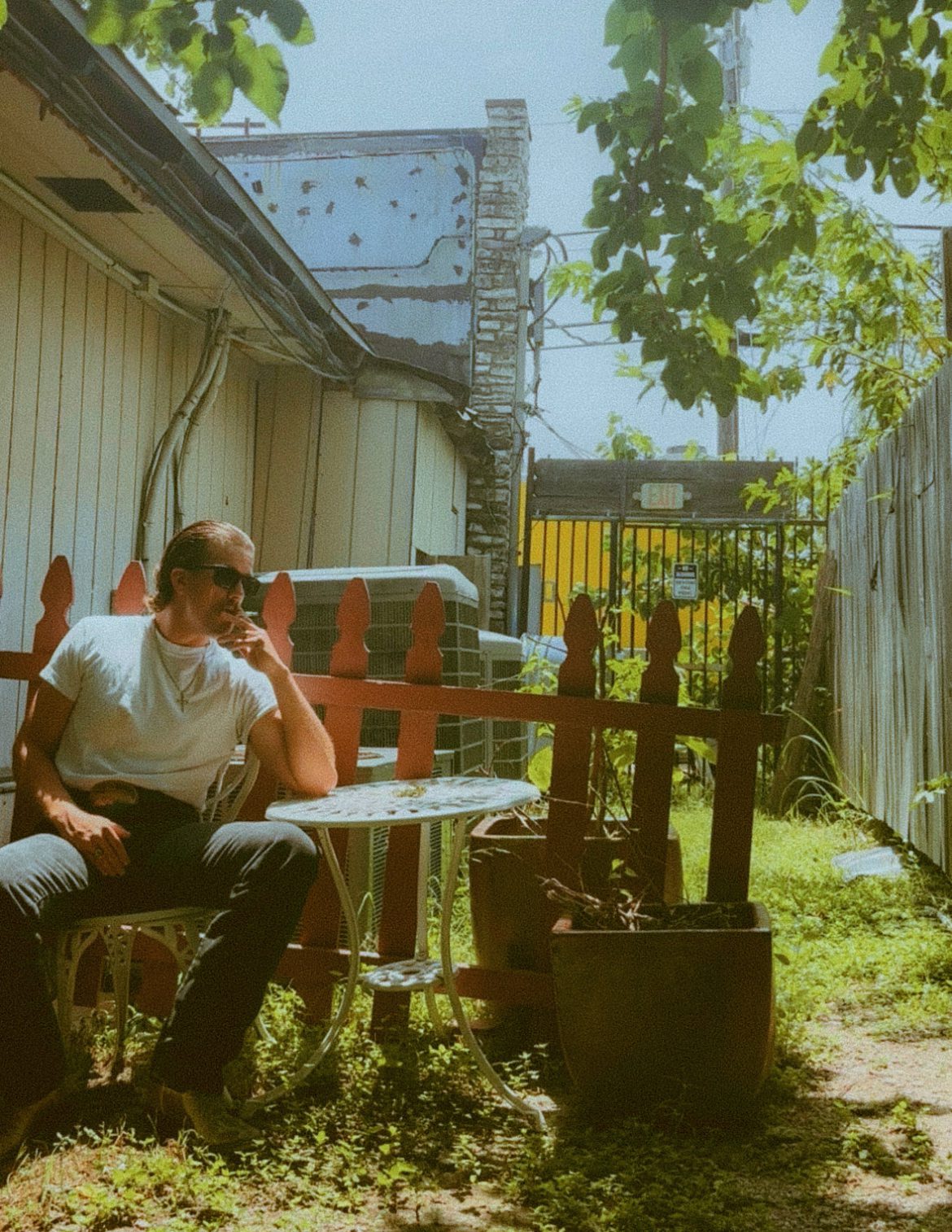
Blending tradition with a restless spirit of exploration, Clay Hazey is part of a new generation of artists reshaping the boundaries of country and western music. Rather than adhering strictly to genre conventions, Hazey draws selectively from the sounds that inspire him—classic twang, folk intimacy, and a touch of indie grit—then fills in the gaps with his own instincts. The result is a sound that feels both timeless and distinctly modern. With sharp, unvarnished songwriting, a raw and expressive voice, and melodies that linger long after the first listen, Hazey creates songs that act as a gateway into the wider world of twang. His music balances warmth and melancholy, humour and vulnerability, offering listeners something that feels instantly familiar while still carrying the thrill of discovery.
Hazey first introduced that aesthetic on his self-titled debut EP in 2024. Recorded by Nick Lanyon of Rapallo and mixed by Jonathan Anderson, known for his work with Andy Shauf and Ocie Elliott, the EP marked the arrival of a songwriter with both a strong point of view and a knack for memorable hooks. The release quickly found its audience: songs from the project earned spins on CBC Radio 1 and charted on college radio stations in Burnaby and Toronto. The standout single “Past Two,” featuring Sierra Lundy of Ocie Elliott, proved especially resonant, spending more than six months in rotation on SiriusXM’s NorthAmericana channel. The EP not only showcased Hazey’s ability to craft thoughtful, melodic songs but also hinted at the depth and emotional nuance that would continue to define his work.
That same year, Hazey brought his music from the studio to the stage, building a reputation as a compelling live performer. He appeared at festivals including NXNE and Festival sur le Canal, earning new fans with intimate performances that highlighted the emotional pull of his songwriting. Industry tastemakers also took notice: he was named a showcase finalist for the renowned Mariposa Folk Festival and received recognition from Exclaim as one of their “Emerging Artists You Need to See.” By the time autumn arrived, Hazey was ready to take his music on the road. His November Daylight Savings Tour with Jade Hilton and School House proved to be a breakout moment, selling out venues in Toronto, Kingston, Montreal, and Ottawa. Night after night, the shows confirmed what listeners had already begun to suspect—that Hazey’s songs connect just as powerfully in a crowded room as they do through a pair of headphones.
Now, with a follow-up EP scheduled for release in spring 2026, Hazey continues to deepen and expand his alt-country palette. The new material reflects a wide spectrum of influences, from the weathered storytelling of Tom Waits’ Mule Variations to the hushed intimacy of Adrianne Lenker’s Songs and the pastoral honesty of Gillian Welch’s Soul Journey. Drawing from these touchstones without ever sounding derivative, Hazey leans further into the emotional and sonic textures that have become central to his work. The forthcoming EP is also his most personal release yet, weaving together dark humour with reflections on addiction, self-acceptance, and the complicated emotional terrain of modern relationships. It is music that acknowledges life’s rough edges without losing sight of the tenderness that exists within them.
One of the clearest expressions of that balance arrives in the song “Tulips.” Hazey wrote the track during a bitter January cold snap while working in a shared studio space in Montreal’s Village neighbourhood. The setting was far from romantic: the building sat above what he jokingly describes as “a skunk’s den,” and the only source of heat was a small gas stove that barely kept the chill at bay. Yet the strange isolation of the space—and the long, grey stretch of winter outside—became an unlikely catalyst for creativity. “The environment inspired the song as much as anything,” Hazey recalls. Surrounded by the stillness of the season and sensing that many people around him were carrying the same quiet heaviness, he set out to write something that captured that emotional atmosphere.
The result is a song he describes as “a love song for when it feels like the end of the road.” Rather than celebrating romance in its bright early stages, “Tulips” focuses on the quieter moments of endurance—two partners simply trying to stay warm together when that is all they have the strength to do. Like the flower that gives the song its title, the track suggests that resilience often begins in small, almost imperceptible ways. Tulips are among the first blooms to break through the frozen ground after winter, a subtle but powerful signal that the seasons are shifting again. In the same spirit, Hazey’s song carries a gentle sense of hope beneath its reflective tone, reminding listeners that even when warmth feels distant, renewal is already beginning to take root.
What was the moment where “Pink Limo” really clicked for you? Was it something that happened quickly in the studio or one of those ideas that slowly came together over time?
This one happened very quickly. I was in the studio for a writing session with producer Xavier Dunn in Sydney and he had this vocal chant idea that we started working on late in the afternoon at the end of the session. I had maybe 45 minutes left in me before I had to leave, so we just started throwing ideas together. I did a rough pass of the vocal which was mainly gibberish, but it was enough for the demo and the “Pink Limo” line was in there. When I got back to Fremantle I spent a day in the studio just fleshing out the lyrics and that was it. Sometimes they take years, other times it’s an afternoon in the studio with a buddy.
You’ve described the track as capturing that late-night feeling where everything feels a little surreal and romantic. Was there a real memory or experience that pushed you in that direction?
I actually had a lot of Las Vegas imagery in my head at the time. I think it was maybe from watching Fear and Loathing not that long before the session. It just kind of drove this carefree, romantic idea of debauchery and excess.
There’s something really hypnotic about the groove in this one. When you were building the track, what elements did you focus on first to create that atmosphere?
Like I mentioned earlier, Xavier had the vocal chant idea which I loved. It’s the main “nah nah nah” line in the chorus. That pretty much set the tone for the aesthetics moving forward. It was initially quite electronic, but we just started swapping in organic elements and instrumentation as we went along, which just felt better.
Crooked Colours has been evolving for more than a decade now. When you look back at the early releases compared to where you are creatively today, what feels most different?
I think sonically it’s more deliberate, more focused. I used to very much just throw sh*t against the wall to see what stuck, which was mainly due to a lack of experience. I think I’m getting better at executing ideas I have in my head, or at least I hope I do. I’m also much more open to collaborating and co-writing nowadays, which teaches you a lot and helps you refine things a lot faster.
Your music often sits in that space between uplifting festival energy and something more emotional or reflective. Is that balance something you aim for, or does it just happen naturally when you’re writing?
My vocal register is very limited so I’ve always felt much more comfortable writing emotive, croony type vocals. That lends itself very well to writing down-tempo reflective tracks, so one of my biggest challenges is making that work for uptempo production. I think that challenge creates a cool crossroads that can lead to some creative places.
Playing festivals like Laneway, Splendour in the Grass, Beyond the Valley and even stages like Red Rocks must give you a sense of what connects with a crowd. Do those live moments ever influence the way you approach new songs?
Oh absolutely. Experiencing those moments that really connect at big shows is like a drug. I definitely try to chase more of it.
There’s a recognisable Crooked Colours sound, but every release seems to explore new territory. How do you keep things fresh while still staying true to that identity?
Keeping things fresh is the main challenge. The identity thing kind of takes care of itself. I think there are some elements that never change — the sound of my voice, the way I play certain instruments. So when I try and do something new or unique, that flavour is still going to be there, like a fingerprint you can’t change.
Working with artists across different styles — from Don Toliver to Ladyhawke — must shift the creative dynamic quite a bit. What do collaborations tend to bring out in your process?
Collaboration, in my opinion, is one of the best things you can do as an artist. It’s the quickest way to highlight your limitations while at the same time teaching you so much faster than you can learn by yourself. Process and speed are key aspects. Most of the time you’ll only get a few hours in a room with someone, so knowing how to get the most out of the session is important. Being prepared and having a clean workflow is paramount.
With more than half a billion streams across the catalogue now, does success change how you approach releasing music, or do you still treat every new track like a fresh start?
Every release is still the same for me, like it was at the start. I’m still nervous to see the reception, still trying to do everything we can to give it its best start. I don’t think that’ll ever change for me.
Looking ahead, does “Pink Limo” give us a glimpse of a bigger sonic direction for Crooked Colours, or is it more of a standalone moment capturing where you are right now?
It’s definitely in the flavour of some more stuff coming later in the year, but there is so much new music I’m sitting on that is all over the spectrum. It’ll be a journey. I’m hoping it’s a good one.
Stay connected with Crooked Colours:
INSTAGRAM | TIKTOK | YOUTUBE | SOUNDCLOUD | FACEBOOK
Australian disco/dance duo Midnight Pool Party return with their latest single ‘NOTICE ME’, a sleek and emotionally charged release that blends their signature feel-good grooves with a more bittersweet edge.
Written toward the end of last year just before the pair stepped away for a short Christmas break, the track came together naturally once the central hook and theme fell into place. After returning to the studio, the duo spent time refining the lyrics to better capture the emotional tension at the heart of the song.
“After the break, we spent a lot of time talking about the lyrics and finding the right words to capture the emotions of the journey you go through in a certain situation,” the band explain.
At its core, ‘NOTICE ME’ explores a feeling that will be familiar to many — wanting to be seen by someone who simply doesn’t feel the same way.
“Love is universal, but so is the experience of not being noticed, and hiding how deeply it affects you,” they add.
The track reflects the internal push and pull that comes with protecting yourself emotionally, pretending everything is fine while quietly dealing with the thoughts and doubts beneath the surface. Wrapped in shimmering production and dancefloor-ready rhythms, the song balances vulnerability with Midnight Pool Party’s unmistakable groove-driven sound.
‘NOTICE ME’ is out everywhere now.
Stream:
https://bfan.link/notice-me
Socials:
https://linktr.ee/MPP_PoolBoys
Credits
Co-written by Darren Morilla & Oliver Dela Cruz
Produced by Midnight Pool Party
Mastered by Jack Prest
Artwork, photos & visuals by Morilla Media
One of Canada’s most distinctive artistic voices, Julia Sound, has released her new album midlife, out March 6 via Boomsmack Records.
A composer, songwriter, mixer, sound designer, and producer, Julia Sound (aka Lin Gardiner) has built a decorated career in the music industry spanning years and continents.
midlife showcases Julia Sound’s signature sonic palette: mellow synth pads, chilled beats, touches of atmospheric sound design, and flowing arpeggiators that create rich and evocative moods. Lyrically and emotionally, the record moves between introspection and frustration at the current state of the world. A quiet but persistent yearning runs through the album — a desire for people to become more aware of the collective direction we are heading, like a train speeding toward a cliff.
Compared with previous releases, midlife subtly increases the tempo and energy. Lead tracks ‘One Love’ featuring Dolly De Guerre and Yo Megasonic, and ‘Shelter’ featuring Keely Halward tap into nostalgic tones and memorable choruses. ‘Finally I’m Free’ featuring Dolly De Guerre reveals a sharper edge, driven by cutting guitar work from multi-talented session musician Cat Hiltz.
Other highlights include ‘i’m feeling so’, a beautifully textured trip-hop track where rapper Yo Megasonic explores a wider vocal range, and ‘Cars Crush’ featuring Kinnie Starr, which leans into laid-back, hazy stoner-groove territory.
Beyond her work as Julia Sound, Gardiner has also made a strong impact in the video game, film, and television industries, consistently demonstrating a rare ability to shape sound worlds and inspire collaboration.
In an industry increasingly dominated by AI tools, algorithm-driven trends, and an obsession with perpetual youth, Julia Sound’s midlife stands as a reminder of something simple but powerful: once an artist, always an artist. No matter the age, no matter how crowded the creative space becomes, genuine artists will keep creating — through midlife and beyond.
LISTEN
boomsmackrecords.bandcamp.com
https://www.facebook.com/JuliaSoundMusic
https://www.instagram.com/juliasoundmusic/
‘HEAVY AF – Heavy Music Festival’ brings together some of the heavy-hitters in metal, metalcore, progressive rock and heavy rock. Leading the charge is festival headliner, Gravemind, who are known for blending brutal riffs with melodic and atmospheric elements. RUN play ‘blackened post-metalcore’ and are the main support at ‘Heavy AF’. Second main support is Earthbound who ‘blend the intensity of modern metalcore with the storytelling of video games’
Other heavy sets will come courtesy of: Internet Romance, Babchia, Matahari, Sleeper Service, Jupiter The Giant, Sun Stone, and Serious Crew
Hydra Studios has presented this festival before in 2018 and 2019 (both of which sold out) and was going to continue staging it each year until the disruptions of 2020 got in the way. This show, at the famous Corner Hotel, marks the return of the festival and it is hoped that it’ll become an annual event.
The 2018 and 2019 versions were great days (4pm-midnight) that saw cross-pollination of punters and genres; moshpits for progressive rock, head-banging to heavy rock etc.
The first 50 punters to arrive at the start of the festival (doors 3.30pm, first band at 4pm) will have the chance to grab one of 50, $10 drink cards
You get ten bands for $10 and a day filled with a huge variety of heavy musical styles played by some of Melbourne’s best established and emerging bands.
Heavy AF 2026 – Heavy Music Festival
Corner Hotel,
57 Swan St. Richmond VIC
Saturday April 11th
Doors 3.30pm
Show 4pm-midnight
$10+bf pre-sale
$20 door sale
18yrs+
Tickets: https://tickets.cornerhotel.com/outlet/event/5331e481-881a-41b9-ac12-93ab2acdba40
Globally renowned Afro house pioneer Black Coffee is set to perform inside one of the world’s best-preserved Roman amphitheatres this summer when he headlines the first BSH Amphitheatre Pula edition which will take place at the Pula Arena in Croatia on 31st July 2026, with more names to follow.
Located on the Adriatic coast, the Pula Arena is widely regarded as one of Europe’s most striking historic landmarks. Originally constructed during the Roman Empire, the stone amphitheatre has hosted centuries of cultural gatherings and this event marks a rare convergence of contemporary electronic music with ancient heritage. Presented by event powerhouses BSH as part of the Adria Summer Festival, this show will transform the ancient, 2,000-year-old architectural monument and one of the most intact Roman amphitheatres still standing into an epic setting.
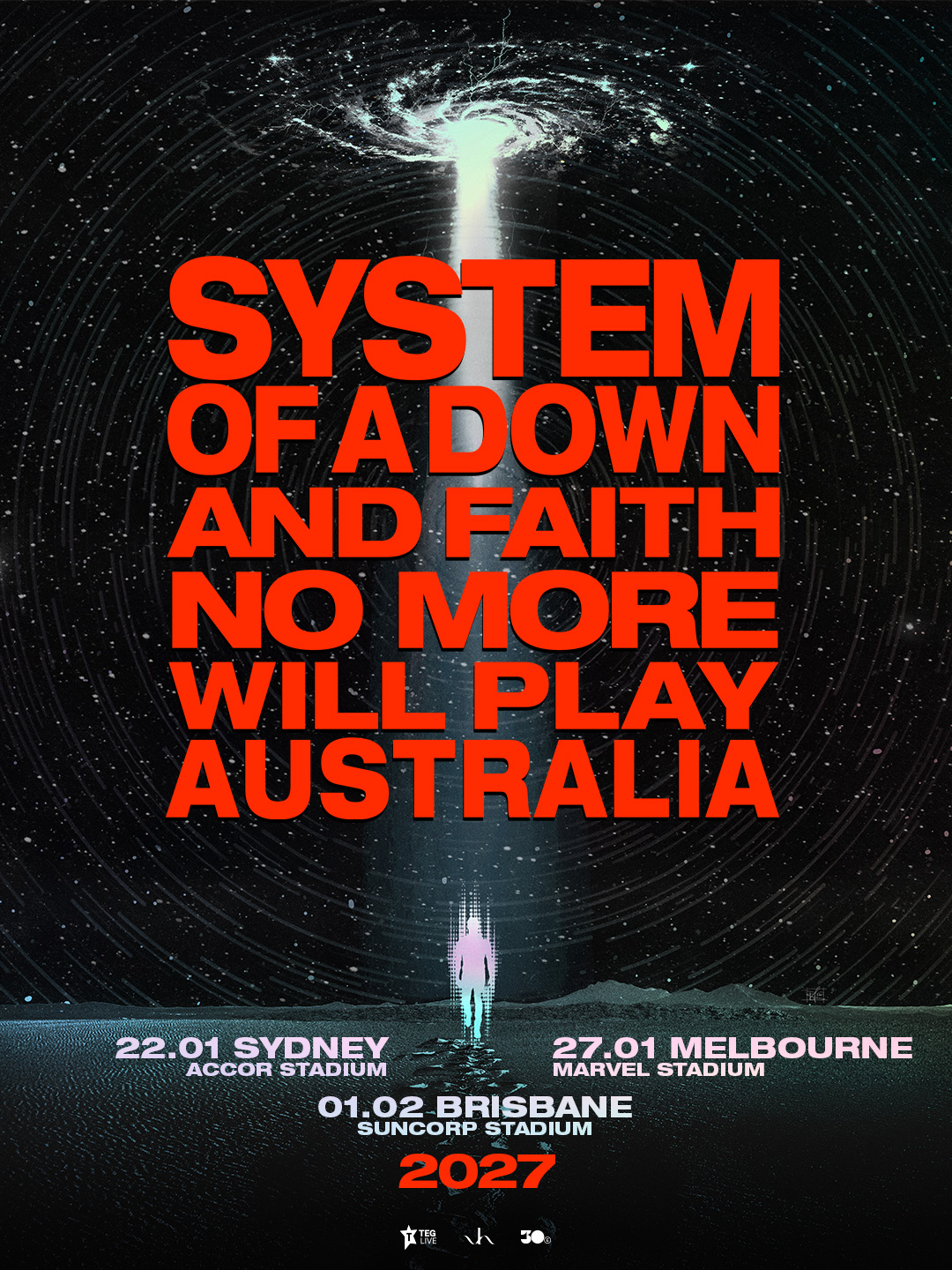
Black Coffee is one of electronic music’s most influential figures. The Grammy Award-winning artist is celebrated for blending Afro-house, deep house and soulful electronic sounds in both his sets and productions, and has been hypnotising crowds at major festivals and iconic venues worldwide for more than a decade.
The show follows BSH’s sold-out 2025 hosting of Black Coffee at Cave Romane, where the South African artist delivered one of the standout electronic performances of the summer. For 2026, the concept grows significantly by moving to the larger Arena for what is their most ambitious production to date.
Known for selecting visually and culturally significant locations, BSH has built an international reputation for staging electronic music events that go beyond the traditional club format, combining destination travel, historic settings and high-end production.
|
The remix album Violet Gave Willingly: Remix Vol. 1 has officially arrived, and one of its most striking reinterpretations comes from Montreal-based rapper and multidisciplinary artist Hua Li. Released through producer and studio founder Sophia Sanford’s rural creative hub, Noise Machine Studio, the collaborative project brings together women and non-binary electronic artists to reimagine Sanford’s original compositions. The album expands the sonic world of Sanford’s earlier work while also serving as a community-building exercise—highlighting producers who remain underrepresented in the technical side of the music industry.
Sanford’s relationship with music has always been deeply personal. After spending her early years playing bass, piano, and trombone and touring internationally with choral and jazz ensembles, she developed a lasting fascination with the human voice and the textures of sound. That curiosity now informs both her production work and her role as a mentor at Noise Machine Studio, where artists gather to collaborate, experiment, and share knowledge. The remix album itself grows out of Sanford’s original record Violet Gave Willingly, which is closely tied to the award-winning documentary Violet Gave Willingly, directed by her sister Claire Sanford. The film centers on their mother, textile artist Deborah Dumka, offering an intimate look into her seaside studio as she reflects on memory, creativity, and a past long left unspoken. More than a portrait, the documentary unfolds as a conversation between mother and daughter—one that explores the generational impact of gender-based discrimination and the power that comes from speaking difficult truths.
Since its premiere, the film has received significant recognition on the festival circuit. It won Best Female-Directed Short at the Whistler Film Festival in 2022 and later earned a nomination at the Canadian Screen Awards in 2024. It has also screened internationally at major festivals including Hot Docs Canadian International Documentary Festival, DOC NYC, International Documentary Film Festival Amsterdam, and Dokufest, as well as appearing in gallery installations and workshops focused on confronting systemic sexism and violence.
Within that broader artistic world, Hua Li’s newly released remix stands out as one of the project’s most inventive transformations. Rather than approaching the track as a conventional remix, she treated it as a creative dialogue with Sanford’s original ambient material. “I think of every remix project as a negotiation with—and homage to—the original work,” Hua Li explains. “But the nature of remixing an ambient piece meant that where often my first choice as a remixer is how much of the original vocal melody I want to keep intact, I had to change my approach.”
Instead of preserving Sanford’s vocals as a lead element, Hua Li used them as the foundation for the track’s sound design. “I chose to sample Sanford’s voice for the synth sounds throughout the track, and I love how it ended up mimicking a detuned analog synth,” she says. “Sampling Sanford’s original piece in this way gave a warm, organic depth to the remix that works in contrast with the starkly electronic drum sounds.” For Sanford, collaborations like this reflect the spirit behind the entire project: artists supporting one another while pushing the boundaries of electronic production. As Violet Gave Willingly: Remix Vol. 1 begins to reach listeners, the album stands not only as an artistic extension of the original work, but also as a collective effort—bridging film, sound, and personal history while opening more space for women and non-binary producers shaping the future of electronic music.
Anomie feels like a line in the sand. Did you know you were making a “chapter opener” while you were writing it, or did that realisation only come later?
When I was writing these songs, I was really in the thick of it – the loneliness, the existential angst, the fear. But recording the songs came so much later, so I’ve really been able to look back on it all as a specific time in my life, to reflect more objectively, and to more neatly package it up for presentation. The 12 songs on Anomie are all from my twenties, and reflect how I was feeling then. Not that everything has changed necessarily – I don’t think I’ll ever be free of existential anxiety. But one can hope!
Dropping a triple A-side straight out of the gate is confident. Was that decision about showing range, or about setting the emotional tone early?
A three-song release is unconventional, but felt right for me. It was definitely about showing range. While ‘Woo Me’ is the lead track, it’s very big, bright and shiny, which is not necessarily the tone of the whole album. I wanted to back it up with some more mellow, intimate tracks. That way there’s something for everyone. It’s nice to not have all the pressure on one song too. I’m not sure any one song on the album represents the project as a whole!
‘Woo Me’ has that bright, almost glossy optimism to it. When you wrote it, were you actually feeling that confidence — or reaching for it?
Woo Me is a very old song. I think when I wrote it, in my early twenties, I was genuinely a lot more bright, confident and optimistic as a person. I have since been a bit humbled – and slightly traumatised – by the world. Not necessarily in a bad way, it’s good to be aware. But you’ll see that as the album progresses I go into some much darker and more existential places. I do come out the other side though. I want it to be hope, not self pity, that’s left lingering in the listener’s ear.
You sing about wanting someone to put in effort and “show me something better than the city lights.” What does effort look like to you now? Has that definition changed as you’ve grown?
I still think it’s important to have standards and to not settle just because you’re lonely. But it’s also important to be realistic. We’re all humans at the end of the day. Crushingly imperfect. I’m lucky to now have a caring partner who makes me feel adored. But I think it’s good to aim for peace in a relationship, not necessarily heady sparks. And it shouldn’t all be about finding a partner. Your friends are often the ones who’ll be able to show you things better than the city lights.
There’s a sense in the song of being done with half-hearted love. Was there a moment where you genuinely thought, “I’d rather be single than settle”?
I think we all get that feeling. And then we forget, when in the grips of loneliness. And then we remember again. But it’s true. Don’t settle. Hold out for someone great. Who makes you feel calm. In the meantime, at the very least, you can use your big feelings for making great – and terrible – art.
Working with Benjamin Stewart, did he pull anything out of you that surprised you? Maybe a take or lyric you weren’t sure about at first?
Ben taught me so much, and took each and every song to a new level. He made sure we got what we wanted, rather than giving up when it was hard. He’s an incredibly hard worker. There were many times when he pushed me to try something new, like attempting ad libs or adding harmonies, and the final result was much better for it.
The three tracks each live in slightly different sonic spaces — from lo-fi intimacy to bigger emotional swells. Did you overthink that balance, or did it all come together pretty naturally in the studio?
My aim for most of the album was “pathos pop”, which means having a poignant quality that evokes sadness. But Ben, the genius behind Slowly Slowly, is amazing at making arrangements big and powerful. So some of the songs take it up a notch. For some, I wanted a specific feel. For example from the start, I wanted A Song About Root Vegetables to have a crackly lo-fi bedroom recording style vibe – because it’s a really vulnerable song. I’m just so grateful to Ben for helping bring these songs to life in the way I wanted.
‘A Song About Root Vegetables’ is such a left-field title. Where does that playful, almost absurd edge sit alongside the more existential parts of Anomie?
It’s a melancholic album, but there’s a lot of humour to it too. I navigate life with a lot of absurdity and playfulness – you have to right? Humour is a much more productive alternative to despair. So it makes sense that that’s come out in the songs.
Adelaide has really backed you over the years. When you step onto bigger stages or release something nationally, do you still feel that hometown energy with you?
I love the Adelaide music community. The only reason I make music is because my friends here have been aggressively supportive over the years, pushing me onto stages and making me put myself out there – even when I didn’t know what I was doing. It’s a big part of why we started Girls Rock! Adelaide, a music mentorship program for girls, trans and nonbinary young folk. I just wanted everyone to feel as accepted and encouraged as I did as a young person.
When someone presses play on Anomie for the first time, what’s the feeling you hope lingers after it ends? Not the review-ready answer – the honest one.
Music is a place where I can open up free of judgement and reflect. In sharing my songs, I give others permission to do the same. I hope that it can help listeners feel less alone: that it helps them recognise and accept their loneliness, and reassure them that their griefs and disappointments are not so strange or shameful. I hope it’s cathartic. And that it encourages listeners to consider, however tentatively, that things might just be alright.
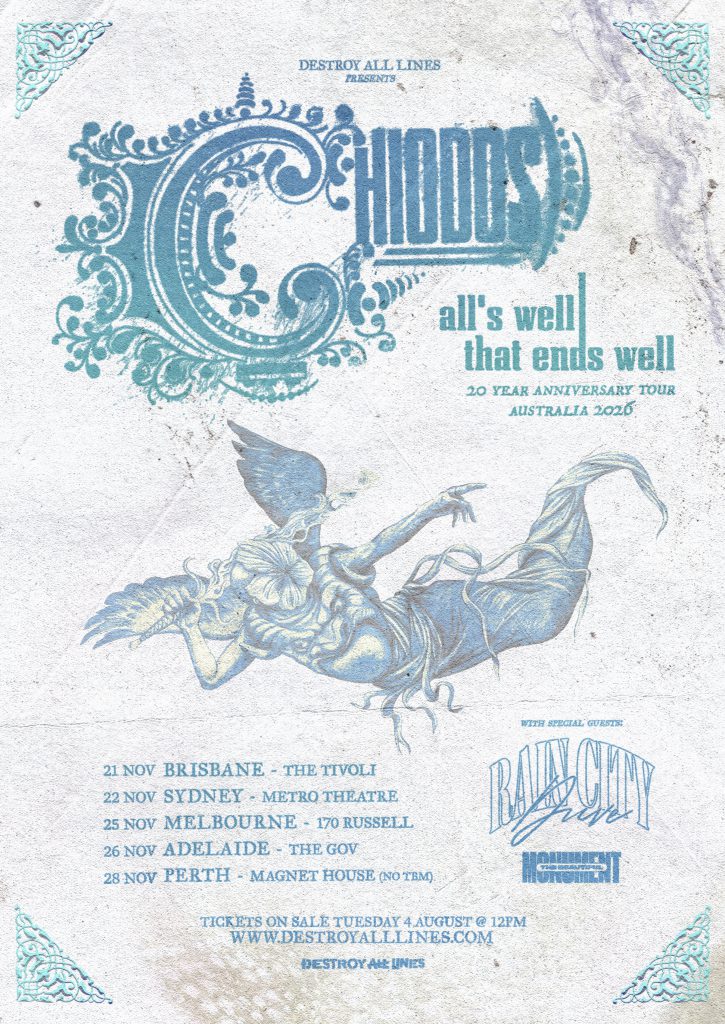
The Jungle Giants are back!
The energetic 4 piece return to stages down under with with their 5th studio album, ‘Experiencing Feelings of Joy’. Supported by up and comers The Tullamarines and Tear Drive (AU only) these shows are for tastemakers and dancefloor demons alike.
With close to half a billion streams under their belt and a reputation for lighting up festival stages this tour unveils a bold new evolution of The Jungle Giants’ signature sound.
|
|
Australian producer/dj Arky Waters returns this week with ‘OMG’, a song born from a flash of inspiration and the next preview of his forthcoming album.
Built around a striking vocal sample that instantly caught his ear, ‘OMG’ captures one of those rare, fast-moving studio moments where everything clicks.
“I was in the studio with a friend, and he showed me this ‘omg’ sample that I completely fell in love with. I went home and the song came together rather quickly, one of those bursts of inspiration moments. After that I spent a lot of time detailing the bass on this track, carving out all the different layers. I wanted it to feel really immersive and textural.” says Arky Waters.
That attention to detail shines through in the finished track, with ‘OMG’ balancing immediacy and depth, punchy, playful and club-ready, while layered with rich low-end and finely sculpted production. It’s a confident showcase of Arky Waters’ evolving sound, rooted in groove and driven by texture.
Following a run of releases that have steadily built anticipation for his upcoming album, ‘OMG’ signals an artist in full creative flow, refining his sonic identity while leaning into instinct and momentum.
‘OMG” is out now via
Mammal Sounds Records:
https://bfan.link/arkywaters-omg
Socials:
Credits:
Written & Produced by Arky Waters
Mixed by Doug Wright
Mastered by Suture Mastering
Artwork & Photos by Arky Waters
Visuals by Version Khan