The Partae
  • Music
    • News
    • Interviews
    • Festivals & Events
  • Fashion / Culture
  • Stay & Play
  • About Us
  • Contact Us / Advertise
  • Submit Event

Arky Waters Turns Up the Heat with New Single ‘Molly’

April 3, 2026

Interview: Will Sparks on Classics, Crowds and the Next Chapter

April 2, 2026

GUTTERMOUTH Farwell Australian Tour

April 2, 2026

Sophia Bouvier Introduces a Striking Debut with “Poison Apple”

April 2, 2026

ANNA JEAVONS COUNTS DOWN TO THE RELEASE OF ANOMIE WITH EMOTIVE SINGLE...

April 2, 2026

MAKUA ROTHMAN RELEASES A POWERFUL NEW SINGLE CATCH A WAVE WITH AWOLNATION

April 2, 2026

Monsieur Mellow – Roll River, Roll (feat. Jackson James Smith) out now

April 1, 2026

The Horrors (UK) welcome Sydney band G.U.N as support on upcoming Australian...

March 31, 2026

1tbsp – Pink Dress (feat. Cherry Chola)

March 27, 2026

Hideout Festival announces full line up & brand Radio 1 Dance X...

March 26, 2026
Author

the partae

the partae

The Partae

Festival NewsMusic News

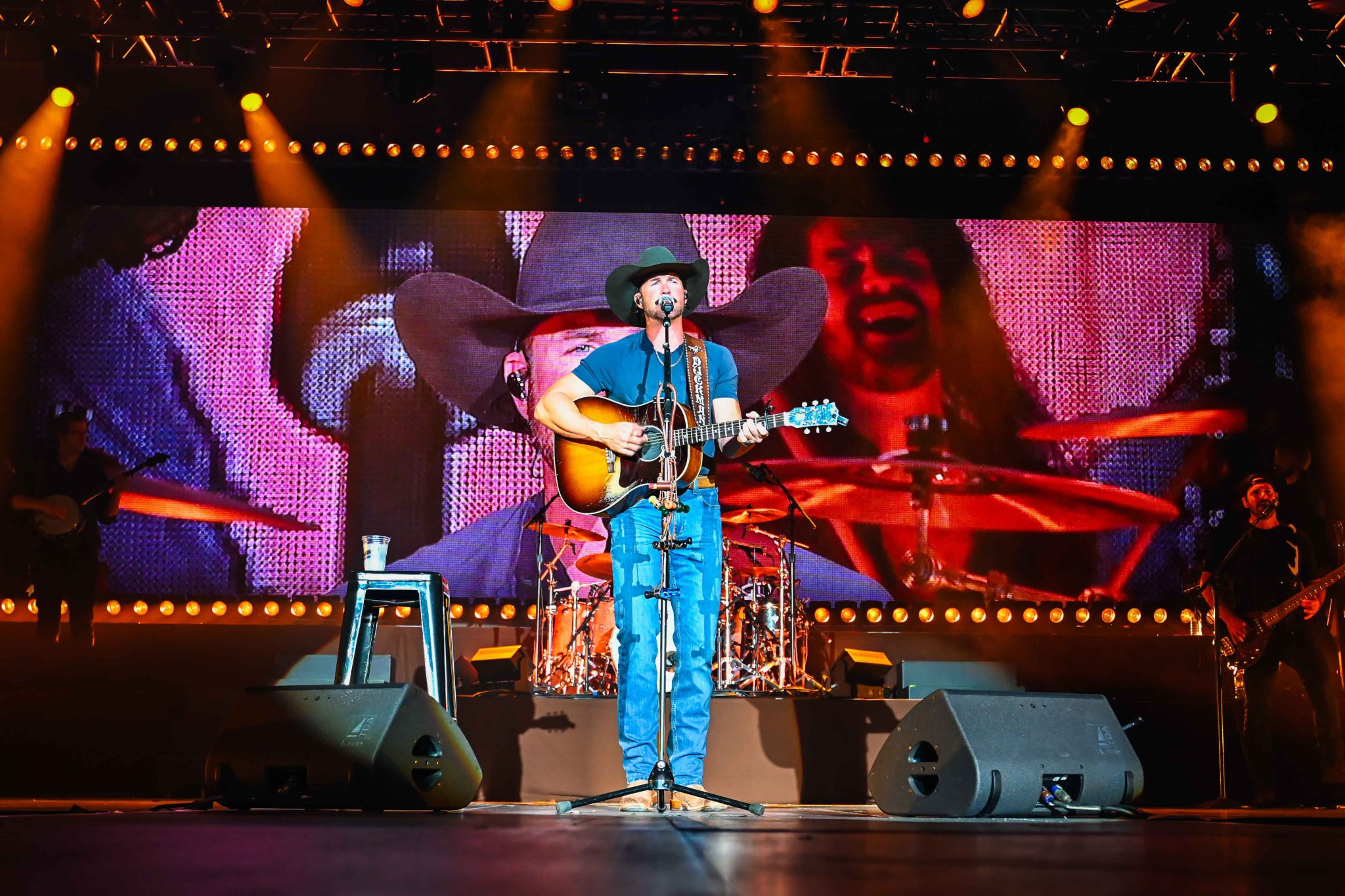
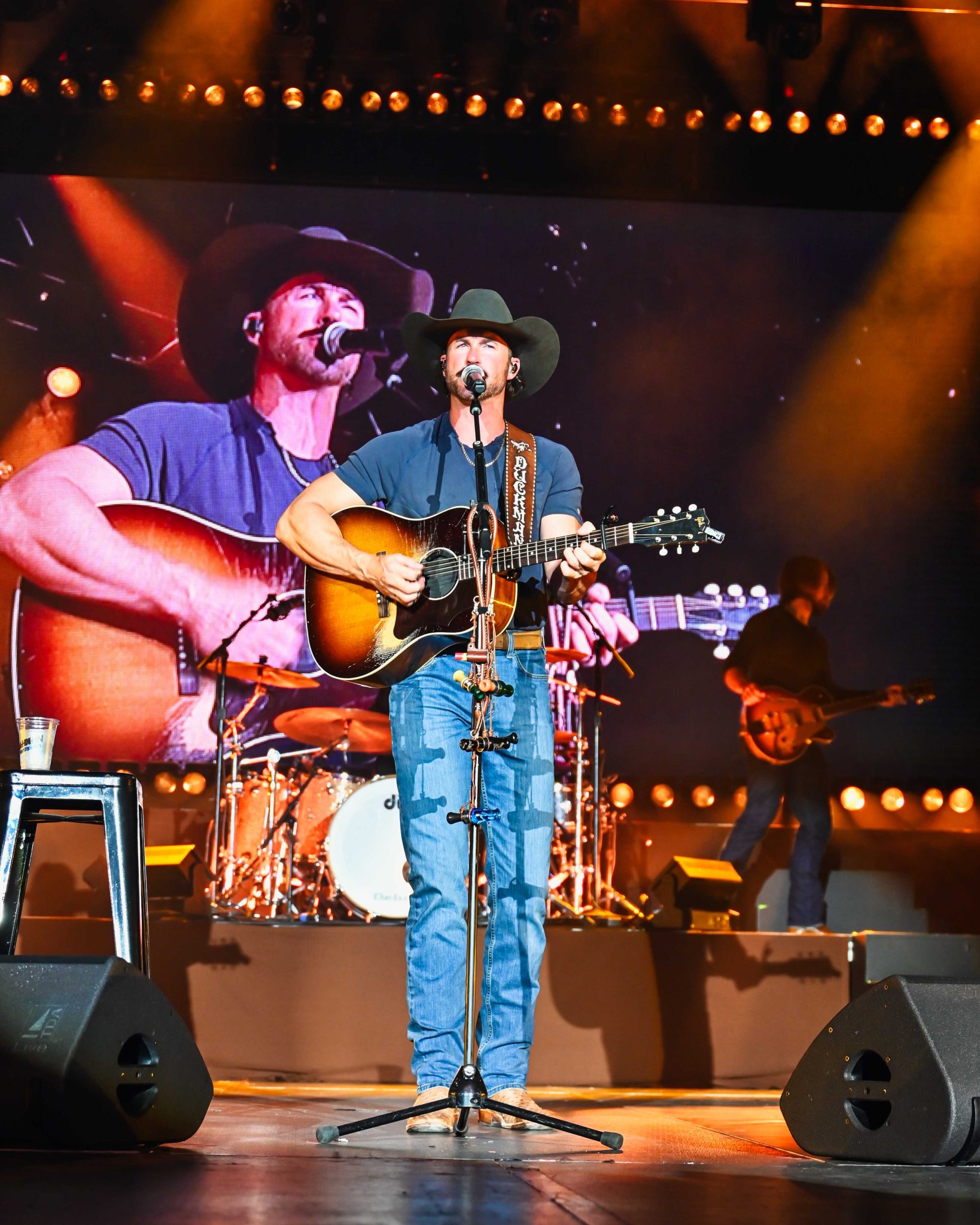
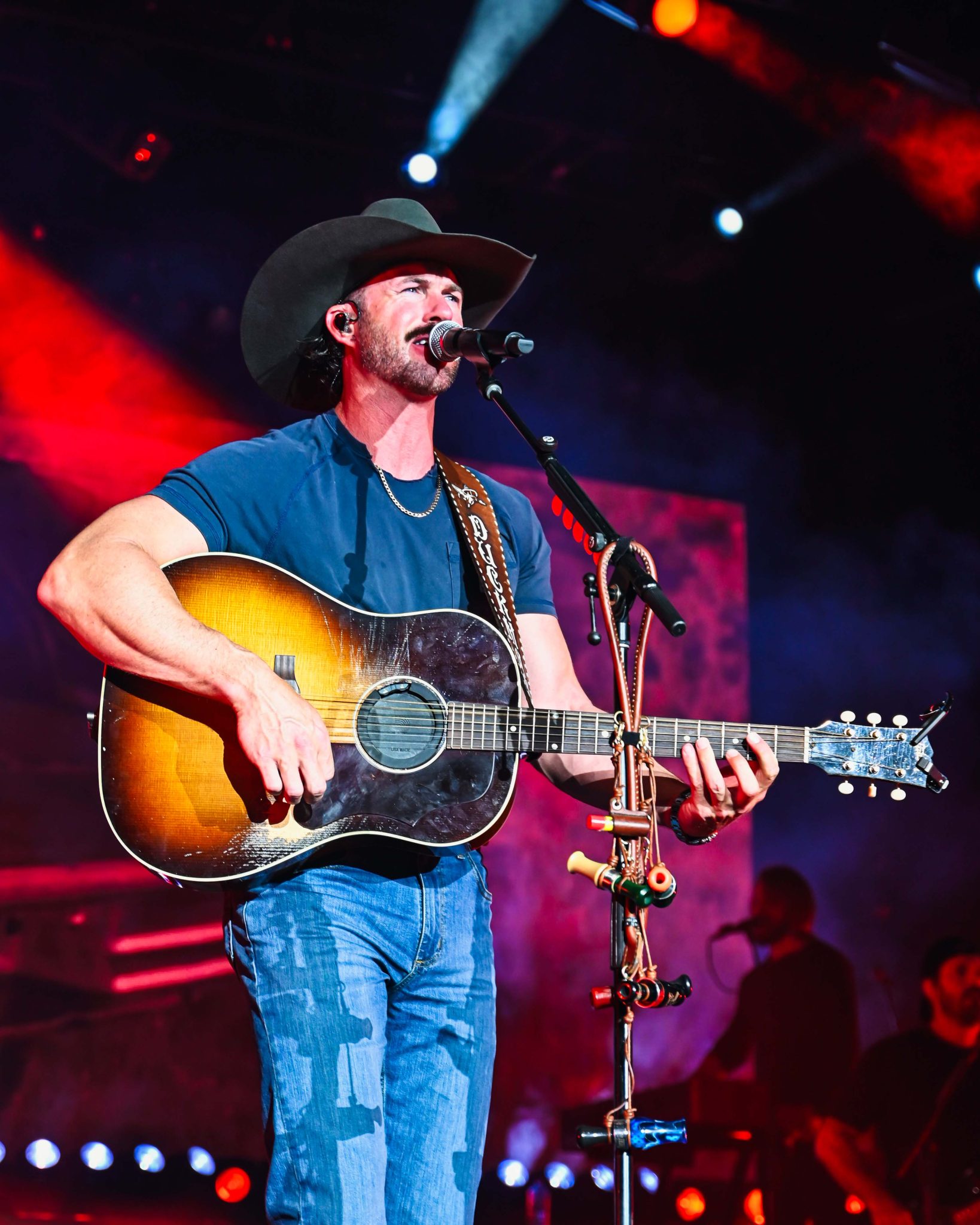
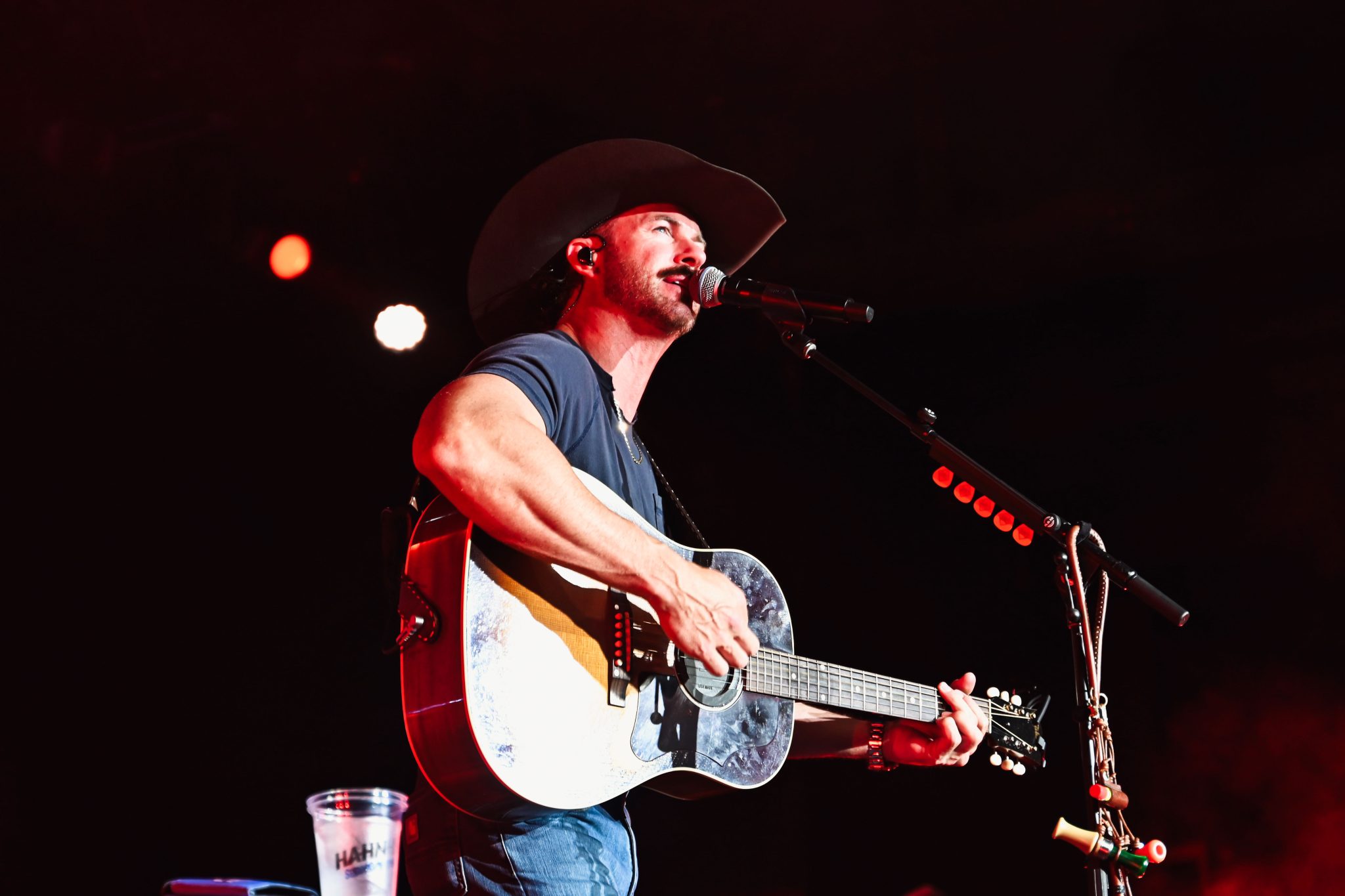
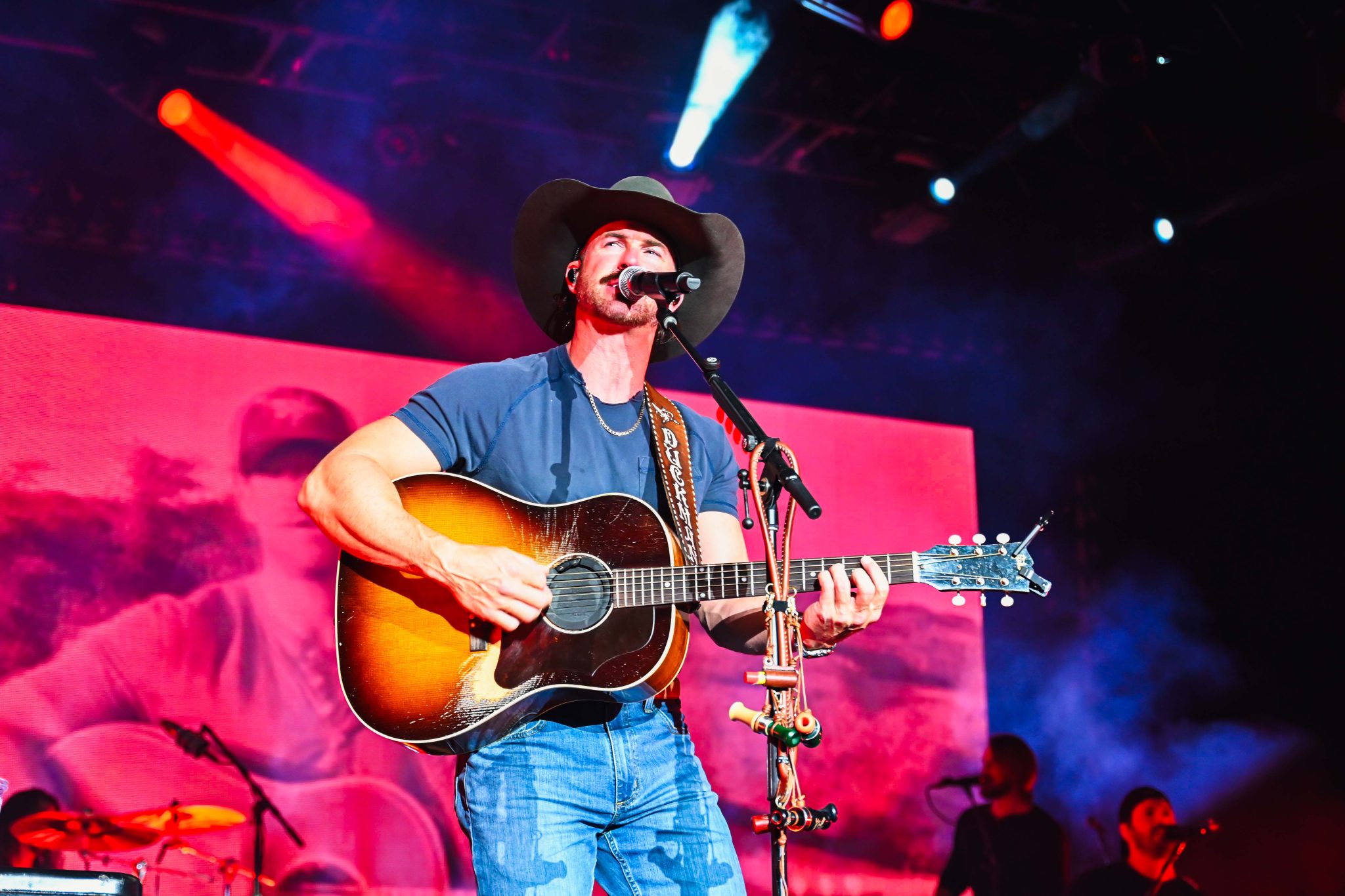
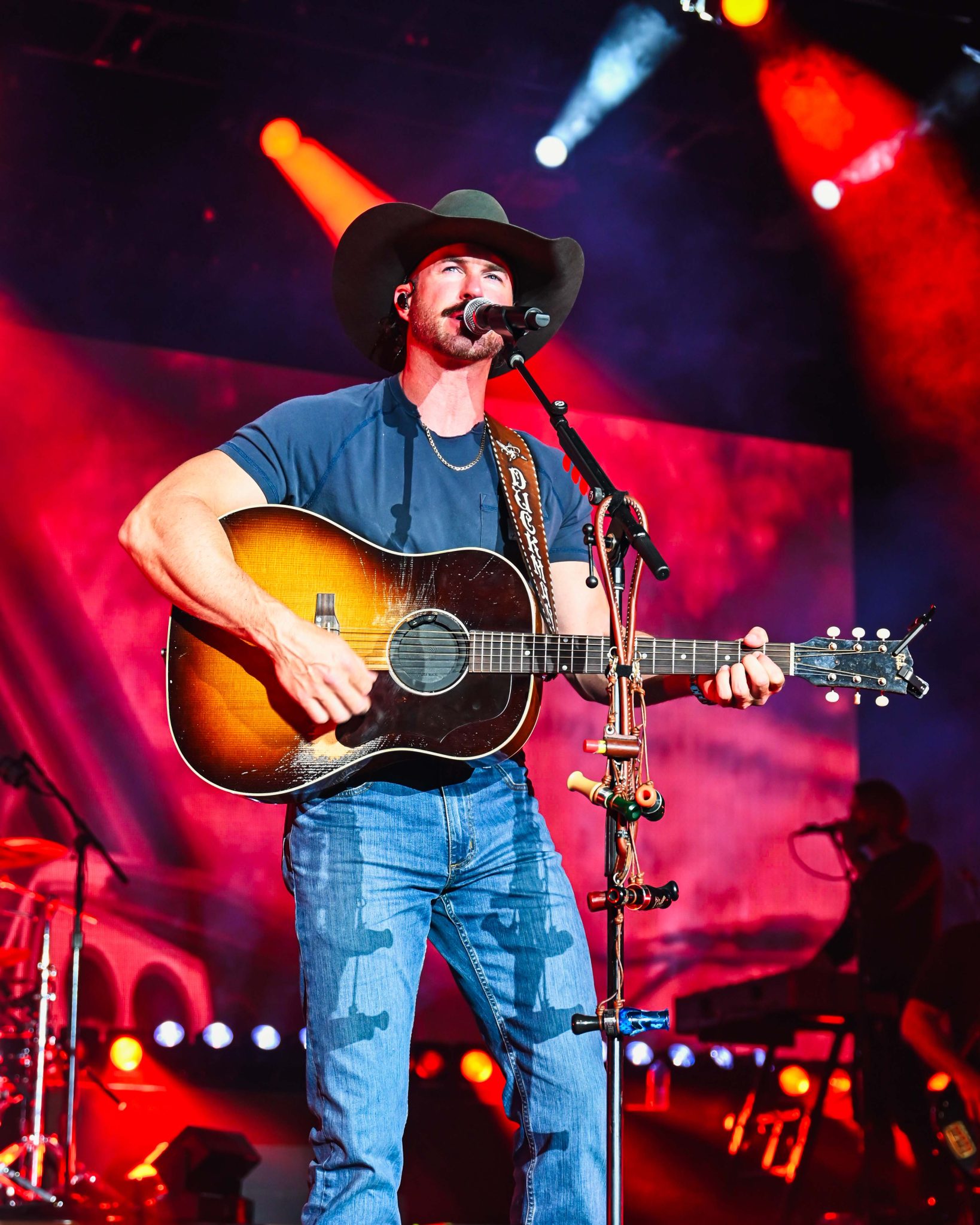
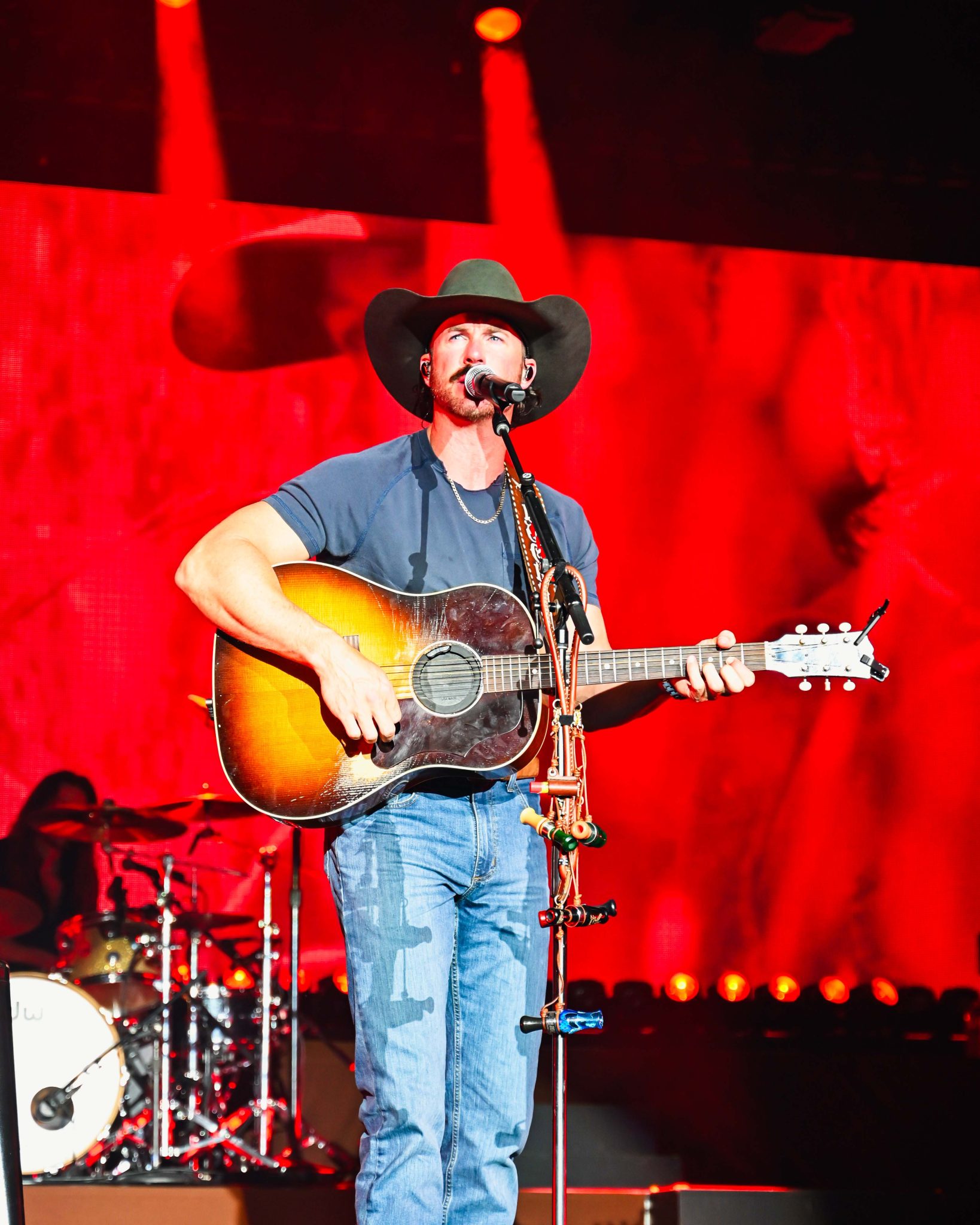
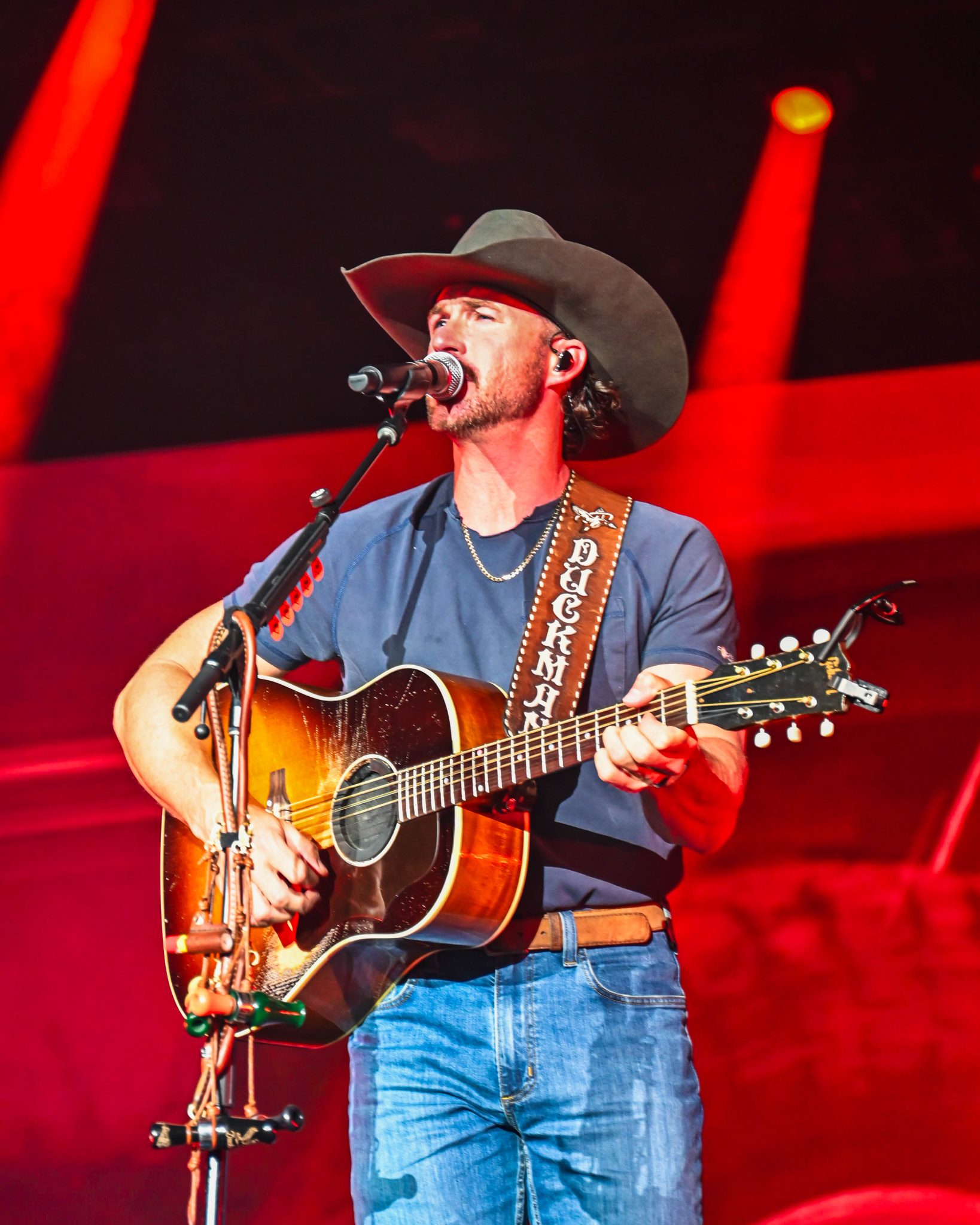
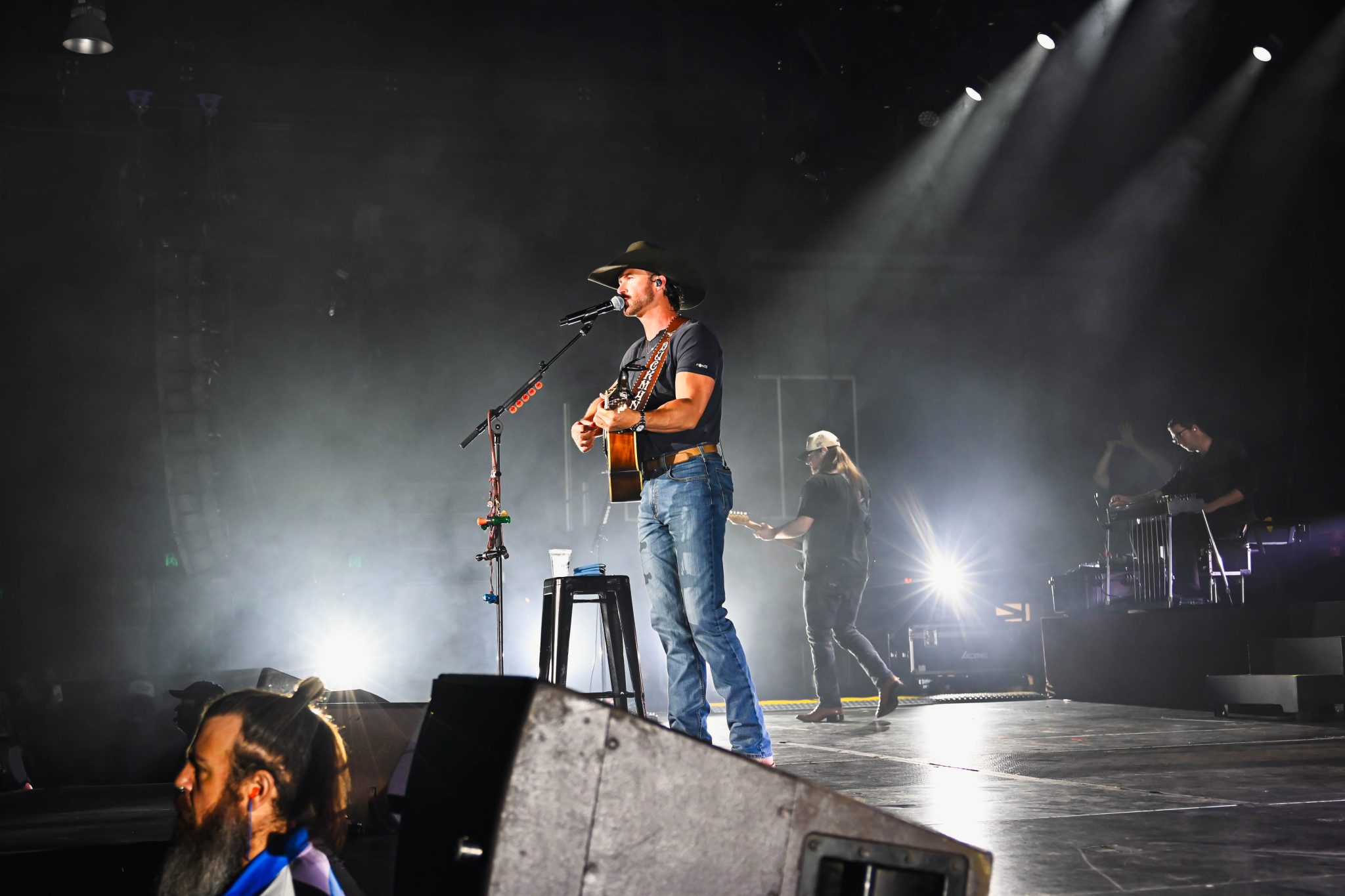
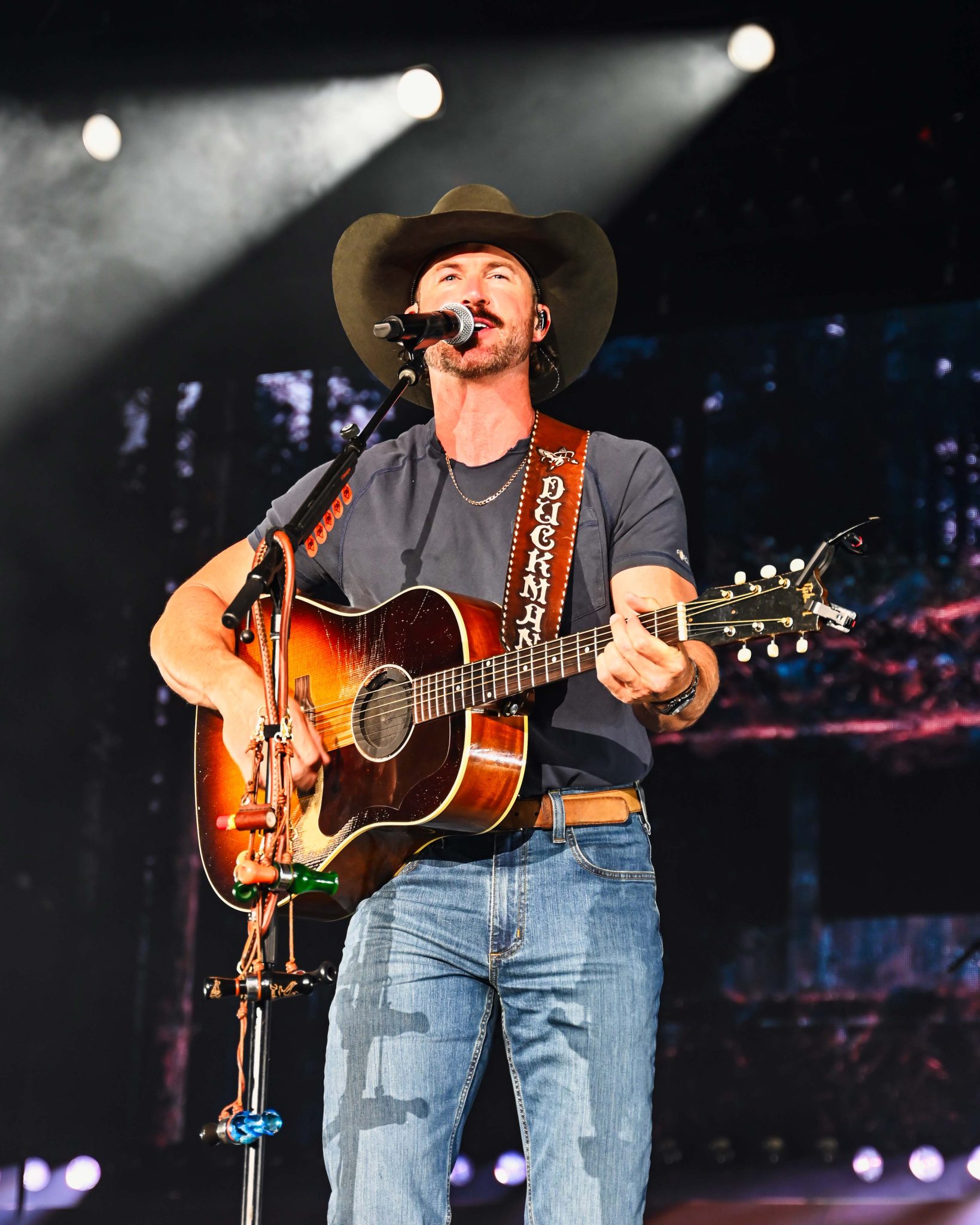
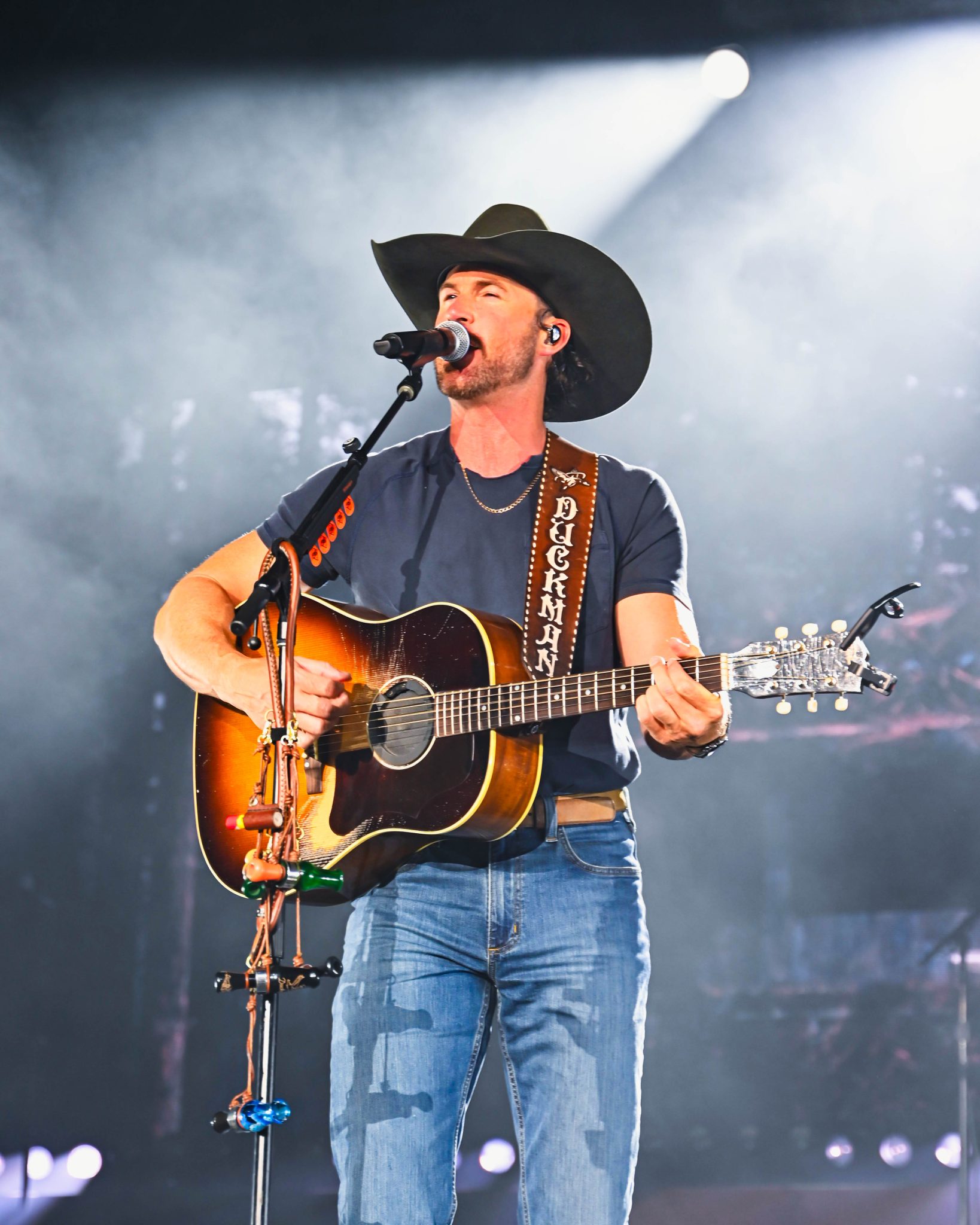
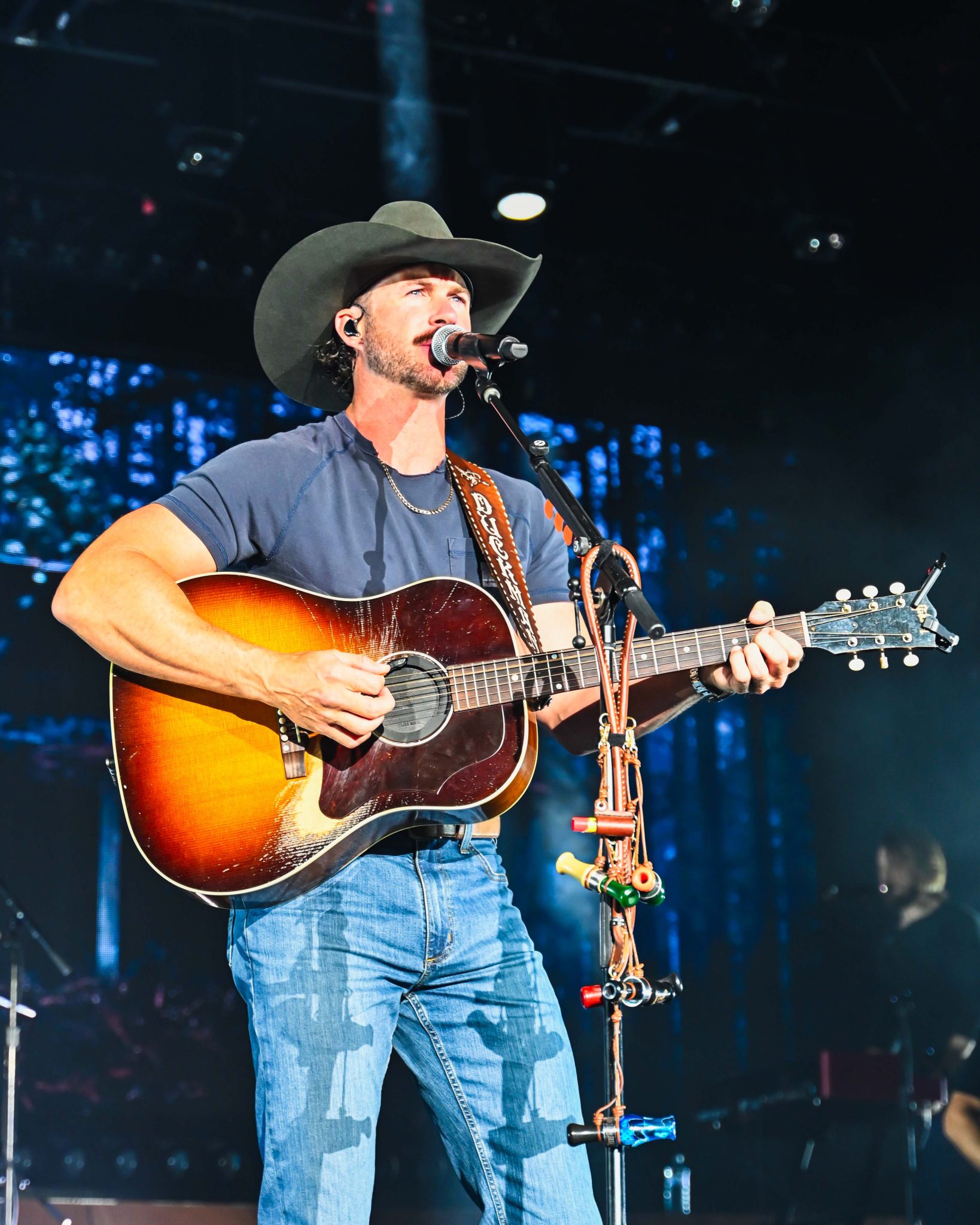
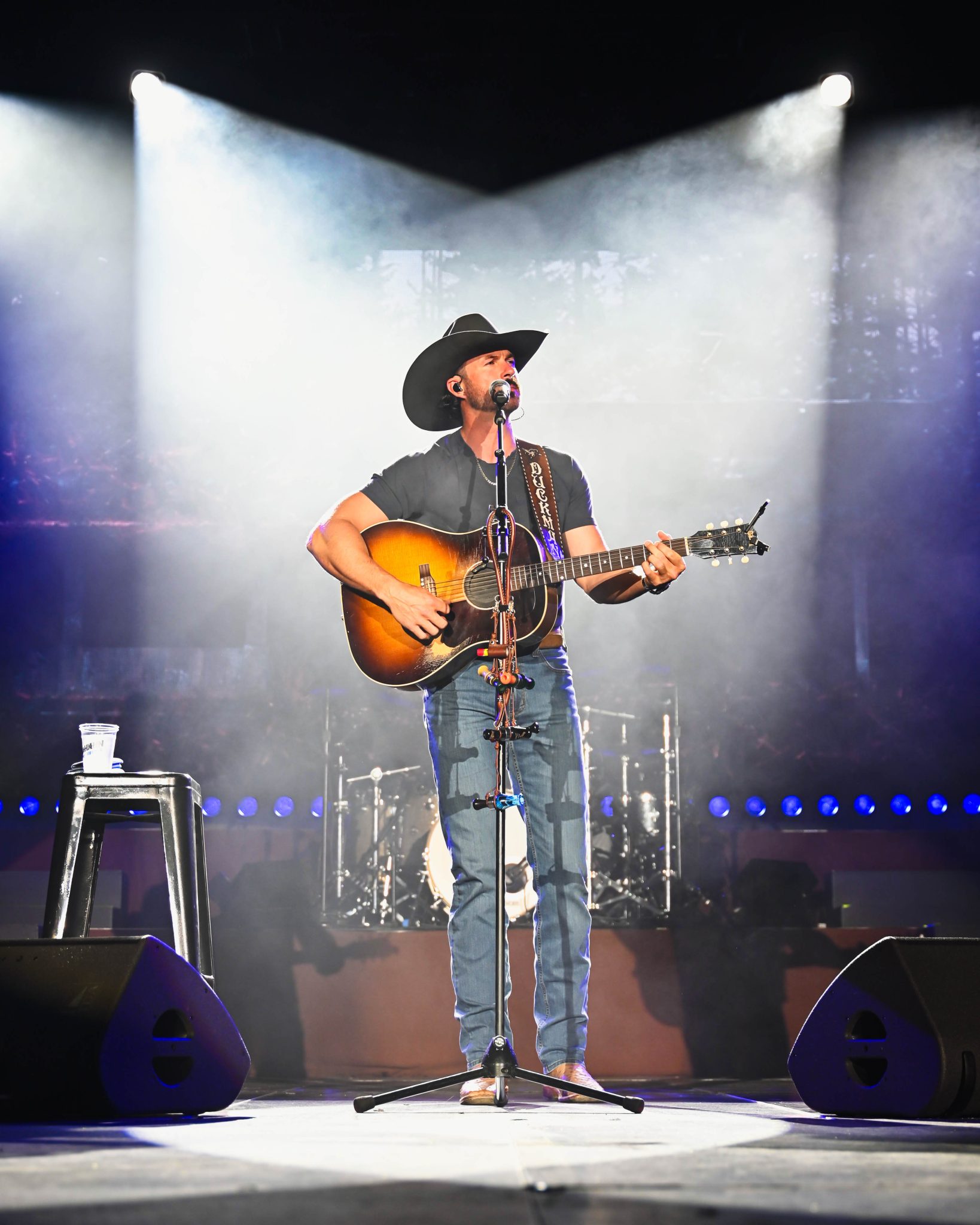
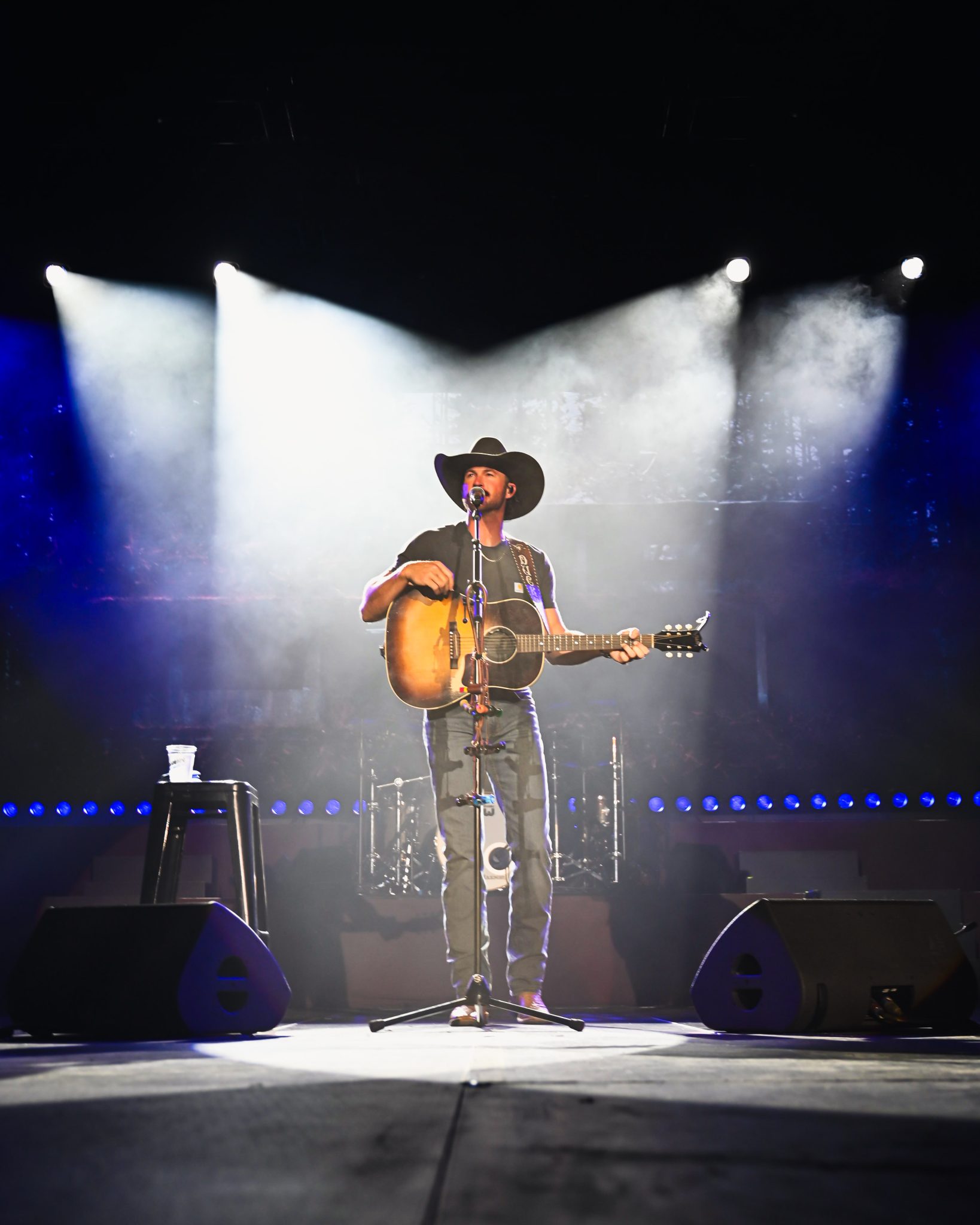
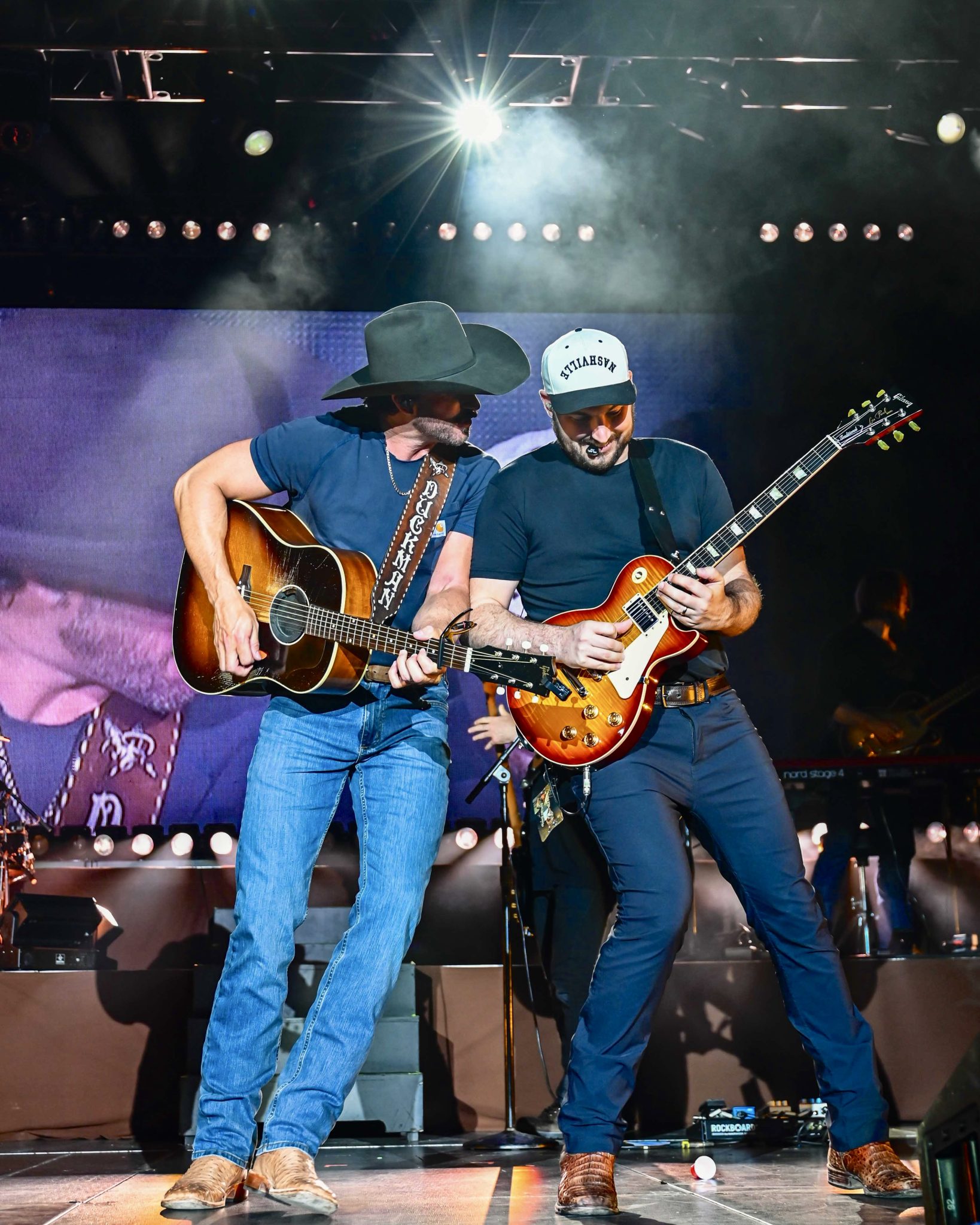
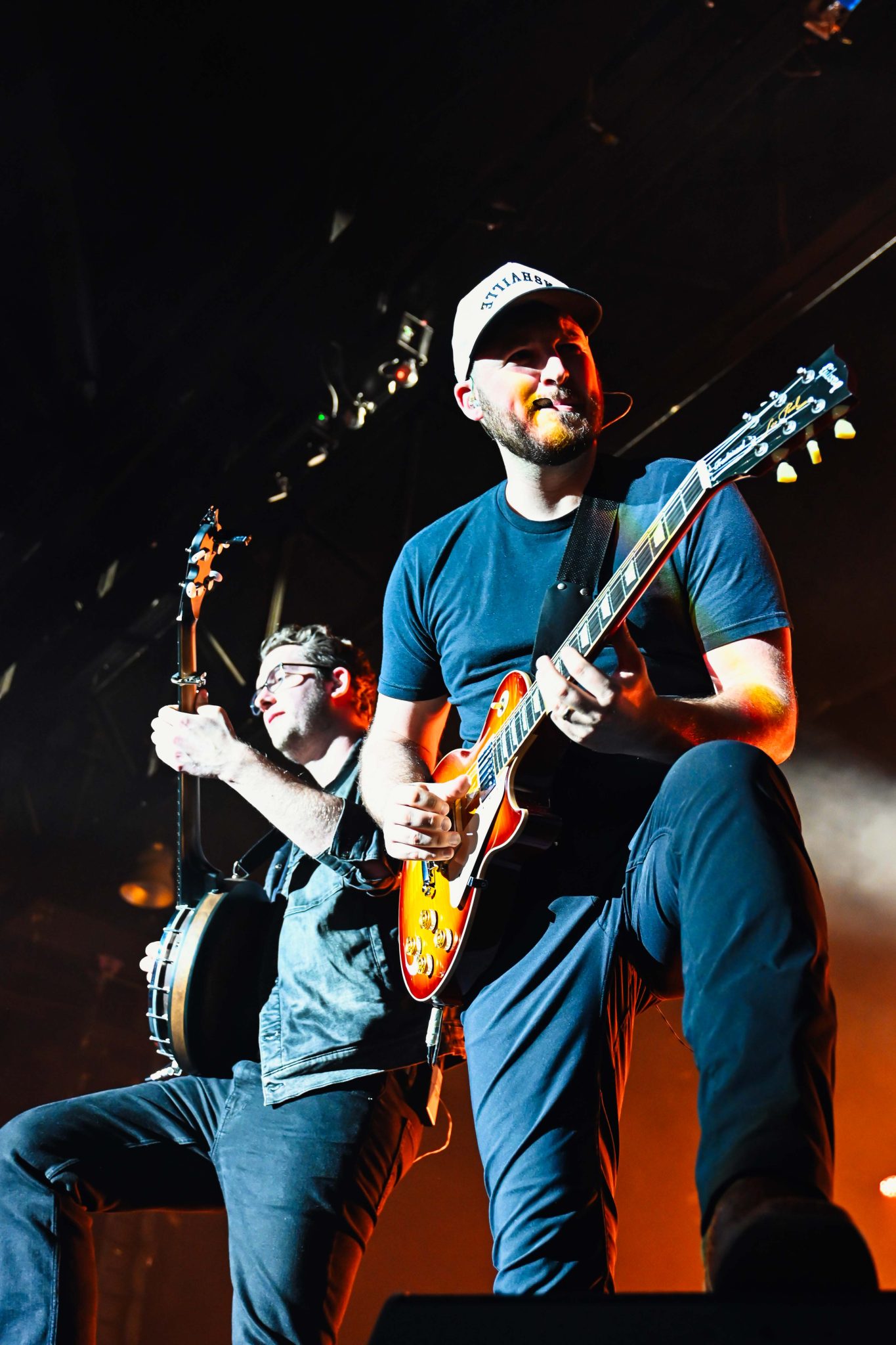
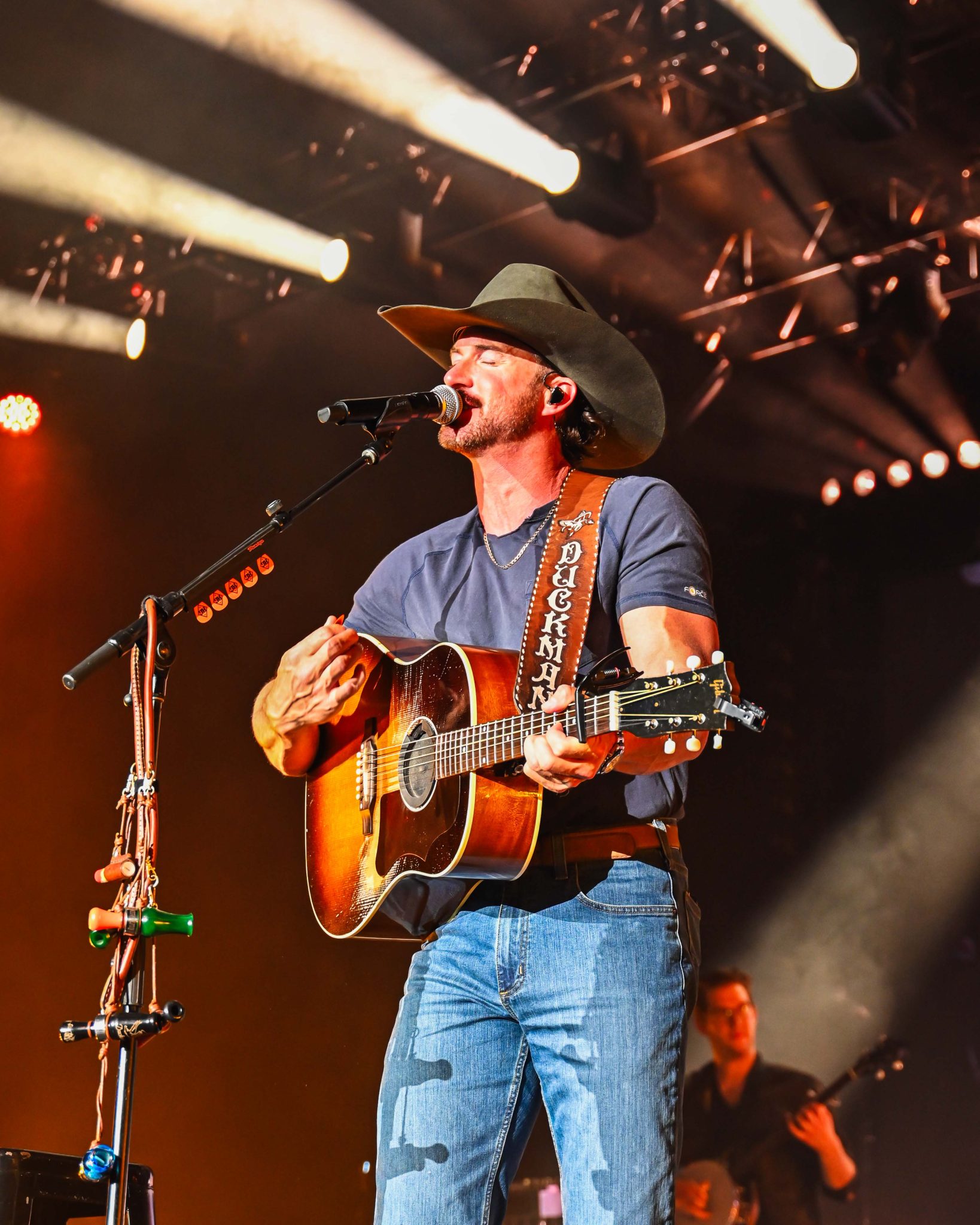
Riley Green – Hordern Pavilion- 16 March 2026

by the partae March 18, 2026
written by the partae

Photography: Jake Harm Nam
March 18, 2026 0 comments
0 FacebookTwitterPinterestEmail
Festival NewsMusic News

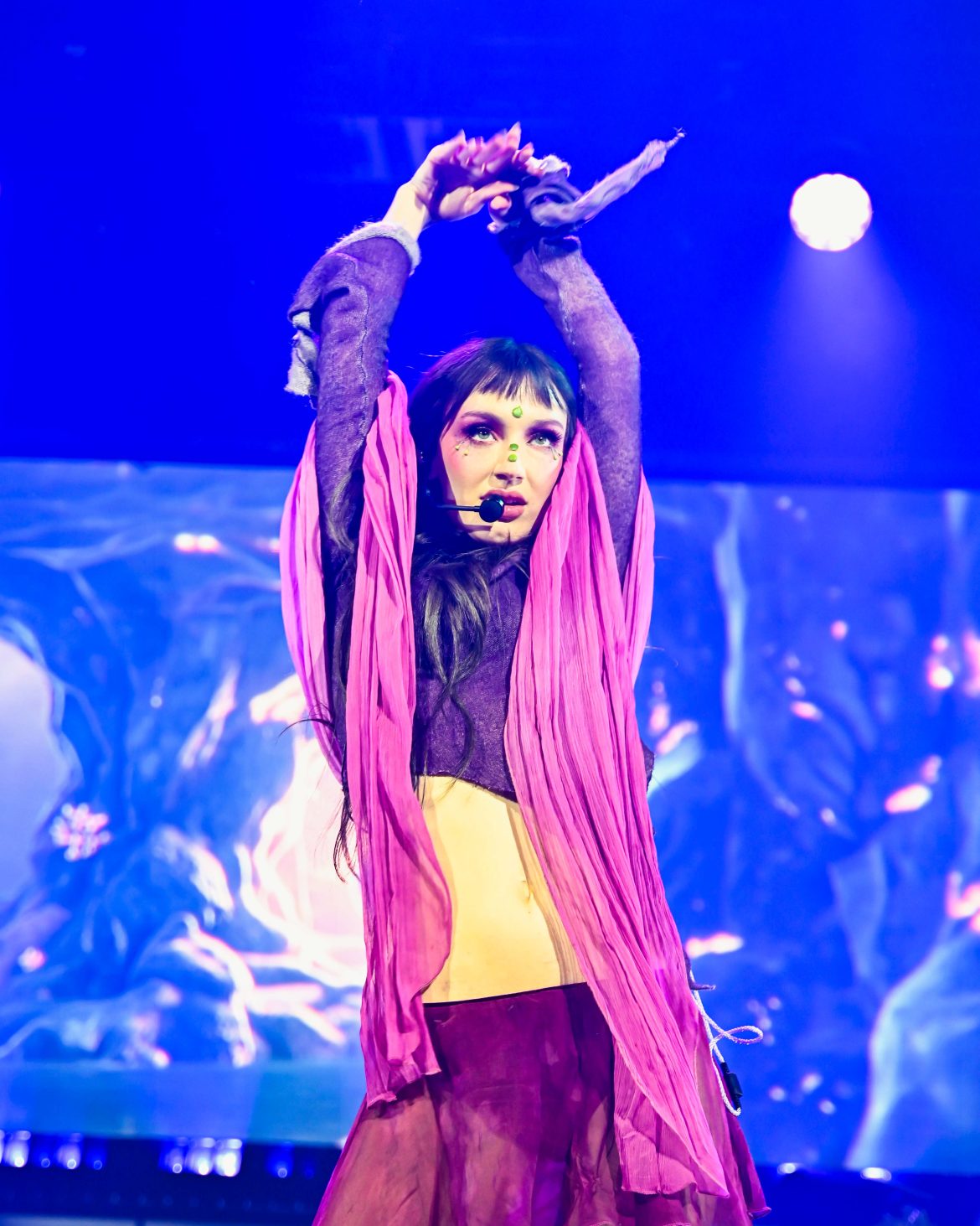
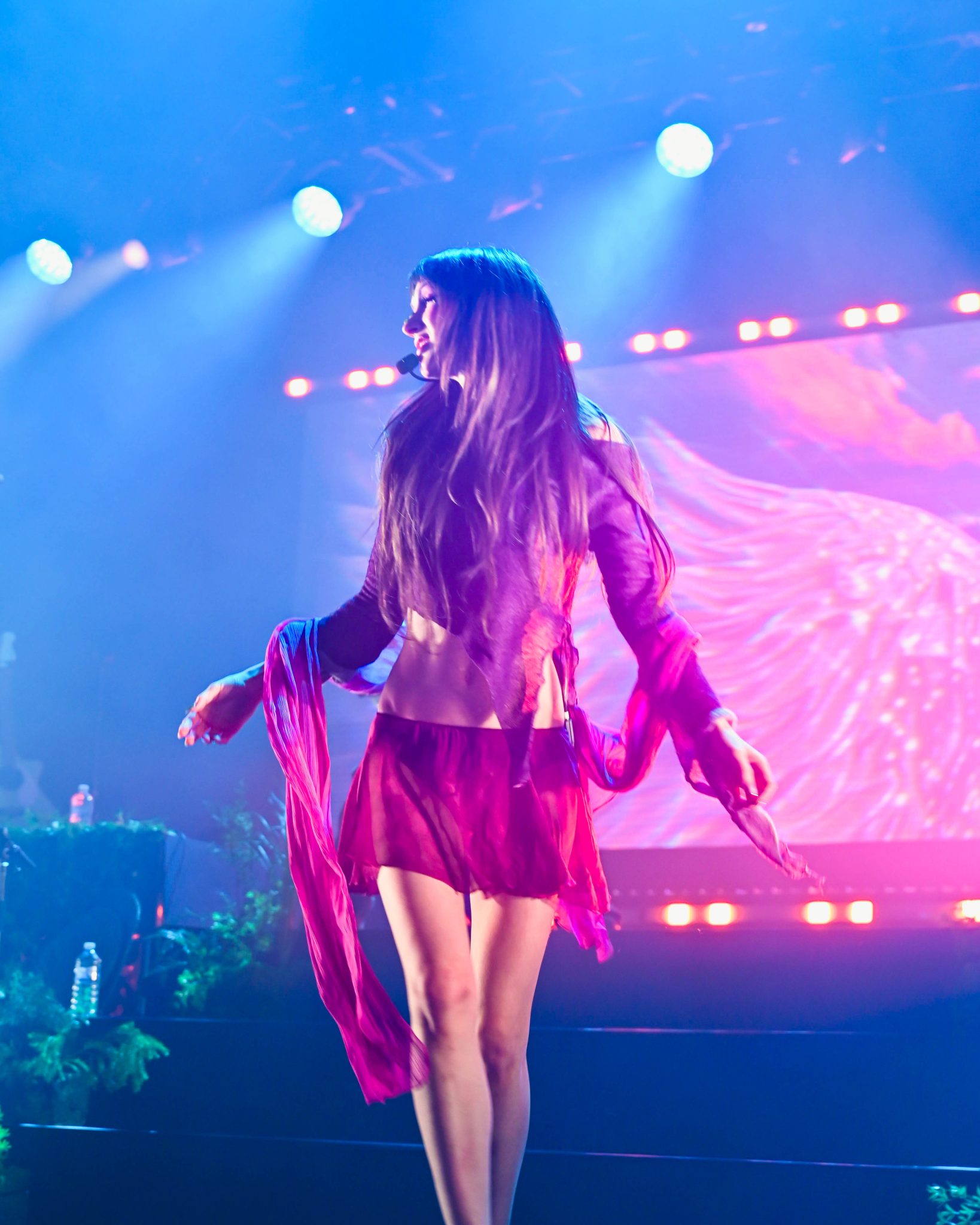
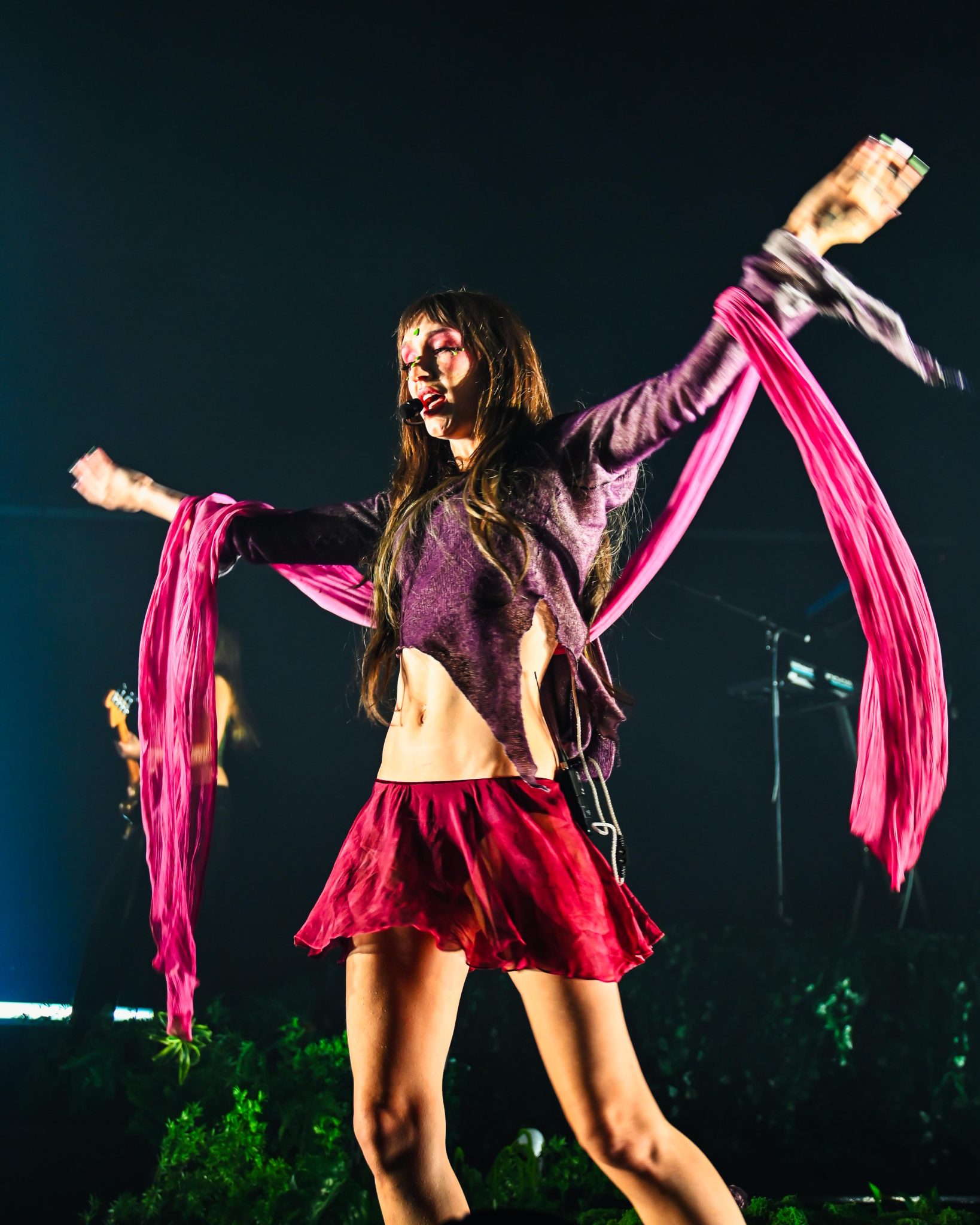
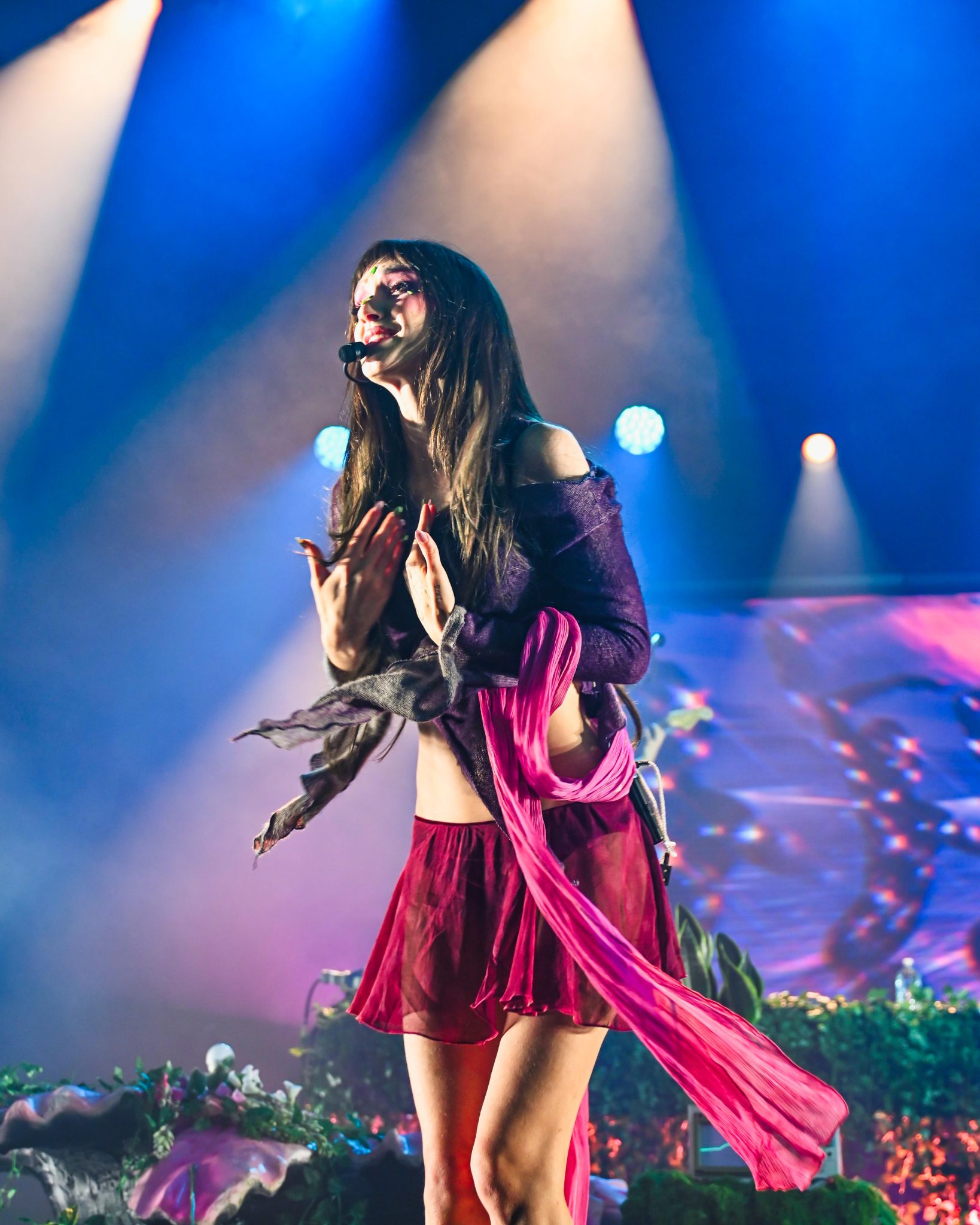
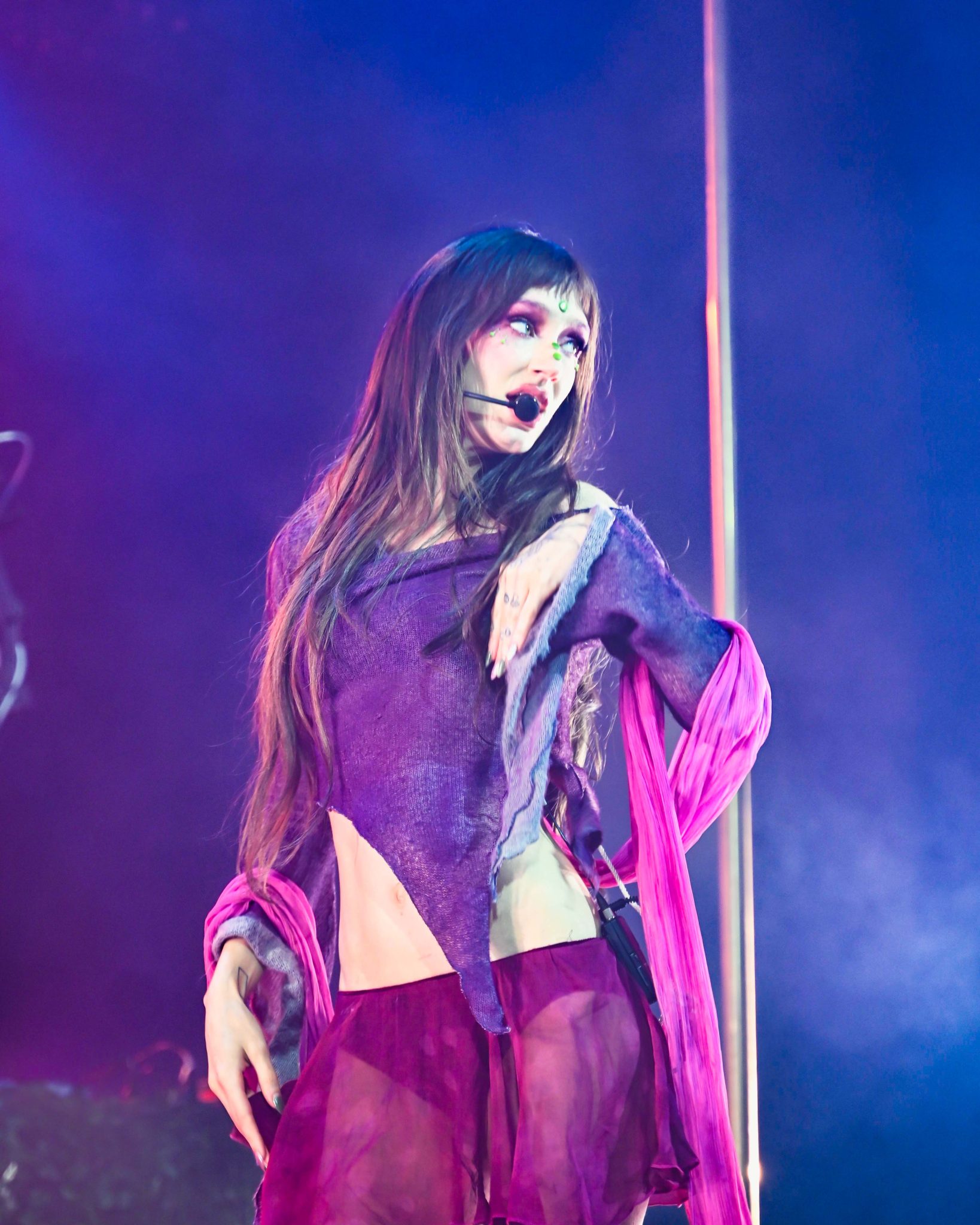
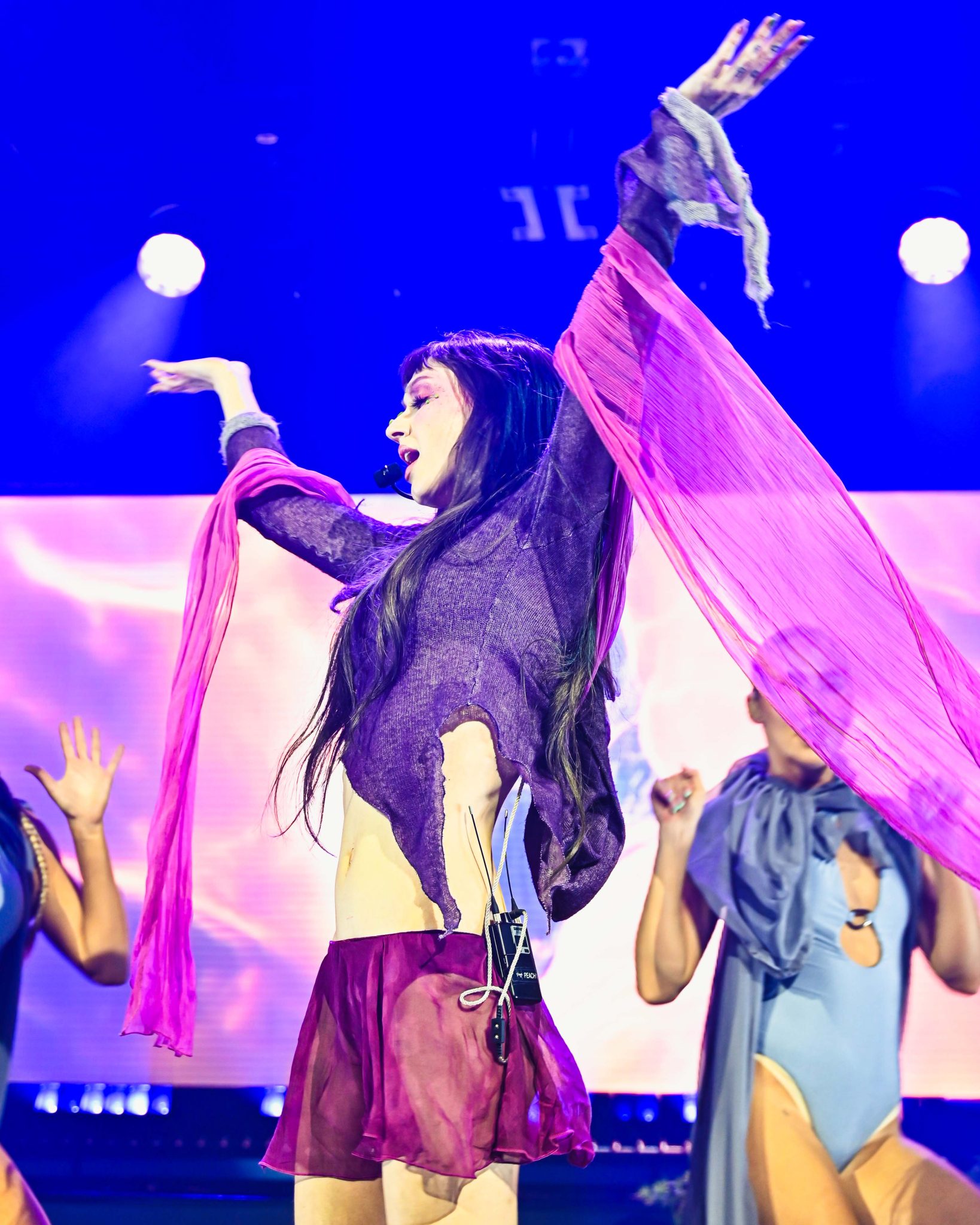
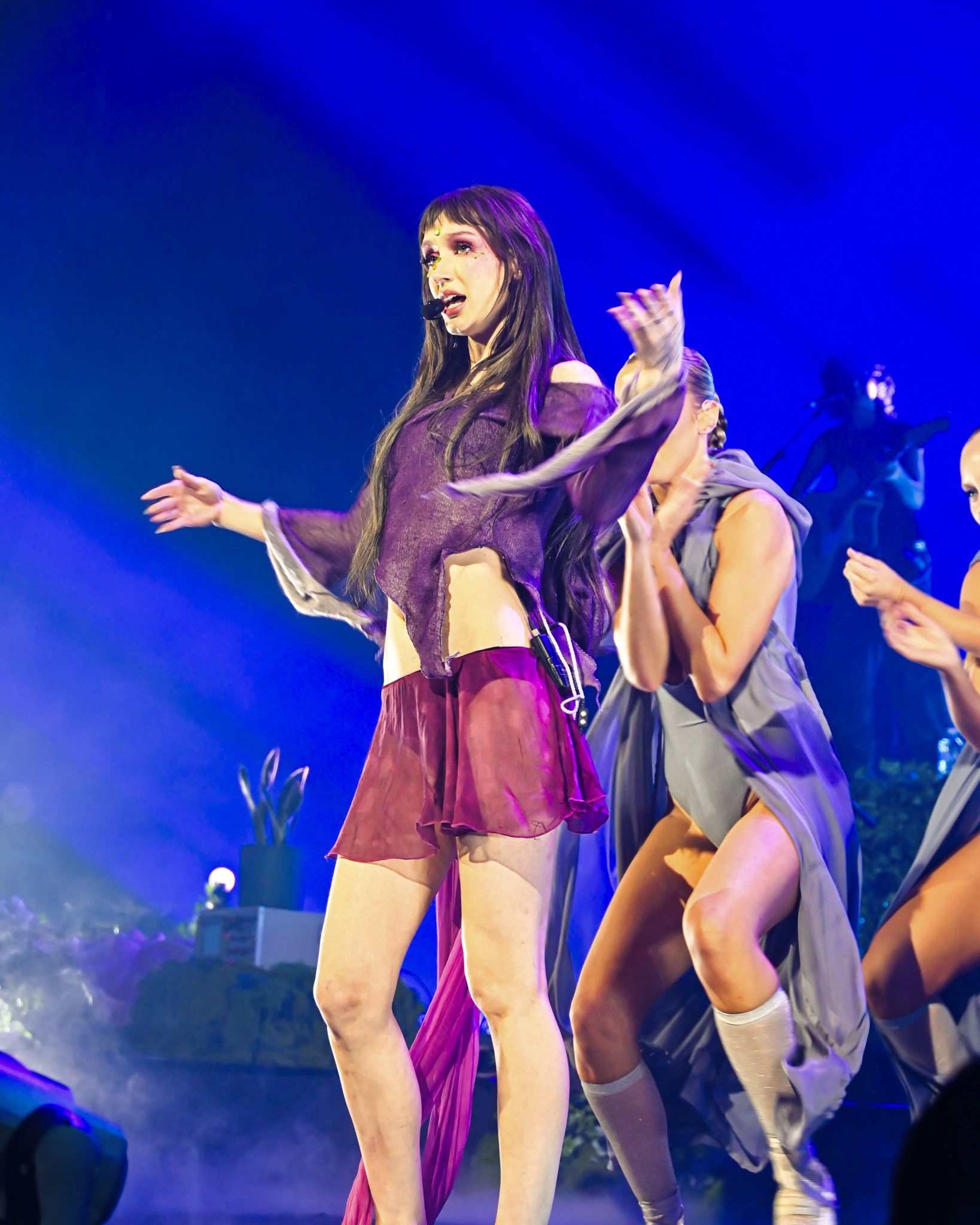
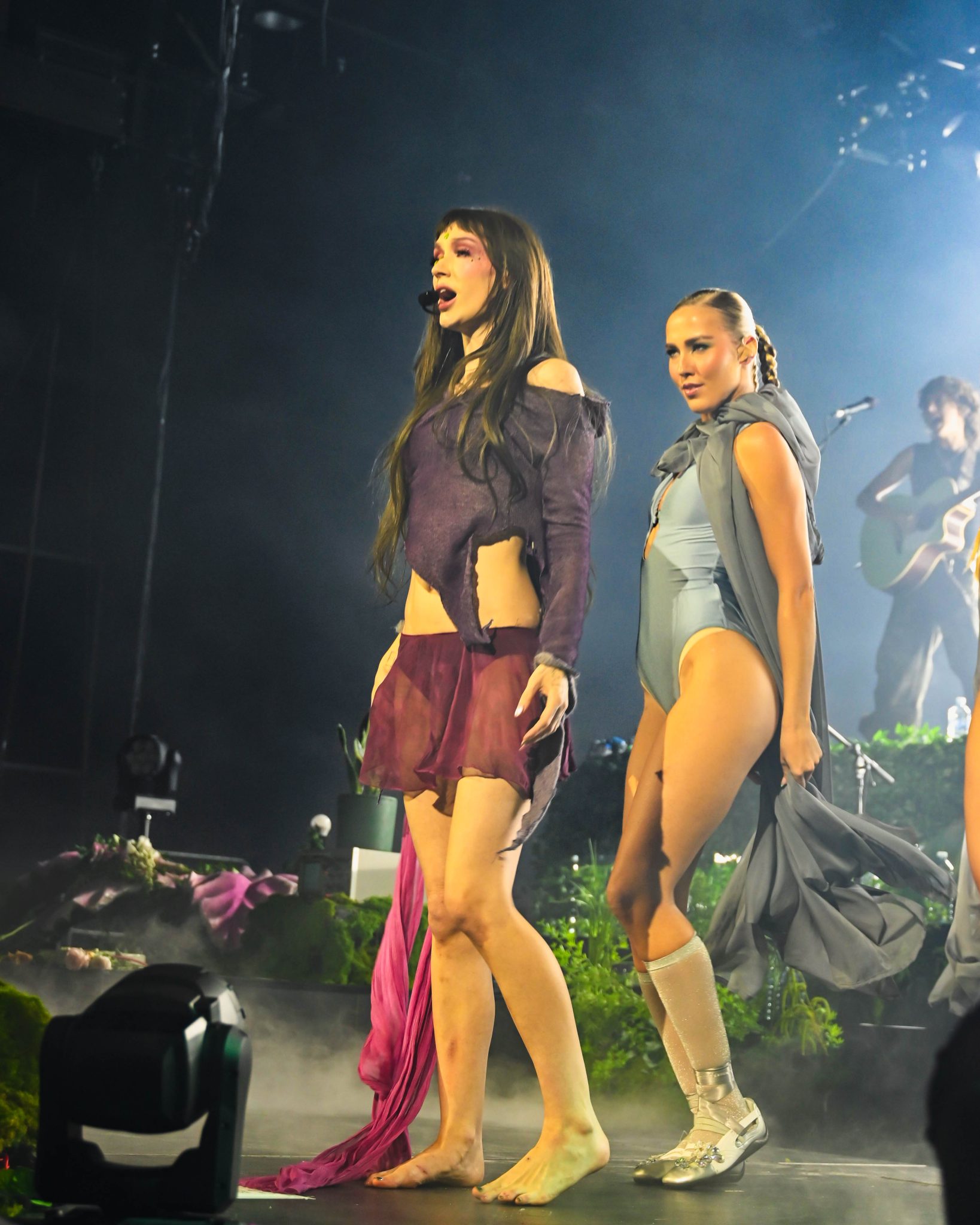
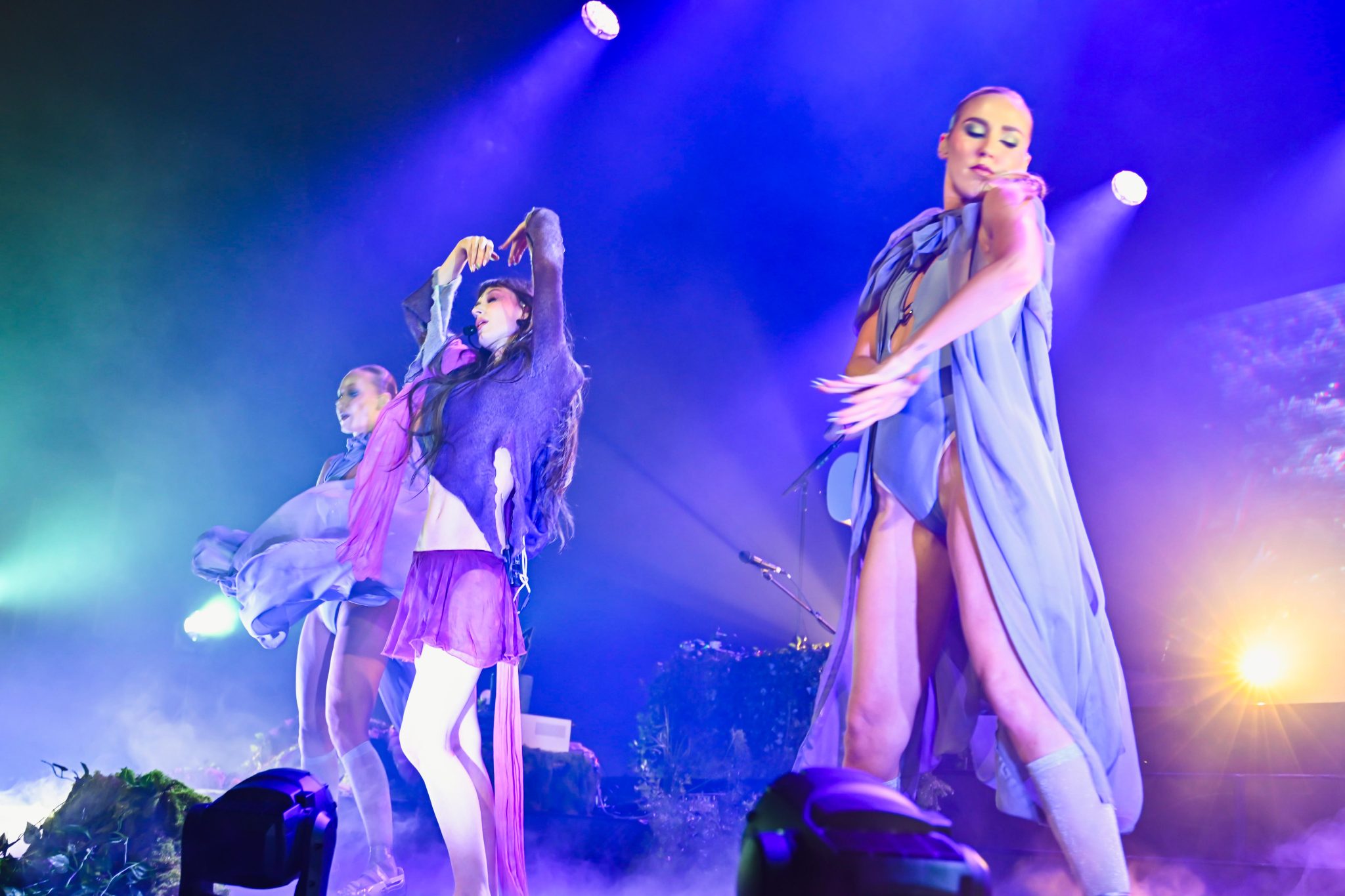
Peach PRC At Hordern Pavilion – 15 March 2026

by the partae March 16, 2026
written by the partae

Photography: Jake Harm Nam
INSTAGRAM

March 16, 2026 0 comments
0 FacebookTwitterPinterestEmail
Festival NewsMusic News

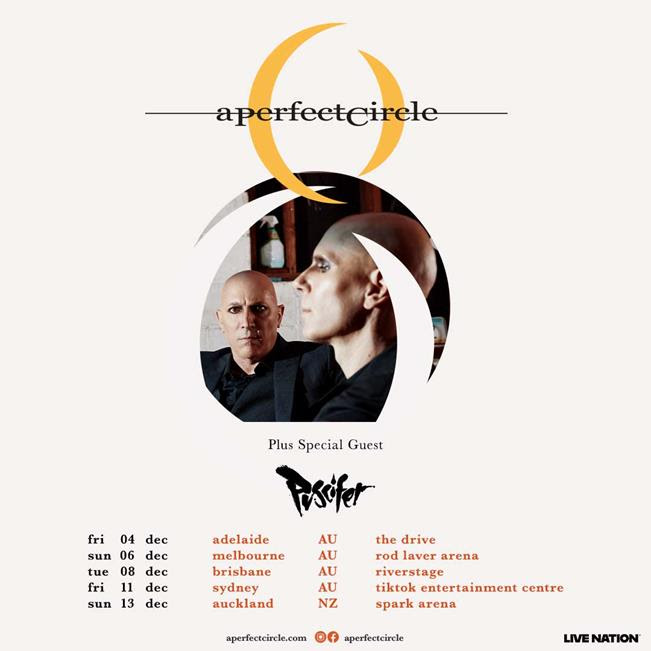
A Perfect Circle Return to Australia in 2026 With Special Guest Puscifer

by the partae March 16, 2026
written by the partae

It’s been a long time between visits, but A Perfect Circle are finally returning to Australia.

More than a decade after their last run of shows here, the influential alternative rock outfit led by Billy Howerdel and Maynard James Keenan will head back down under this December for a string of headline performances across the country. For fans who have been waiting patiently since the band’s previous Australian tour in 2013, the announcement feels like a rare and welcome moment.

Since forming in the late 1990s, A Perfect Circle have carved out a distinct place in modern rock. Their music has always lived somewhere between heaviness and atmosphere — blending the brooding intensity of alternative metal with sweeping melodies and cinematic production. Albums like Mer de Noms and Thirteenth Step helped define the band’s early identity, while later releases expanded their sonic palette even further.

Across their catalogue, the band have never been afraid to explore darker emotional territory, pairing introspective lyrics with dramatic instrumentation that feels equally suited to intimate venues and massive arenas.

This time around, the tour will carry an added layer of intrigue with Puscifer joining the run as special guests. The project, also fronted by Keenan, brings a more experimental and theatrical edge to the lineup — making the tour something of a rare crossover between two very different sides of his musical world.

For longtime followers, that pairing alone is reason enough to pay attention.

Live, A Perfect Circle have always had a reputation for creating something more immersive than a typical rock show. Their performances often lean into mood and atmosphere, with lighting, visuals and sound design all working together to create a sense of scale that mirrors the band’s music.

When they arrive this December, Australian audiences will get the chance to hear songs that have quietly become modern alternative classics — from the haunting strings of “3 Libras” to the explosive intensity of “Judith” and the slow-burn tension of “The Outsider.”

The Australian leg of the tour will include four major shows before the band heads across the Tasman.

December 4 — Adelaide, The Drive
December 6 — Melbourne, Rod Laver Arena
December 8 — Brisbane, Riverstage
December 11 — Sydney, TikTok Entertainment Centre

After years of side projects, studio work and long gaps between tours, A Perfect Circle’s return feels less like a routine tour announcement and more like the re-emergence of one of alternative rock’s most compelling live bands.

For those who have followed them since the early 2000s — or anyone discovering the band for the first time — December can’t come soon enough.
TICKETS

March 16, 2026 0 comments
0 FacebookTwitterPinterestEmail
Festival NewsMusic News

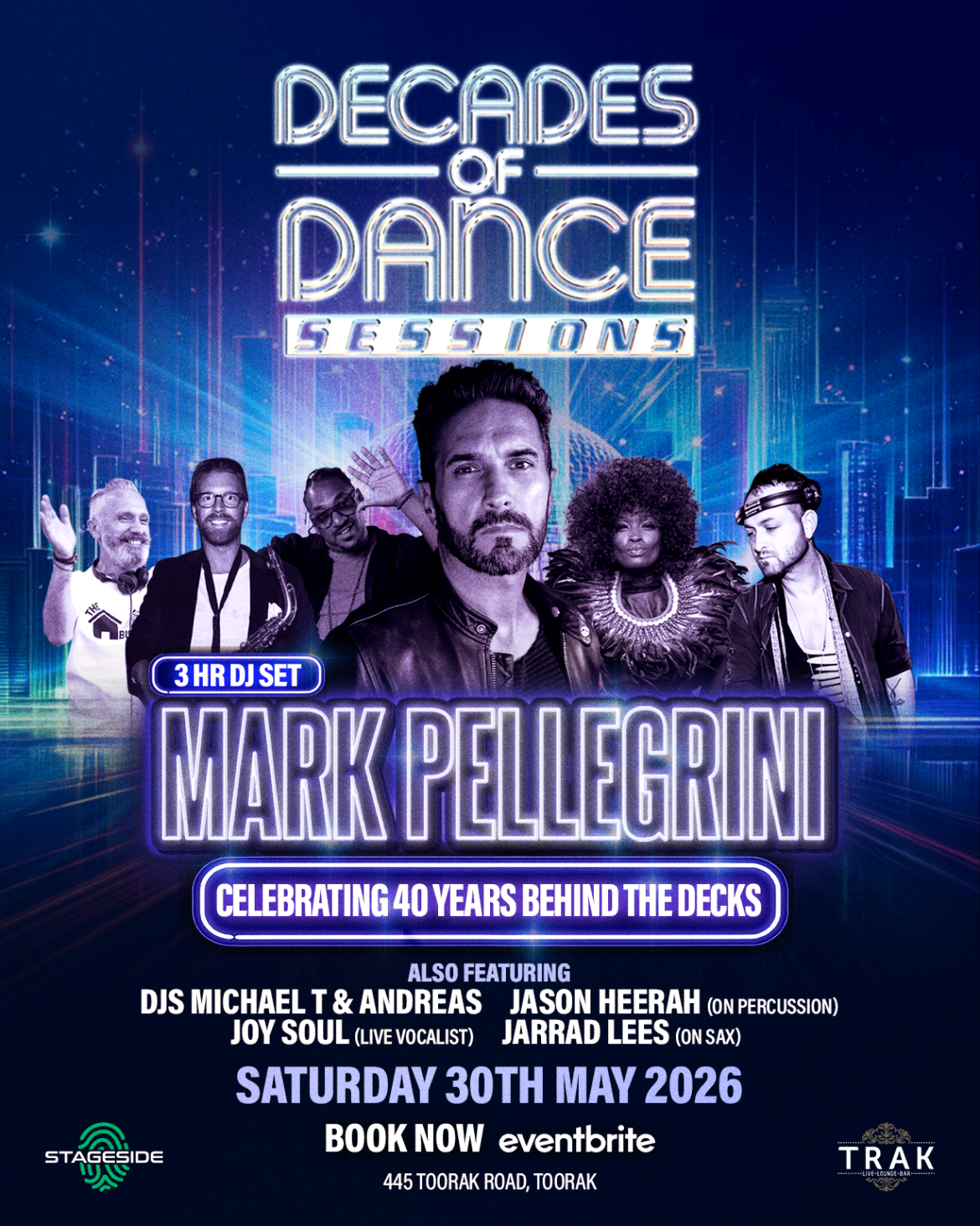
ICONIC MELBOURNE DJ MARK PELLEGRINI – CELEBRATES 40 YEARS BEHIND THE DECKS

by the partae March 16, 2026
written by the partae
Melbourne-born DJ and event producer Mark Pellegrini has spent four decades shaping the city’s music scene, uniting dancefloors, and celebrating community through sound.
On May 30, ‘Decades of Dance’ presents a one-night-only milestone event honouring Mark’s 40 years behind the decks, alongside special guests at the iconic Trak Lounge Bar in Toorak.
Mark’s story began long before the DJ booth, in Abruzzo, Italy, where his family’s journey was defined by courage, sacrifice, and resilience. Migrating to Australia in the early 1950s, his grandfather and father built a life grounded in hard work and family values. Growing up in Melbourne, Mark inherited a rich Italian cultural heritage — music, food, and traditions that would form the backbone of his life and career.
In 1986, as a teenager, Mark discovered his calling: DJing. He began with a small suitcase-style turntable and a cassette deck, experimenting with vinyl, mixing tracks, and manually adjusting tempos to master his craft before playing at house parties and local clubs across Melbourne’s northern suburbs.
Over the decades, Mark has performed at some of Melbourne’s most iconic venues including: Heat, Alumbra, Royal Melbourne Hotel, Trak, Cadillac Bar, Silvers, Raquet club, Dome, Chevron, Salt, Platform One and many of Melbourne’s biggest events & festivals.
Mark has also entertained his loyal fans across the airwaves via his successful ‘Rocksteady Radio Show’ on long-running Dance station KISS FM Melbourne.  He has hosted over 455 shows, including the underground house show ‘Rocksteady Revolution.’
Mark has maintained a strong connection to Melbourne’s Italian community, performing on the main stage at the ‘Melbourne Italian Festa’ for over ten years and at numerous cultural celebrations, uniting music, heritage, and generations of Italo-Australians.
“My music is my gift,” Mark reflects. “It’s a way to connect people, move emotions, and create moments that live beyond the dance floor. I honestly can’t believe it’s been four decades of music, memories and dance floors. From underage parties in the early days to packed clubs, festivals and unforgettable nights across Melbourne and beyond… music has been my life’s work. On Saturday 30th May 2026 at Trak in Toorak, I’m celebrating 40 years behind the decks, and I would love for you to be a part of it. I’ll be joined by some absolute legends who have shared this journey with me over the years and together we’re going to take you through the decades that shaped us all. Disco. 80s. 90s. 00s. House anthems. A few surprises along the way. I hope you can join me and the crew to celebrate what will be a truly special milestone.” Mark Pellegrini
Mark Pellegrini – 40 Years Behind the Decks  
A celebration of Mark’s passion for music and a promise of creating new memories and unforgettable experiences.
 
Event Details:
Saturday 30th May 2026
Doors Open 8PM – Late
Trak Lounge Bar – 445 Toorak Rd, Toorak, Melbourne
Joining Mark Pellegrini on the night:
DJ Michael T
DJ Andreas
Percussionist Jason Heerah
Vocalist Joy Soul
Live sax by Jarrad Lees
Plus, a very special guest to be announced
Tickets available here

For more information, go to:
Instagram
Facebook
Mixcloud
March 16, 2026 0 comments
0 FacebookTwitterPinterestEmail
Music InterviewsMusic News

Interview: LAMOUR on KARMA, Crooner Energy and Life After Touring with Peter Doherty

by the partae March 16, 2026
written by the partae

Opening for Peter Doherty for two years must have been a formative experience. What did that period on the road teach you about performing and shaping your own identity as an artist?

It was an incredible experience to have the opportunity to follow Peter Doherty on three different tours. When I was a teenager, with The Libertines and Babyshambles, he was one of the artists who made me want to make music. So it was something quite crazy and emotional.

As a musician, it was a chance to play venues on a scale I’d never experienced before, to discover cities and life on a tour bus. It’s also a baptism of fire — seeing whether you’re capable of rising to the level of those kinds of shows. It’s not always a gentle exercise either, because people aren’t there for you. But since the ’70s, when Iggy Pop used to say he had to dodge glasses being thrown at his face, audiences might be a bit kinder.

It’s also the chance to actually be listened to and to meet an audience through something much more authentic than an Instagram reel. You don’t forget a concert.

Your sound sits in an interesting space where sharp guitars, pop instincts and electronic textures all meet. How did that blend evolve when you were writing the KARMA EP?

My first sensitivity, my first real encounter with music, was British and American rock from the 2000s — what people called the “rock revival.” But at some point I started working on my own after my teenage bands split up.

Through making music on a computer and becoming a sort of bedroom producer, I inevitably moved into electronic music, through bridges like LCD Soundsystem, the music of Manchester (Factory Records and all that), and probably also a very French heritage from the French Touch — a certain sense of melody.

So when we recorded Karma, it all happened quite naturally. It had already started with my first EP. With Thomas Sega, who I’ve worked with forever, it all came together very organically.

There’s a sense of attitude and humour running through the lyrics, with sarcasm and surreal touches popping up in unexpected places. Where do those lyrical ideas tend to come from when you’re writing?

I don’t really know where it comes from, or even exactly what I’m talking about. And that’s what I like about music and poetry — that everyone can interpret it and be moved by it in their own way.

Still, I tend to aim for very simple and sincere writing, but that’s actually the hardest thing to do. Maybe the sarcasm is there to balance it out. It could apply to the name LAMOUR itself — it’s so cliché and sincere that it could be taken as a joke, but it’s actually completely straightforward.

The project carries a crooner-like vocal presence but with a kind of restless punk energy underneath. Was that contrast something you were consciously leaning into, or did it happen naturally while recording?

I smoke a lot of cigarettes — they say that’s the secret of crooners. The punk energy is always there. The studio sometimes makes it fade a little, but live it often comes back full force. People are often surprised at gigs when it suddenly reappears at full speed.

Factory Records and Rough Trade-era sounds are often referenced in conversations around your music. What is it about that era that continues to inspire the way you approach songwriting today?

Yes, it’s a scene I listened to a lot when I started LAMOUR — the Madchester music, CBGB punk and Detroit house, a kind of slightly absurd meeting of genres. But for me, Manchester is really the birthplace of that strange encounter.

There’s also a connection with Brussels, the city where I live now, with its 303 days of rain a year — a kind of twin feeling of idleness and melancholy.

With KARMA being your second EP, did the creative process feel different this time around compared to your earlier material?

Yes. With Thomas Sega, my longtime studio partner, we recorded at Principauté Records in Paris and we left much more space for improvisation, for surprise, for mistakes and for working together. I allowed more room for things to happen rather than controlling everything.

There’s a strong sense of atmosphere across the project. When you’re building a song, do you start with the sonic mood first, or does everything grow out of a lyrical idea?

It really depends — there’s no rule. Sometimes the sound comes first and we’ll put down a kind of improvised “gibberish” vocal over it and maybe even keep it that way, and the meaning will come later. Other times it starts from a text with a guitar.

But more and more I try to start from an emotion, and then place it inside an atmosphere — a kind of musical landscape you can dive into.

The character of LAMOUR feels quite cinematic — almost like a persona stepping into the spotlight. How much of that is a deliberate artistic character versus simply an extension of yourself?

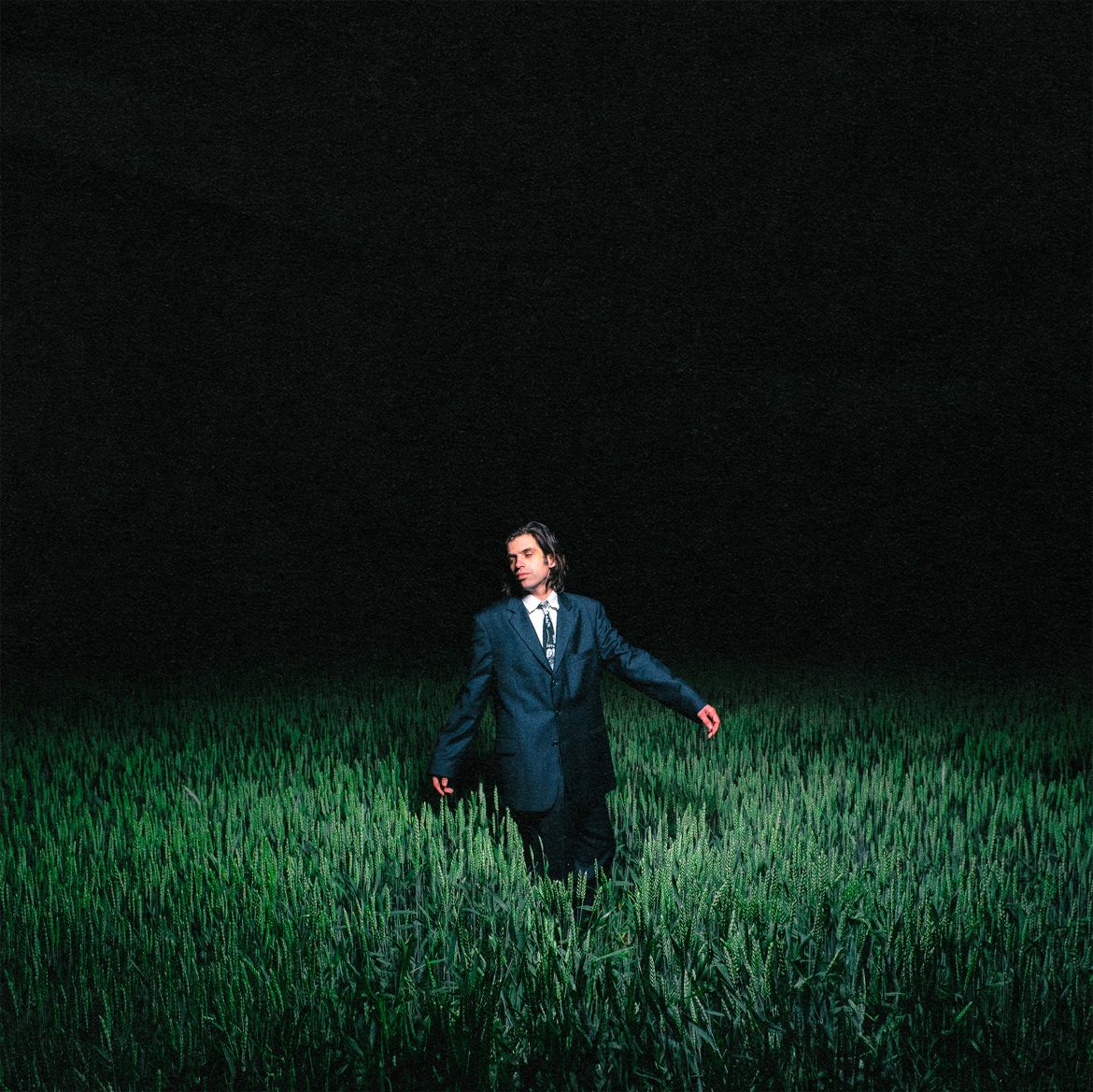
In the visual universe we developed with Jeff Essoki, who directed the Karma video, and Gabriel Odolczyk, the photographer who shot the cover and the images for the EP, we wanted to highlight themes of wandering, misfortune and a kind of search for oneself.

That’s why there’s this character in an oversized working-man suit suddenly standing in the middle of the sea in the Karma video, or dancing in fields. What is he doing there?

There’s a sense of escape — he doesn’t belong in this corporate world that doesn’t suit him. Karma brought him there, in the middle of nowhere, in the vastness of the water, which is also a place of dreams, of before birth.

For some people it might look like bad karma, but it can also be seen as liberation. It’s still better than being stuck in a fucking open space.

When listeners press play on KARMA, what kind of emotional journey do you hope they move through across the EP?

A kind of wandering, a daydream. Sometimes a bit melancholic but also sunny. I hope it inspires people.

Looking forward, do you see LAMOUR continuing to explore this blend of pop, rock and electronic influences, or are there new directions already starting to pull you somewhere unexpected?

Yes, I think that’s the core matrix of the project. But the next record will be the debut album and I’d like to make a rock album — well, the way a French person would make a rock album.

And often when I start moving in a certain direction, by the time I arrive somewhere it’s actually very far from what I originally announced.

INSTAGRAM


March 16, 2026 0 comments
0 FacebookTwitterPinterestEmail
Music InterviewsMusic News

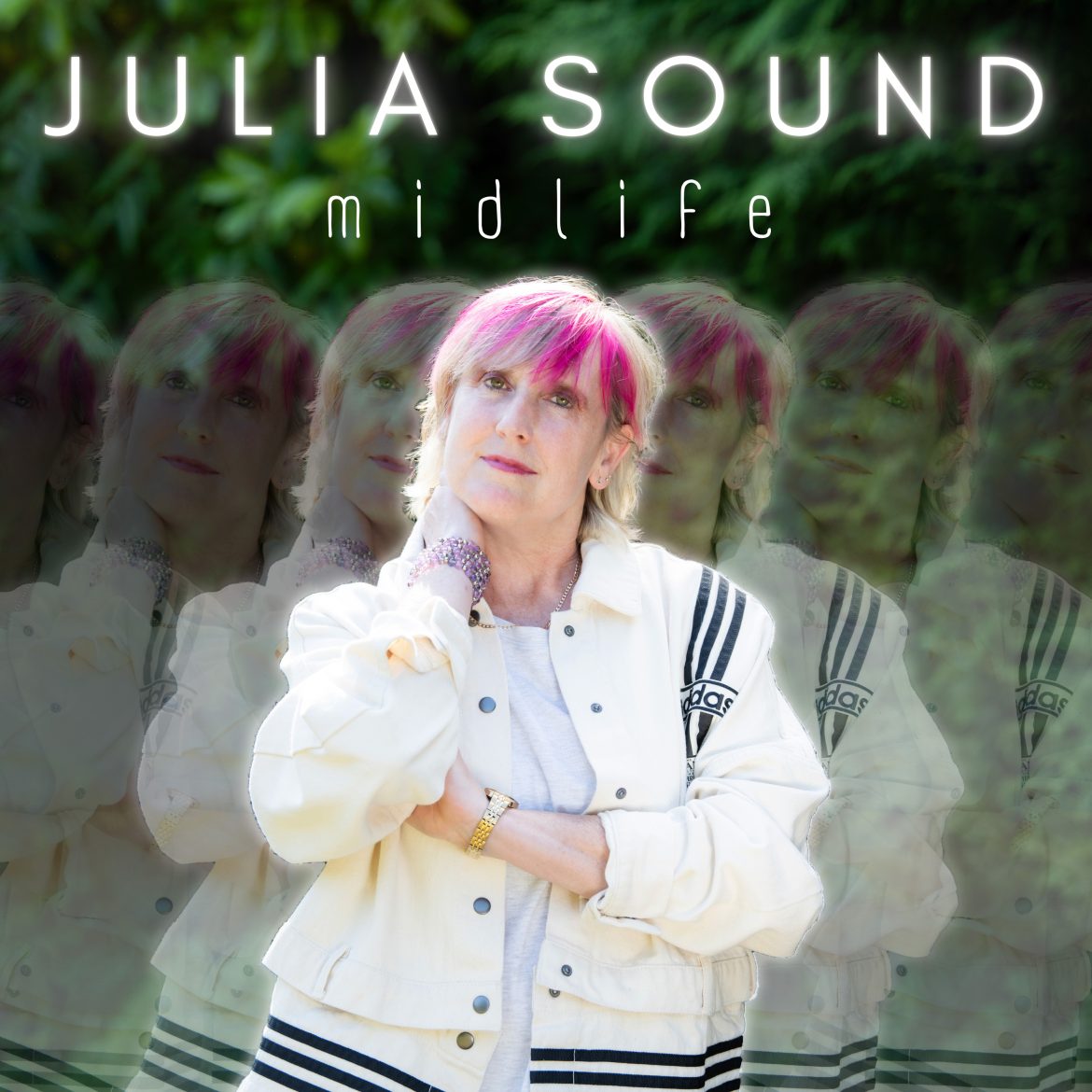
Interview: Julia Sound Explores Emotion, Politics and Hope on New Album midlife

by the partae March 16, 2026
written by the partae

How did the idea behind midlife first begin to take shape, and at what point did you realise it was becoming the centre of a full album rather than just another collection of songs?

I’d released an album of instrumentals in 2024 and wanted to follow up with another album featuring vocal collaborations, so I knew right away this was going to be a full album. I just didn’t know how many songs it would include or who I’d end up collaborating with.

You wear many hats as a composer, producer, mixer and sound designer. When you start building a Julia Sound track, which part of that creative identity usually leads the process?

At the start of the process, it’s the composer and writer hat that takes the lead — exploring sounds and ideas and being relaxed about the outcome. I try to enjoy the process and see where it leads.

The record moves between mellow synth textures and moments of sharper energy. How did you approach balancing those atmospheric elements with the more urgent tones across the album?

Pretty much everything on the three previous albums has been chill, mellow and mid-tempo. But after playing a few live shows and seeing how audiences reacted to the music — and how they started moving and dancing on some mid-tempo tracks — it made me want to gently ramp up some of that energy. That was particularly to build momentum for future live shows.

I think I struck a good balance. It’s all different variations on a theme of electronic music, which I’ve always loved. The end-of-the-night hands-in-the-air dance floor moment and the 4am ambient chill vibe are all part of the same thing in my mind.

Several collaborators appear on midlife, including Dolly De Guerre, Yo Megasonic, Keely Halward and Kinnie Starr. What made each of them the right voice for those particular tracks?

These are all trusted collaborators I’ve worked with before, and I know each of them has unique talents, voices and perspectives. As I’m building each track, I tend to let the music inform me about who might best match the mood I’m creating. Every time, what each of these vocalists brings fits seamlessly.

Songs like “One Love” and “Shelter” carry a nostalgic warmth, while others feel more confrontational. Did that contrast develop intentionally, or did it emerge naturally as the songs evolved?

We’re living in very strange times, so I think it emerged naturally, likely influenced by the daily twists and turns we’re all experiencing. We’re watching the AI broligarchy and some absolutely insane narcissistic, nihilistic administrations in the US, Russia and Israel wreak havoc on the world. So a bit of edge and confrontation is bubbling within everyone, and it’s not surprising that this is coming through in people’s art.

But I always carry a thread of hope as well. I strongly believe that good humans outweigh the bad ones, even if the bad ones are controlling the narrative right now. I want to highlight themes of peace, calm, comfort and hope. It’s important that we don’t lose hope.

You’ve spent years working across film, television and video games as well. Do those worlds influence the way you shape music, almost like building a soundtrack for a scene or story?

I don’t think so, at least not consciously. When I look at my work in game audio in particular, there are layers and layers of complexity involved in creating those experiences, which I love — collaboration between artists, programmers, designers and writers all working together to build immersive worlds and fun player experiences.

Composing music for interactive systems requires additional skills and approaches. Creating four-minute songs is almost an easy antithesis to balance the complexity of interactive audio.

There’s a thread of social awareness running through the album. Were there particular moments or experiences that pushed those themes to the surface while writing?

I’m a bit obsessed with the news, which is probably not the healthiest habit. But very few people create in a vacuum. Using music to express my dismay about the state of the world — or to express values like peace and hope — is a way I process the messy experience of being human in the 21st century.

In an industry that increasingly prioritises constant output and online presence, how do you protect the space needed to actually create meaningful work?

I’m lucky. I’ve been working in music and audio for three decades and have achieved a lot in that time, including the realisation that views, followers and those kinds of metrics are ultimately meaningless. Because of that, it’s quite easy for me to shut out the noise and the nonsense.

The process of creating is the most important thing for me. Of course I still put some effort into making sure someone hears the work, but there’s a certain liberation in not really caring about numbers, likes or views. I do feel a bit sorry for younger generations who have only known this strange, fake “content creator” driven version of the music industry. I can confidently say that music appreciation — and the industry itself — felt healthier through the 80s and 90s.

Looking back at your earlier releases, what do you feel has changed most about your approach to songwriting and production over time?

I don’t think anything has radically changed. Different plugins and synths can help carve out a particular sonic identity for each release. That said, I’m definitely considering the next Julia Sound release being 100 percent faster-tempo, EDM-inspired house music, which would mark quite a shift.

When someone listens to midlife from start to finish, what do you hope they take away from the experience once the final track fades out?

Overall I think the album has a balanced emotional arc. It opens and closes with a sense of calm and peace, encouraging the listener not to lose hope and reminding them that empathy still matters. The middle of the album ramps up, leaning into personal angst on “Finally I’m Free” and political frustration on “Fk Leaders Who Don’t Lead,” before settling back down again.

Humans are complex emotional beings, and a healthy dose of anger at the world is sometimes necessary — perhaps more now than at any other time I’ve lived through. But we also need to stay focused on the positive aspects of our species. That’s why the album closes with the song “Make Empathy Great Again.” “MEGA” is far better than that other acronym I won’t even name. In the end, love is still the answer.
boomsmackrecords.bandcamp.com
https://www.facebook.com/JuliaSoundMusic
https://www.instagram.com/juliasoundmusic/

March 16, 2026 0 comments
0 FacebookTwitterPinterestEmail
Music News

The Lemon Twigs (USA) announce new album Look For Your Mind! out May 8 via Captured Tracks / Civilians

by the partae March 16, 2026
written by the partae

The Lemon Twigs announce their new album, Look For Your Mind!, with a video for its lead single ‘I Just Can’t Get Over Losing You’. Underneath its poppy exterior, Look For Your Mind!, due May 8th on Captured Tracks / Civilians, contains an undercurrent of paranoia and suspicion. “I do think that now is a time of insanity,” admits Brian after pausing for thought. “You really have to hold onto your own mind if you don’t wanna lose it.”

New to this album is the inclusion of the live members Reza Matin (drums) and Danny Ayala (bass), as well as Eva Chambers of Tchotchke. With the D’Addario brothers, Brian and Michael, previously having handled everything in the studio themselves, this shows a newfound sense of freedom.

The ringing guitars of ‘I Just Can’t Over Losing You’ may create a familiarly pleasing mood, but when the bridge comes in at an unexpected time, the chorus is cut in half, and Brian and Eva’s harmonies build to its euphoric climax, the conventions for a pop song such as this are broken. The manner in which The Lemon Twigs surprise is a constant and testament to their vision and abilities. “Every time we try to write something that’s completely straightforward, we can’t help adding an element which comes out of left field. We always want to write a song we’ve never heard before,” chuckles Brian.


In 2023, The Lemon Twigs made their return to Australia for the first time in six years, including an appearance at Harvest Rock festival and a run of headline shows in Melbourne, Sydney, and Brisbane. While no new Australian shows have been announced at this stage, the band have just announced an extensive 2026 tour including the US, Canada, UK and Ireland. For full details and dates visit  www.thelemontwigs.com.

The Lemon Twigs’ two previous Captured Tracks albums, A Dream Is All We Know (2024) and Everything Harmony (2023), certainly indicated something of a ground zero in their then five album career. “It was the beginning of making records that we would listen to ourselves,” says Michael D’Addario, the younger Twig brother, now aged 26. By the time of A Dream Is All We Know and the future Michael classic ‘My Golden Years’, The Lemon Twigs’ new era had truly begun.

The Lemon Twigs sixth studio album is the logical next step, but it’s also much more. With the skills they’ve acquired over the last two records, their many outside productions, and time on the road, they’ve imparted a vital but disciplined spirit. At the LP’s core, as always with the Lemon Twigs, is great songwriting.

Look For Your Mind!

out May 8 via Captured Tracks / Civilians

Website | Bandcamp | Spotify | Apple Music | Youtube | Instagram | Tiktok | Facebook


March 16, 2026 0 comments
0 FacebookTwitterPinterestEmail
Music InterviewsMusic News

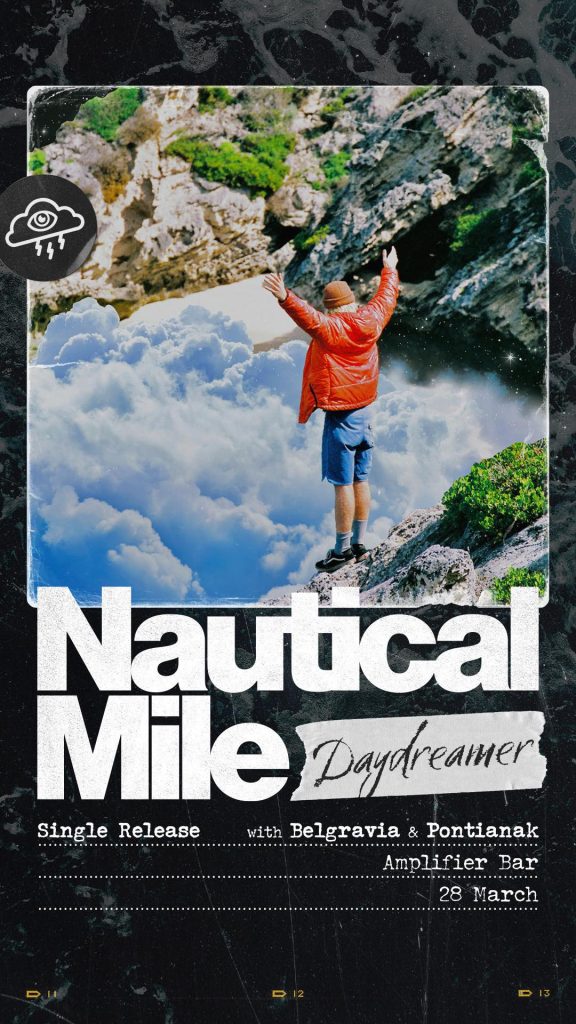
INTERVIEW: Nautical Mile Return With ‘Daydreamer’ After Four Years Away

by the partae March 16, 2026
written by the partae

Very delighted to have you guys featured on the site with this interview. Before we jump into it, would you be so kind as to introduce yourself and what you do in the band?

Thanks for having us. This is Caleb here — I’m on the drums in Nautical Mile.

Would you please provide a little context about the band — where you’re from, your origin story, etc.?

Nautical Mile surfaced in 2016, based in Perth, Western Australia. Our music might be described as an amalgamation of post-hardcore to pop punk, with heavier elements instrumentally and predominantly clean vocals up front. We’ve released various singles, including our debut album The Only Way Is Through in 2019, with several follow-up tracks since. Some memorable acts we’ve supported over the years include Hellions, Senses Fail, Trophy Eyes, Hawthorne Heights and Hands Like Houses. We’re finally back for another round after close to four years’ hiatus and excited to get back to business.

Who would you say are the primary influences that inform the sound of the band?

Across the board, bands including A Day To Remember, Bring Me The Horizon, Good Charlotte, Blink-182, Sum 41, Beartooth and The Story So Far would be a good start, along with several more. These are all bands we grew up listening to and they bring back a lot of memories from those times. Most of them are still active today, which is impressive.

What about yourself personally — one and the same, or are there some others that might be unique to you?

The bands listed resonate on my end as well. The only additions would be some of the big names on the drums like Luke Holland, Thomas Lang and Dan Searle, to name a few.

So you’re coming back from a hiatus with the new single “Daydreamer.” What can listeners who haven’t heard it yet expect? What themes does the track explore?

Daydreamer is a song that we had written right before we took our extended break. When we got back together and started jamming again in 2024, we felt it was the perfect track to bring us back. The song reflects on reminiscing about better days before the stresses and strains of adult life start to take over. During the time away we all had quite a lot happening in our lives, so returning to the band felt like recapturing the spirit of those happier times. There are a few quotes mentioned in the track that are non-fictional, but it’s probably best to leave it at that.

The track will make its live debut March 28th when you return to the stage for the first time in four years — what details can you provide about the show?

We’re definitely excited to be back after quite a few years away from it all. The show is happening March 28th at Amplifier Bar in Perth. Pontianak and Belgravia will be joining us for the night. It’s shaping up to be a pop-punk filled evening with a breakdown here and there to round things out. Tickets are available through Oztix and are on sale now, so if you’re in Perth, do yourself a favour and grab one.

What’s on the docket for the rest of the year?

We’ll be taking things one step at a time this year. Nothing is locked in yet, although we’re keeping the calendar open for the time being. We’ve spent quite a while writing new songs and revisiting older demos that didn’t make the cut previously. It wouldn’t be surprising if we end up back in the studio to record some of these.

This is a new chapter for the band, but looking back, what were the pre-hiatus highlights you remember fondly, and what made you want to return?

There’s a hefty catalogue of memories from the good old days. Some of the touring on the east coast up until COVID cut things short is definitely up there. This included sleeping in five-star hotels, which quickly turned into sleeping on the floors of friends’ apartments after we realised that’s not really how you tour and our finances paid the price. We also climbed Mt Kosciuszko on a day off between Melbourne and Sydney, got caught in a storm and returned covered in bruises from the amount of hail that came down. At the time it didn’t feel great, but looking back it’s actually pretty funny.

The best memories though would have to be playing to new faces every night while touring. That part never gets old. We met some amazing people along the way who we’re still friends with today, people we likely never would have crossed paths with otherwise.

Thanks so much for taking the time to answer my questions. Any last words for the reader?

Thanks again for having us on board. And if you’re in Perth, hopefully we’ll see you on March 28th at Amplifier.

TICKETS

March 16, 2026 0 comments
0 FacebookTwitterPinterestEmail
Music News

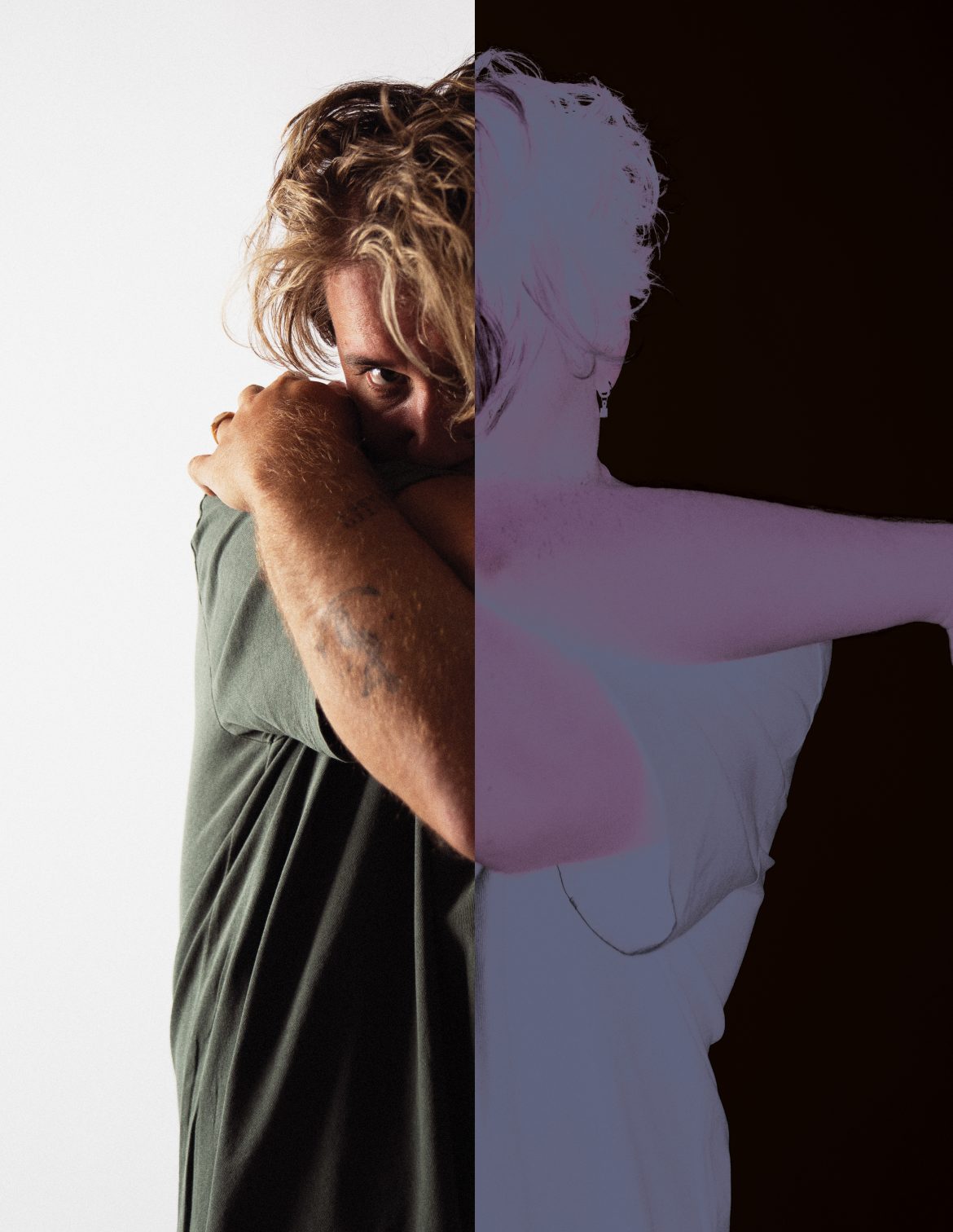
Clay Hazey Finds Hope in the Frost on ‘Tulips’

by the partae March 14, 2026
written by the partae

Blending tradition with a restless spirit of exploration, Clay Hazey is part of a new generation of artists reshaping the boundaries of country and western music. Rather than adhering strictly to genre conventions, Hazey draws selectively from the sounds that inspire him—classic twang, folk intimacy, and a touch of indie grit—then fills in the gaps with his own instincts. The result is a sound that feels both timeless and distinctly modern. With sharp, unvarnished songwriting, a raw and expressive voice, and melodies that linger long after the first listen, Hazey creates songs that act as a gateway into the wider world of twang. His music balances warmth and melancholy, humour and vulnerability, offering listeners something that feels instantly familiar while still carrying the thrill of discovery.

Hazey first introduced that aesthetic on his self-titled debut EP in 2024. Recorded by Nick Lanyon of Rapallo and mixed by Jonathan Anderson, known for his work with Andy Shauf and Ocie Elliott, the EP marked the arrival of a songwriter with both a strong point of view and a knack for memorable hooks. The release quickly found its audience: songs from the project earned spins on CBC Radio 1 and charted on college radio stations in Burnaby and Toronto. The standout single “Past Two,” featuring Sierra Lundy of Ocie Elliott, proved especially resonant, spending more than six months in rotation on SiriusXM’s NorthAmericana channel. The EP not only showcased Hazey’s ability to craft thoughtful, melodic songs but also hinted at the depth and emotional nuance that would continue to define his work.

That same year, Hazey brought his music from the studio to the stage, building a reputation as a compelling live performer. He appeared at festivals including NXNE and Festival sur le Canal, earning new fans with intimate performances that highlighted the emotional pull of his songwriting. Industry tastemakers also took notice: he was named a showcase finalist for the renowned Mariposa Folk Festival and received recognition from Exclaim as one of their “Emerging Artists You Need to See.” By the time autumn arrived, Hazey was ready to take his music on the road. His November Daylight Savings Tour with Jade Hilton and School House proved to be a breakout moment, selling out venues in Toronto, Kingston, Montreal, and Ottawa. Night after night, the shows confirmed what listeners had already begun to suspect—that Hazey’s songs connect just as powerfully in a crowded room as they do through a pair of headphones.

Now, with a follow-up EP scheduled for release in spring 2026, Hazey continues to deepen and expand his alt-country palette. The new material reflects a wide spectrum of influences, from the weathered storytelling of Tom Waits’ Mule Variations to the hushed intimacy of Adrianne Lenker’s Songs and the pastoral honesty of Gillian Welch’s Soul Journey. Drawing from these touchstones without ever sounding derivative, Hazey leans further into the emotional and sonic textures that have become central to his work. The forthcoming EP is also his most personal release yet, weaving together dark humour with reflections on addiction, self-acceptance, and the complicated emotional terrain of modern relationships. It is music that acknowledges life’s rough edges without losing sight of the tenderness that exists within them.

One of the clearest expressions of that balance arrives in the song “Tulips.” Hazey wrote the track during a bitter January cold snap while working in a shared studio space in Montreal’s Village neighbourhood. The setting was far from romantic: the building sat above what he jokingly describes as “a skunk’s den,” and the only source of heat was a small gas stove that barely kept the chill at bay. Yet the strange isolation of the space—and the long, grey stretch of winter outside—became an unlikely catalyst for creativity. “The environment inspired the song as much as anything,” Hazey recalls. Surrounded by the stillness of the season and sensing that many people around him were carrying the same quiet heaviness, he set out to write something that captured that emotional atmosphere.

The result is a song he describes as “a love song for when it feels like the end of the road.” Rather than celebrating romance in its bright early stages, “Tulips” focuses on the quieter moments of endurance—two partners simply trying to stay warm together when that is all they have the strength to do. Like the flower that gives the song its title, the track suggests that resilience often begins in small, almost imperceptible ways. Tulips are among the first blooms to break through the frozen ground after winter, a subtle but powerful signal that the seasons are shifting again. In the same spirit, Hazey’s song carries a gentle sense of hope beneath its reflective tone, reminding listeners that even when warmth feels distant, renewal is already beginning to take root.
INSTAGRAM

March 14, 2026 0 comments
0 FacebookTwitterPinterestEmail
Music InterviewsMusic News

Interview: Crooked Colours on the Story Behind ‘Pink Limo’

by the partae March 12, 2026
written by the partae

What was the moment where “Pink Limo” really clicked for you? Was it something that happened quickly in the studio or one of those ideas that slowly came together over time?

This one happened very quickly. I was in the studio for a writing session with producer Xavier Dunn in Sydney and he had this vocal chant idea that we started working on late in the afternoon at the end of the session. I had maybe 45 minutes left in me before I had to leave, so we just started throwing ideas together. I did a rough pass of the vocal which was mainly gibberish, but it was enough for the demo and the “Pink Limo” line was in there. When I got back to Fremantle I spent a day in the studio just fleshing out the lyrics and that was it. Sometimes they take years, other times it’s an afternoon in the studio with a buddy.

You’ve described the track as capturing that late-night feeling where everything feels a little surreal and romantic. Was there a real memory or experience that pushed you in that direction?

I actually had a lot of Las Vegas imagery in my head at the time. I think it was maybe from watching Fear and Loathing not that long before the session. It just kind of drove this carefree, romantic idea of debauchery and excess.

There’s something really hypnotic about the groove in this one. When you were building the track, what elements did you focus on first to create that atmosphere?

Like I mentioned earlier, Xavier had the vocal chant idea which I loved. It’s the main “nah nah nah” line in the chorus. That pretty much set the tone for the aesthetics moving forward. It was initially quite electronic, but we just started swapping in organic elements and instrumentation as we went along, which just felt better.

Crooked Colours has been evolving for more than a decade now. When you look back at the early releases compared to where you are creatively today, what feels most different?

I think sonically it’s more deliberate, more focused. I used to very much just throw sh*t against the wall to see what stuck, which was mainly due to a lack of experience. I think I’m getting better at executing ideas I have in my head, or at least I hope I do. I’m also much more open to collaborating and co-writing nowadays, which teaches you a lot and helps you refine things a lot faster.

Your music often sits in that space between uplifting festival energy and something more emotional or reflective. Is that balance something you aim for, or does it just happen naturally when you’re writing?

My vocal register is very limited so I’ve always felt much more comfortable writing emotive, croony type vocals. That lends itself very well to writing down-tempo reflective tracks, so one of my biggest challenges is making that work for uptempo production. I think that challenge creates a cool crossroads that can lead to some creative places.

Playing festivals like Laneway, Splendour in the Grass, Beyond the Valley and even stages like Red Rocks must give you a sense of what connects with a crowd. Do those live moments ever influence the way you approach new songs?

Oh absolutely. Experiencing those moments that really connect at big shows is like a drug. I definitely try to chase more of it.

There’s a recognisable Crooked Colours sound, but every release seems to explore new territory. How do you keep things fresh while still staying true to that identity?

Keeping things fresh is the main challenge. The identity thing kind of takes care of itself. I think there are some elements that never change — the sound of my voice, the way I play certain instruments. So when I try and do something new or unique, that flavour is still going to be there, like a fingerprint you can’t change.

Working with artists across different styles — from Don Toliver to Ladyhawke — must shift the creative dynamic quite a bit. What do collaborations tend to bring out in your process?

Collaboration, in my opinion, is one of the best things you can do as an artist. It’s the quickest way to highlight your limitations while at the same time teaching you so much faster than you can learn by yourself. Process and speed are key aspects. Most of the time you’ll only get a few hours in a room with someone, so knowing how to get the most out of the session is important. Being prepared and having a clean workflow is paramount.

With more than half a billion streams across the catalogue now, does success change how you approach releasing music, or do you still treat every new track like a fresh start?

Every release is still the same for me, like it was at the start. I’m still nervous to see the reception, still trying to do everything we can to give it its best start. I don’t think that’ll ever change for me.

Looking ahead, does “Pink Limo” give us a glimpse of a bigger sonic direction for Crooked Colours, or is it more of a standalone moment capturing where you are right now?

It’s definitely in the flavour of some more stuff coming later in the year, but there is so much new music I’m sitting on that is all over the spectrum. It’ll be a journey. I’m hoping it’s a good one.

BUY/STREAM: CROOKED COLOURS – PINK LIMO

Stay connected with Crooked Colours:

INSTAGRAM | TIKTOK | YOUTUBE | SOUNDCLOUD | FACEBOOK

March 12, 2026 0 comments
0 FacebookTwitterPinterestEmail
Music News

Midnight Pool Party Share New Single ‘NOTICE ME’

by the partae March 12, 2026
written by the partae

Australian disco/dance duo Midnight Pool Party return with their latest single ‘NOTICE ME’, a sleek and emotionally charged release that blends their signature feel-good grooves with a more bittersweet edge.

Written toward the end of last year just before the pair stepped away for a short Christmas break, the track came together naturally once the central hook and theme fell into place. After returning to the studio, the duo spent time refining the lyrics to better capture the emotional tension at the heart of the song.

“After the break, we spent a lot of time talking about the lyrics and finding the right words to capture the emotions of the journey you go through in a certain situation,” the band explain.

At its core, ‘NOTICE ME’ explores a feeling that will be familiar to many — wanting to be seen by someone who simply doesn’t feel the same way.

“Love is universal, but so is the experience of not being noticed, and hiding how deeply it affects you,” they add.

The track reflects the internal push and pull that comes with protecting yourself emotionally, pretending everything is fine while quietly dealing with the thoughts and doubts beneath the surface. Wrapped in shimmering production and dancefloor-ready rhythms, the song balances vulnerability with Midnight Pool Party’s unmistakable groove-driven sound.

‘NOTICE ME’ is out everywhere now.

Stream:
https://bfan.link/notice-me

Socials:
https://linktr.ee/MPP_PoolBoys

Credits
Co-written by Darren Morilla & Oliver Dela Cruz
Produced by Midnight Pool Party
Mastered by Jack Prest
Artwork, photos & visuals by Morilla Media

March 12, 2026 0 comments
0 FacebookTwitterPinterestEmail
Music News

Julia Sound Embraces Reinvention on New Album ‘Midlife’

by the partae March 12, 2026
written by the partae

One of Canada’s most distinctive artistic voices, Julia Sound, has released her new album midlife, out March 6 via Boomsmack Records.

A composer, songwriter, mixer, sound designer, and producer, Julia Sound (aka Lin Gardiner) has built a decorated career in the music industry spanning years and continents.

midlife showcases Julia Sound’s signature sonic palette: mellow synth pads, chilled beats, touches of atmospheric sound design, and flowing arpeggiators that create rich and evocative moods. Lyrically and emotionally, the record moves between introspection and frustration at the current state of the world. A quiet but persistent yearning runs through the album — a desire for people to become more aware of the collective direction we are heading, like a train speeding toward a cliff.

Compared with previous releases, midlife subtly increases the tempo and energy. Lead tracks ‘One Love’ featuring Dolly De Guerre and Yo Megasonic, and ‘Shelter’ featuring Keely Halward tap into nostalgic tones and memorable choruses. ‘Finally I’m Free’ featuring Dolly De Guerre reveals a sharper edge, driven by cutting guitar work from multi-talented session musician Cat Hiltz.

Other highlights include ‘i’m feeling so’, a beautifully textured trip-hop track where rapper Yo Megasonic explores a wider vocal range, and ‘Cars Crush’ featuring Kinnie Starr, which leans into laid-back, hazy stoner-groove territory.

Beyond her work as Julia Sound, Gardiner has also made a strong impact in the video game, film, and television industries, consistently demonstrating a rare ability to shape sound worlds and inspire collaboration.

In an industry increasingly dominated by AI tools, algorithm-driven trends, and an obsession with perpetual youth, Julia Sound’s midlife stands as a reminder of something simple but powerful: once an artist, always an artist. No matter the age, no matter how crowded the creative space becomes, genuine artists will keep creating — through midlife and beyond.

LISTEN

boomsmackrecords.bandcamp.com
https://www.facebook.com/JuliaSoundMusic
https://www.instagram.com/juliasoundmusic/
March 12, 2026 0 comments
0 FacebookTwitterPinterestEmail
Festival NewsMusic News

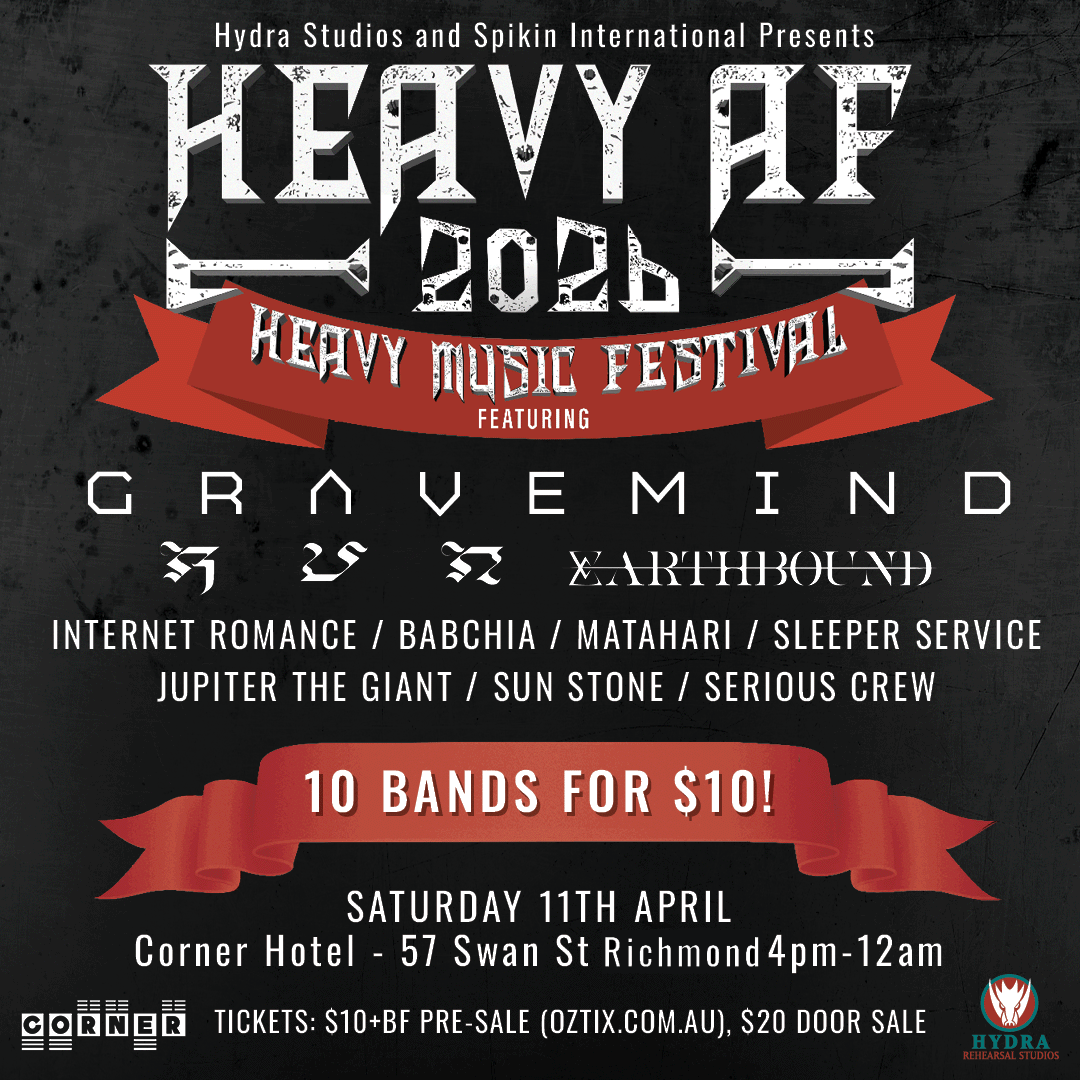
Heavy AF 2026 – Heavy Music Festival Corner Hotel, 57 Swan St. Richmond VIC Saturday April 11th

by the partae March 10, 2026
written by the partae

‘HEAVY AF – Heavy Music Festival’ brings together some of the heavy-hitters in metal, metalcore, progressive rock and heavy rock. Leading the charge is festival headliner, Gravemind, who are known for blending brutal riffs with melodic and atmospheric elements. RUN play ‘blackened post-metalcore’ and are the main support at ‘Heavy AF’. Second main support is Earthbound who ‘blend the intensity of modern metalcore with the storytelling of video games’

Other heavy sets will come courtesy of: Internet Romance, Babchia, Matahari, Sleeper Service, Jupiter The Giant, Sun Stone, and Serious Crew

Hydra Studios has presented this festival before in 2018 and 2019 (both of which sold out) and was going to continue staging it each year until the disruptions of 2020 got in the way. This show, at the famous Corner Hotel, marks the return of the festival and it is hoped that it’ll become an annual event.

The 2018 and 2019 versions were great days (4pm-midnight) that saw cross-pollination of punters and genres; moshpits for progressive rock, head-banging to heavy rock etc.

The first 50 punters to arrive at the start of the festival (doors 3.30pm, first band at 4pm) will have the chance to grab one of 50, $10 drink cards

You get ten bands for $10 and a day filled with a huge variety of heavy musical styles played by some of Melbourne’s best established and emerging bands.

Heavy AF 2026 – Heavy Music Festival

Corner Hotel,

57 Swan St. Richmond VIC

Saturday April 11th

Doors 3.30pm

Show 4pm-midnight

$10+bf pre-sale

$20 door sale

18yrs+

Tickets: https://tickets.cornerhotel.com/outlet/event/5331e481-881a-41b9-ac12-93ab2acdba40

March 10, 2026 0 comments
0 FacebookTwitterPinterestEmail
Festival NewsMusic News

Black Coffee Announces Open-Air Show at Roman Amphitheatre In Croatia

by the partae March 10, 2026
written by the partae

Globally renowned Afro house pioneer Black Coffee is set to perform inside one of the world’s best-preserved Roman amphitheatres this summer when he headlines the first BSH Amphitheatre Pula edition which will take place at the Pula Arena in Croatia on 31st July 2026, with more names to follow.

Located on the Adriatic coast, the Pula Arena is widely regarded as one of Europe’s most striking historic landmarks. Originally constructed during the Roman Empire, the stone amphitheatre has hosted centuries of cultural gatherings and this event marks a rare convergence of contemporary electronic music with ancient heritage. Presented by event powerhouses BSH as part of the Adria Summer Festival, this show will transform the ancient, 2,000-year-old architectural monument and one of the most intact Roman amphitheatres still standing into an epic setting.

Black Coffee is one of electronic music’s most influential figures. The Grammy Award-winning artist is celebrated for blending Afro-house, deep house and soulful electronic sounds in both his sets and productions, and has been hypnotising crowds at major festivals and iconic venues worldwide for more than a decade.

The show follows BSH’s sold-out 2025 hosting of Black Coffee at Cave Romane, where the South African artist delivered one of the standout electronic performances of the summer. For 2026, the concept grows significantly by moving to the larger Arena for what is their most ambitious production to date.

Known for selecting visually and culturally significant locations, BSH has built an international reputation for staging electronic music events that go beyond the traditional club format, combining destination travel, historic settings and high-end production.
TICKETS / INSTAGRAM
March 10, 2026 0 comments
0 FacebookTwitterPinterestEmail
Music InterviewsMusic News

Interview: Strange Fruit – Rebuilding the Signal After a Decade in the Shadows

by the partae March 10, 2026
written by the partae

How did the long period away from releasing music reshape the way you think about Strange Fruit as a band, both creatively and personally?

Baldi: Throughout our hiatus, it’s not like we stopped making music. Irza and I kept writing songs and exploring sounds we wanted to shape into the Strange Fruit identity. The process took a long time because we each had our own things going on, but that didn’t mean the music ever stopped.

For me personally, the hiatus turned into a kind of spiritual journey back to the band. Getting to where we are now required a long process. We’ve always wanted to give the best quality from Strange Fruit, and we truly believe quality takes time. It took us a while because we weren’t fully confident in the material until it was completely finished.

Over those 10 years, we actually drafted two albums. The challenge was that we were never fully satisfied, so we kept rerecording and refining. Eventually, that process led us to the material for the Drips EP, and to discovering our new sonic identity. We finally found the sound that truly feels like us as a band.

Irza: Took a bit to find space for everything — digital pulses, analogue bits, and that grey area in between. Didn’t quite line up at first.

We let it all collapse into itself: Moog Grandmother and Erica Synth’s Delay & LXR, cold TR8’, scattered CR-78, and 808 percussion, drifting guitars hanging in the dark.

Mad thing is, sometimes you land on a sound that’s proper on tune’s there, then next go it’s gone. Can’t get it back the same.

But it all comes together into something hypnotic, strange, and oddly “santai”.

A lot happened during the hiatus. We needed to step back, breathe for a moment, and return to the same room, just to see what was still there.

John: But it’s not only about music and sounds, I think this process has given us an opportunity to be more solid in our friendship and collaboration.

When you look back at your earlier shoegaze-driven work, what felt limiting about that version of the band, and what finally unlocked the shift toward this more electronic, rhythmic sound?

Baldi: Wherever Irza and I go, or whatever music we’re listening to, it somehow always leads us back to shoegaze. That will probably always be our main reference point. If it ever felt limiting, it wasn’t really the genre itself—it was more about us feeling bored or stuck with our songwriting.

Before Drips, when we were recording the two albums I mentioned earlier, everything was built around the guitar. The guitar was the foundation of our sound. But over time it started to feel a bit stagnant, like we weren’t really growing or exploring new sounds.

During our hiatus, I was working at a record store around 2015. I met a lot of people there and got exposed to more electronic music. I started listening to it more seriously, and it really opened up my perspective. That’s when I began thinking that Strange Fruit could grow further if we started adding electronic elements. Those sounds brought a different kind of richness and depth that we couldn’t get from guitar alone. I felt that if we kept relying on guitar as the main base for writing, we might not develop much further.

Bands like Broadcast, Kraftwerk, Silver Apples, Stereolab, CAN, Primal Scream, and LCD Soundsystem were big inspirations for us. Watching them perform surrounded by synthesizers—and hearing how huge and powerful the sound could be—made us want to try something similar with Strange Fruit. Since then, we’ve been exploring, collecting synths, and experimenting with drum machines.

Irza: Honestly, I don’t think we’re quite there yet. Maybe we’ve found the key, but the door’s still locked. Might open up with the next batch of tracks for the LP — or maybe through something a bit more spontaneous, like a split EP with artists from different corners of the world.

For me it’s always been about connecting through music. That’s the real thing, innit. That’s partly how “Iridescent” ended up leaning into the Madchester sound.

But I’ve chucked in a bit of Mort Garson’s cosmic Moog energy, a bit of Neu!’s motorik pulse sometimes. Still, none of it would’ve come together without Baldi, Nabil, John, and Dino. That’s the real key, to be honest. Haha.

Sometimes I wonder if there’s a ceiling to this whole electronic thing in the future. Might just end up nicking a proper high-end futuristic AI limiter software and call it a day. So where’s the line, then? Part of the game, I suppose.

John: Electronic tones and rhythm have limitless sounds, so when we shift towards electronic based music we found our new identity but still preserving our guitar driven past with a new nuance.

“Iridescent” has been described as spiritual and healing — was that feeling something you consciously set out to capture, or did it reveal itself as the track came together?

Baldi: It all happened pretty naturally. Irza first drafted the song back in 2020. We tried to finish it soon after, but we got stuck and eventually left it unfinished. That’s kind of been one of this band’s weaknesses—when we hit a wall with a song, we tend to move on instead of pushing through and finishing it.

Eventually, we decided to record it with our producer, Bernardus Fritz. Fun fact: we had actually recorded demos for a completely different album with him—eight songs in total. The demos were done, and we only needed to finish them in the studio. But in the middle of that process, we started doubting the material again and lost confidence in those eight songs.

So I went back and opened our old drafts, including Iridescent. I listened to everything again, re-curated the songs, and picked the ones that felt worth developing further. In 2024, we began working on what would eventually become the material for our Drips EP. As we continued, we slowly regained confidence in our sound. What we had been imagining for years finally started to take shape.

For Iridescent, we finished the music first and wrote the lyrics afterward. Once the music was done, the phrase that came to mind was “radiant colours.” To me, the song feels spiritual and healing, because the lyrics reflect what we’ve gone through as a band over the past ten years. In a way, telling that story feels healing.

Irza: It was during Covid, so everything was locked down and I ended up spending most of the time stuck in the studio. No festivals, no raves, no cinema — nothing really moving. It felt a bit numb.

But in a strange way we were lucky. We still had our little virtual world, and out of that a different kind of creativity started to appear. I needed some sort of refreshment, so “Iridescent” came out of that odd moment. I’d never really worked like that before — it’s usually an in-the-room process — but somehow the music still found its way.

It was written in a bit of a depressive haze, but with small bits of hope stitched into it. Almost like moving through a modern kind of plague-era mood — dark, uncertain, but still pushing forward.

A lot of Drips EP feels built around movement and repetition rather than traditional song structures. What draws you to that hypnotic approach right now?

Baldi: Consciously or not, it may stem from the fact that I’m also a DJ—someone who spends a lot of time listening to quite repetitive dance music. I’ve been particularly inspired by Andrew Weatherall, especially his slower-tempo sets. For me, repetition carries a strong hypnotic quality. When an arrangement is crafted carefully, repetition doesn’t have to feel monotonous; it can become immersive and powerful.

That said, this album wasn’t intentionally conceptualised around repetition. It’s simply a reflection of the way I naturally write, which may be influenced by the amount of dance music I listen to. I don’t see repetition as a limitation in songwriting; when used thoughtfully, it can be incredibly engaging. Every piece of music has its own character, and as long as it’s shaped with care, repetition can create a hypnotic effect—something I feel very comfortable embracing.

Irza: The first time I heard Kraftwerk’s “Autobahn”, something just locked in — that steady 4/4 pulse, the endless motorik motion. A rhythm that doesn’t really go anywhere, it just keeps moving forward. I’ve always had a soft spot for that sort of mechanical repetition.

I live a bit outside the centre, so driving becomes part of the routine. After a while I started thinking about writing something specifically for that space — the road, the hum of the engine, that constant forward momentum. That’s where “Pouvoir Moteur” came from. It roughly translates to “motor power”, or the idea of a motorik engine quietly starting up.

The track is really about movement — how an engine ignites, gathers rhythm, and settles into its own pulse. That moment when the machine stops being just a machine and starts feeling almost alive.

Whether the engine actually wakes up… we’ll see. Maybe it’s already buried somewhere in someone’s files. Or maybe that’s just me nonsense.

John: It’s not a coincidence at all. Baldi and Irza, the main composers, came from an electronic music scene. Both of them are DJ’ing and also producing modular tracks, and these types of music are usually based on loops and repetition, escalating through different variations of fills and movements through the notes and grooves. That’s why our music sounds repetitive.

How did living in Jakarta shape the sonic world of Drips — do you feel this EP reflects a more urban, contemporary version of the city than your earlier releases?

Baldi: This EP may not directly reflect what it feels like to live in Jakarta. However, consciously or not, the fact that we live here—a city that is loud, chaotic, and densely crowded—likely seeps into Strange Fruit’s sound. You can sense it in the layers, in the noise, and in the way the band’s textures come together. At the same time, there is a certain irony within the music and the lyrics.

Many of Strange Fruit’s songs sound melodically “sweet,” with arrangements that don’t immediately suggest tension or anxiety. Yet if you listen closely to the lyrics, much of them revolve around feelings of restlessness and unease. That contrast probably reflects the environment around us in Jakarta—the relentless traffic, the fast pace of the city, and the broader political climate.

So even if it wasn’t a deliberate intention, the city inevitably influences this release. Jakarta can be a harsh place to live, and that reality naturally finds its way into the music.

Irza: It’s a bit of a reflection of a huge metropolis — massive population, plenty of chaos, and, well, corruption woven into it. But at the same time the music scene in Jakarta has been growing incredibly fast, and in a really exciting way.

There’s so much energy coming out of the city right now — new bands, new sounds, people constantly experimenting. It’s honestly one of the most vibrant scenes around.

A couple of great Jakarta bands even played our showcase recently — Crayola Eyes and Negative Lovers — both well worth checking out.

What’s even more exciting is what’s happening outside the city. Across the islands of Nusantara there’s a massive underground movement bubbling away — bands, collectives, small gigs popping up everywhere. It’s been brilliant to watch it grow.

So we figured it was time to step things up a bit. Try writing tracks we’d never really attempted before.

John: Yes it does, because people (mostly that are close to me) are listening to various kinds of music here, and it shapes how we made the music. The electronic elements that we use do reflect on how the city flows.

Each of the remixers brings a very distinct energy. What were you hoping Sean Johnston, Tom Furse, and Jonathan Kusuma would uncover or transform in your original tracks?

Baldi: It goes without saying that I’m a fan of each of the artists who contributed remixes. I’ve been listening to their original work for quite some time, so when we reached out and agreed to collaborate on these remixes, I felt there was really nothing to lose. I was confident the results would exceed my expectations and certainly wouldn’t disappoint.

To be honest, I didn’t approach the process with very specific expectations. I simply trusted that they would do a great job.

What made the experience even more rewarding was that, when we first approached them, they genuinely connected with our material. Knowing that they already appreciated the original tracks gave me confidence that whatever they created would be thoughtful and compelling.

Irza: I’ve been listening to The Horrors since their first record. I saw them at Laneway Festival in Singapore, and when they played “Sea Within a Sea”, hearing Tom Furse’s arpeggiator live was unforgettable — easily one of the best synth arps around.

So having Tom add his touch to “Monopolar”, weaving those sequences with a bit of breakbeat energy and those low-ends, it feels great, “Feels like you in my machine..” just like Baldi said, lol. Anyway, it’s been a real honour.

Those two Hardway Bros remixes felt like the perfect way to close the whole thing — playing with an SLA console must be amazing, with a completely different take on the 303s and drum machines.

John: We would like to see how the music unfolds through their perspective and we do hope that it could bring more colours from how our music sounds.

Jonathan Kusuma’s Hypnodubmix strips “Iridescent” down to something slower and heavier. How did it feel hearing your own song reinterpreted in such a minimal, almost meditative way?

Baldi: When he first sent over the remix, I listened to it and we ended up having a pretty long phone call afterward. I really liked what he did with it. I even told him, “Jon, I love this remix—I’ve never heard your drums sound like this before.” The first thing that stood out to me was how raw the drums felt. His version is called the Hypnodubmix, and to me it really feels meditative, like his own interpretation of that headspace.

What’s interesting is that, compared to the other two remixes, this one is actually the most danceable and groovy, while the others are slower and sit at a lower tempo. At one point he asked me what the song was really about, and I told him it deals with a kind of anxiety we both feel, especially about the current state of the world. Once we talked about that, everything made even more sense—his sound and the meaning behind the song really lined up, and you can hear that same sense of anxiousness in the remix.

Irza: Jonathan Kusuma’s version is another favourite of mine — he turns everything into something hypnotic. The way he processes each element, pushing the tempo and chopping Baldi’s vocals into a single piece, is brilliant. Massive respect to him.

After stepping away for so long, was there any pressure to “come back strong,” or did you give yourselves permission to simply follow instinct?

Irza: It’s not a comeback. It’s an arrival. Where it goes next depends on the departure — we’ll find our way soon enough.

John: Of course there are doubts and insecurity when we start to write again after stepping away for so long. Even the process of recording that we took is long enough to create doubt, but this doubt and insecurity does sharpen how we sound and how we elaborate.

Looking ahead to the mini-album planned for 2026, do you see Drips EP as a bridge from your past, or the foundation of something entirely new?

Baldi: We’re definitely building something new sonically—something that feels more forward-looking. For the foreseeable future, we’ll be focused on writing and continuing to develop this direction. We’re already working on another album planned for 2027, so Drips really serves as a bridge into the new sound of Strange Fruit and the material we’re creating now. In that sense, it’s less about looking back and more about moving forward.

Irza: I already wrote some demos. We’ll see what happens next.

John: The emotion and attitude is still the same, but how the repertoire sounds is far sharper now and very different from what we made in the past, so I personally think that our new music is a foundation of something entirely new.

INSTAGRAM

March 10, 2026 0 comments
0 FacebookTwitterPinterestEmail
Newer Posts
Older Posts

Recent Posts

  • Arky Waters Turns Up the Heat with New Single ‘Molly’
  • Interview: Will Sparks on Classics, Crowds and the Next Chapter
  • GUTTERMOUTH Farwell Australian Tour
  • Sophia Bouvier Introduces a Striking Debut with “Poison Apple”
  • ANNA JEAVONS COUNTS DOWN TO THE RELEASE OF ANOMIE WITH EMOTIVE SINGLE ‘SMART CASUAL’

Recent Comments

  • Shannon Austbo on RUNYAMOUTH hits the scene with explosive debut single HEAD ON A STICK
  • Anna on Interview: LUX – ‘Mirage’ A Dreamy Exploration of Love’s Illusions and Realities
  • Claire P on Interview: LUX – ‘Mirage’ A Dreamy Exploration of Love’s Illusions and Realities
  • Joe Travers on Trevor Kidd Teams Up with INXS and The Tea Party Legends for Explosive New Track “Sunshine”
  • Will s on Exploring Ego: Inside Pallas Haze’s Groovy Musical Odyssey Interview

Archives

  • April 2026
  • March 2026
  • February 2026
  • January 2026
  • December 2025
  • November 2025
  • October 2025
  • September 2025
  • August 2025
  • July 2025
  • June 2025
  • May 2025
  • April 2025
  • March 2025
  • February 2025
  • January 2025
  • December 2024
  • November 2024
  • October 2024
  • September 2024
  • August 2024
  • July 2024
  • June 2024
  • May 2024
  • April 2024
  • March 2024
  • February 2024
  • January 2024
  • December 2023
  • November 2023
  • October 2023
  • September 2023
  • August 2023
  • July 2023
  • June 2023
  • May 2023
  • December 2022
  • November 2022
  • October 2022
  • September 2022
  • August 2022
  • July 2022
  • June 2022
  • May 2022
  • April 2022
  • March 2022
  • February 2022
  • January 2022
  • September 2021
  • August 2021
  • July 2021
  • June 2021
  • May 2021
  • April 2021
  • March 2021
  • February 2021
  • January 2021
  • December 2020
  • November 2020
  • October 2020
  • September 2020
  • August 2020
  • July 2020
  • June 2020
  • May 2020
  • April 2020
  • March 2020
  • February 2020
  • January 2020
  • December 2018
  • April 2018
  • February 2018

Categories

  • Eats & Drinks
  • Fashion & Culture
  • Festival News
  • Music Interviews
  • Music News
  • Others

Meta

  • Log in
  • Entries feed
  • Comments feed
  • WordPress.org

MyListing is the most advanced directory theme made for WordPress. MyListing 2.0 improves and refines all aspects of the theme


  • Upload Event
  • Upload Listing
  • More Pages
  • [27-icon icon=”icon-box-2″] More
  • Categories
  • More Categories
  • More Categories #2
  • Locations
  • More Locations
  • Place
  • Event
  • Jobs
  • Real Estate
  • Cars
  • Create your own!
  • More demos
  • Facebook
  • Instagram

The Partae © 2025


Back To Top
  • Music
    • News
    • Interviews
    • Festivals & Events
  • Fashion / Culture
  • Stay & Play
  • About Us
  • Contact Us / Advertise
  • Submit Event