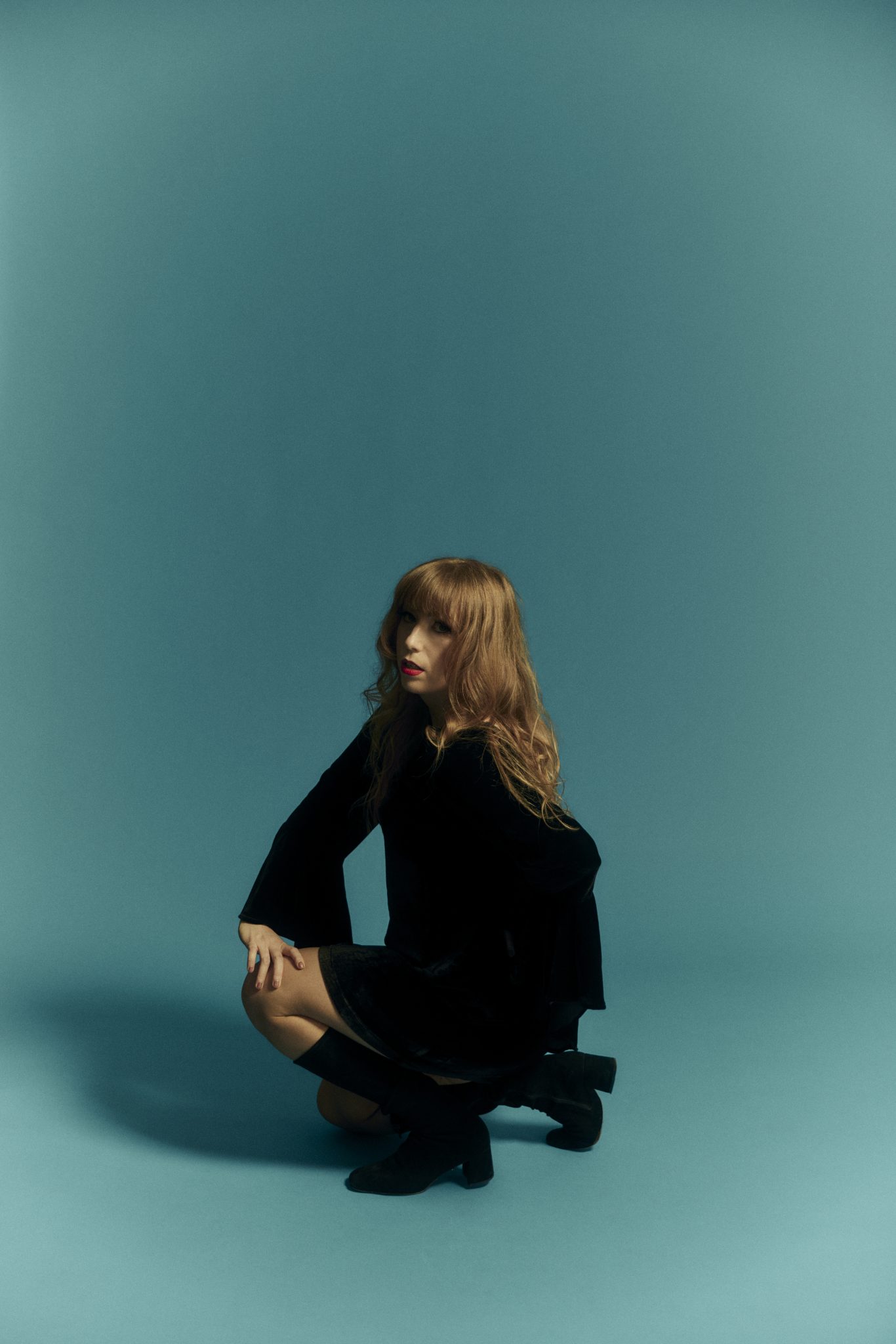
‘Bad Ideas’ feels like both a confession and a liberation. What was the emotional spark that first led you to write it?
I suppose the emotional spark was a lyrical idea I had for the second verse, which was “it’s not my first rodeo, but I’ve got nothing to show for my broken heart”. The meaning behind that lyric is I get a little frustrated because after 20 years of doing this I am always referred to as an “emerging artist.” This is absolutely not exclusive to me, by the way, I actually think it’s indicative of how the music industry as a whole requires women to be constantly shiny and new. For instance, Sabrina Carpenter was nominated for Best New Artist at last year’s Grammys for her fifth studio album. I think by now, I’ve emerged!
Sometimes I feel down on myself because I can’t help but think that if I’d had my career in any other field outside the arts, I’d have a lot more to show financially. I have this conversation with so many friends who are, on paper, incredibly successful, but can’t, for instance, buy a flat in Melbourne. I’m aware of the irony of putting these frustrations about the reality of the music business into music!
You’ve described the song as “a cathartic release, an exorcism you can dance to.” What did that process of release look or feel like for you while writing and recording it?
The process is always the same for me. The greatest joy I ever feel creatively comes right after finishing a song when I can step back and hear it fully realised for the first time. Nothing compares to that moment. And despite the emphasis on catharsis, the actual process of writing and recording the song came relatively easily, which is not always the case in the studio. For me, I think the actual feelings of release come from the live performance
There’s a strong undercurrent of Catholic guilt and repression running through the song. How did your own experiences with those themes shape the story behind it?
Much to my Nana’s dismay, I was the first one in my family to actually not be raised with any kind of religious indoctrination. But it was all around me growing up, and for better or for worse, there are certain patterns of behaviour that I really do think are informed by those cultural attitudes, especially around guilt, shame, people pleasing – all that really cool stuff! Even if you’re not going to mass or whatever, I think it’s hard to escape these patterns; it’s literally a part of my DNA at this point. That said there’s a lot about religious themes that I’m drawn to from an aesthetic or lyrical point of view.
The production has this lush, cinematic quality — a blend of desert psychedelia and 70s warmth. What drew you toward that sound for this record?
I’ve always been pulled to a more 60s/70s sound, and my sonic references have been consistently within that era, no matter what genre of music I’m writing. This record is a lot more lyrically tender than my first album and it felt right that the music should match that tenderness. It’s a lot softer than my first record and I wanted it to sound dreamy and escapist.
You worked closely with Jules Pascoe on this track. How has your creative relationship evolved since your earlier collaborations?
We’ve been working together in some capacity for almost fifteen years now, which feels utterly absurd that so much time has passed. When we first met, we were a part of a nine piece band, I was in my early 20s and definitely at the bottom of the food chain creatively within that project (or at least that’s how it felt to me at the time!) To be blunt about it, everyone in that band who was writing music was competing with each other for songs on the record. That dynamic actually led to a lot of amazing songs being written, but I believe it was very unhealthy for the interpersonal relationships within the band.
Because we never wrote together in CBBR, I never would have guessed that we would end up writing so many songs together. Every song written for this project is a co-write between Jules and myself. I wanted to have my name attached to this project because I didn’t on my last one, but we are very much a writing team and the band is a band. I have played in bands for most of my life and it’s certainly my preferred way to create as a musician. I love co-writing with other people, don’t get me wrong it can be challenging to create this way and I’ve had it go very very bad. But I think it always yields the best rewards musically.
Your lyrics carry a mix of pain, resilience, and almost spiritual reckoning. Do you see ‘Bad Ideas’ as part of a healing journey for you?
I see all the songs off this record as a part of some kind of healing journey for me. It’s a bit of a vicious cycle, music is the thing that I’m best at. But it also causes me a lot of anxiety. So then I process that through music and it begins the cycle all over again! I actually think a lot of songwriters feel this way.
The upcoming album Souvenir explores everything from intergenerational trauma to climate grief. How does ‘Bad Ideas’ fit within that larger emotional and thematic landscape?
I don’t talk about it much but I’m 11 years sober now, and I always thought that once I stopped drinking all my negative self talk, the impulse to blow up my life or do the destructive thing would disappear, but it really hasn’t. Instead, I’m trying this new thing where instead of trying to numb the feelings, I just allow them to exist, which is part of what I’m trying to convey with Bad Ideas.
You’ve been part of some incredible musical projects, from The Bangin’ Rackettes to your acclaimed debut. How do you feel you’ve grown as a songwriter and performer since then?
Everything that I do as a writer and as a performer I can trace back to CBBR. I’d been playing and writing songs for years, but joining that band took things to a completely new level. Quite literally overnight, I went from living at home and working a retail job to having to quit my job to go on tour, make a record and play Falls Festival all within about a five-week period!.
It was a baptism by fire, and I learned so much about how to tour, how to perform, how to harmonise, how to dance and how to write a great backing vocal hook. None of which I had ever done until I joined that band.
A songwriter I admire a lot is Carol King and she got her start writing soul/pop music and for girl groups (Most famously for Aretha ). I’ve been thinking about her record ‘Tapestry’, which is a huge sonic influence for me…It’s obviously a folk/rock n roll record, but if you listen to how the songs are arranged, you can hear her background in soul within the music. I think once you have an understanding of how to write for a vocal group, it becomes the musical foundation for everything you do, it certainly is for me. Those elements of soul, girl group and pop arrangements are what I build on as a songwriter, no matter what genre I’m writing, and I owe that foundation to Clairy Browne and The Banging Rackettes.
The single launch at Grace Darling marks a new chapter. What kind of energy or atmosphere do you hope to create at that show?
I really want the Grace Darling show to feel transcendent and communal. This record has so much emotional weight behind it, and I want the night to feel cathartic but also celebratory.
You’ve said this record is about “rapture, rebirth, and communion with the ghosts of your past.” What does that rebirth look like for Ruby Jones right now?
Rebirth, for me, looks like making peace with my past and stepping into music with joy again. I took a long break from playing live last year. I had some issues with my health that took a long time to get to the bottom of and then I had a family member diagnosed with terminal illness who passed away. I needed to step away from music at that point and return when the moment felt right. I’m so excited about this next record, it’s the music I’m most proud of and I can’t wait for everyone to finally hear it.
‘Bad Ideas’ Single Launch
Saturday 22 November
Grace Darling, Collingwood
Support: Hollie Joyce
Doors: 8 pm
Tickets: events.humanitix.com/ruby-jones-bad-ideas-single-launch
