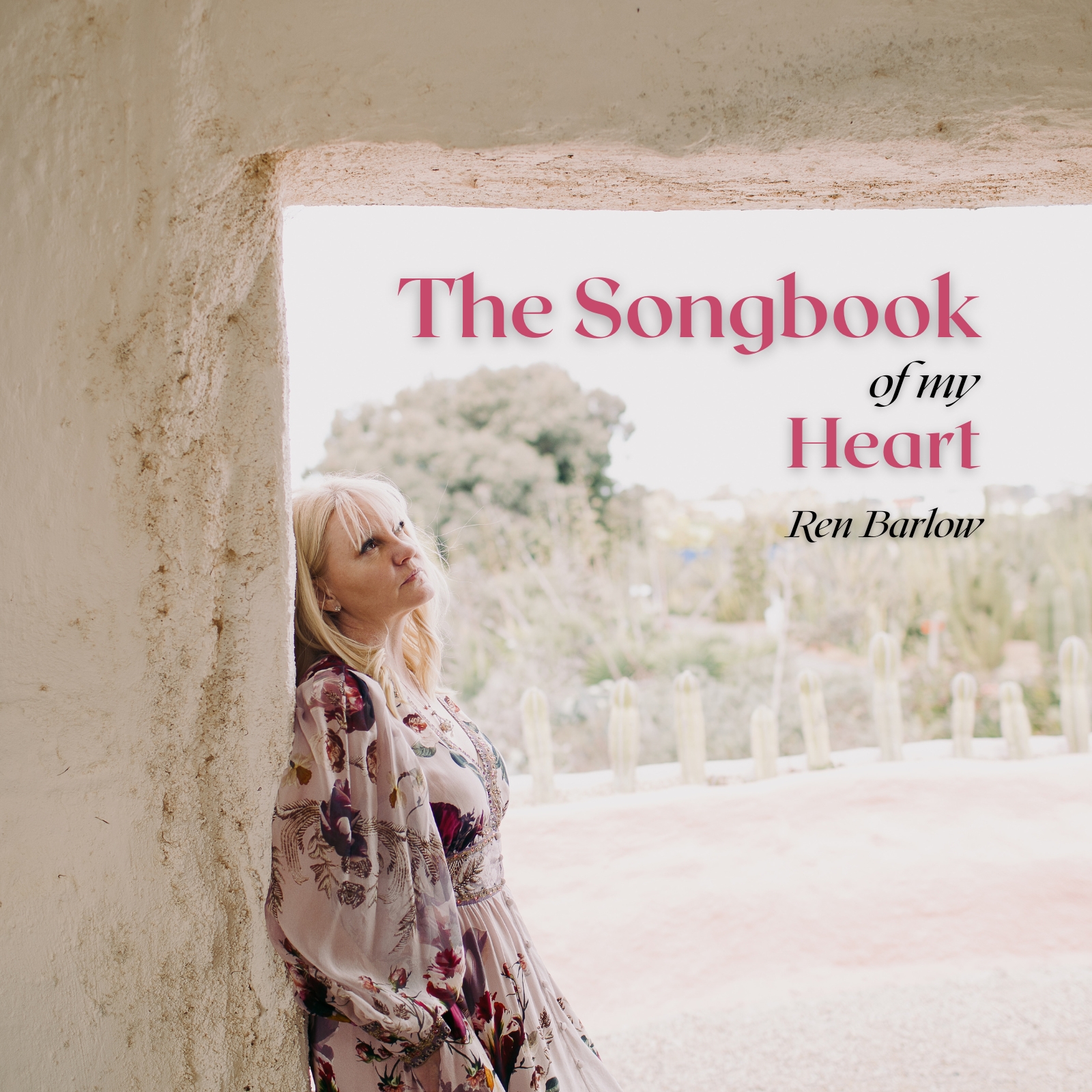
My relationship with music has really evolved alongside my life. I started in classical training and ensemble work, where it was all about discipline, technique, and blending with others — which taught me structure and respect for the craft. As a child and teenager, I was singing jazz, country and Rock n Roll, but as I’ve grown and gone through my own experiences — love, heartbreak, resilience — music has become something far more personal. With ‘The Songbook of My Heart,’ I stepped fully into storytelling. It’s not about perfection anymore — it’s about truth. Every note, every lyric comes from lived experience. It’s my voice, my emotions, my story. I think that’s the beauty of music — it grows with you. Where once I sang to perform, now I sing to connect, to heal, and to remind others that they’re not alone in their own stories.
What does this album represent for you on a personal level, and how does it reflect the chapters of your life you’ve lived through?
This album represents a lifetime of love, heartbreak, loss, growth, and ultimately — self-rediscovery. Every song reflects a chapter of my life — the moments where I lost myself, the times I had to rebuild, and the beautiful, unexpected ways love kept showing up — even when I thought it was gone for good.
‘The Songbook of My Heart’ is really about finding strength in vulnerability. It’s about acknowledging the pain but choosing to keep your heart open anyway. For me, it’s a closing of some chapters and the beginning of a new one — one where I finally sing for me, not for anyone else. When I listen back, I hear the woman I’ve become — softer, wiser, braver — and I’m proud of her. This album is my truth, wrapped in music.
You’ve described Linda Ronstadt’s music as a companion — how has her work influenced your voice and the way you interpret songs in this project?
Linda’s music has been a companion to me through so many stages of my life. She had this incredible ability to move between strength and vulnerability — and that really shaped the way I approach my own singing. When I was creating ‘The Songbook of My Heart,’ I wasn’t trying to be Linda — no one ever could. Linda Ronstadt is her own force, her own magic. I don’t compare myself to her because I’m here to bring my own truth — my own authentic voice and lived experience.
For me, this project was about honouring her artistry while also allowing who I am to come through — the woman, the heart, and the stories behind every note. In many ways, Linda helped me find the courage to be myself.
When reimagining these iconic tracks, how do you strike a balance between honouring their legacy and infusing them with your own soul and perspective?
When I approached these songs, I wanted to honour their legacy with the deepest respect — because they’ve meant so much to so many people, including me. But I also knew I couldn’t just recreate what Linda had already done so perfectly. My responsibility was to find my truth within them.
So, I spent a lot of time sitting with the lyrics, really connecting to the stories and how they related to my own life. I asked myself, “What does this line mean to me now, as the woman I’ve become?”
What do you hope audiences feel as they experience these songs live?
When people come to my shows, I really want them to feel — to go on the journey with me. I want them to feel how I lived through these experiences, because every song in ‘The Songbook of My Heart’ is a true reflection of my life. Each one carries a story — the hurt, the tears, the love, and the strength that shaped who I am today. My hope is that the audience not only connects emotionally but also feels recharged — like the music has helped them release something or remember their own resilience. These songs were my way of healing, and now I want to share that energy so others can feel a little more open, a little more hopeful, and reminded that no matter what we go through, our hearts can always sing again.
Many of these tracks are tied to pivotal moments in your life. Is there one song in particular that holds a deeper meaning than the others?
Yes — ‘Long, Long Time’ holds the deepest meaning for me. It really represents the closure of my marriage and that experience of loving someone who doesn’t truly see you. There’s a heartbreak in that song that’s so honest — it’s the quiet kind of pain that stays with you long after the moment has passed.
When I sing it now, it’s no longer about sadness; it’s about acceptance. It’s about finding peace and strength in letting go. That song became a way of closing one chapter of my life and opening another — one where I love myself first, and where I can sing from a place of truth, not longing.
You’ve channelled your platform into powerful advocacy — from literacy to ovarian cancer research. How do these causes intertwine with your work as an artist?
My main focus has always been literacy — because I believe it’s the foundation for empowerment. For me, literacy isn’t just about reading; it’s about giving children and women the tools to find their voice, to make informed choices, and to shape their own futures. That’s why my work combines reading, music, wellness, and financial literacy — they’re all forms of expression and self-belief.
At the same time, I’ve lost someone very dear to me to ovarian cancer, and I have close friends who’ve been affected. It’s deeply personal — and as a mother of girls and a son. I feel a responsibility to do whatever I can to raise awareness and support research. For me, advocacy and artistry go hand in hand. Music connects the heart, and advocacy gives that connection purpose. Together, they’re how I try to make a difference.
After stepping away for personal reasons, you’ve spoken about finding your voice again. What has that process of rediscovery taught you about yourself?
Stepping away from music was one of the hardest but most necessary decisions I’ve ever made. During that time, I had to face a lot — to heal, to rebuild, and to find the courage to trust my own voice again.
That process of rediscovery taught me resilience — that even when life quiets you, your true voice never disappears, it just waits for you to be ready. It also reminded me to never give up on a dream, no matter how far away it might seem.
Coming back to music has been about freedom and self-belief — realising that my voice isn’t just something I sing with, it’s who I am. And once you reclaim that, no one can take it from you.
Beyond this project, you’re working on a full-length album of original songs. How will that body of work expand on the story you’re telling now?
The full-length album of original songs is really the next chapter of my story. ‘The Songbook of My Heart’ was about honouring where I’ve been — the loves, the losses, and the lessons that shaped me. But this new body of work is about where I’m going. It expands on that story by moving from reflection to rebirth — it’s more confident, more open, and filled with hope. These songs come from a place of strength and freedom, written from my own experiences and truths. It’s about stepping fully into my voice as a songwriter and a woman — still tender, still real, but now completely my own. If The Songbook was about healing, this next album is about becoming. So, watch this space!
Looking ahead, how do you see music and activism continuing to shape your legacy — and what impact do you hope your art leaves behind?
Looking ahead, I see music and activism continuing to work hand in hand. For me, art has never been separate from purpose — it’s a way to shine a light, to empower, and to create change.
Through my focus on literacy — empowering children and women through reading, music, wellness, and financial understanding — I hope to help others find their own voices, just as I’ve found mine. And through supporting ovarian cancer research, I honour those I’ve lost and protect the next generation, including my girls.
Ultimately, I hope my legacy is one of impact and authenticity — that people feel I used my platform to lift others, to remind them of their strength, and to never give up on their dreams. If my art can touch hearts, open minds, and leave the world a little better, then I’ve done what I came here to do.
