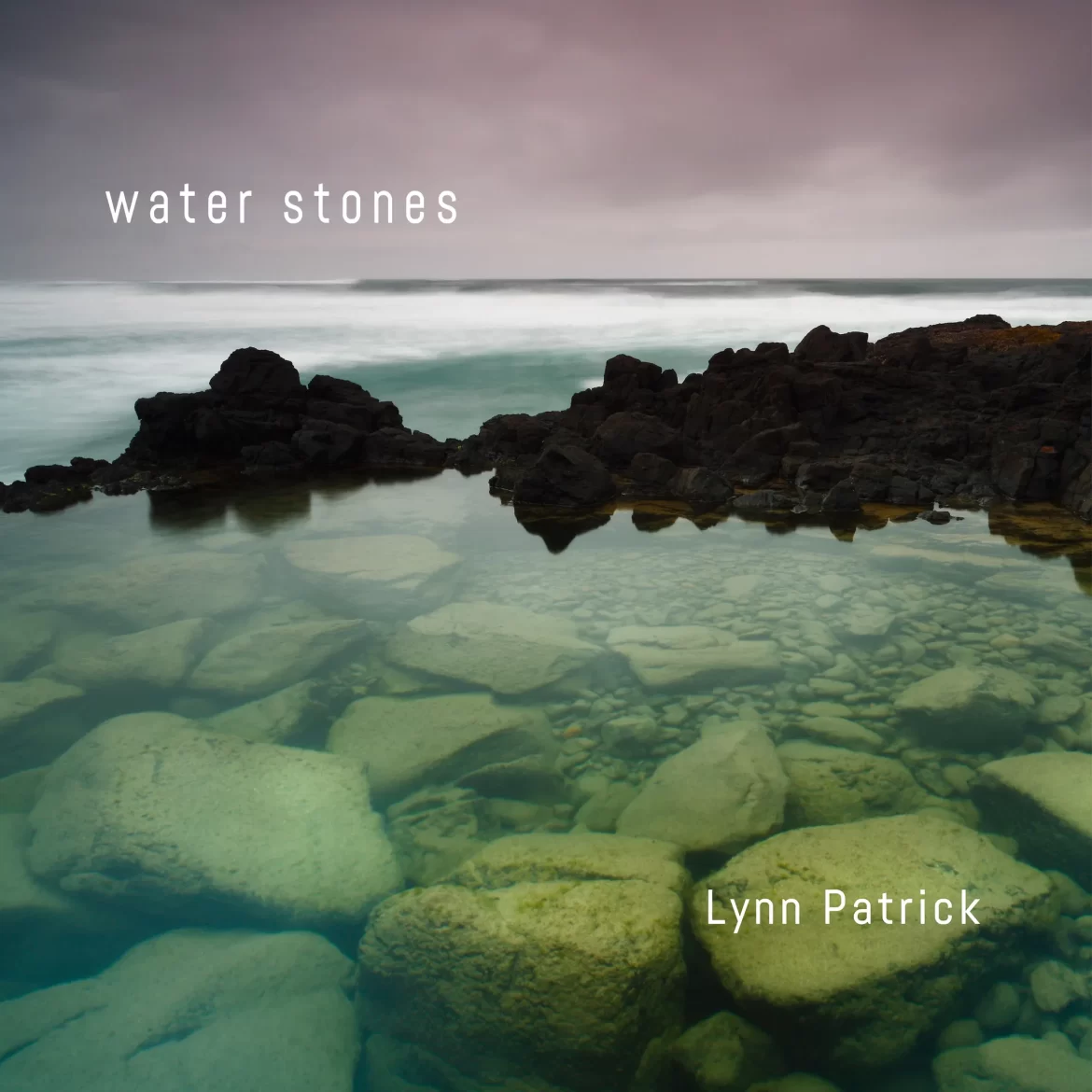
Water Stones feels less like a collection of songs and more like a continuous environment. When you were writing it, were you thinking in terms of individual pieces, or did the album slowly reveal itself as a whole?
The album slowly revealed itself as a whole. I started writing and recording and let it unfold as a collection of songs that reflected my life experiences at the time. Three of them I had written several years ago, but the rest reflected my current and recent experiences.
The title suggests gradual change rather than dramatic transformation. Was there a particular moment or experience that made that metaphor feel right for this record?
After losing several close friends, experiencing the pandemic, going through stage-three cancer, and witnessing the intensity of the 2024 election, I felt drawn to bring healing and positivity into my world and hopefully into the world of others. Holding my guitar, writing, and recording became truly uplifting for me. Through grief and healing, I felt my heart soften. During chemotherapy, instead of giving in to fear, I imagined light flowing through the IVs. My intention throughout the process was healing, staying open, and reaching for a higher vibration.
The last song I recorded was the title track, Water Stones, and my mother died that same day. I placed my hand on my heart and felt deep appreciation for my legacy with her, including the difficulty, the challenges, and the love we shared. That is why I called the album Water Stones. All of these challenges and hardships opened my heart, and a great deal of healing took place. It changed my life.
Your guitar playing on Water Stones feels very intentional, especially in what’s left unsaid. How conscious are you of silence and restraint when you’re composing?
I really don’t think about it one way or the other. Those songs are simply a reflection of how I feel, and I’m not analyzing the process as it’s happening. I’m just feeling. I follow a thread of intuition and whatever wants to come through in the moment. Each choice of notes stays in sync with a deep inner feeling, a sense of wonder and discovery. Writing songs feels like an adventure.
Nature feels present throughout the album, not as a concept but almost as a collaborator. Do you feel these pieces are shaped more by landscape than emotion, or are those two things inseparable for you?
Those two things are inseparable for me. Most of the songs I write happen when I’m at home in the mountains where I live. Sometimes when I’m writing, I zone out and feel that beauty come through as I go into a creative place. It gets into my hands. Because I love spending time in nature, taking walks in the mountains, being by rivers, kayaking on lakes, swimming, and backcountry cross-country skiing, these experiences are very healing and empowering. I always feel uplifted when I am with nature and that gets reflected in my songs.
There’s a calm confidence running through the record, but it never drifts into passivity. How do you make gentle music without it becoming something people stop actively listening to?
I think it’s because I feel fully engaged and truly connected to the music, and perhaps listeners feel that too.
Many of the tracks feel emotionally open without pointing the listener toward a specific feeling. Do you think instrumental music works best when it leaves that kind of space?
Yes. I used to sing and write lyrics, but I ended up writing instrumental music because I can express myself more emotionally. Words feel limiting for me. Without lyrics, listeners have the space to connect with the music in their own way. Rather than me creating a story, they can have their own experience.
The album moves at its own pace and doesn’t rush toward resolution. Was that a conscious response to the speed of modern life, or simply where you found yourself creatively at the time?
Just where I found myself creatively at the time. The music flows out of me, and I create a space that feels healing, uplifting, fun, or whatever wants to happen.
When you listen back to Water Stones now, does it feel like a snapshot of who you were while making it, or something that exists independently of you?
Listening back, it feels like a snapshot of my experience and what I was feeling at the time.
This is a record that seems to reward repeat listening rather than instant impact. How important is longevity to you when you’re releasing new work?
I don’t really think about it that way. The music unfolds from authentic experiences, not from anything forced or planned. It is spontaneous and real, without a specific agenda, and is just a flow of emotions and creativity that speaks from the present moment.
If someone sits with Water Stones for the first time, without context or expectation, what do you hope stays with them once the final note fades out?
That the music made them feel something, that it left them feeling better or inspired.
