Photography: Jake Harm Nam
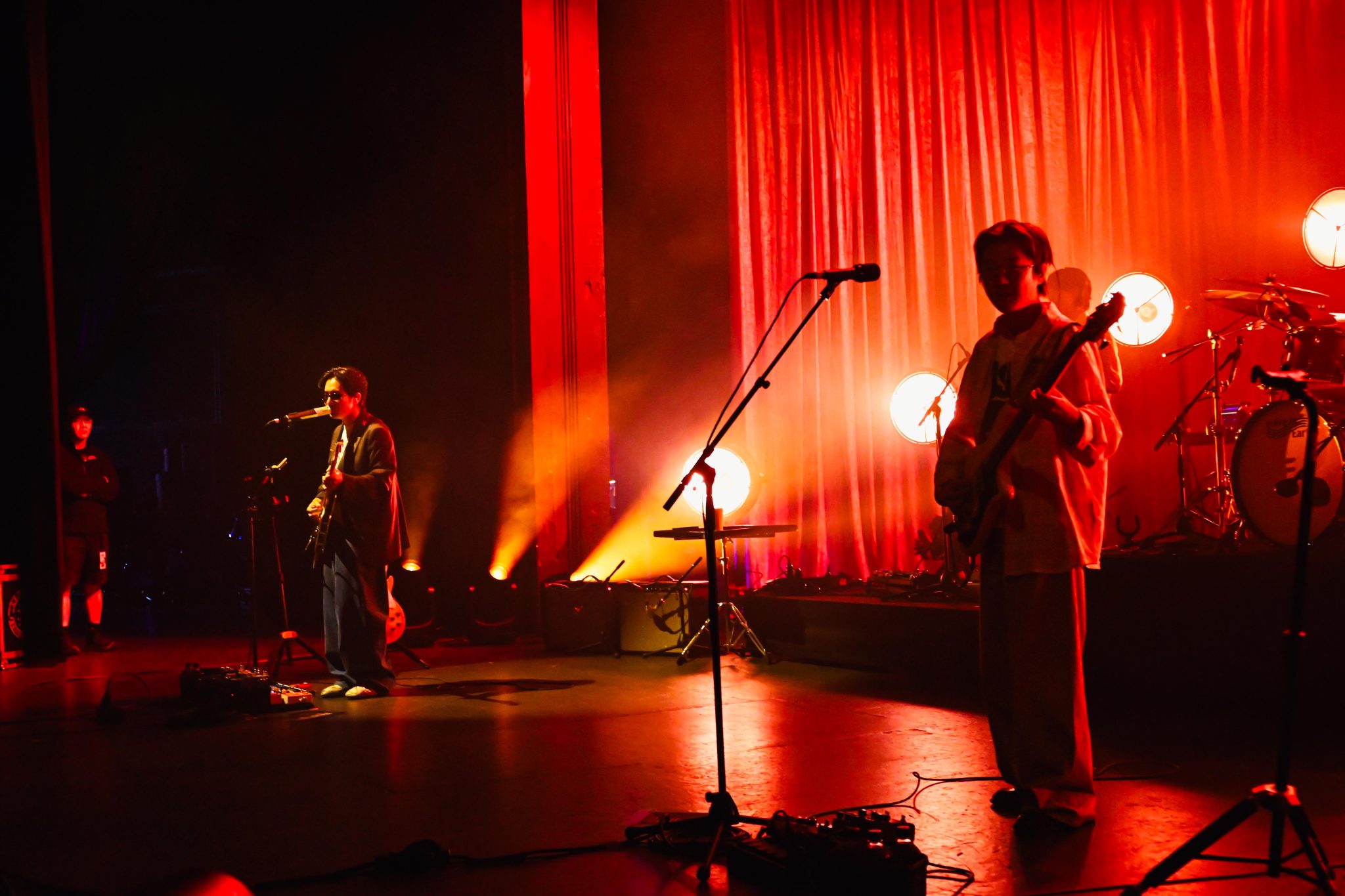
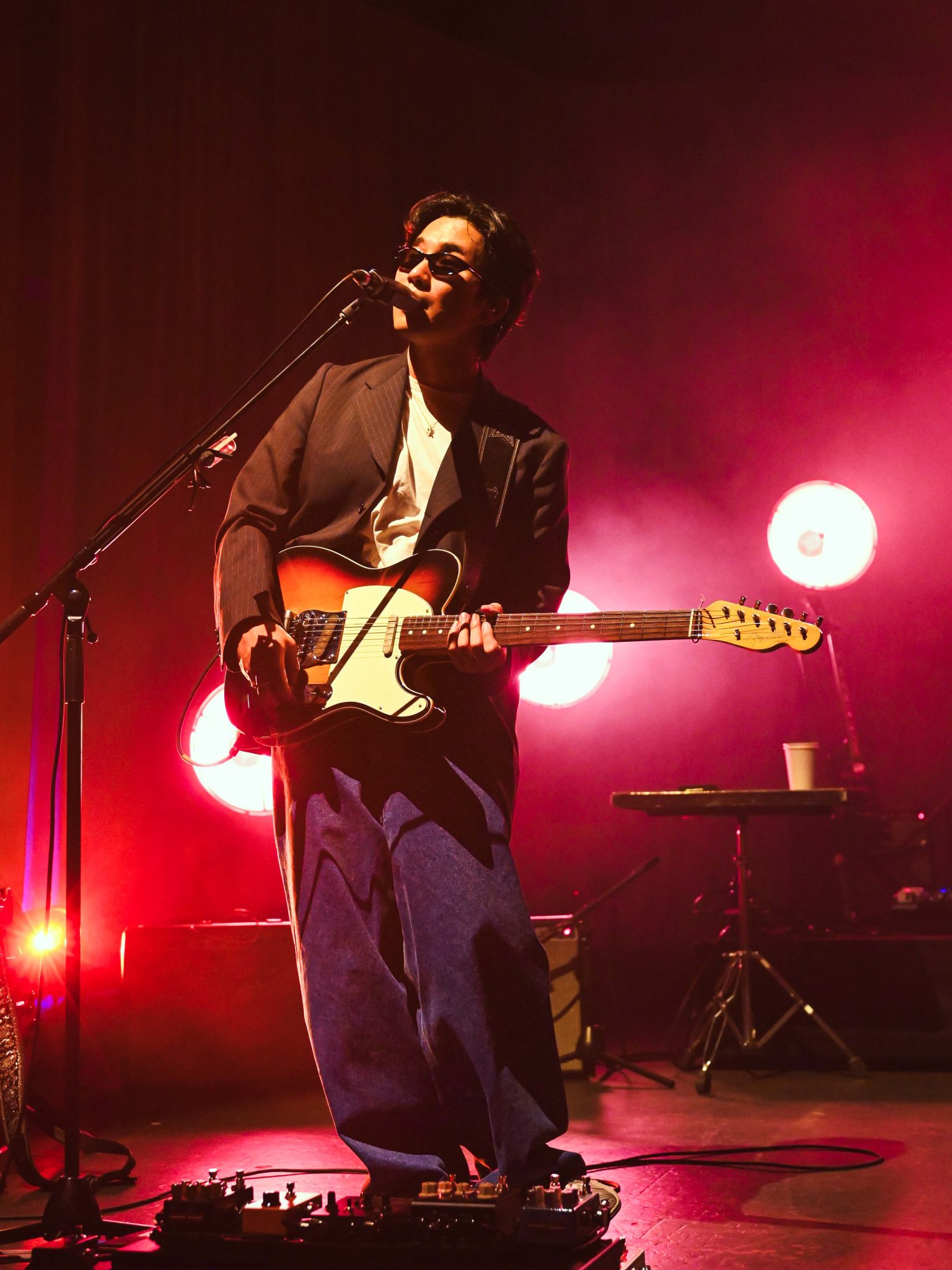
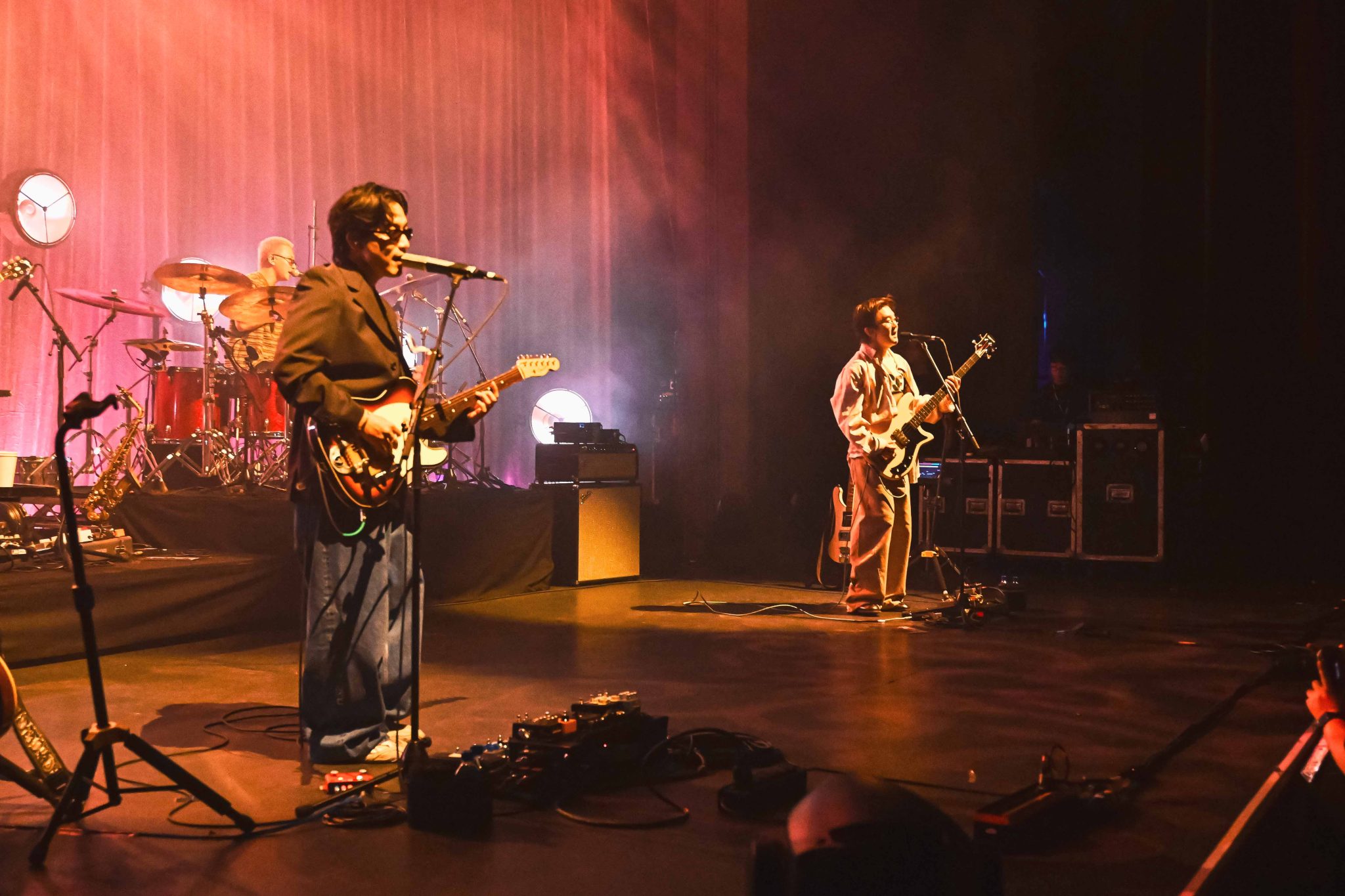
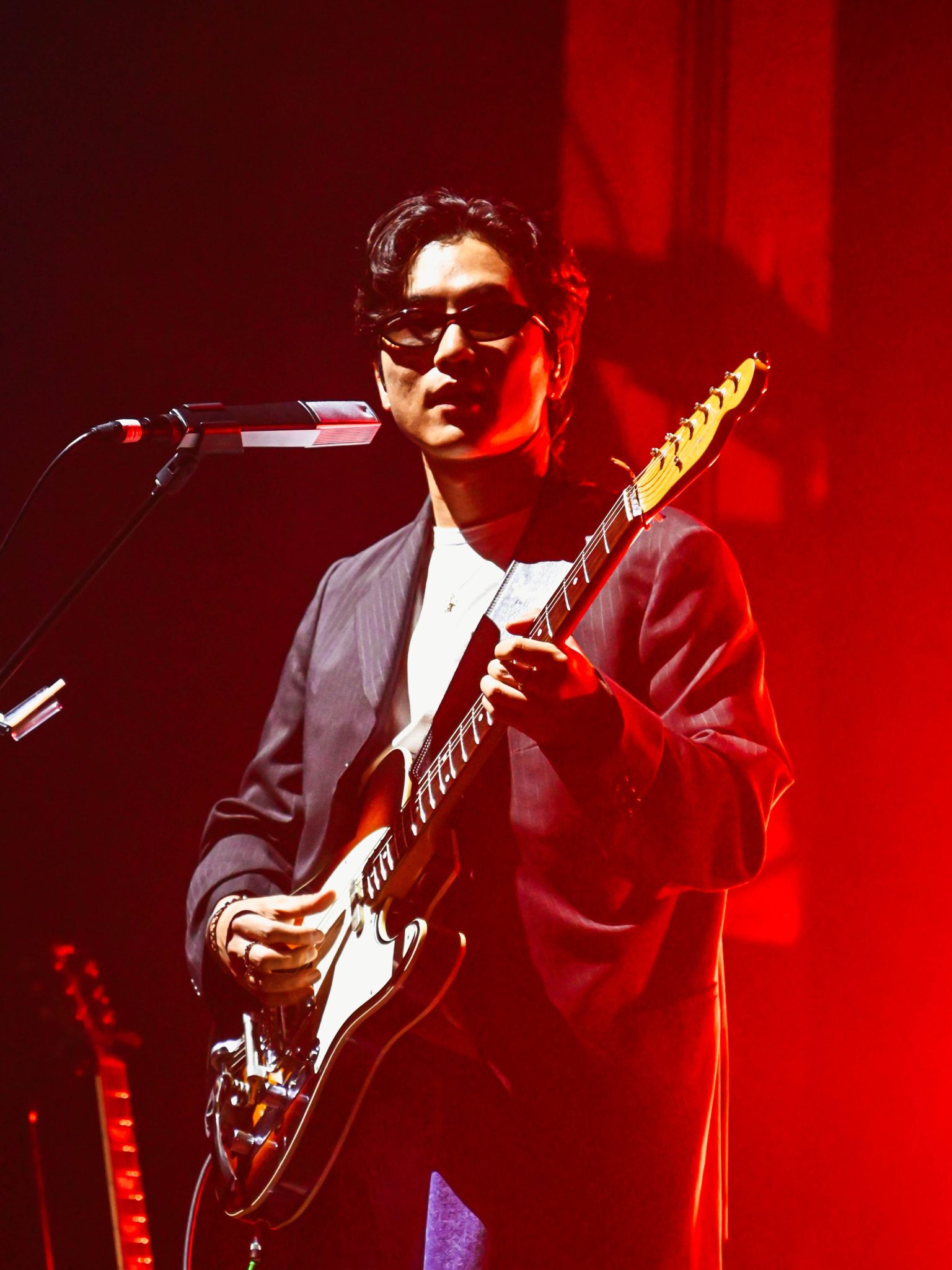
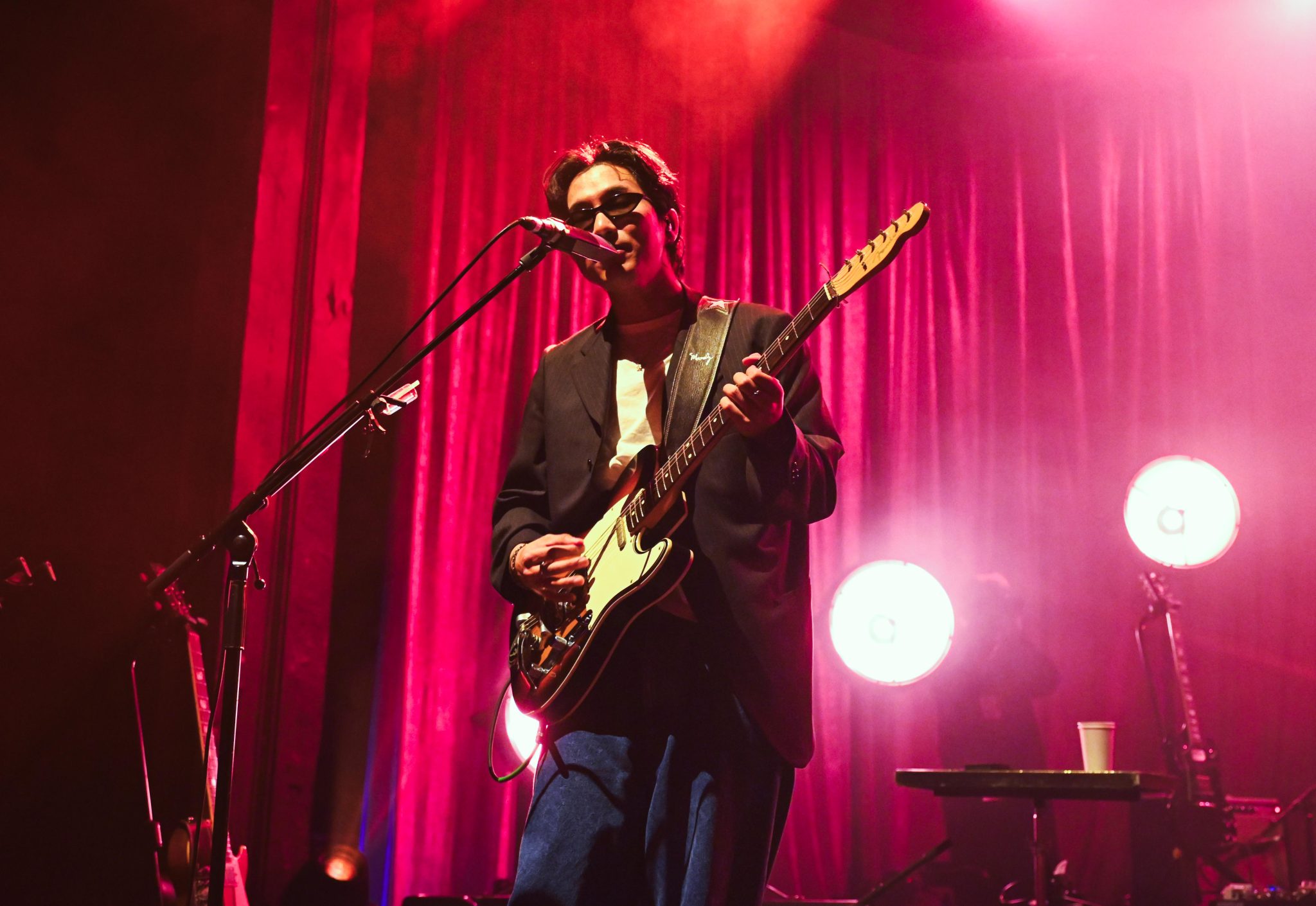
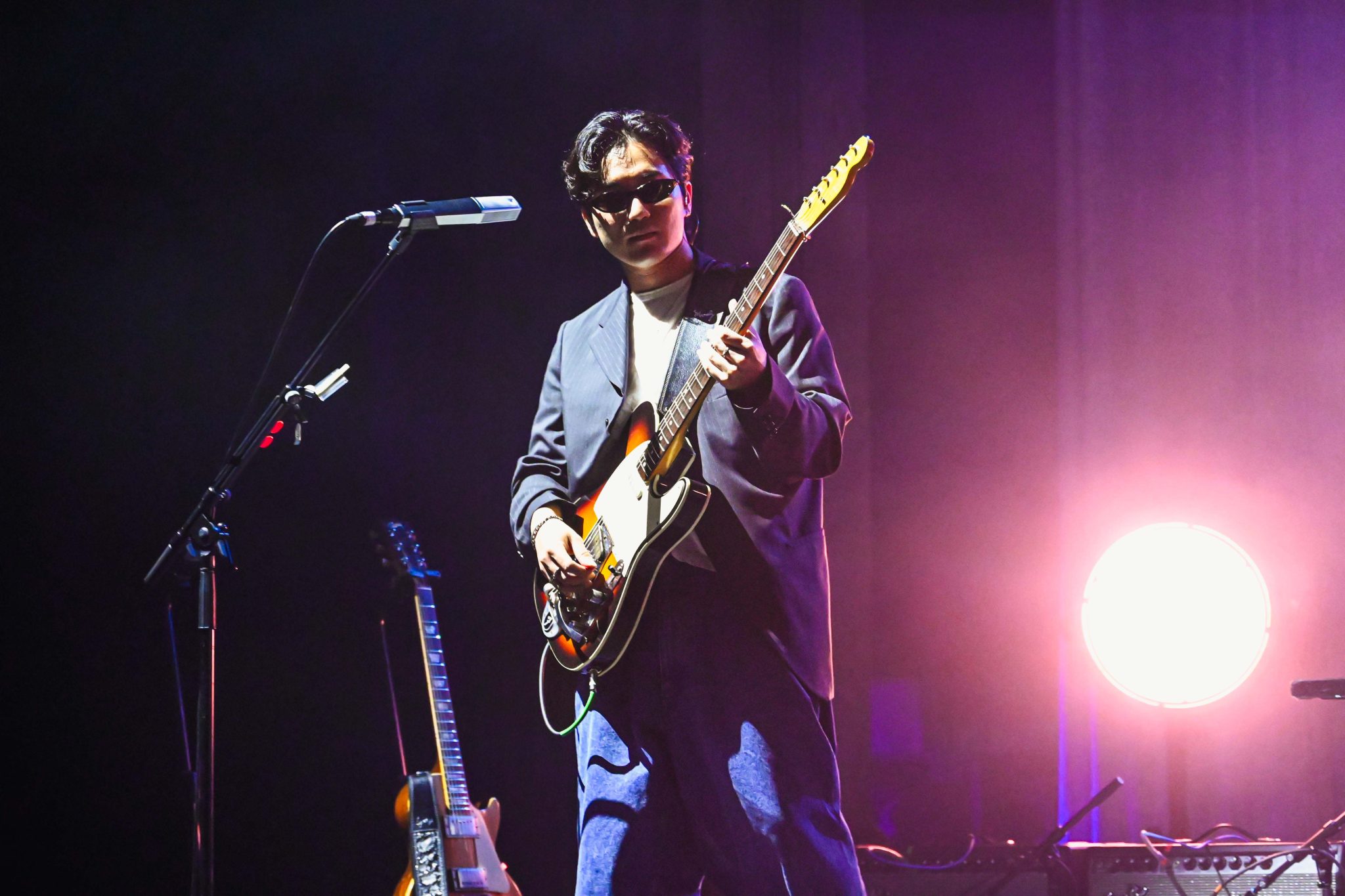
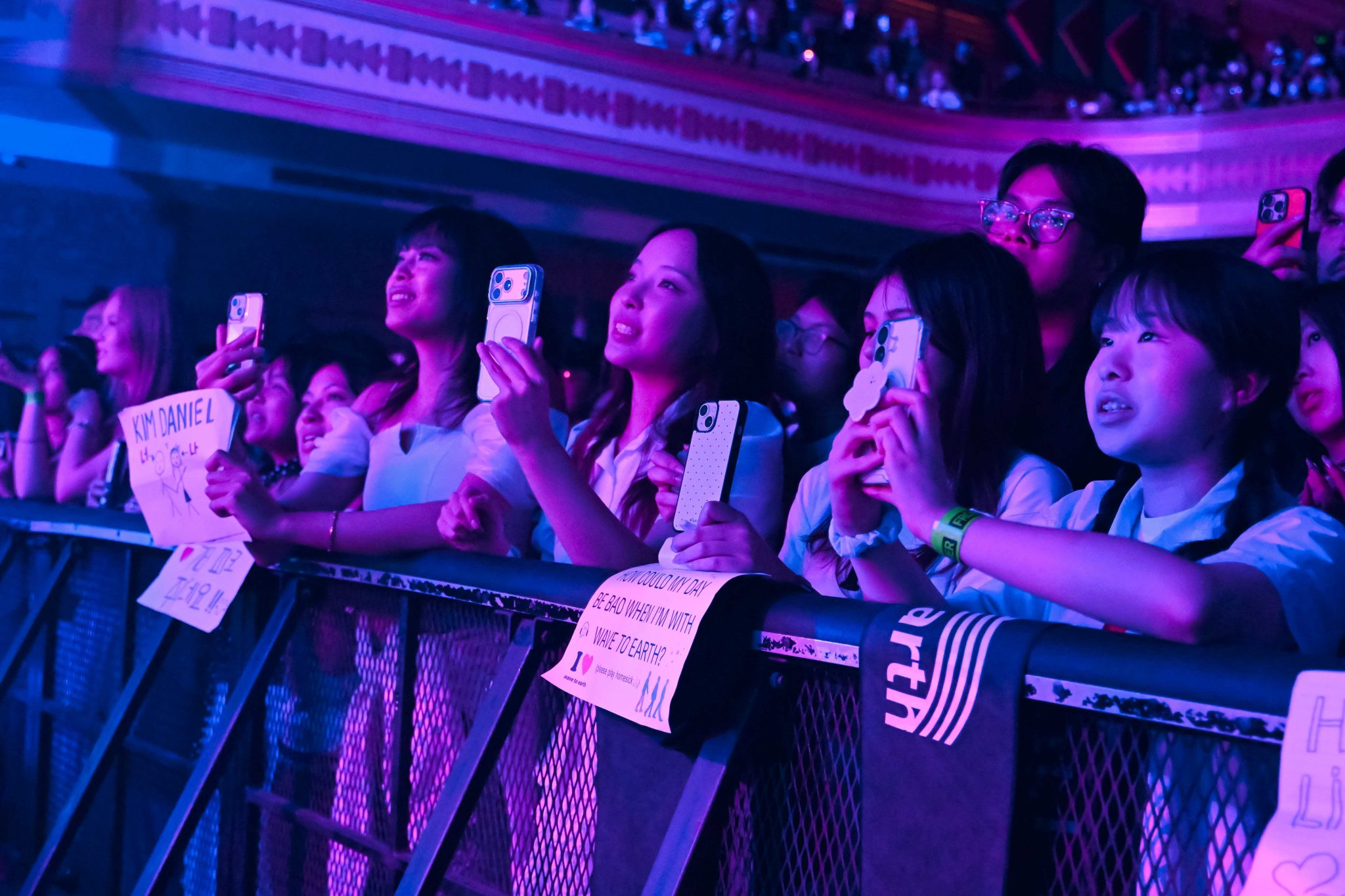
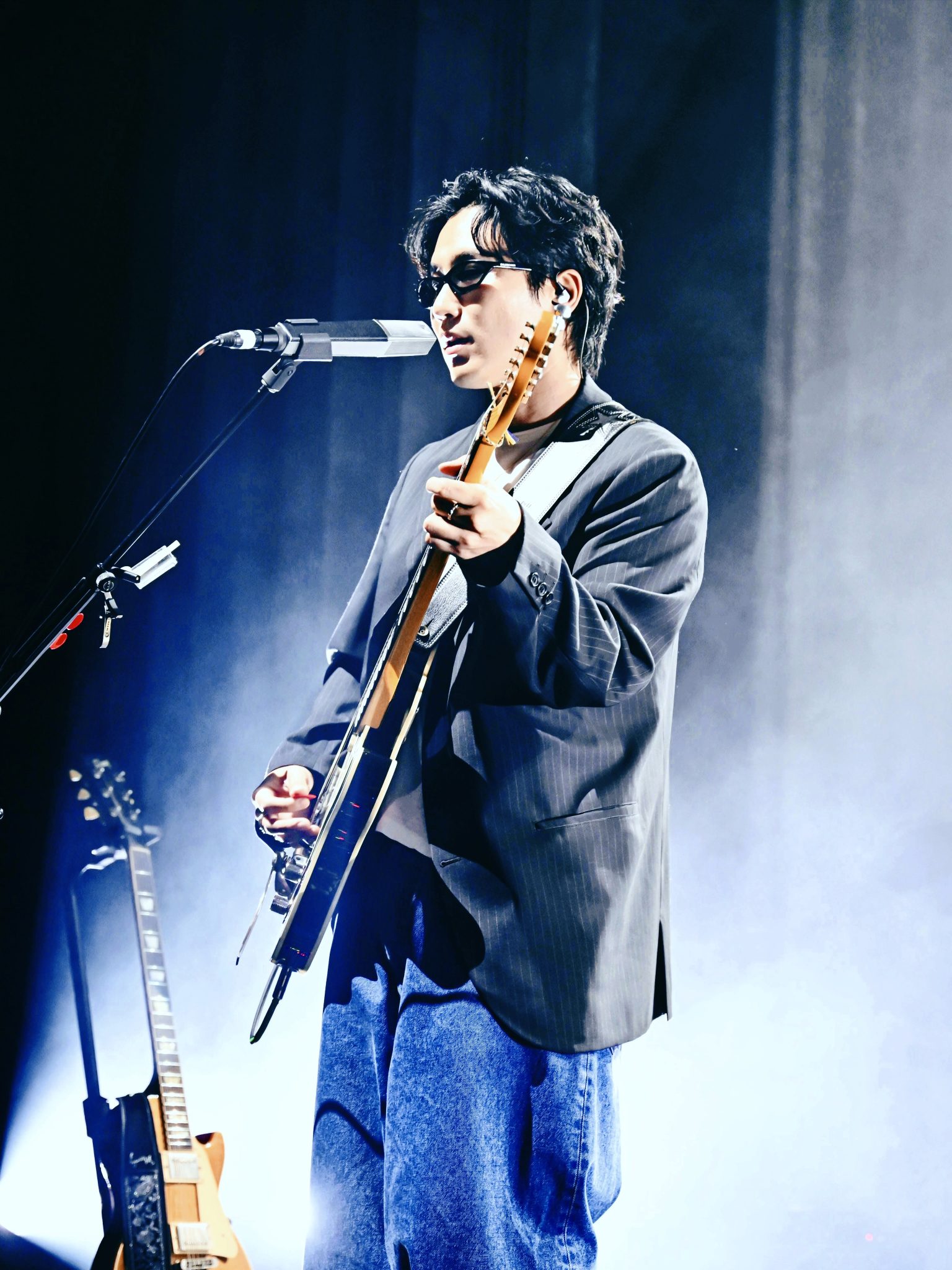
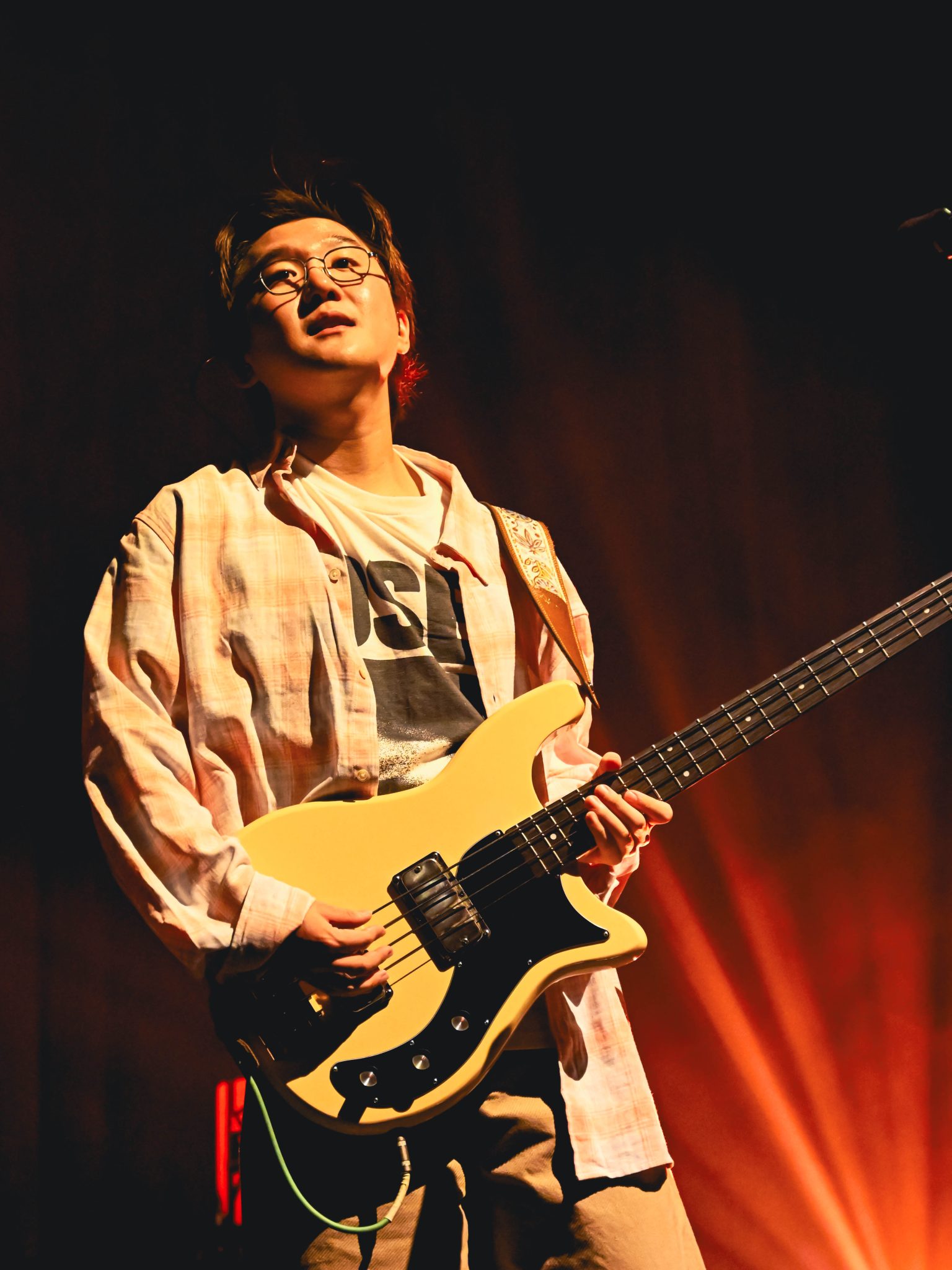
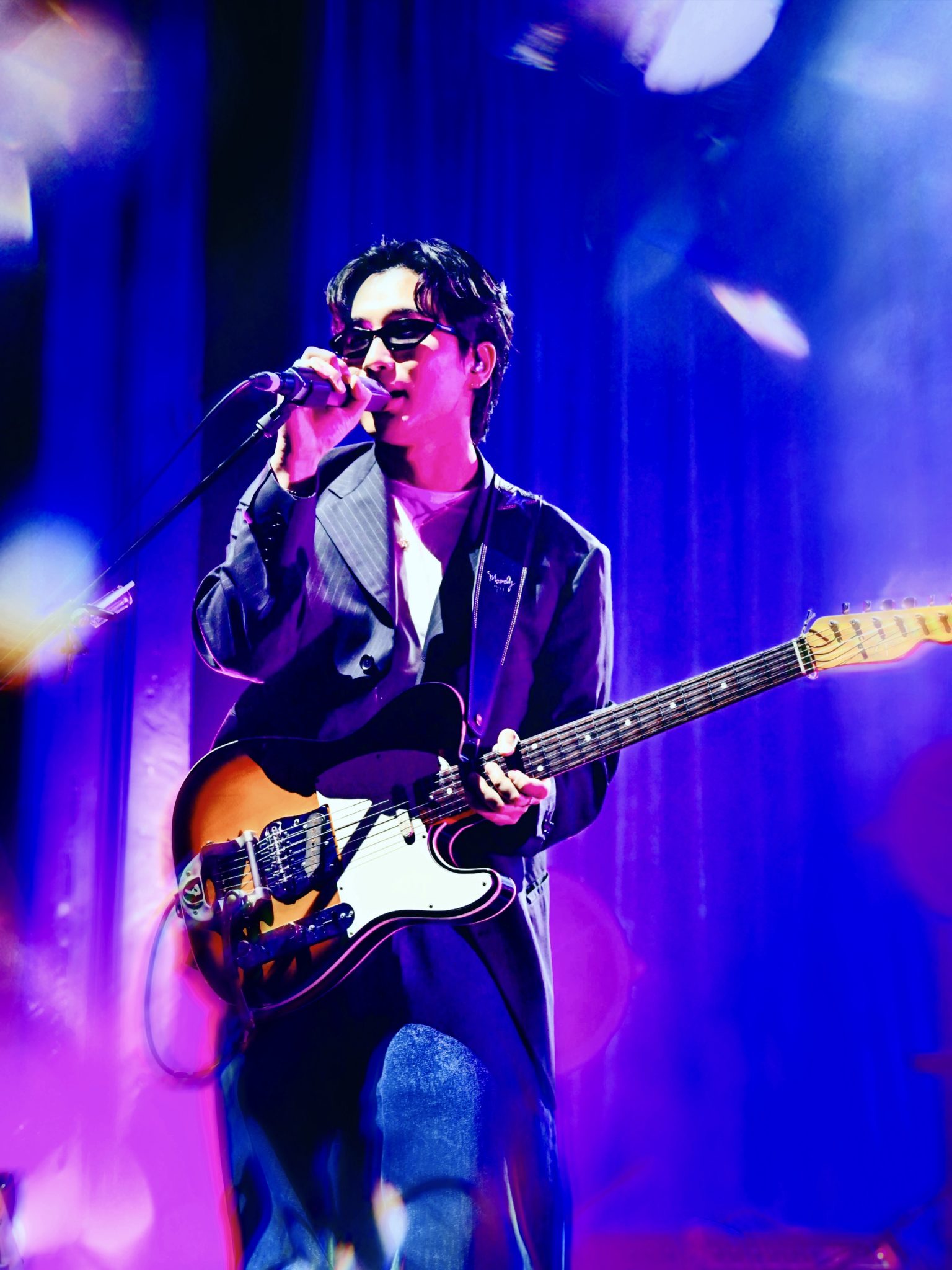
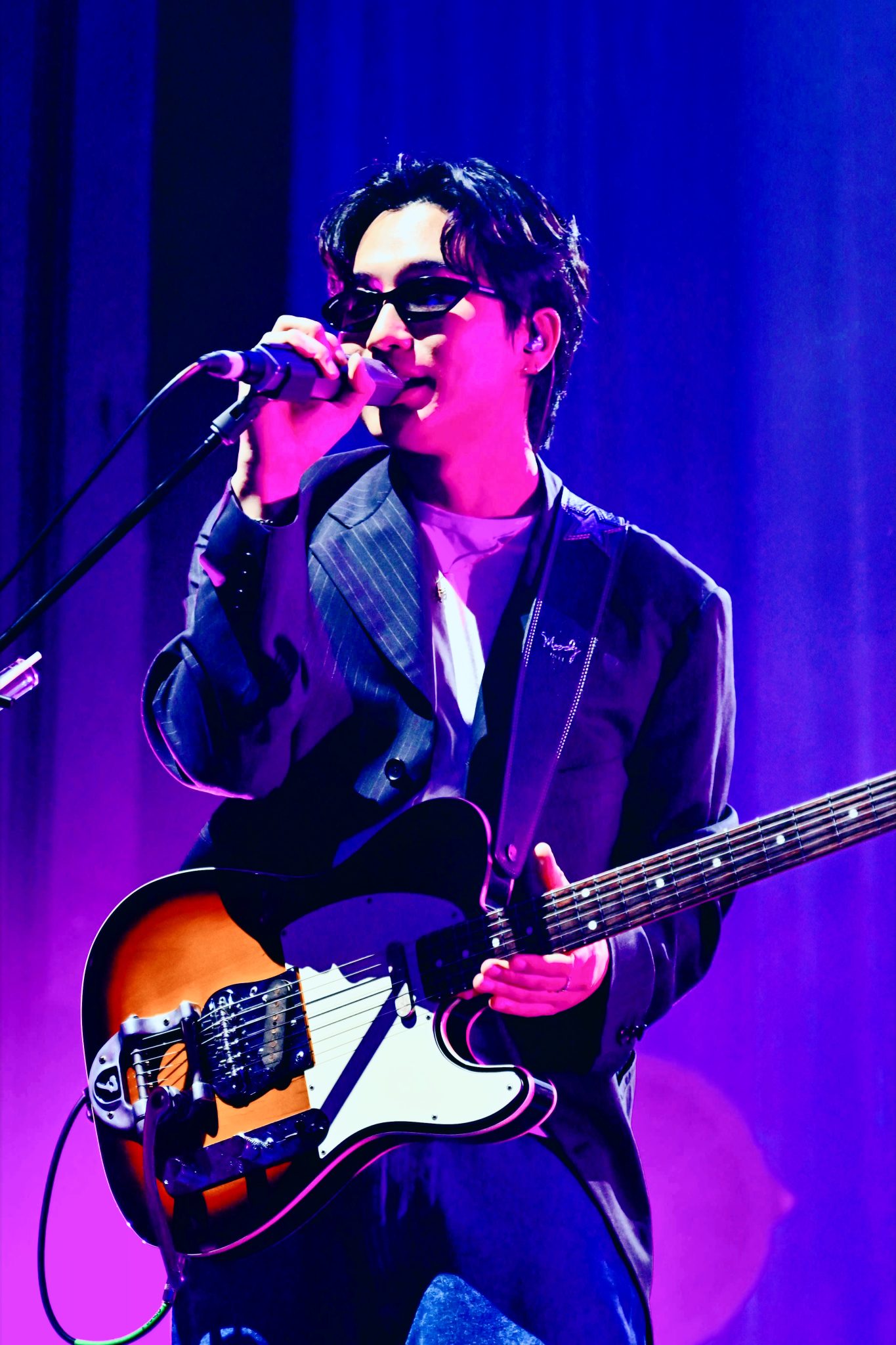

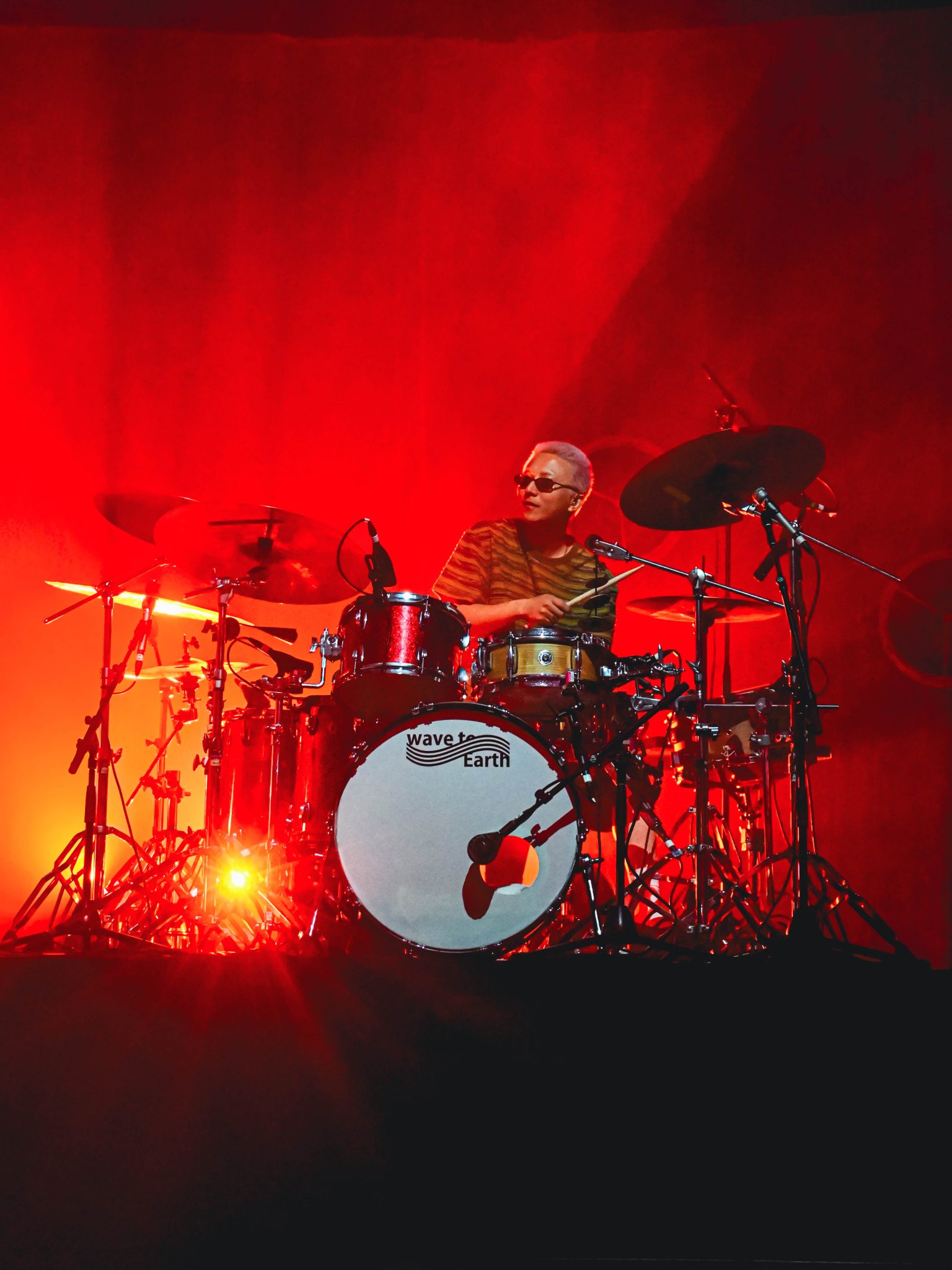
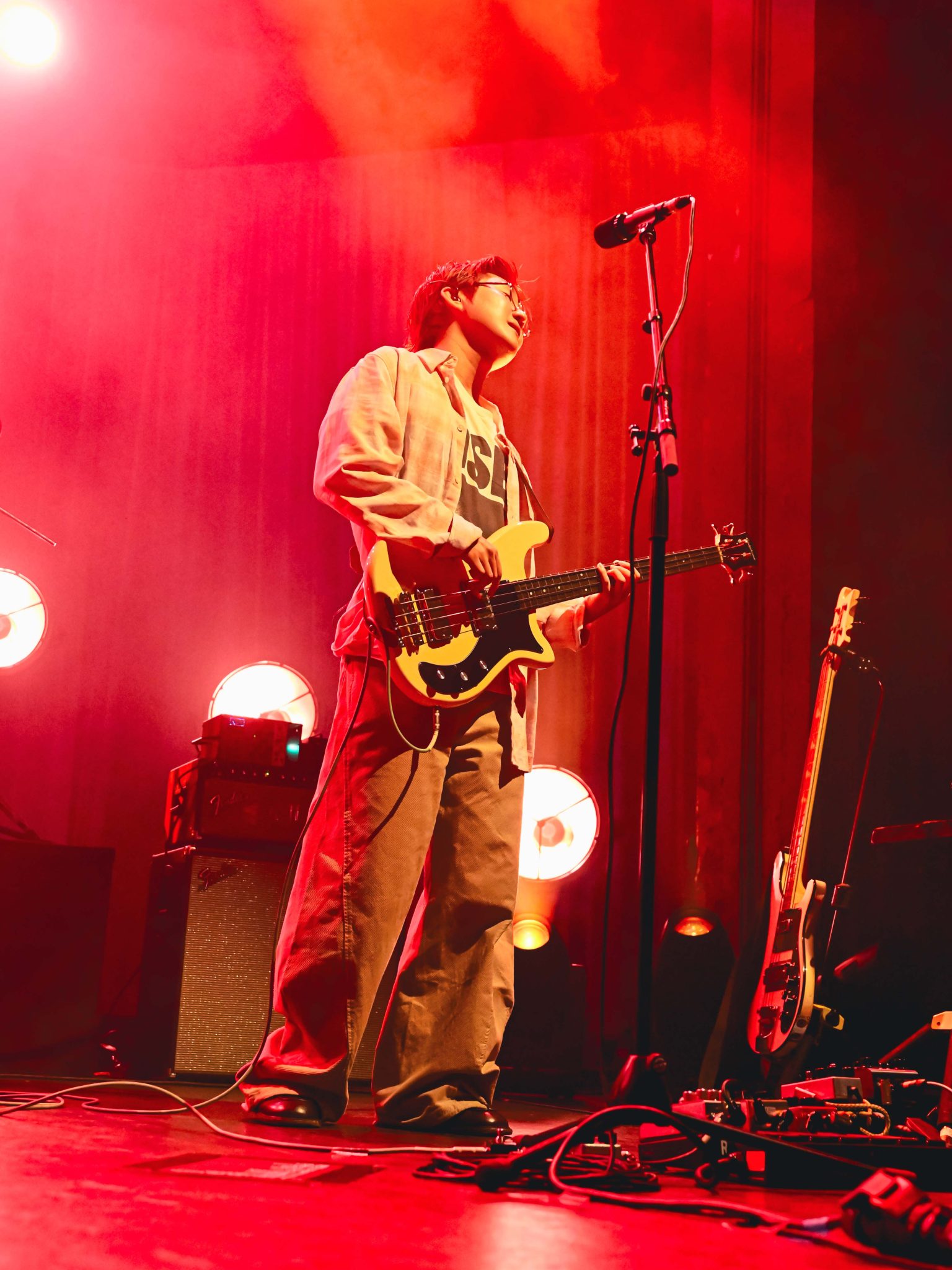
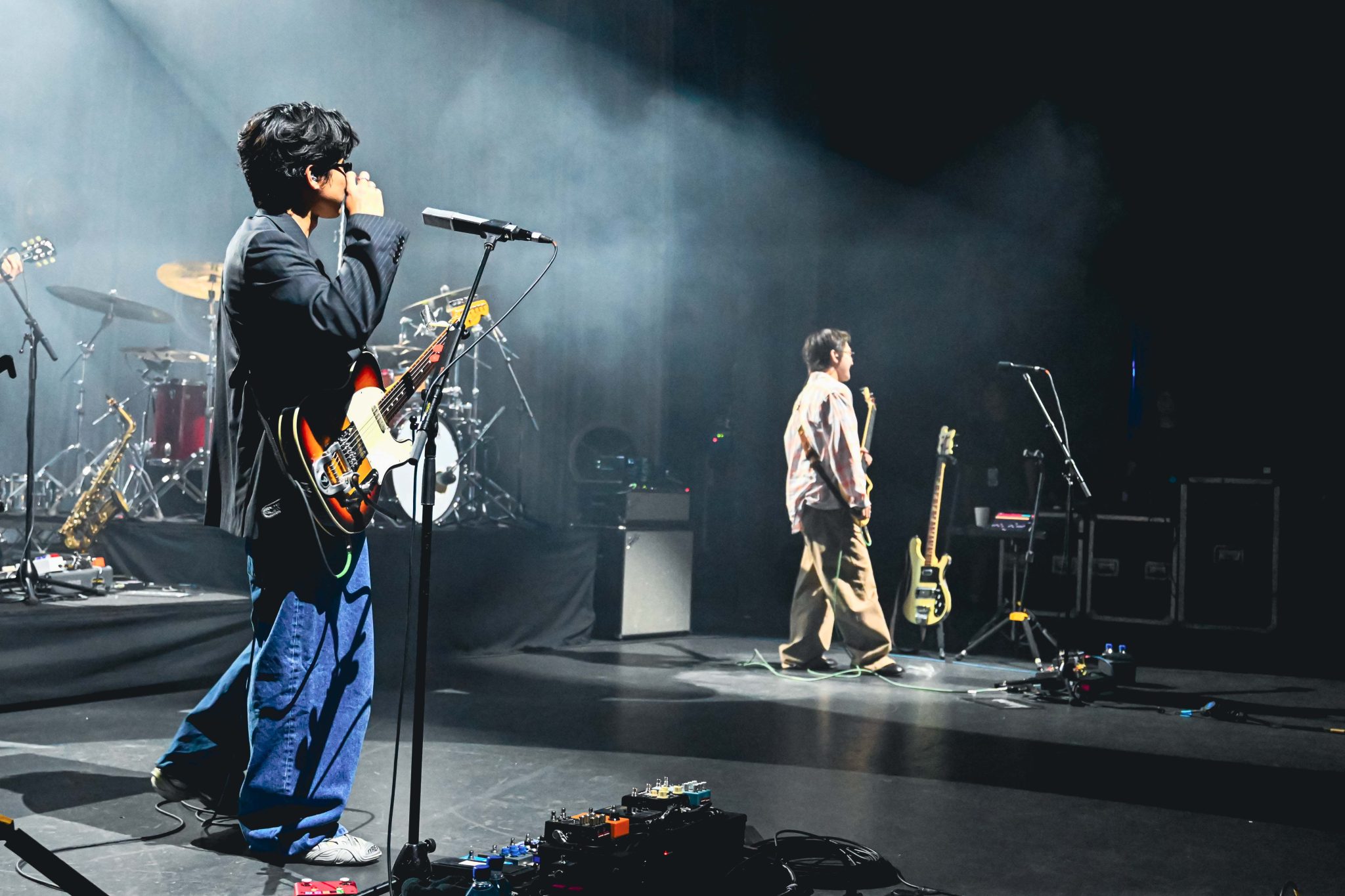
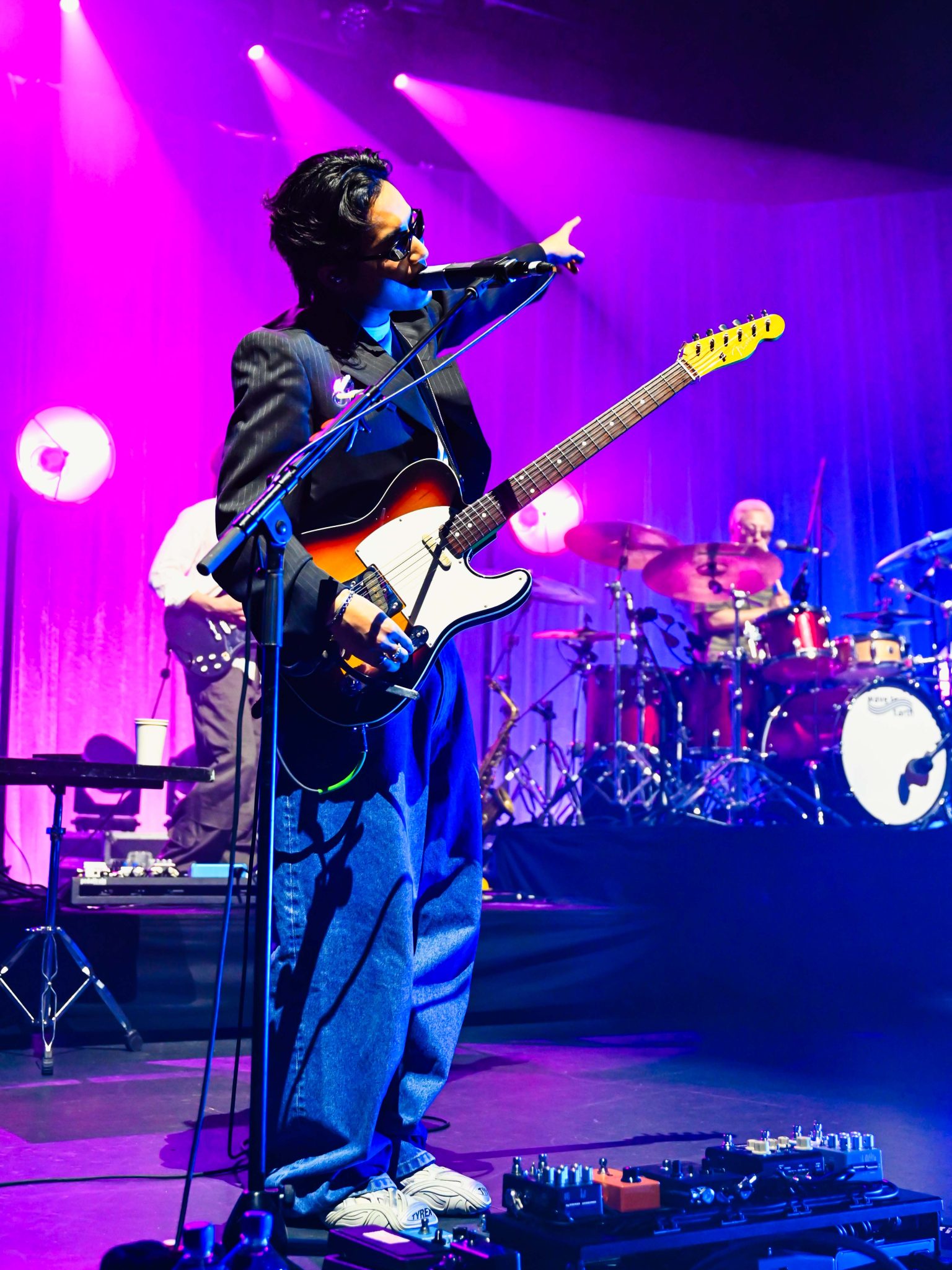
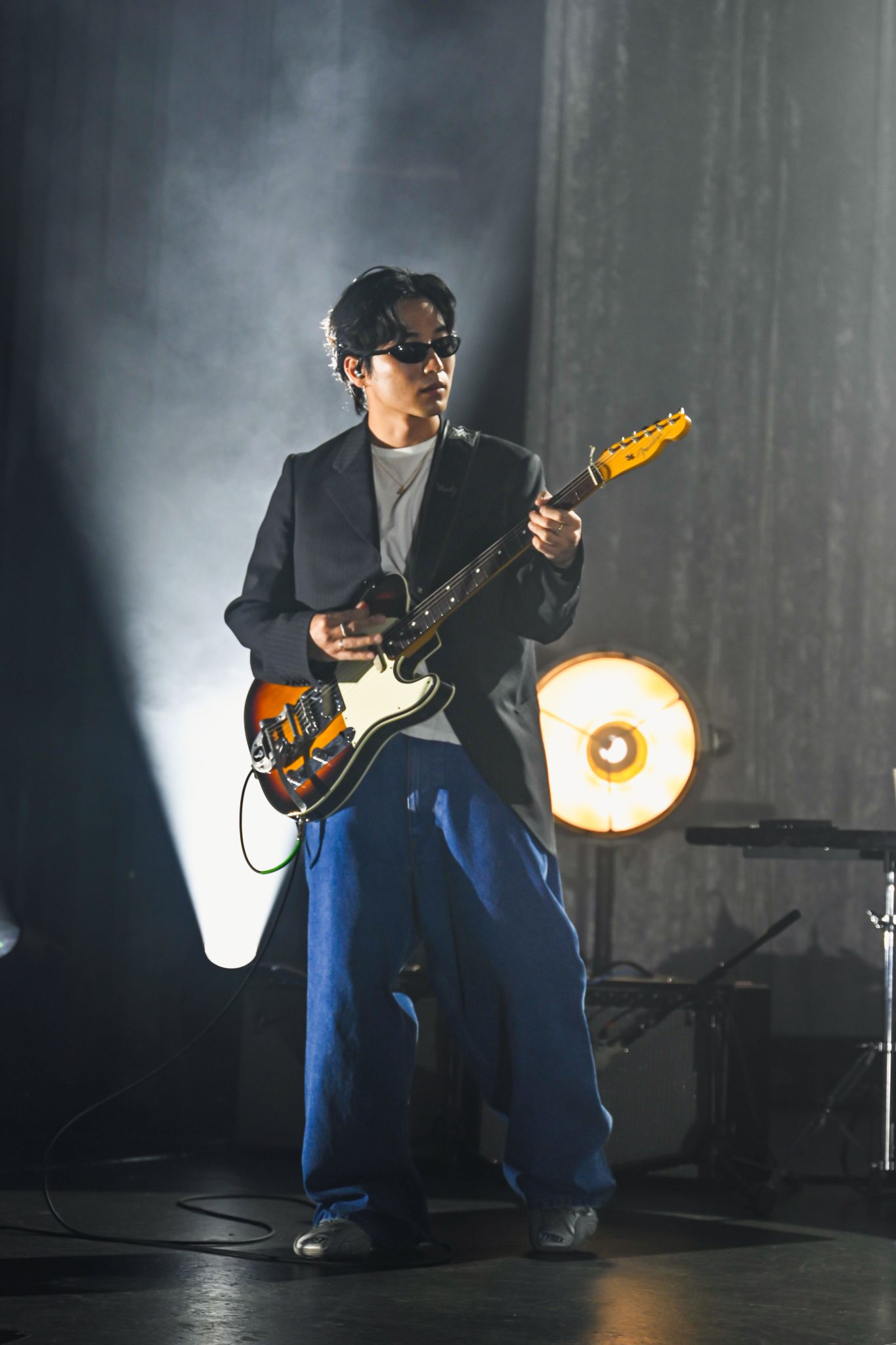
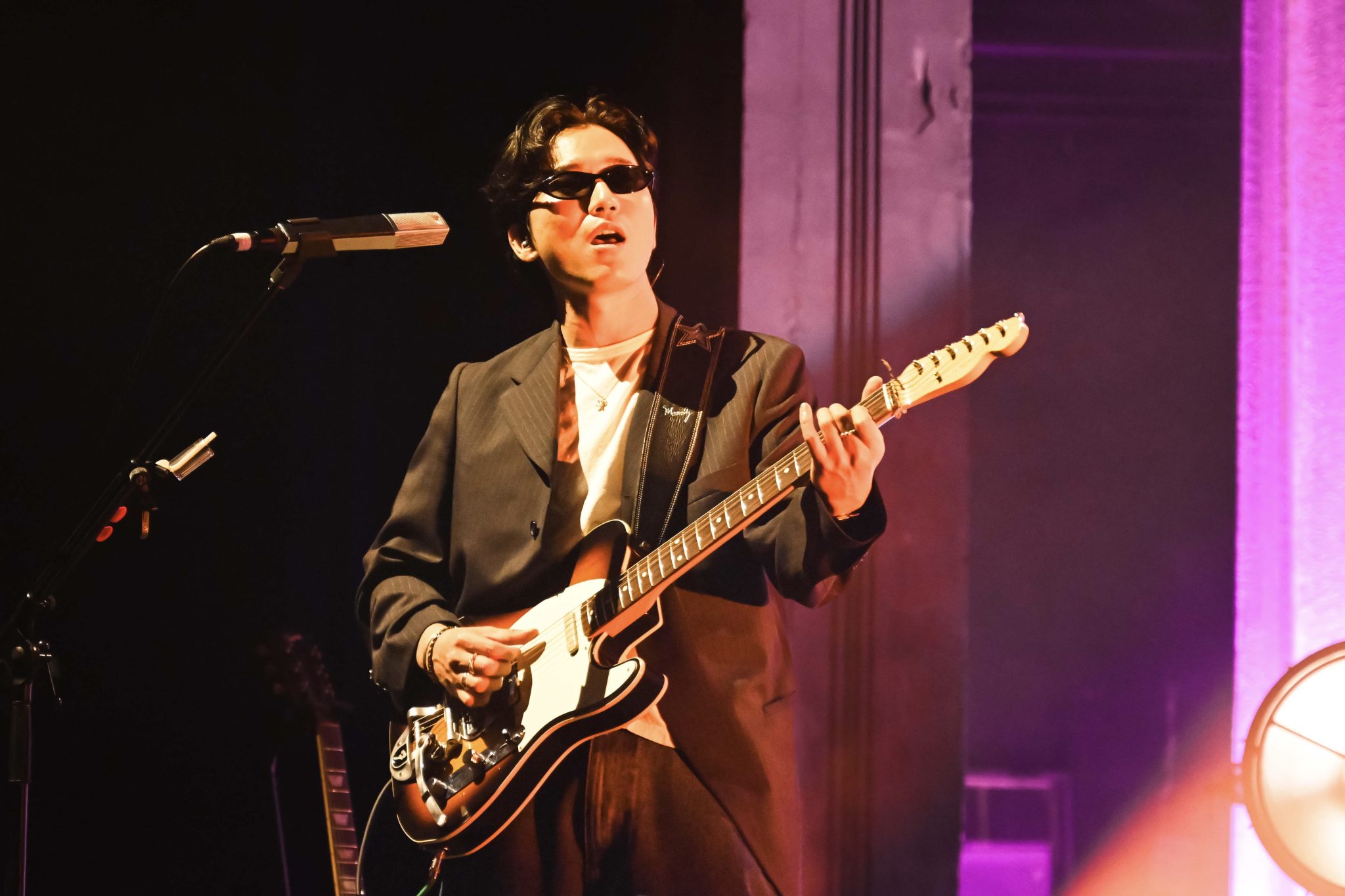
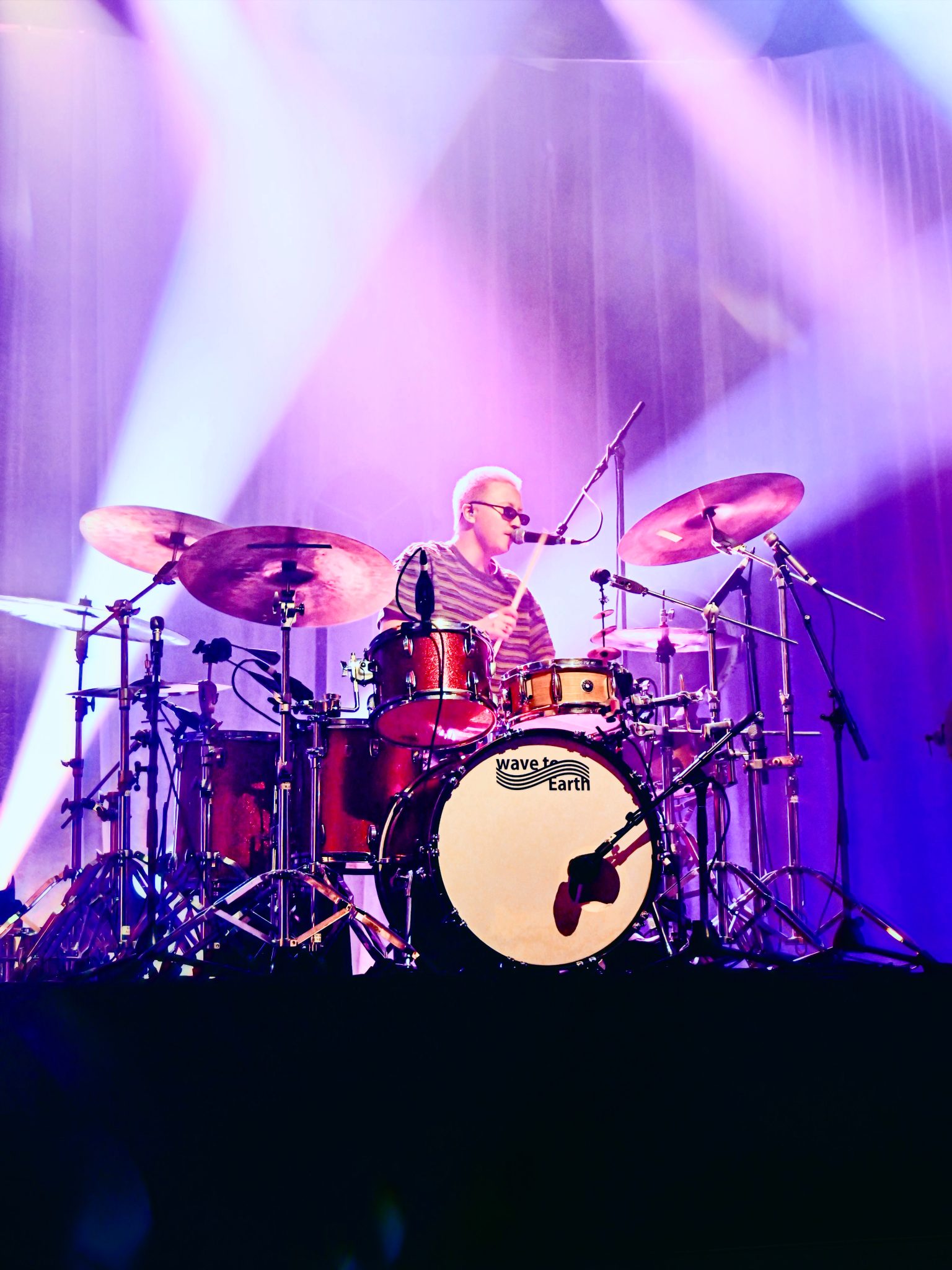
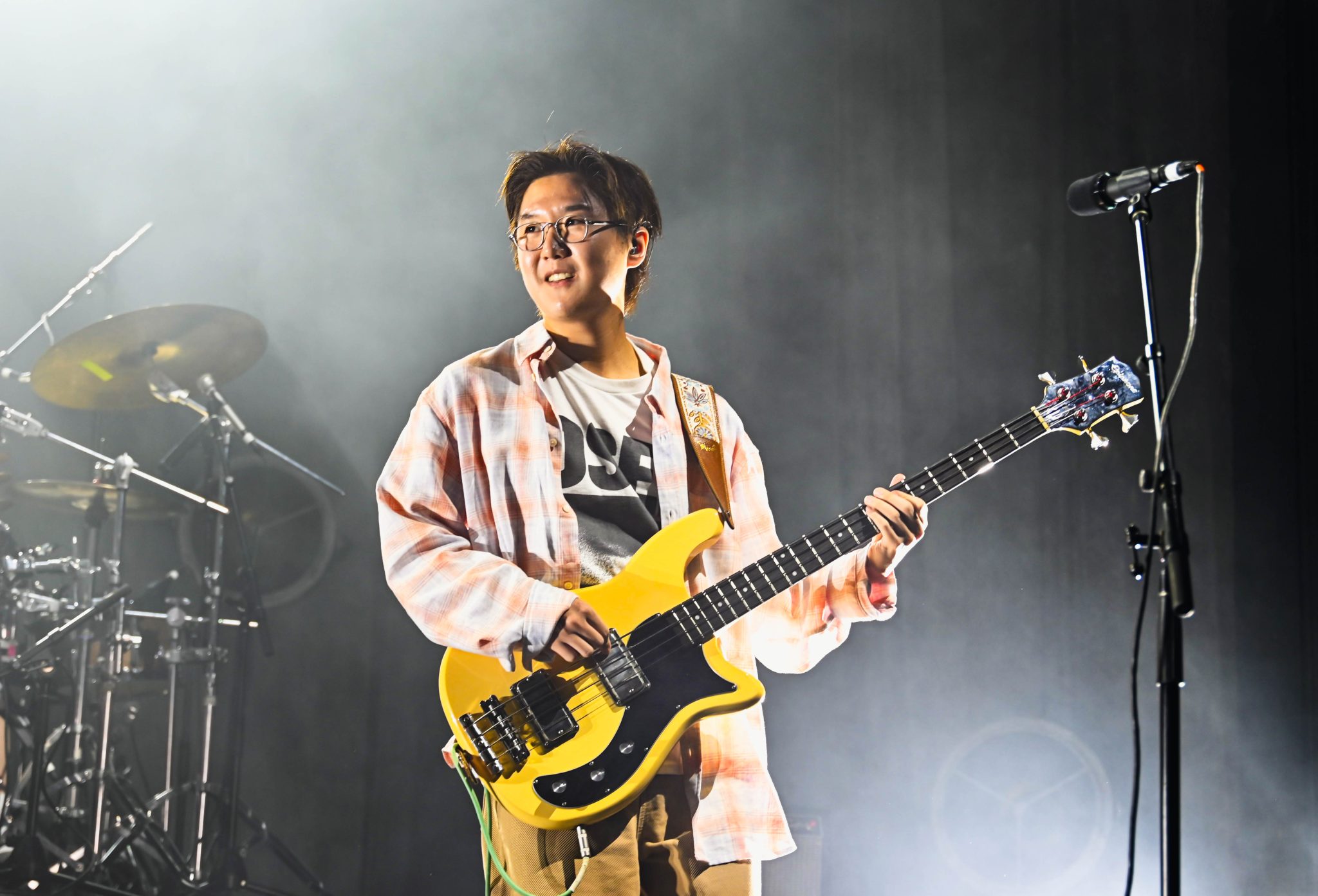
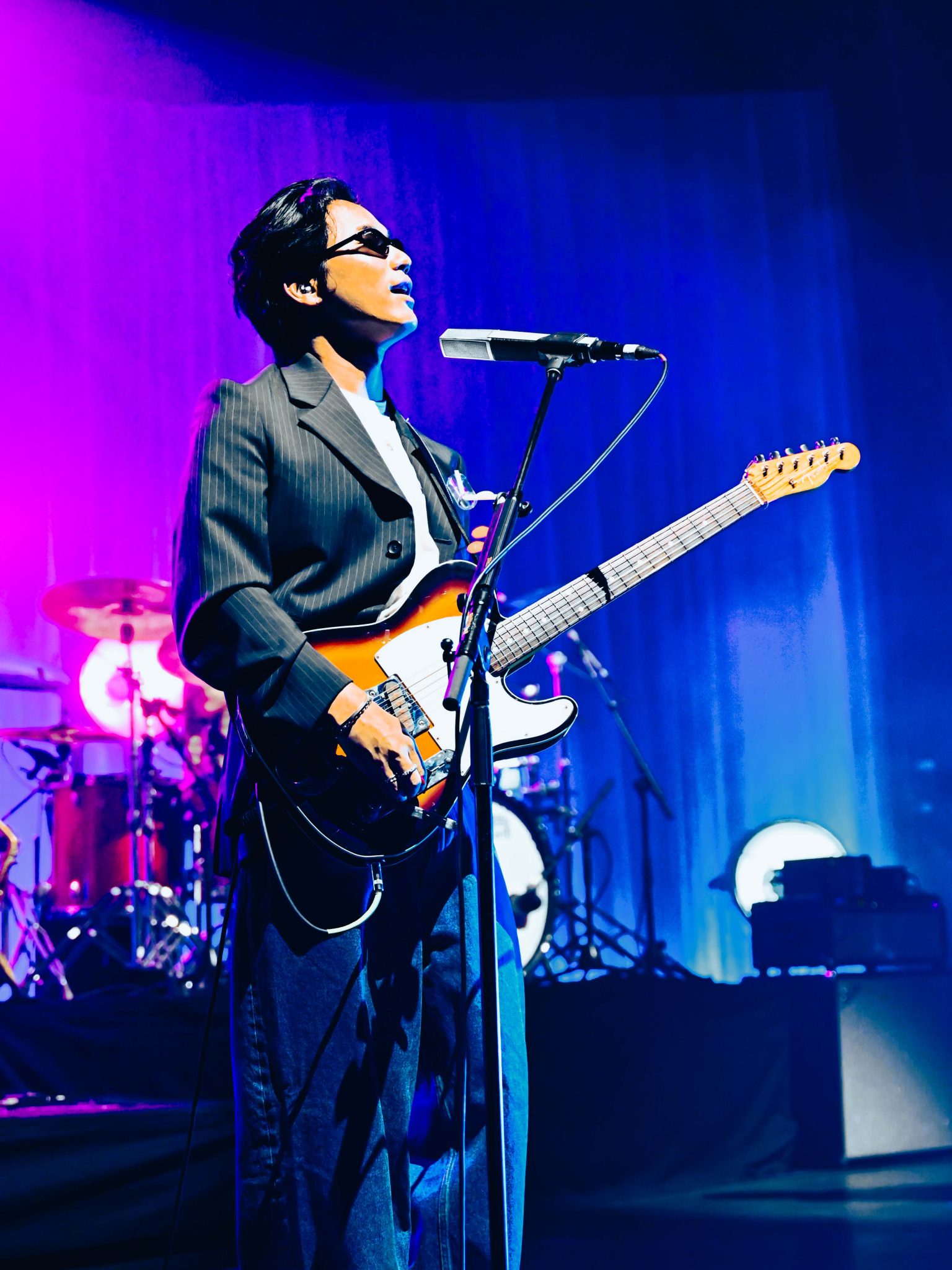
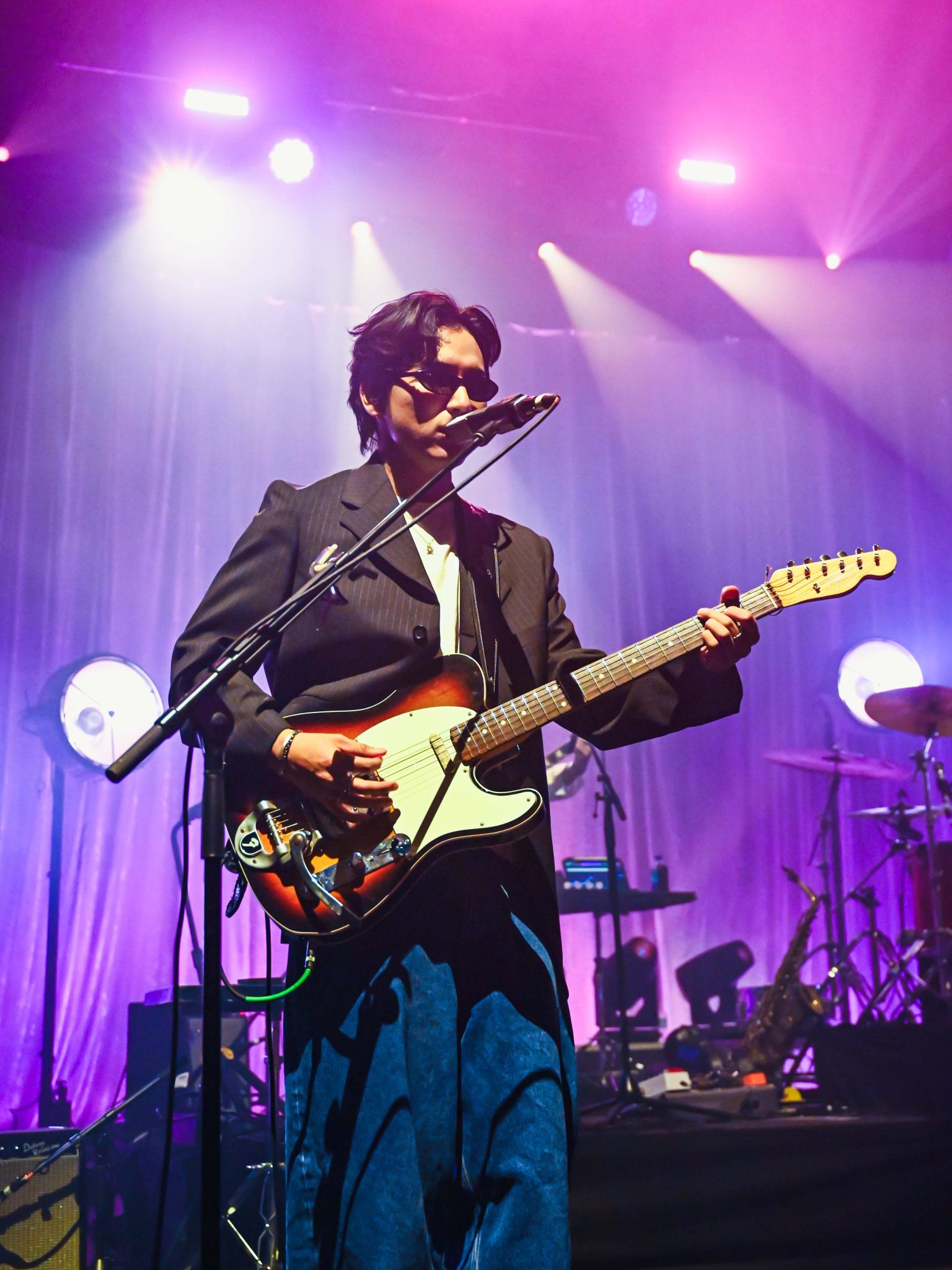
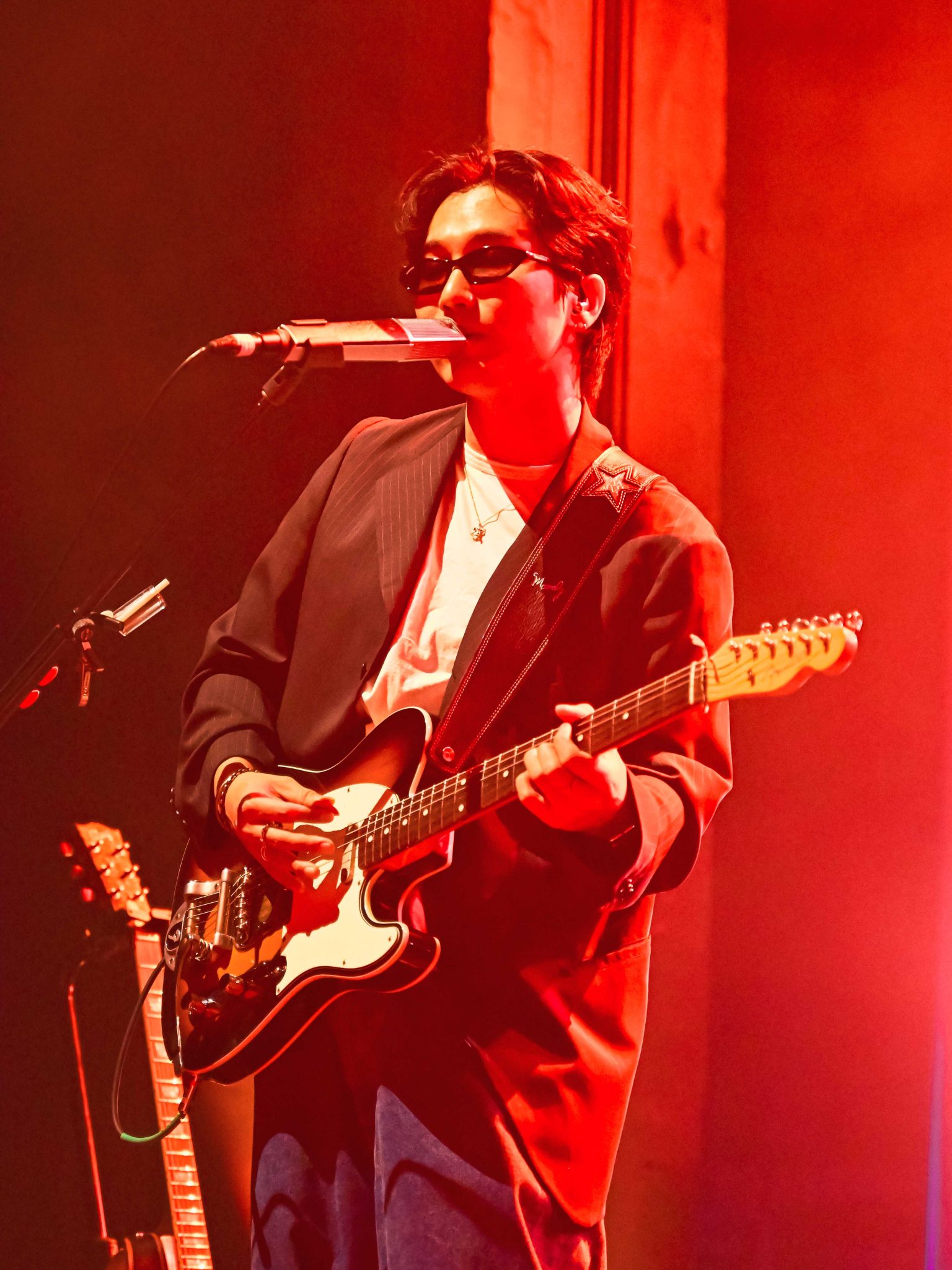
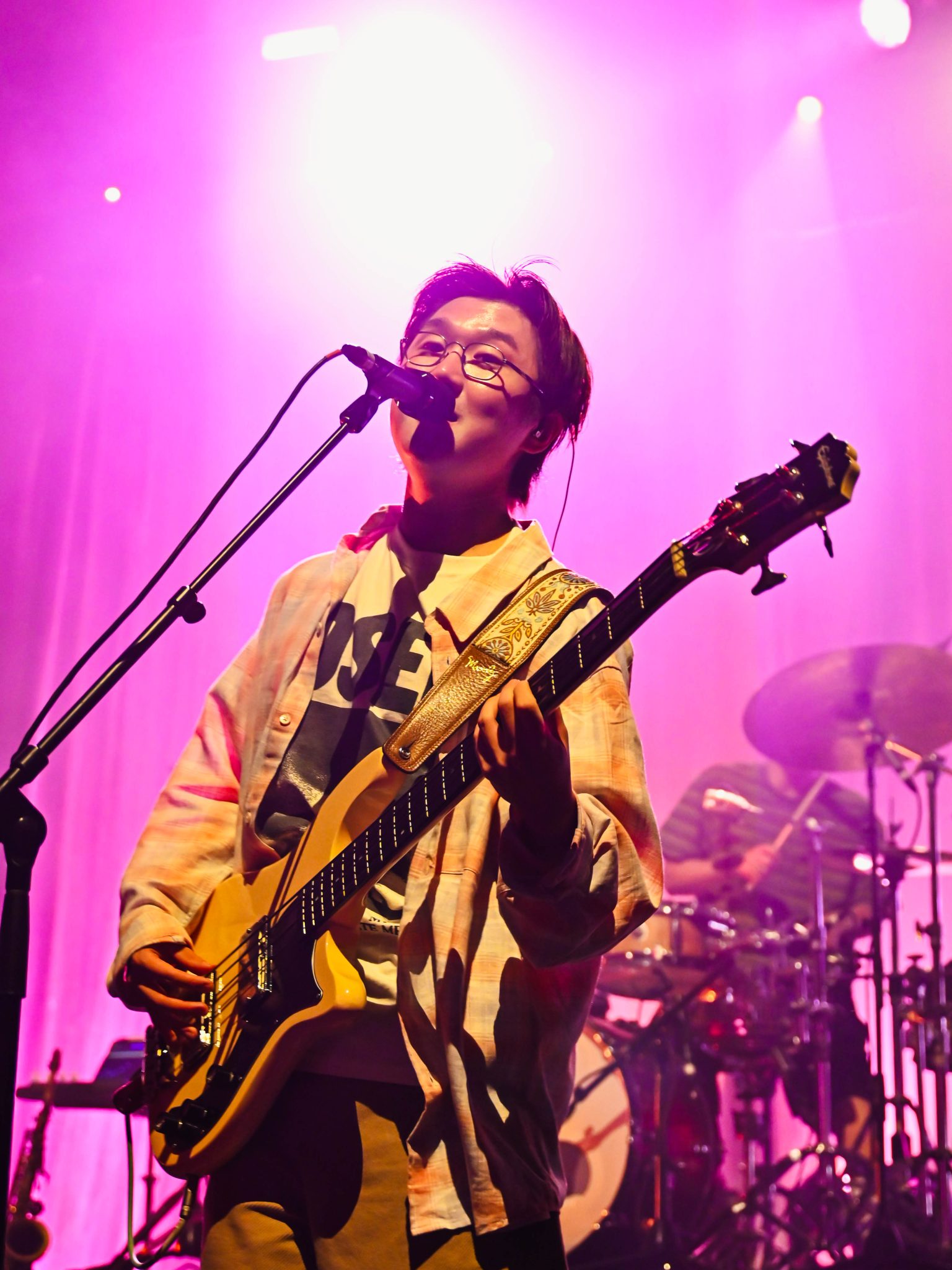
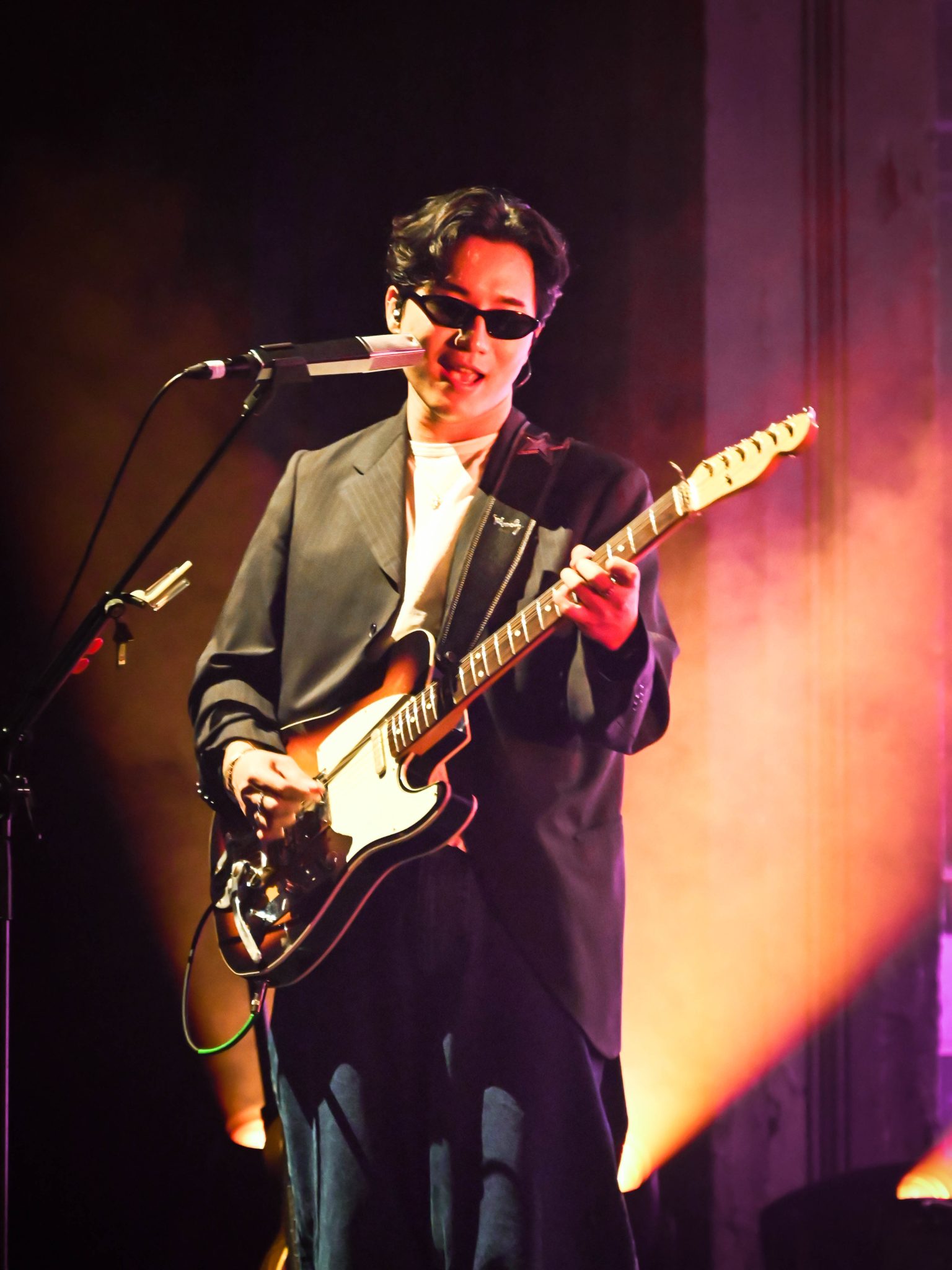
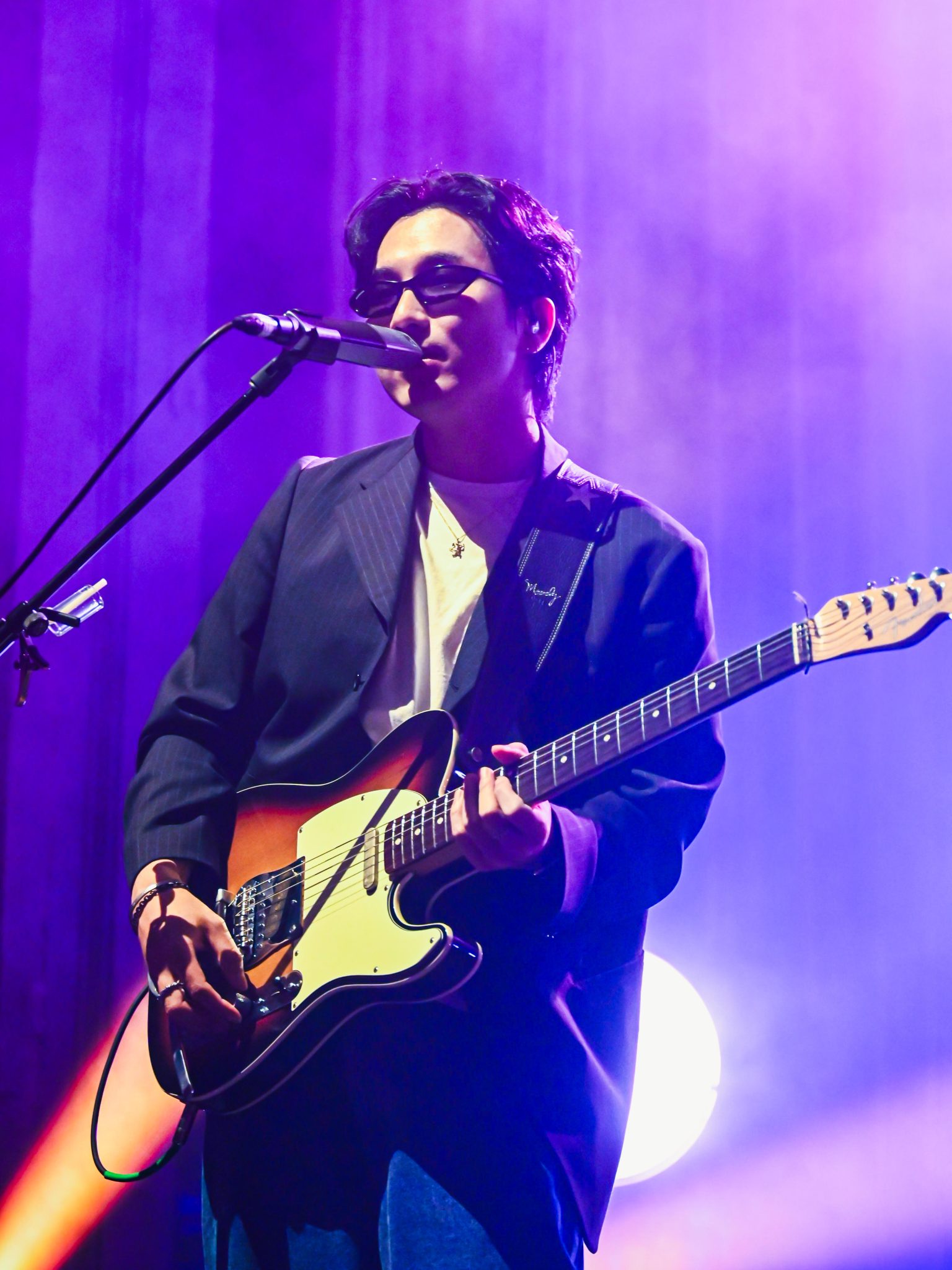
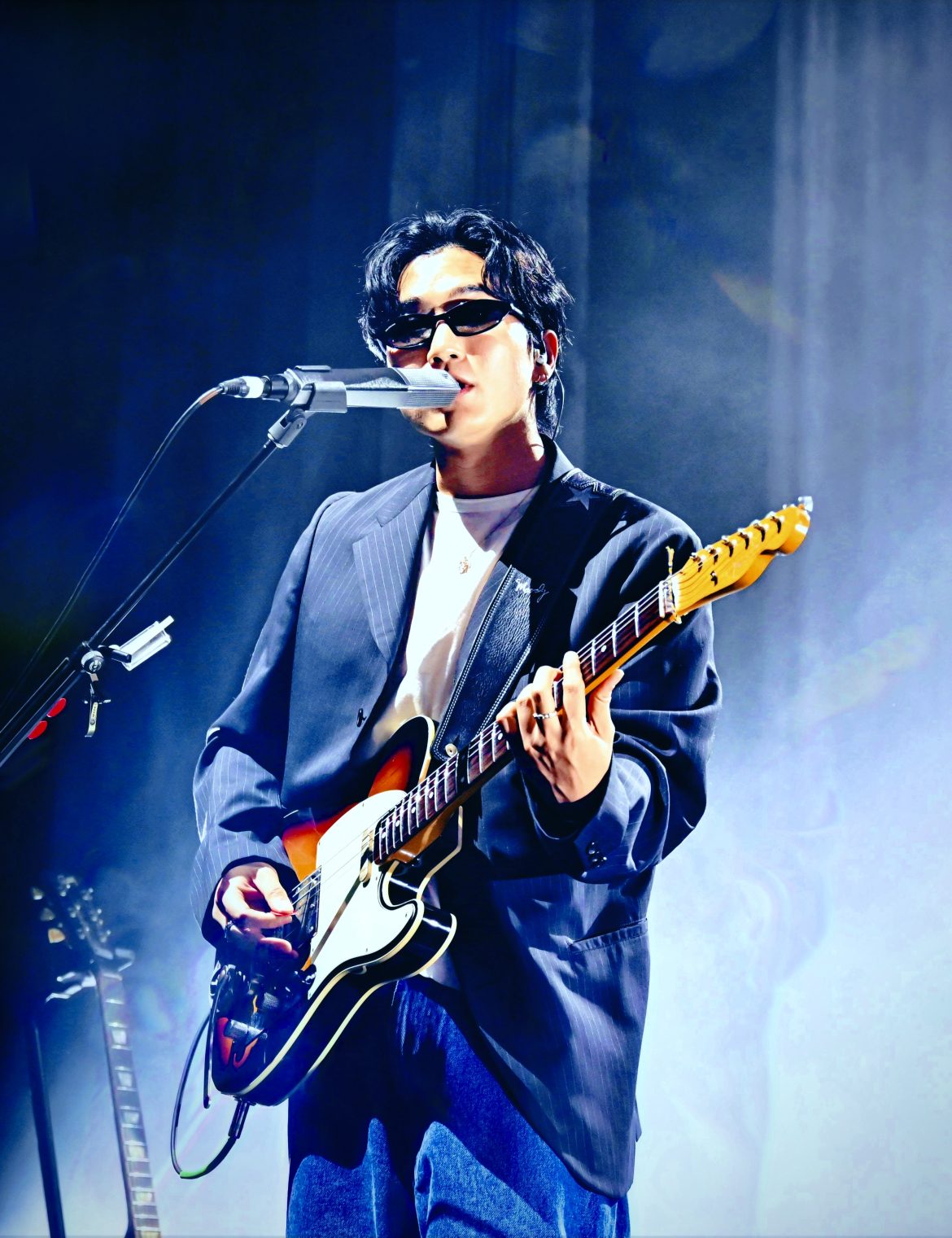
Photography: Jake Harm Nam
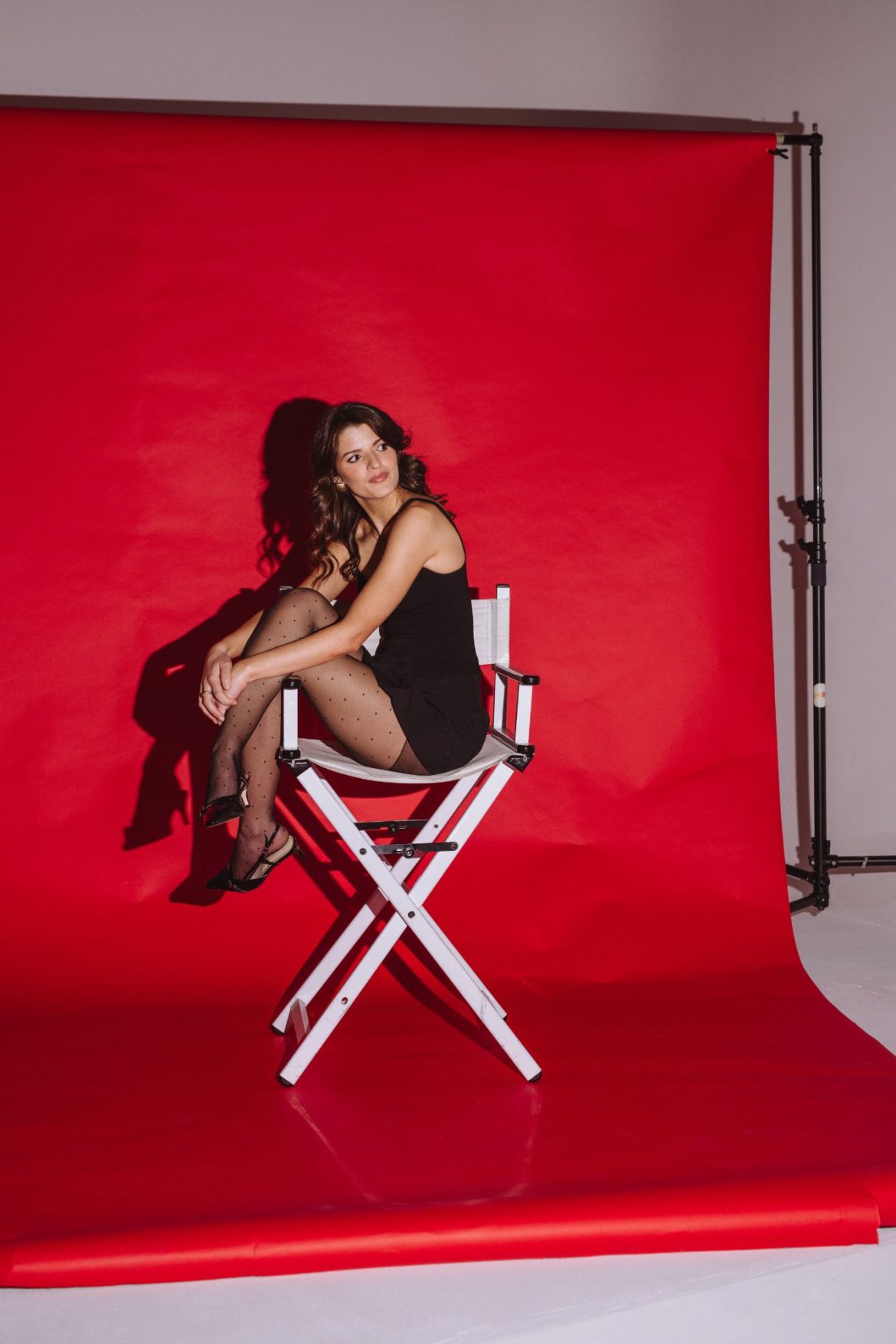
Australian singer/songwriter Sophia Petro returns with a sharp new single, “Better Say”, out 28 November 2025. It’s a track that dives straight into the mess and confusion of modern dating — the crush you can’t quite read, the mixed signals you pretend don’t bother you, and the moment you finally decide you’re done waiting.
Built around tight, punchy production and Petro’s direct, emotionally grounded vocal delivery, Better Say captures that internal tug-of-war between wanting answers and trying to appear unbothered. The song sits right at the point where frustration turns into clarity. As Sophia explains in her press notes, it reflects the moment you stop trying to decode someone else and choose yourself instead.
The track was written solely by Petro and created entirely by a female team, with Melbourne producer Gabrielle Emery shaping the sound and Alex Warren handling the mix and master. The result is clean, confident alt-pop with an emotional hit that lands immediately.
Petro has been steadily carving out a name for herself in Australia’s emerging alt-pop space. Her writing leans into intimacy and honesty, pairing diaristic detail with melodies that burrow in quickly. Her influences — artists like Holly Humberstone, Olivia Rodrigo, and Gracie Abrams — show up not in imitation, but in her ability to make vulnerability feel sharp and direct.
In the last few years, she’s collected a string of early wins: shortlisted in the International Songwriting Competition, second place in the Australian Songwriters Association Annual Contest, and praise across outlets such as Scenestr, Couch Mag, Iggy Magazine and Triple J Unearthed presenters. Her debut EP The 11th Hour also premiered on The Partae and helped solidify her growing reputation.
With Better Say, Petro steps forward with a clearer artistic voice — one that’s honest, self-aware, and unafraid to call things for what they are. It’s an alt-pop release that feels both immediate and quietly powerful, and it shows exactly why she’s quickly becoming one of the most promising new artists in the country.
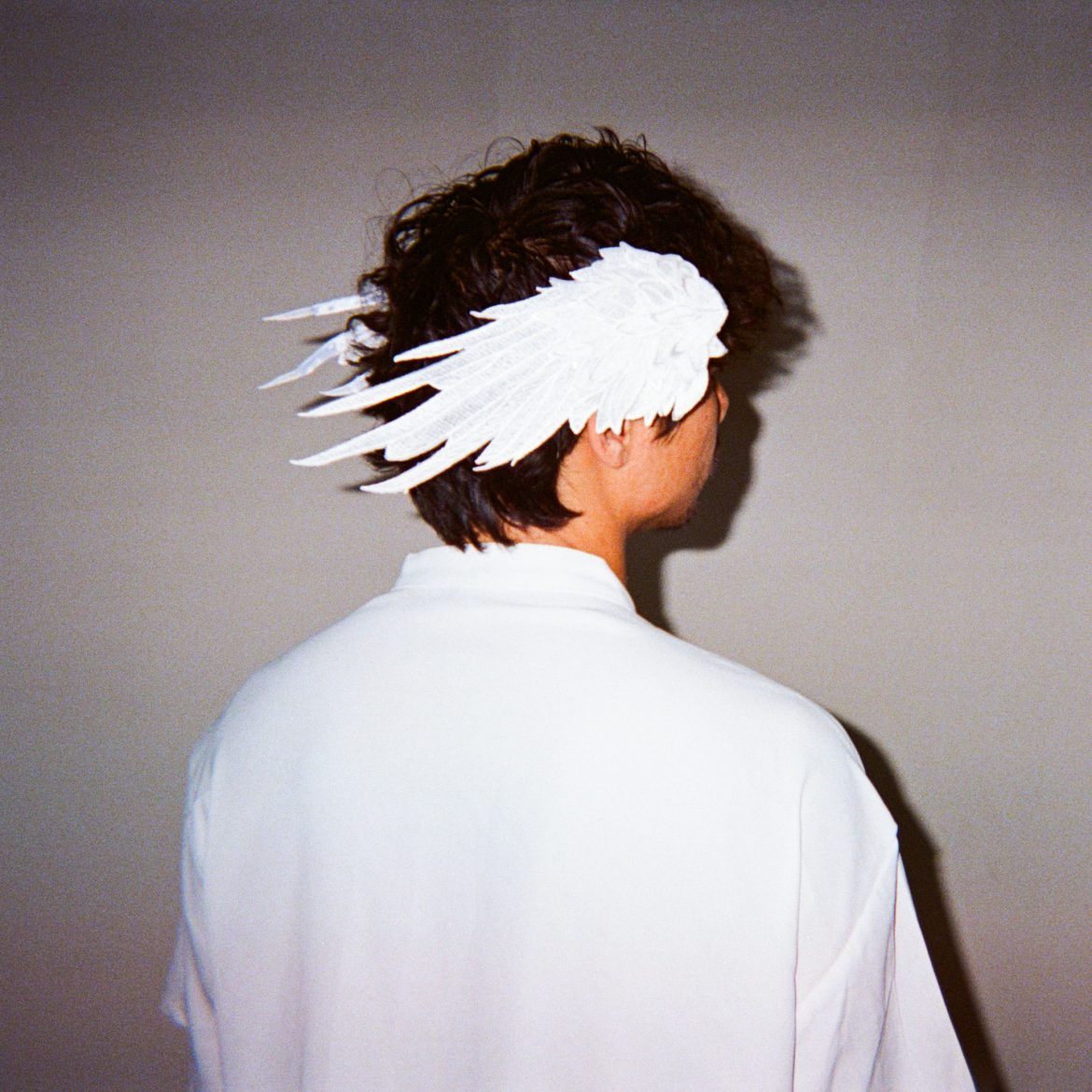
Just last month, Australian producer Arky Waters made a triumphant return with his new single “Holdin’ On”, alongside the announcement of his upcoming debut album which is set for release in early 2026.
He’s coming back to us this week with his latest offering, “Ay Papi”, delivering an energetic, uplifting sound that merges classic synth textures with modern production, as Arky explores the roots of some of his favourite electronic tracks, bringing warmth, character, and a timeless vibe to a contemporary setting.
“I started to visit a lot of analog modelling synths to see where a lot of my favourite older electronic tracks came from. It’s cool seeing how pieces of gear can become so pivotal in so many genre-defining tracks. A lot of the sounds you hear on this track are from moog emulations and the classic korg m1. It’s been really fun merging those classic sounds with modern production techniques. The textures, warmth and character you can get is just undeniable.” ~ Arky Waters
‘Ay Papi’ is out now via Mammal Sounds Records.
Stream:
https://bfan.link/aypapi
Socials:
Credits:
Written & Produced by Arky Waters
Mixed by Doug Wright
Mastered by Suture Mastering
Artwork & Photos by Arky Waters
Visuals by Version Khan
What inspired the emotional direction of Better Say, and when did you realise this song needed to exist?
‘Better Say’ was born from a place of emotional limbo – when you like someone and you’re pretty sure they like you back, but both parties refuse to actually say anything. ‘Better Say’ captures the struggle of pretending to be chill when internally, you’re spiraling. I was noticing how often my friends and I would assume these effortless, nonchalant personas, even when we cared deeply, and that’s when I thought, “okay I want to write a song about this”.
How did the push-and-pull energy of modern dating shape the way you approached the lyrics and delivery?
I think modern dating is basically a masterclass in ambiguity. Everyone’s trying to act casual, play mind games and ultimately, avoid saying the wrong thing and appearing too interested. That’s exactly why I chose to sarcastically open the song with “I am casual, I’m non-committal… I don’t have needs, don’t have expectations”. It’s the persona so many of us put on in the dating scene, this performance of being impenetrable and unbothered whilst we’re secretly hoping this person might be our happily-ever-after.
You wrote this track entirely on your own — what was happening in your life creatively or personally that fed into the writing process?
I wrote ‘Better Say’ after I found myself back in the dating scene. I realised I’d been shrinking my needs to seem cooler and more laid-back, and writing the song really forced me to confront that. I had a lot of fun exploring the juxtaposition between my internal and external personas – the version of me that acts chill and unfazed, and the version that actually cares a lot. I really lent into that contrast, and here we are!
Working with Gabrielle Emery and an all-female production team adds a strong layer of meaning to the track. What made that collaboration feel right for this release?
‘Better Say’ is primarily about speaking up for yourself and clearly outlining your expectations, so working with women who really understood that feeling was special. Gabrielle Emery isn’t just a brilliant producer, she’s also a great friend. I always feel so comfortable with her, like I can completely unleash and leave everything on the table, and we have so much fun creating together.
We really leaned into the chaos of an internal spiral, and having such an encouraging space is exactly why things like the last-minute intro “well, he took four hours to text me back, what do you think that means?” made it into the song. That moment came out of us laughing and oversharing stories about the trials and tribulations of modern day dating. Honestly, I just had the best time.
Your music often feels like a diary entry that hits hard. How do you walk the line between vulnerability and empowerment in your songwriting?
I think I’ve realised that pretending you’re fine is actually the opposite of empowerment. It might sound cliché, but being vulnerable and naming how you feel can be incredibly difficult and takes a lot of strength. When I write, I try to sit with my emotions long enough to understand them and then shape them into something listeners hopefully recognise in themselves. That’s why I knew I wanted to release ‘Better Say’, because it’s about finally telling the truth and asking for the clarity you deserve.
Better Say has a very punchy, confident tone. Was there a moment in the studio when the sound locked in and you knew you’d nailed it?
I think the moment it clicked was when we nailed the final vocals. We really wanted to capture the chaos of that internal versus external battle, and I’m so happy with how they turned out. One moment that stands out is when we were literally jumping around the studio screaming “I don’t care!!!” for the group vocals before the second chorus. The second I heard that back, I knew we’d hit the nail on the head.
You’ve been compared to artists like Holly Humberstone and Olivia Rodrigo, but you also have a very distinct voice. Where do you feel your sound sits right now?
I like to think I sit in this pocket between soft-spoken vulnerability and sharp, witty storytelling. I love writing from a really emotional, introspective place, but I also want the choruses to pack a punch. Holly Humberstone and Olivia Rodrigo do that so beautifully – their emotional precision is something I really admire and draw inspiration from.
You’ve had some huge early milestones — songwriting comps, radio play, strong media support. How have those experiences shaped the artist you’re becoming?
For a long time, I treated music like a secret passion, but things like media support, radio play, and competition recognition helped me realise that people genuinely connect with what I’m making. That’s been really motivating. I think we often feel like we’re alone in what we’re feeling or going through, so having people respond to my music and see themselves in it means everything to me.
What do you hope listeners feel when they hear Better Say for the first time?
I hope it makes listeners think, “I’m done with mixed signals and hot and cold behaviour! I do deserve clarity!” That’s the energy I’m embracing right now – either show up clearly and honestly, or not at all.
As you move toward your next chapter, what can fans expect from the music you’re creating after this release?
I think I’m exploring themes that feel central to your early to mid-twenties – identity, self-worth, discomfort, relationships, and the emotional intersections between them all. I’ve been doing a lot of self-reflection, and I think that’s really evident in the music. Sonically, it feels bolder, but it still carries that intimate, diary-like storytelling.
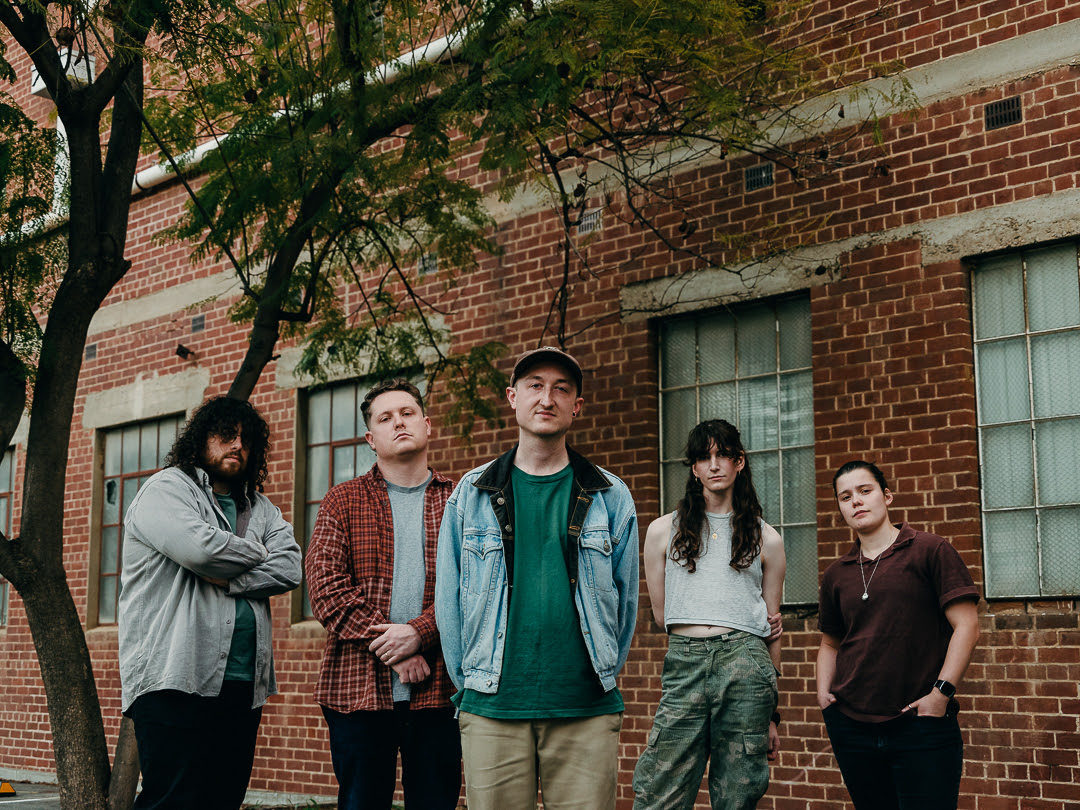
What headspace were you all in when “No Reason At All” first began to take shape, and how did those early ideas evolve into the final version?
I was feeling fairly existential when I started writing the chorus. The lyric “I hope I feel like this for no reason at all” was floating around in my head and was included in a couple of different demos before being fleshed out into the song it is now.
The song speaks to a kind of generational fatigue and existential doubt. How much of that came from your own experiences over the past five years?
I think most people experience some kind of malaise in their mid-late 20s. Going through a global pandemic framed that period of my life in a really interesting way. When you couple that with the current state of the world, socially and politically, I’d be surprised to find anyone who’s not slightly fatigued.
Max mentioned that action is the ideal response to the state of the world, even when despair feels easier. How did that emotional tug-of-war influence the writing and performance?
I’m not as much of an activist as I wish I was and certainly not as much as some of my friends (who I respect a lot). Some of that probably comes from fear but I also tend to see the world through the lens of music. This song is my best attempt at capturing how I respond to the world around me.
The track has that nostalgic pop-punk energy but still feels grounded in something real and current. How did you find the balance between familiar influences and your own voice?
There’s a few subtle nods in this track to bands we love like Motion City Soundtrack, Hot Mulligan and The Story So Far. All of those bands have such unique sounds that we could never even try to imitate them. I’m fascinated by the idea of pairing elements of pop-punk with other sounds to try and create something that’s both fresh and familiar.
Lachy Pitcher came on board for production. What did he bring out of you that wasn’t there before?
Lachy has one of the best sets of ears in Australian music and he’s a huge asset to our sound. He and I tend to think the same way about music so collaborating in the studio is always really seamless and enjoyable. He’s basically a secret member of the band at this point.
The music video adds a cinematic layer to the song’s themes, especially with the imagery of the burning couch. What was the initial concept behind the clip, and how did it come to life?
We worked with the director Pete Williams on his film The Last Grind (out now on SBS On Demand and Apple TV). He and cinematographer Johanis Lyons-Reid did a tremendous job of capturing the messaging of this track for the music video. Pete’s concept of the burning couch is quite a resonant way of representing the struggle faced by many Australians to keep a roof over their head and stay afloat.
Your jazz backgrounds at the Elder Conservatorium plays into your songwriting in subtle ways. How does that training shape the textures or structures you lean toward in Superdose Gangway?
What I love about jazz is the way that musicians keep finding unique ways of interpreting familiar pieces of music. We try to do that when we pick a cover for our live set. For years, we used to do a punk version of Hollaback Girl which worked out great. To me, jazz music (and all music) is freedom of expression. Everything that Superdose Gangway does tends to follow that mantra.
You’ve experimented with unusual release approaches in the past, did that early hustle play a part in this release? Has it made it easier to connect creatively/write music together?
We did a project called ‘26 Songs in 2016’ which involved releasing a new song every fortnight for a whole year. Each song title started with a different letter of the alphabet and we tried to learn something new or do something different with every song. The biggest lesson we learnt from that process is never to be married to an idea. Everything is a placeholder until the song is released!
The new single captures a sense of tension and uncertainty that feels very of this moment. What do you hope listeners take away from it when they first hear it?
I hope this track helps people feel a little bit less alone and encourages people to be even kinder to those around them. I’d be happy with any result like that.
You’ve shared stages with an incredibly diverse group of bands over the years. How have those experiences influenced the direction of this single and where you see Superdose Gangway heading next?
Next year, we’ll be celebrating 10 years of being a band. We’ve played with so many incredible bands, toured some amazing parts of Australia, released heaps of music and had so much fun doing it. We’ve been pretty quiet for the past year or so but I’m looking forward to our 10th year as a band being a big one, hope to see you at a show!

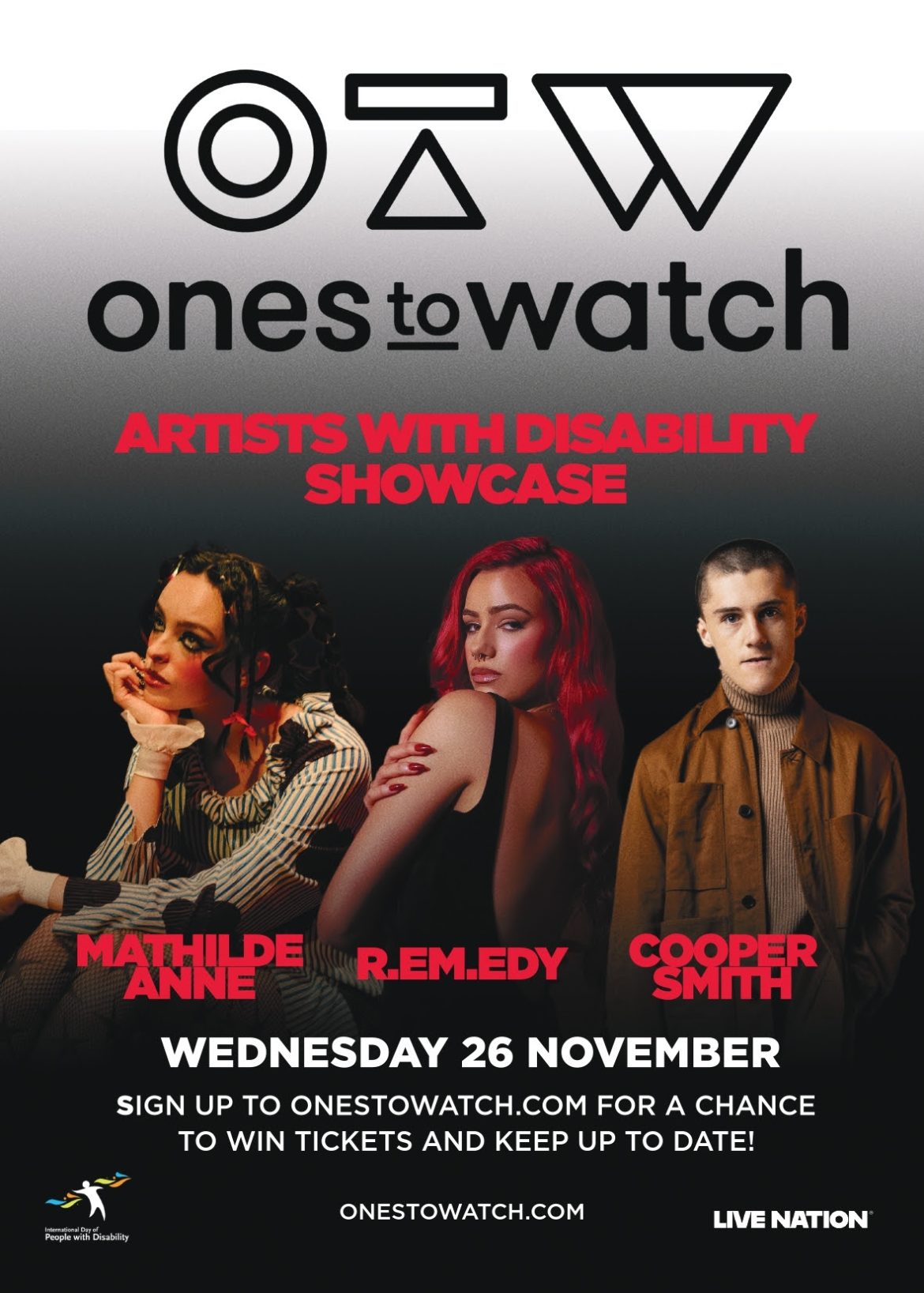
When you started curating this lineup, what first connected you to Mathilde Anne, R.EM.EDY and Cooper Smith? What did you see in each of them that made you feel, yes, these are the voices we need in the room?
They are all incredible artists, I love their music. Mathilde Anne has this ethereal, intimate way of writing that feels like she’s letting you into her internal world, my favourite song of hers is ‘Haunt You When I’m gone’- it’s rare to find an artist who can make vulnerability feel powerful. R.EM.EDY is a force; she shapeshifts through genres with such confidence, and she uses her music to speak boldly about identity and disability. I first saw her perform at BIGSOUND and she was incredible! Cooper Smith brings an electricity and joy that’s completely infectious – he refuses to fit into anyone’s expectation of what a DJ “should” be, and it’s been incredible to see him write original music. I first saw him perform at ABILITY Fest.
Putting this event together must have involved a lot of instinct as well as intention. What were the qualities or stories you were determined to spotlight within the disabled artist community?
I wanted voices that were unapologetically themselves. Artists who are pushing against the grain musically, but who are also shifting the culture about what it means to be a disabled musician. They’re all incredibly talented, hardworking musicians. I also wanted to make sure I showed a cross section of styles and different disabilities.
Your own experiences as an artist with disability are woven into everything you do. How did that perspective influence the way you approached shaping this night?
My lived experience was at the heart of every decision. I know what it feels like to be the only disabled person at a gig, or to arrive at a venue and realise it hasn’t been considered whether you can access the stage. I didn’t want any artist on this lineup to feel that way. So, I curated the night with the same care I wish I had been given earlier in my career – making sure the environment is safe, the team is supportive, and the artists feel uplifted rather than tokenised. It’s about building the kind of industry I want the next generation to inherit.
ONES TO WATCH has a reputation for picking the artists who will shape the next wave. What did you want this particular edition to say about where the industry is heading – or where it needs to go?
I wanted this edition to say, loudly, that disabled artists are not a footnote in Australian music – we’re part of the future. It’s incredibly exciting that Live Nation have decided to take this step and champion this night, I think it’s exciting and a sign of the times. The industry is realising that inclusivity isn’t an add-on; it’s essential if we want a scene that reflects the real world. The next wave of music in Australia isn’t defined by one sound – it’s defined by perspective, authenticity and diversity of thought. These artists represent exactly that.
You’ve been vocal about the barriers that still exist in this space. From your point of view, what changes feel genuinely urgent if disabled artists are going to be supported properly in this country?
Accessibility is still the biggest barrier – physical spaces, schedules, expectations, and the assumptions people make before we even start performing. We need venues, festivals and studios designed with disabled people in mind, not retrofitted as a last minute thought. And we need meaningful representation: disabled artists on festival line ups, on radio, in writer’s rooms, at award nights. It’s also crucial that funding and professional development opportunities account for the realities of disability.
The three artists on this bill all occupy completely different sonic worlds. How deliberate was it to bring that range of genres and identities together on one stage?
Very deliberate. I wanted to show that disabled artists are not one genre, one narrative, or one aesthetic. We are as varied and expansive as any other group of artists. By bringing together pop, R&B, soul, electronic and indie energy on one stage, I’m hoping audiences feel that. It’s important to challenge the narrow ideas people often have about disability – including how our music “should” sound. There’s no singular disabled artist experience, and this lineup makes that undeniable.
When you look back on the curation process, was there a moment that made you stop and think, this is exactly why this event needs to exist?
I think just seeing how excited the artists are, that Live Nation have thought about including them in a line up like this! Hearing this from the artists reminded me that visibility can be transformative when it’s done right. That was the moment I thought: this is why we’re doing this – so disabled artists can feel celebrated and amplified, not sidelined.
You’re hosting the night and closing it with your own performance. What does sharing the stage with these artists mean to you right now, both personally and creatively?
I feel like I’m standing alongside artists who truly get what it means to navigate this industry differently, but who also refuse to let that limit their artistic ambition. Personally, it feels like being part of a community I’ve always wished existed when I was starting out. Sharing the stage with them feels like a full-circle moment.
You worked closely with Live Nation to bring this together. How did that partnership help you realise what you wanted this event to stand for?
Live Nation genuinely listened. They didn’t just want to put on a show; they wanted to build something meaningful with me. They trusted my vision and let me lead with my lived experience, and they backed that up with real support – from resourcing to accessibility considerations. That kind of collaboration allowed the event to become what it needed to be: not a token moment, but a night that creates actual pathways for disabled artists.
Because the event aligns with the International Day of People with Disabilities, it carries a weight beyond a normal showcase. What conversations do you hope this night sparks – not just in the room, but across the industry in the months ahead?
I hope it sparks conversations about what genuine inclusion looks like – not the glossy version, but the real, everyday work of uplifting disabled artists. I want people to think about who’s missing from their lineups, their writer’s rooms, their playlists and why. And I hope this night inspires more events, partnerships and opportunities that centre disabled artists. If the ripple effect is that more disabled musicians feel seen and supported, then we’ve done something meaningful.
HOSTED BY ELIZA HULL
FEATURING MATHILDE ANNE, R.EM.EDY AND COOPER SMITH
Continuing to redefine their status as one of the premier live music discovery platforms in the country, Live Nation’s ONES TO WATCH series today announces their final edition for 2025:
an event held in Melbourne on Wednesday 26 November, to coincide with
International Day of People with Disabilities (IDPWD) – observed on Wednesday 3 December.
ABOUT ONES TO WATCH:
The ONES TO WATCH series has made a solid impact within the Australian music community. In Australia since 2021, the series has been serving industry and fans exclusive opportunities to see some of the country’s best new talent perform in intimate environments across Melbourne, Sydney, Darwin, Brisbane and Byron Bay, highlighting the current wave of artists primed to make their impact in other markets.
Since its establishment in North America, the ONES TO WATCH series has been able to support and promote artists such as Dua Lipa, Olivia Rodrigo and Halsey early in their careers. So far in Australia, ONES TO WATCH has platformed artists including Salty, Lotte Gallagher, Fletcher Kent, Chanel Loren, J-MILLA, Georgia Lines, Ishan, Adrian Dzvuke, Phebe Starr, J.Tajor, Yung Milla, Juran, Blake Rose, Sophisticated Dingo, STUMPS, Forest Claudette, Teenage Joans, Carla Wehbe, ZPLUTO, WIIGZ, Hoodzy, East AV3, Colourblind, Saint Lane, Say Sue Me, Cifika, Sion, Wah Wah Wah, Ullah, Ghost Care, Mariae Cassandra, Loren Ryan, Dem Mob, Rox Lavi, Dobby, and Lewis Love at events around the country.
LIVE NATION AUSTRALIA: Official Website | Facebook | Twitter | Instagram

|
|
|
|
|
|
|
|
|
|
|
||||||
|
|
|
|
|
|
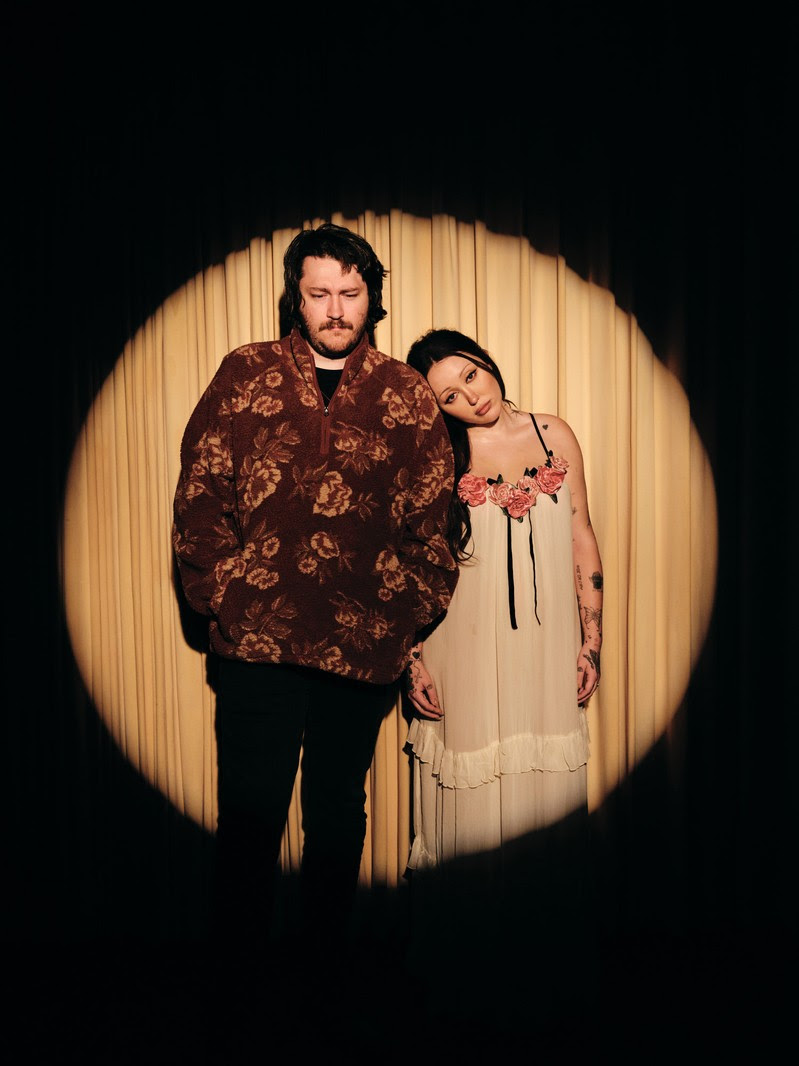
Acclaimed singer, songwriter, and producer Braison Cyrus has released his new single “As Long As You’ll Stay,” featuring backing vocals from his sister, Grammy-nominated artist Noah Cyrus, available now across all major music streaming platforms.
“As Long As You’ll Stay” radiates with upbeat warmth from its opening notes, driven by Braison’s grounded and sincere lead vocal. Noah’s harmonies add emotional depth and a rich, atmospheric undertone, elevating the track into a vibrant and modern indie-folk offering. With its memorable melodies, organic instrumentation, and tight, dynamic production, the single builds into a lively, driving groove that is both effortlessly catchy and deeply heartfelt. Blending their distinct voices, the siblings craft a nostalgic yet contemporary ballad that continues to underscore Braison’s growth as a refined performer, songwriter, and producer.
The release marks the first recorded duet between Braison and Noah and follows the momentum of his critically acclaimed September single “Know This,” featuring backing vocals from his sister and global superstar Miley Cyrus. Praised by People Magazine as “a poignant reflection on the different stages of his life,” the track signalled a new creative era for Braison, one that highlights his sharpened lyrical perspective and expanding artistic range.
“As Long As You’ll Stay” serves as the fourth offering from Braison’s forthcoming full-length album, arriving in 2026, following the summer releases “From Now On” and “Here In The Middle” featuring Sierra Lundy, as well as September’s “Know This” featuring Miley. The new project is Braison’s first full-length release since his 2021 narrative-driven psychedelic folk album Javelina and promises bold collaborations, rich storytelling, and a thoughtfully crafted sonic world. Acting as a time capsule of his creative rebirth, the album cements Braison Cyrus as an artist coming into his own – confident, intentional, and unafraid to evolve.
“As Long As You’ll Stay” from Braison Cyrus, featuring Noah Cyrus is available now on all major streaming platforms.
About Braison Cyrus:
Braison Cyrus is a Nashville-based songwriter and producer whose music blends alternative country and modern folk with quiet intensity and lyrical depth. Though raised in a musical family, he came to music on his own terms – first writing and producing for others like Noah Cyrus and Fleet Foxes. His 2018 debut single “I’ll Never Leave You” marked his first solo step, followed by 2021’s Javelina, praised as “an unexpectedly brilliant debut.” His next album arrives in 2026. Self-produced in a small Nashville studio, it features a slew of surprise contributions.
FOLLOW BRAISON CYRUS: |
Instagram | X | YouTube | Spotify | Apple Music |
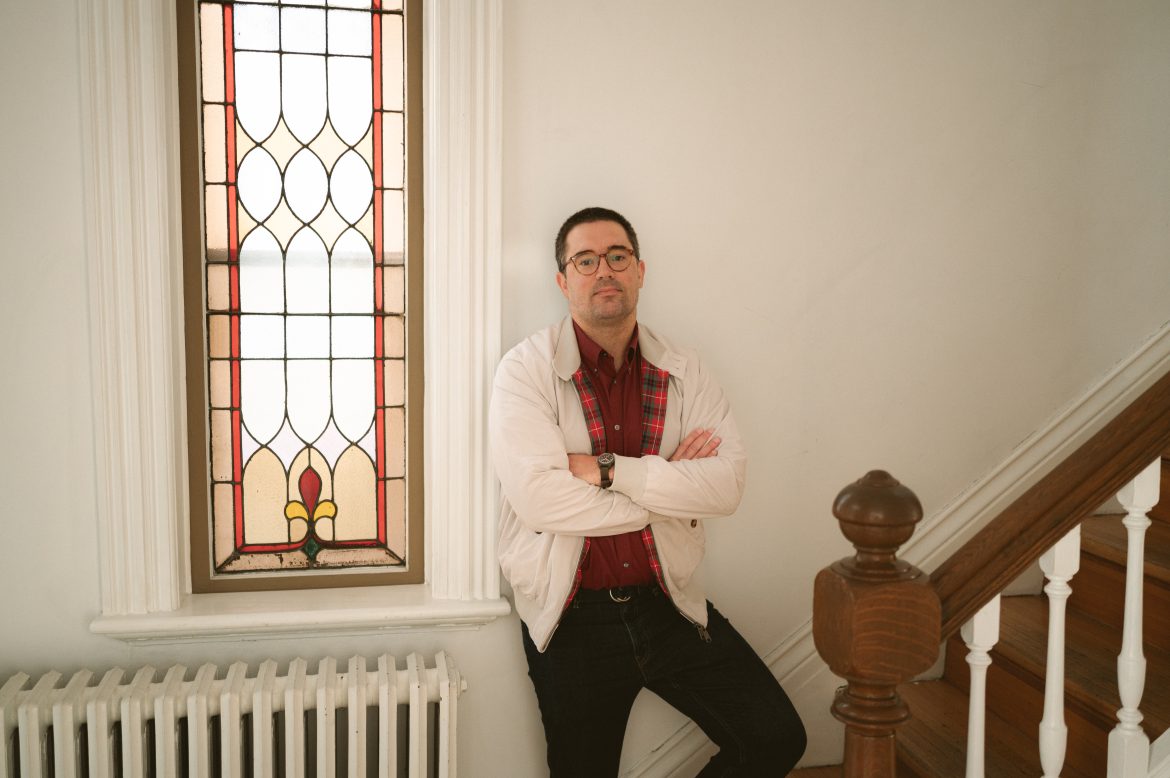
Henry Adam Svec’s newest project, Souwesto Gothic: The Case of the Talbot Trail Boys, marks a striking expansion of his long-running fascination with place, myth, and the cultural imagination of Southwestern Ontario—known locally, thanks to the late artist Greg Curnoe, as “Souwesto.” Drawing on the legacy of Curnoe and other regionalist storytellers such as James Reaney and Eudora Welty, Svec builds his own chapter in this creative lineage through sound, narrative, and performance. The six-part scripted podcast—just under three hours in total—follows a folklorist and song collector, played by Svec, who stumbles upon a mysterious 1993 alt-country album by a forgotten band called The Talbot Trail Boys at a yard sale near St. Thomas, Ontario. What begins as a simple investigation into the record’s origins evolves into a genre-bending blend of true-crime audio, musical biography, and rural noir. Recorded on location and featuring a stacked ensemble of actors and musicians including Misha Bower, WL Altman, Jonas Bonetta, Ron Leary, Evan Brodie, Erin Brandenburg, Jenny Berkel, and Nathan Lawr, the production anchors its storytelling in meticulous sound design, original music, and a sharply rendered sense of place. “I see The Case of the Talbot Trail Boys as only season one of Souwesto Gothic,” Svec says. “I’ve got several more stories in development—each set in and around Southwestern Ontario, each a mystery only a folklorist can solve.”
The project also extends the trademark mischievousness that has defined much of Svec’s interdisciplinary career. For years, he has played with the boundaries between fact and fabrication, crafting elaborate, multimedia hoaxes that probe how stories gain credibility. In The Boy From ET, he performed as Henry Thomas—the actor from Spielberg’s classic—who had supposedly moved to Canada to pursue songwriting. In The CFL Sessions, he took on the role of a folklorist uncovering lost recordings of 1970s Canadian football players. And in Artificially Intelligent Folk Songs of Canada, he claimed to have created an A.I. capable of generating “authentic” Canadian folk music. These projects, often accompanied by albums, websites, interviews, and even a fictionalized memoir—Life Is Like Canadian Football and Other Authentic Folk Songs (Invisible Publishing, 2021)—regularly fooled audiences and media outlets alike. With Souwesto Gothic, however, Svec chooses to be more transparent about the artifice. “Pulling off a hoax is sort of like doing a magic trick,” he says. “But I imagine many magicians would get tired if everyone just thought they had natural magical abilities.” For Svec, exposing the mechanics doesn’t diminish the wonder; instead, it invites listeners deeper into the performance. And in Souwesto Gothic, that mix of music, mythmaking, and carefully crafted illusion continues to thrive.
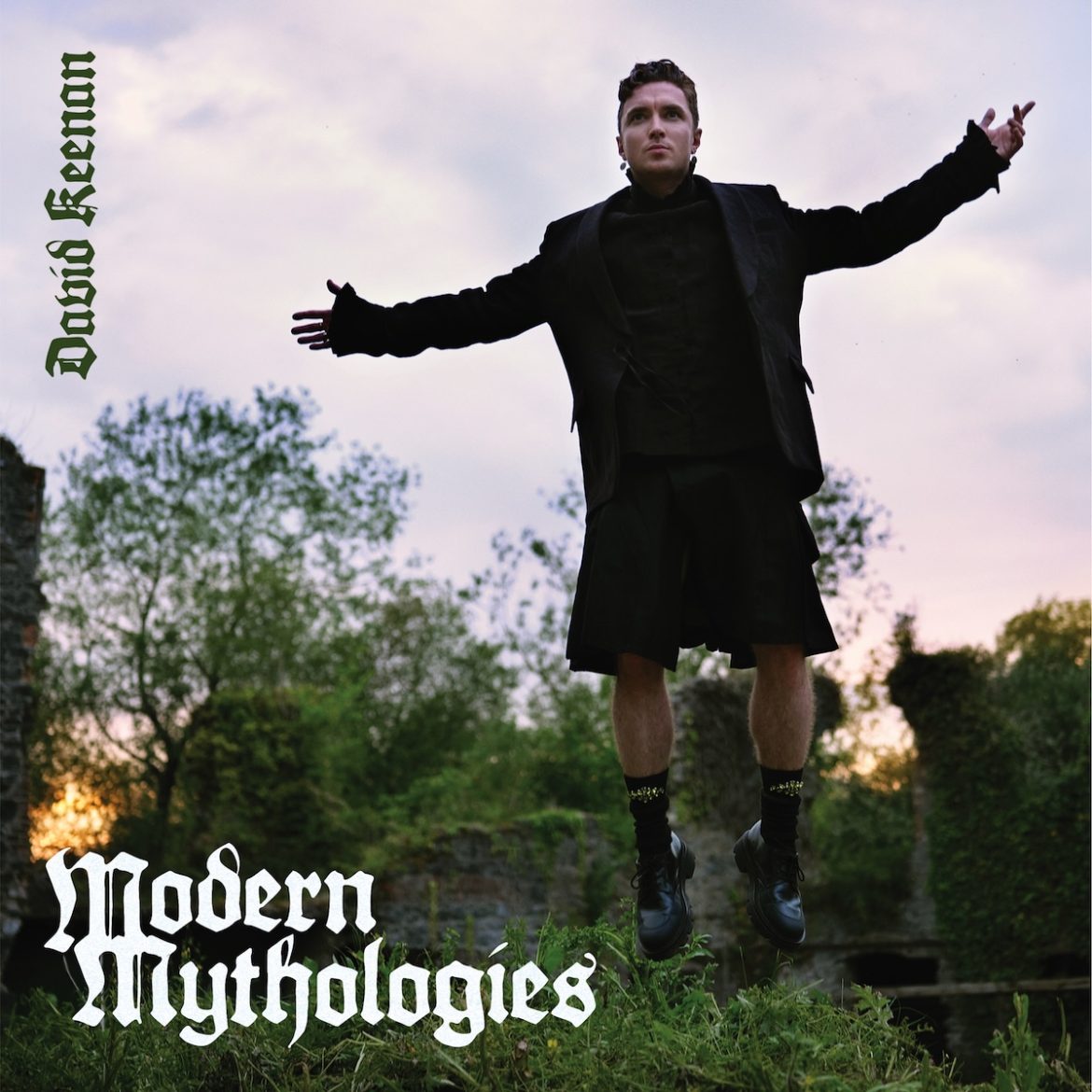
David Keenan returns this with Modern Mythologies, an album that pushes his songwriting further into raw truth, emotional excavation and unfiltered artistic freedom. Out now, the record arrives as Keenan’s boldest creative shift yet — an unguarded portrait of a year marked by rupture, reflection, and reinvention.
Written across a period of intense personal upheaval, Modern Mythologies dissolves the barrier between the poetic and the painfully real. Keenan dives headfirst into grief, reconciliation, self-interrogation, and a renegotiation of what it means to be an artist after everything familiar has fallen away. The result is a collection that feels lived-in and scarred, but also strangely luminous — an album searching for meaning in the small, sacred details of ordinary life.
Keenan describes the project as a reckoning with the “unfolding catastrophe in the inner chamber of my life and the wider world.” His writing is urgent, unvarnished, and cinematic, reflecting an artist who refuses to retreat into metaphor when the truth hurts too much to ignore. Sonically, the record pulls from folk roots, ambient textures, poetic monologues and instinct-driven experimentation, mirroring the chaos and clarity of the period in which it was made.
Across its tracks, Modern Mythologies weaves through questions of faith, loss, ancestry, modern identity, and the paradox of finding yourself by letting go of everything you thought you were. Keenan’s voice — fragile one moment, defiant the next — anchors the album’s shifting emotional terrain.
This is not a return to form; it is a reclamation. Modern Mythologies closes one chapter and opens another, leaving Keenan standing in full creative autonomy as he steps into a new era.
“The canvas is now blank as a new chapter unfolds,” he says. With this album, he paints boldly.
Upcoming tour dates for David Keenan
Tickets avail at https://davidkeenan.com/
2025
• 6 Nov – Irish Film Institute (IFI), Dublin
Address: 6 Eustace Street, Temple Bar, Dublin 2, Ireland.
• 7 Nov – John Lee’s Bar & Venue, Tullamore
Address: Church St., Tullamore, Co. Offaly, R35 Y161, Ireland.
• 15 Nov – The Millhouse, Slane (final show of Chasing Myth tour + Hill of Tara visit)
Address: The Old Mill, Slane, Co. Meath, C15 FFK7, Ireland.
• 21 Nov – The Devonshire Arms Soho, London
Address: 17 Denman Street, Soho, London W1D 7HW, United Kingdom.
• 22 Nov – Rough Trade Denmark Street, London
Address: 24 Denmark Street, London WC2H 8NJ, United Kingdom.
• 26 Nov – Whelan’s / Spindizzy Records (Irish album launch night — live + in-store)
Address: 25 Wexford Street, Dublin 2, Ireland.
2026
• 13 Jan – Waterfront Hall, Belfast – as part of the Your Roots Are Showing / Folk In Fusion conference
Address: 2 Lanyon Place, Belfast BT1 3WH, Northern Ireland. https://www.waterfront.co.uk/what-s-on/folk-in-fusion/
Social Media | Website | IMDB
Instagram @davidkeenanmuso
TikTok @davidkeenanmuso
Facebook @davidkeenansounds
Website www.davidkeenan.com
YouTube / My Documentary trailer: https://youtu.be/FFpSg-EFnPY?si=4nYcc9ctRRJtcJ97
Pre-Save / Order Vinyl:
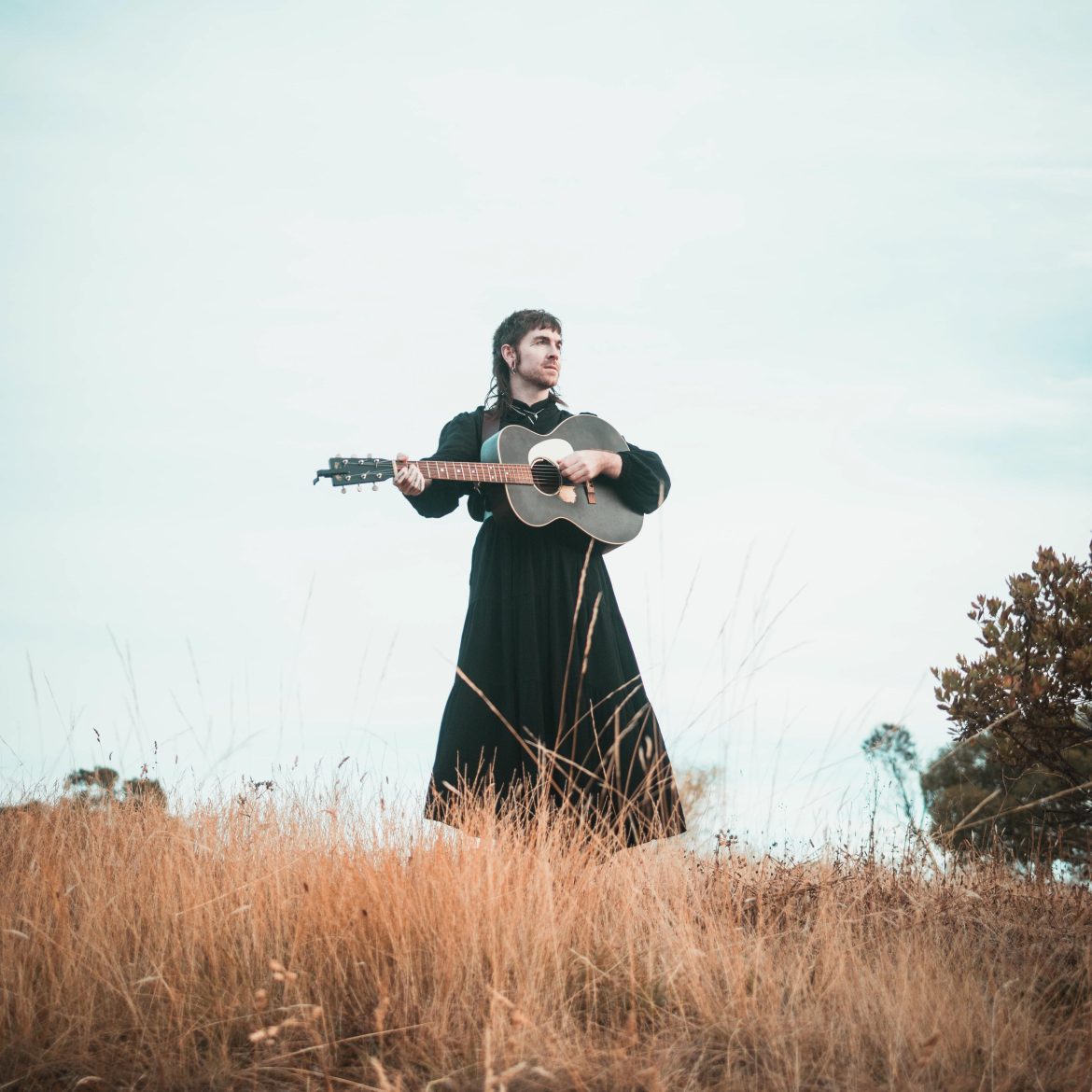
Irish-born, Australia-based artist Eimhin unveils his new single “The Winding Stair”, a moving first glimpse into his upcoming project. Known for navigating the line between defiance and vulnerability, Eimhin once again delivers a piece of work that feels deeply human and unmistakably his own.
“The Winding Stair” traces the end of a relationship through the lens of a journey back to Ireland — a return to the landscapes, ghosts, and memories that shaped him. Recorded at Frying Pan Studios in Tasmania, the track opens the door to a project that explores belonging, heartbreak, and the emotional residue that places carry long after we’ve left them.
Originally shaped by punk, emo, and hardcore shows in Ireland, and inspired by artists like David Bowie and Prince, Eimhin brings an unorthodox, genre-blurring approach to his songwriting. His gender expression, stage presence, and lyrical honesty have positioned him as a powerful new voice in alternative folk — one who challenges cultural norms while retaining a softness that resonates with listeners.
Since settling in Australia, Eimhin has shared stages with Gavin James and Boo Seeka, and has performed headline shows across Europe and Japan, alongside festival and east-coast appearances. Outlets including Happy Mag, Scenestr, AMS, Unearthed, and The Partae have praised his authenticity and ability to bridge emotional storytelling with bold, fluid expression.
“The Winding Stair” marks the beginning of Eimhin’s next chapter — intimate, atmospheric, and grounded in real experience. It’s a striking reminder of why he continues to emerge as one of the most distinctive voices in modern indie and alt-folk.
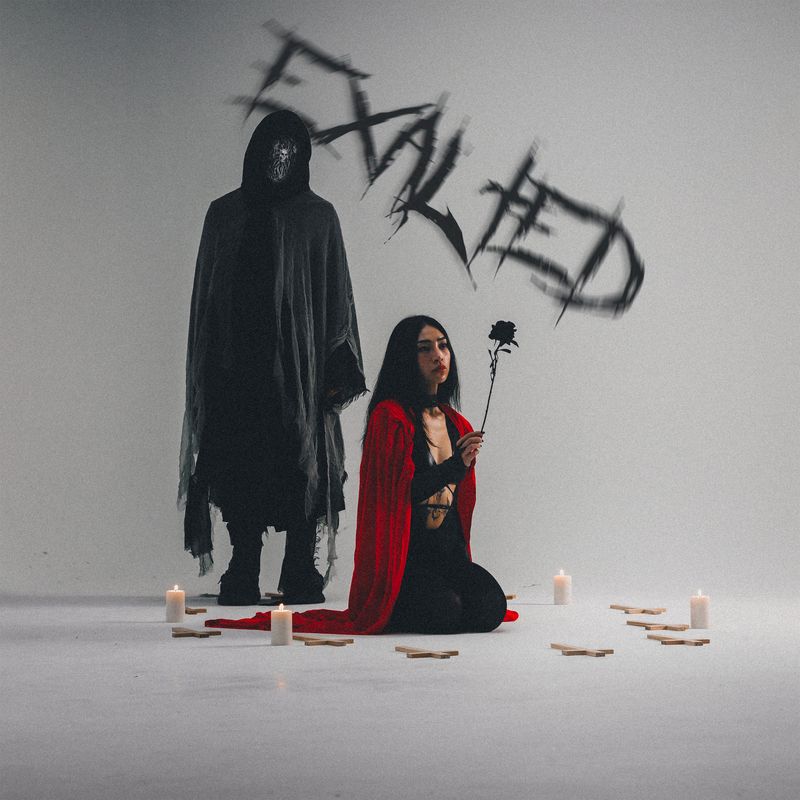
I’m heavily influenced by the Phrygian scale and I like to lean into that quite a bit to tell a story – it keeps the vibe dark and exotic, which I think is where the Monster Machine project is heading! All the vocals in each song can become an anthem, and I wanted to keep that side of the songs simple, so the technical production could really shine. Rage is about feeling powerful, Losing my mind is about desperation, Hopeless is about limerence, and Exalted is about devotion.
Your Friday Mix on Triple J showed another side of your artistic instincts. How did that experience feed into or reflect the world of EXALTED?
I wanted to hero as many of the artists that I’ve been absolutely loving recently, and they all play a huge role in influencing my sound – Hydraulix, Oski, Pao to name a few (bonus – they’re all Aussie!).
I want to tell the world that Monster Machine is here, and here to stay for a while.
The sonic world of EXALTED is heavy, dynamic, and atmospheric. What visual or cinematic inspirations shaped the way you approached these soundscapes?
I’m so incredibly excited to venture further into a few genres I’ve been loving recently – I want to make something high energy and fun with some melodic dubstep, and bouncy bass house. I also want to tie in my cultural roots, and draw inspiration from traditional instruments like the Chinese GuCin or flute. There’s so much more to look forward to in 2026 and I’m keen to show the world more of me.
Stream:
https://msdistro.lnk.to/EXALTED
Socials:
https://linktr.ee/monstermachine
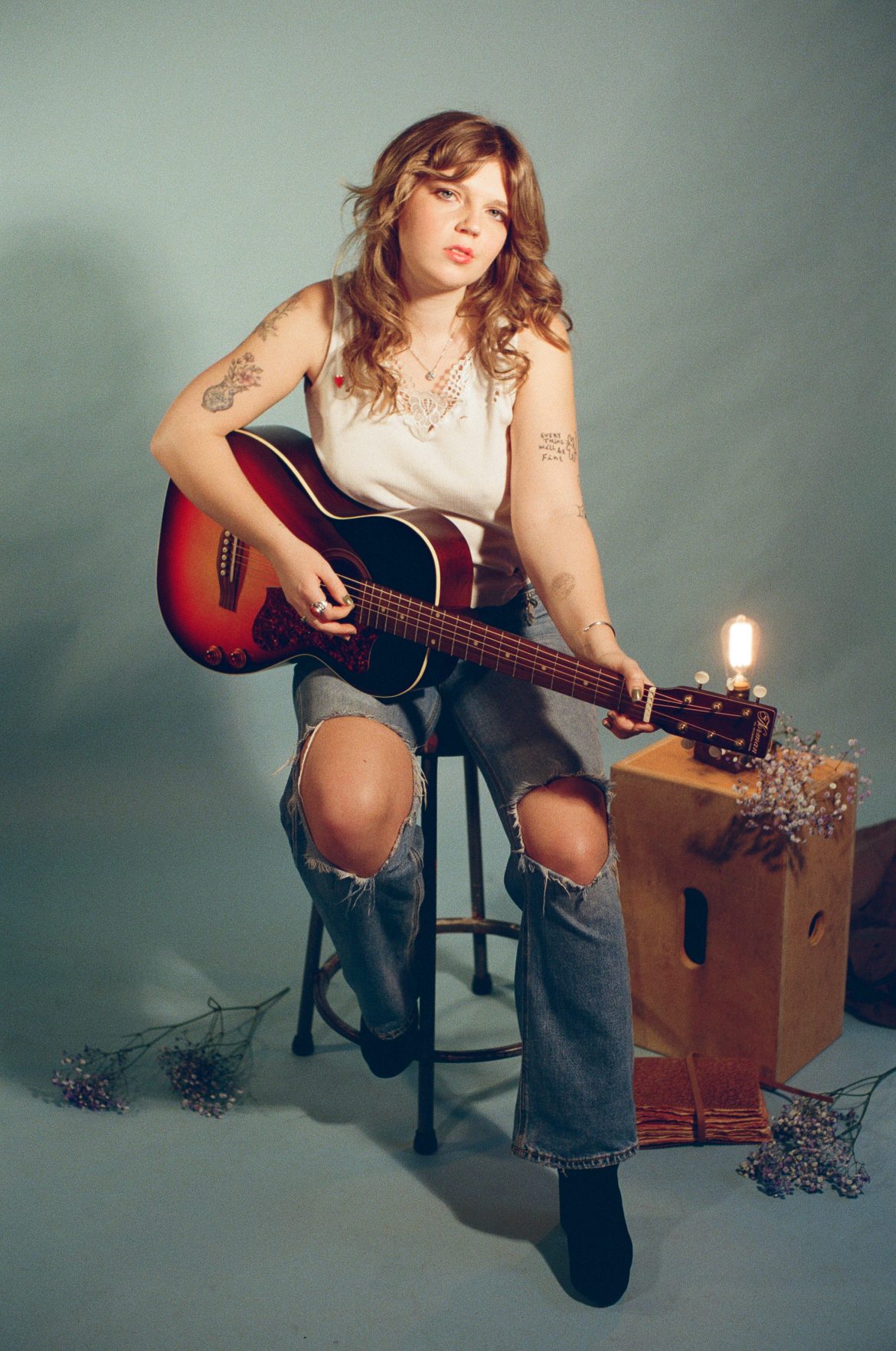
“The Pages” is divided into chapters and feels like a musical journal — what inspired you to tell your story this way, and how did you decide what belonged in each chapter?
This came about after I finished writing all of the songs, and I was starting to piece them together.
I remember I showed my producer Julian the song “The Pages” and he said that’s the one! I didn’t think It was a hit at first, but then it became the lead single, and with that, the whole world for the album was created. A very confessional biography sort of style.
Then I just ran with that concept and designed all of the artwork and everything. The photo for the inner sleeve/inside of the album was a photo I took in Toronto on my little film camera of a wall in a cafe that is all books/pages. I didn’t know it at the time, but that photo was going to help me create the whole aesthetic for the album. Then, splitting it up into “Chapter 1 and 2” just made so much sense. Chapter 2 is a little bit deeper into the story, and each song builds more on the last, until you get to the final song, which really just wraps it all up.
You’ve described this album as your most personal work yet. Looking back on your first two albums, what has changed most about you as an artist — and as a person — since then?
Yes, most personal, and if I do say so myself, it’s my best work yet.
I’m definitely more set and confident in my sound, and I’m now not really “finding my sound” anymore. I know the kind of music I want to write and make. My first album has like 10 different genres (reggae, rock, pop, soul, vintage) but this album is really a strong folk/rock/Americana sound, that is undeniably me!
Also, I am just more confident in myself and my musical abilities. I have let go of a lot of fears around being too much or being judged for my weirdness, and I’ve simply embraced it. Now I’m posting more authentic content and being more outwardly on stage because let’s face it, people don’t remember boring. There are too many artists playing it safe. Let your freak flag fly, I say!
You’ve said these songs capture resilience and turning difficult moments into beauty. Can you share one song that was particularly cathartic or transformative to write?
“Amber” – for sure. I really tapped into something deeper there and felt like, “Damn, people are really going to hear me!”
This song captures my optimistic nature. I like to radiate genuine energy instead of getting caught up in negativity.
In creating it, I wanted people to truly hear that I won’t seep to a level of negativity and I’m not afraid to say, “Yeah, I’m happy, and bubbly, and that’s just my personality. This is me.”
You worked with Julian Bueckert, Ian Docherty, and Jim Bryson on this album. How did each producer influence the sound, and what was most exciting about those collaborations?
Yes, it was so cool to work with many different producers on this record.
It started with 3 songs with Ian that were initially intended for a different album. “To Heal” was the last song we worked on and I knew it was special enough to be part of “The Pages”.
Then I worked with Jim and we produced the Christmas song “Evergreen”. “Big Star” was a track that stuck with him, so we also recorded that one.
I was at this point where I had a bunch of songs that could form an album but wasn’t sure exactly sure about my next steps. Then Julian offered to produce the rest of the record and it all fell into place.
Each producer brought something unique to their contributions, but my songwriting really holds everything together nicely.
You’ve played over 500 shows, including NXNE and Folk Alliance International. How have these performances shaped your connection with audiences, and how have your live shows for “The Pages” so far felt different from past tours?
Performing is really sacred for me, I get to tap into my younger self, performing is something I’ve done since I was a child, so I feel very at home on stage.
“The Pages” touring era has allowed me to truly step into my power and let go of the fear of being perhaps “too much” – too dramatic, intense or passionate. I’ve finally allowed myself to be that person I always wanted to, and show people that you can be that full unafraid version of yourself.
You’ve traveled across Canada, Ireland, and Los Angeles to make music. How have those places and their music scenes influenced the writing and energy of this record?
Yes! All of these places have definitely shaped my sound.
The place to shape the most of this record however, was Nashville! I spent a few weeks there last September, I wrote “The Pages” “Big Star” “Your Muse” there, and I found this really gritty, country, Americana sound there, that also is reflected in a lot of the record, especially the guitar. I worked with Canadian/Nashville based guitarist Harry Bartlett, and his sound really came through.
Also, a lot of my time in Toronto is reflected in these songs. I wrote “Like A Rock” and “To Heal” from my little apartment in Toronto, and cried when I wrote both of them because it felt so good and powerful. The majority of the other songs were written from my little mountain home in British Columbia.
Your sound blends folk, Americana, and vintage rock with influences from Sheryl Crow to Tom Petty. How do you balance honoring those influences while staying uniquely “Maddisun”?
Those inspirations are always there in the background, and they really come out no matter what, just naturally and subconsciously, because I was raised on rock ‘n’ roll and classic sounds.
I’ve been writing since I was a child – I used to sit my relatives down and “improvise” songs when I was 7 years old, just writing from the heart.
This album feels like tapping into that again. I let my inner child kinda go wild, but I kept going back to the great musicians and songwriters I am inspired by to create structure and hooks.
You’ve landed a sync deal and brand endorsements with Aria Guitars, Godin, and Yamaha. How do partnerships like these impact your creative journey and open new doors for you?
Yes, so cool and exciting! Really it gave me a lot of recognition, to be like “yeah I make cool content, and show up authentically online, so why shouldn’t I be represented by these amazing brands” it’s so fulfilling to know they want to work with me.
If “The Pages” is the story of who you are now, where do you see the next chapter taking you — musically, personally, or even geographically?
I think I need to go away and write my next project. I’ve already started writing it.
A lot of the writing has happened with Julian too. He’s a powerhouse songwriter, and we’re creating some magic. I think my new songs will feel more lived in, more organic, maybe even more stripped back and acoustic, like lived in blue jeans…. relaxed.
I want to go to Mexico or somewhere in California and write the album. When my life is so chaotic with touring and working all the time, I have a hard time staying up on writing, so I need to escape and dedicate specific time to it.
I look forward to this time… stay tuned.


