|
|||||
|
The worldʼs leading super-premium tequila joins Australian musicʼs biggest night to celebrate craftsmanship, culture, and creativity.
PATRÓN Tequila, the worldʼs leading super-premium tequila, has been announced as the Official Spirit Partner of the 2025 ARIA Awards in partnership with Spotify, taking place on Wednesday 19 November at Sydneyʼs Hordern Pavilion.
The 39th ARIA Awards will once again celebrate the very best in Australian music on its biggest stage, bringing together the nation’s most talented artists and industry icons for a night of extraordinary performances, collaboration, and creativity.
At a time when Australian music continues to grow momentum on the global stage, Patrón is deepening its commitment to homegrown talent – championing Australian artists and amplifying the voices that deserve to be heard.
“At PATRÓN, we celebrate those who take their craft to new heights, those who pursue greatness in everything they do and there’s no better stage for that than the ARIA Awards,”
said Lisa OʼNeill, Marketing Manager, PATRÓN Tequila Australia.
“Together with ARIA, weʼre raising a glass to artists, the producers, and the creators shaping the sound of Australian music, a true celebration of craft, creativity, and excellence.”

As the Official Spirit Partner, PATRÓN will elevate the ARIA Award experience with a series of inspired touchpoints that capture the artistry, celebration, and pursuit of greatness that define both brands.
From signature serves of PATRÓN El Alto, to the exclusive backstage bar for winners to celebrate their achievements, and the high-energy PATRÓN After Party, every detail has been designed to embody the brandʼs commitment to authenticity, excellence, and shared moments of celebration.
Backstage, a bespoke ARIA and PATRÓN El Alto bar will serve as the ultimate destination for ARIA Award winners to celebrate their success and reflect on their journey. Featured as part of the broadcast integration, it offers winners a quiet moment to pause, reflect, and acknowledge everything it took to get there.
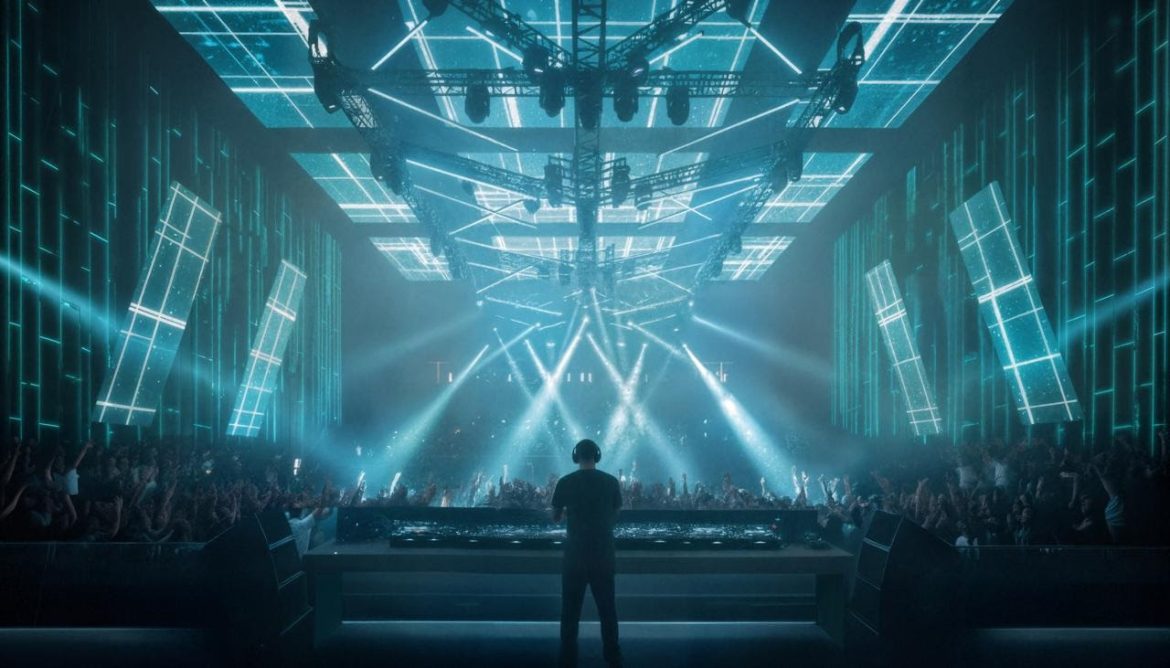
To cap off the evening, PATRÓN will bring a taste of Hacienda PATRÓN, the brandʼs home in Mexico, to Sydneyʼs Hordern Pavilion for the official PATRÓN x ARIA Awards After Party. Lush agave plants and flowing Margaritas will set the scene as Australia’s leading music talent comes together to celebrate the night’s achievements. The dance floor will come alive with live DJs at the PATRÓN DJ Booth, ensuring the festivities continue long after the final award is announced.
Annabelle Herd, CEO of ARIA, said:
“It is great to welcome PATRÓN Tequila as the Official Spirit Partner of the 2025 ARIA Awards. The ARIAs are a celebration of excellence and achievement, and PATRÓNʼs commitment to recognising our amazing local talent, creativity, and success makes them the perfect partner for the Awards.”
Grounded in craftsmanship, storytelling, and cultural connection, PATRÓN continues to redefine how brands engage with major cultural moments, celebrating creativity and excellence in the pursuit of greatness.
Seattle-based composer and pianist Richard Dillon returns this November with Fernweh: The Need to Travel, a captivating and cinematic solo piano album that evokes the timeless power of wanderlust, introspection, and emotional landscapes. Spanning compositions written between 2017 and 2025, this 16-track collection unfolds like a series of sonic postcards — each piece representing a place, a mood, or a moment forever etched in memory.
The title Fernweh, a German word loosely translated as “an ache for distant places,” captures Dillon’s lifelong fascination with travel — not just across physical space, but across emotional and psychological terrain. It’s fitting given Dillon’s background: growing up with Asperger’s and ADHD, he often turned to the piano as a navigational instrument for internal exploration. Through music, he found not only a refuge but also a way to connect with others and the world around him with depth and empathy.
The album opens with the tender “Breakfast with My Best Friend,” immediately immersing listeners in a sense of personal nostalgia. It’s intimate yet universal — the kind of track that feels instantly familiar, like the scent of coffee in the morning air. From there, Dillon moves through a variety of tonal settings. “Camelot,” with its sweeping romanticism and melodic grandeur, suggests imaginary kingdoms and childhood dreams. “Only Tomorrow Knows” strikes a more contemplative tone, reflecting uncertainty yet holding onto hope.
But Fernweh is no simple exercise in sentimentality. Dillon plays with emotional and sonic contrasts throughout the album — from the delicate nostalgia of “Chasing Butterflies” to the solemn, ambient textures of “-20,” a piece that captures the stark stillness of winter. “Echoes of a Broken Heart” stands out for its emotional rawness; it’s a widely cinematic track that evokes grief, resilience, and the surprising beauty of vulnerability.
The album’s closing track, “Mother’s Eyes,” is a lyrical meditation on love, lineage, and presence — a fitting finale to a journey that has been both outward and inward. It reinforces Dillon’s ability to translate deeply personal experiences into universal expressions, an approach that has resonated with audiences from Pandora listeners to global Spotify streams.
Though categorized under New Age and Neo-Impressionist genres, Dillon’s approach feels refreshingly modern. His compositions are cinematic without being bombastic, reflective without being indulgent. It’s music made not just to be heard, but to be felt — a soundtrack to your memories, your quiet mornings, your wanderings, your returns, and everything in between.
Fernweh: The Need to Travel reminds us that music can be a passport to places we’ve never physically been, or no longer can return to. It releases on November 7, 2025, on all major streaming platforms — a perfect companion for introspective autumn days or winter nights by the window.
Connect with Richard Dillon:
Website: richarddillonpiano.com
SoundCloud: soundcloud.com/richard-dillon-solo-piano
YouTube: @richarddillonpiano
LinkedIn: linkedin.com/in/richard-dillon-a07a9a162
“Garden-Variety Grief” feels both deeply personal and universally relatable. What moment or realisation first sparked the idea for this song?I wrote the song after my dad passed away. I was pretty messed up, and I was looking around me and noticing, for the first time, really how everyone in my life seemed to be going through something heavy. Loss is this universal thing; we’ve all been through it. But we’re still here, we’re still getting up in the morning and living our lives and even finding moments of beauty in the world, while also carrying the hard stuff with us. I think that’s a pretty wonderful thing.
You’ve described the track as “a sad/happy cry on the dancefloor.” How did you balance that emotional tension, between grief and joy, in the songwriting and production process?
I’m not sure I balanced it as much as careened wildly from one to the other! I think grief and joy exist in equal parts in the album; that’s what I was trying to capture because I think that reflects life after loss. There were lots of tears in the studio, but also lots of laughs.
The song is your first release from a full album produced by Anna Laverty. What was it like collaborating with her, and how did her approach shape the sound and emotional depth of the track?
Anna was amazing. A lot of the songs are super vulnerable, so I knew I wanted to work with a producer who I felt really comfortable around. Anna is such a sensitive producer and empathetic person; she really made space for the emotions of it all. She also had tons of great ideas right from pre-production through to mixing. The process was really collaborative.
The title “Garden-Variety Grief” is both poetic and grounded. What does that phrase mean to you now, having lived with the song for a while?
It’s a phrase that gets to how grief is so ordinary, so common. My grief is nothing special; we’ve all been through loss. But of course, your own grief feels unique, even isolating, because no one is feeling exactly what you’re feeling. No one is grieving the relationship you had with that person in precisely the same way you are. So to me, grief is kind of extraordinarily ordinary.
The video, directed by Nayomi Pattuwage, captures striking imagery, lamps glowing in the dark paddock. What did that visual concept represent to you?
We wanted to capture that idea of holding joy and pain together at the same time, of feeling like, even in dark places, there are moments of light.
.
You’re taking this song on a Garden Tour across Victoria, performing in community gardens. What inspired the idea of bringing your music into those open, natural spaces?
The single is about finding light in dark times. For me, the things that help me do that are community, music and nature. So I wanted to find a way to bring all these things together on the tour. And the more I started exploring, the more I realised there are countless community gardens all over the country, with people coming together to build something really positive and special. I’m just stoked I get to hang out in broad bean patches every weekend!
You’ve toured across North America and Europe and shared stages with major acts, but this series of intimate garden shows feels quite the opposite. How does performing in that kind of setting change your relationship with the audience?
It’s really different, which I love. The shows are intimate, so I usually get to chat with most people after the set. There are usually lots of dogs and kids, plus the shows are during the day, out in the sunshine and amongst all the plants and trees and flowers. The shows feel more like a conversation with the audience, rather than a one-way thing.
Grief is often something people shy away from talking about, yet this song feels like an invitation to connect through it. What do you hope listeners take away when they hear “Garden-Variety Grief”?
Grief can be so isolating; it creates a distance between you and the people around you. When my dad died, I found that a lot of people really struggled to know how to talk about their own grief, or to ask about mine. At the same time, I think there’s a strange comfort in knowing that everyone has been through hard stuff; we’re all walking around nursing loss. They’ve survived it, and so will you. Maybe if we talked about it more, it wouldn’t feel so isolating. So I guess I hope that people take away some sense of solidarity.
Looking ahead, what can you tell us about the upcoming album, and how does “Garden-Variety Grief” set the tone for what’s to come?
The record explores denial in many guises: denial of how you really feel, denial after losing a loved one, denial about the future. There are songs in the vein of Garden-Variety Grief, with that 90s-influenced indie rock feel, and then there are also some vulnerable alt-folk tracks. I hope people will find that there are moments of darkness and grief, as well as moments of light, humour and resilience.
Upcoming shows:
15 November – Springdale Community Garden Curlewis, Australia
22 November – Secret VIP show Melbourne, Australia
11 April – Mirrorball Ministries West End, Australia
Tickets and information at: https://www.annasmyrk.com/
Photography: Jake Harm Nam

Meanjin / Brisbane rockers Pilot Crisis return today with their melodic earworm ‘No Vacancy’. Stream HERE and watch the music video HERE. Influenced by the vocal intensity of early WAAX and the dynamic guitar sounds of Paramore, ‘No Vacancy’ is an infectious, energetic slice of alt-rock laced with pop sensibilities. Guitarist and core songwriter Mitch Chen says the song was written in an introspective moment of deep procrastination.
“I was sitting on the couch watching King of the Hill, noodling on the guitar and thinking about how I’d spend long stretches of time just wasting away,” he reflects. “Hours would slip by while I kept dreaming of doing something better, but never putting the energy into actually doing it.”
Vocalist Evie Cowen adds she challenged herself on this song, noting it “unlocked new ideas and understandings for me on approaching performance and vocal delivery. It has been a great song to teach me to venture out a bit, and bring in some fun techniques.”
‘No Vacancy’ was brought to life by an all-star cast of Brisbane musicians, with Talk Heavy’s Matt Cochran engineering, producing, and mixing the track at Birthday Boy Studios, and Brock Weston of Bugs on mastering duties. The track follows what has been a pivotal few months for Pilot Crisis, touring with fellow Queenslanders Vipersnatch and supporting hometown heroes Beddy Rays while working on a slew of brand new music to follow in the coming months.
Pilot Crisis first turned heads in 2023 with the release of their debut single ‘Misguided’. The punchy, angst-fueled track became an immediate fan favourite, landing a fourth-place finish in Domestic La La’s 2023 Tuna Tuesday ‘Catch of the Year’. A band of constant evolution, they explored electro-pop elements alongside their signature power riffs in follow up single ‘Sad Sunshine’, and added strings à la Panic! At The Disco to their third single ‘Turning On The Tele’ in 2024. ‘No Vacancy’ sees Pilot Crisis as their most musically self-assured yet, with its vibrant, catchy chorus, powerhouse dual guitars and universally relatable lyrics.
|
||
|
|
||
|
||
JOINED BY AYESHA MADON | NEW TICKETS ON SALE MONDAY
It’s gonna be a ‘Beach Flip’ summer! Frontier Touring is thrilled to announce a second Sydney show for ARIA Award-winning drummer, singer, songwriter and producer G Flip, who returns to Australia in February for their biggest shows yet. The star is bringing along some friends for the (dream) ride: unstoppable Toronto outfit The Beaches, who’ve officially arrived as rock’s next great party starters. Joined by opener Ayesha Madon, this is one line-up you don’t want to miss!
With a previously announced show at Sydney’s Hordern Pavilion now officially sold out, fans score another chance G Flip and The Beaches live on stage this summer. A second date has now been added for Wednesday 4 March, making two nights back-to-back at the iconic venue. Tickets for the new show go on sale Monday 17 November (2pm local time), with Frontier Members presale starting Friday 14 November (1pm local time) – head to www.frontiertouring.com/gflip
It’s been a huge few months for G Flip. Next week G Flip will hit the red carpet, in celebration of single ‘Disco Cowgirl’ landing a ARIA Awards nomination for ‘Best Pop Release’. They’ve just wrapped tour dates across England, Wales and Scotland, including a blistering performance at London’s legendary Brixton Academy. Back in September, G Flip kicked off a massive 35+ date run across the USA and Canada, while just last month Out Magazine inducted them into their prestigious ‘Out 100’ annual list – a celebration of the most impactful and influential LGBTQ+ people worldwide.
With a lineup this good, you’d be mad to miss it. Get set for a Beach Flip summer, where the vibes are high and there’s nowhere else you’d rather be!
G FLIP – DREAM RIDE TOUR
+ special guests The Beaches and Ayesha Madon (all shows)
AUSTRALIA
FEBRUARY & MARCH 2025
Presented by Frontier Touring, Chugg Entertainment & triple j
NEW SYDNEY SHOW: FRONTIER MEMBER PRESALE
via www.frontiertouring.com/gflip
Runs 24 hours from: Friday 14 November (1pm local time)
or until presale allocation exhausted
NEW SYDNEY SHOW: TICKETS ON SALE
via www.frontiertouring.com/gflip
Begins: Monday 17 November (2pm local time)
ALL OTHER SHOWS ON SALE NOW
Friday 27 February
Riverstage | Brisbane, QLD
Lic. All Ages
ticketmaster.com.au
Tuesday 3 March
Hordern Pavilion | Sydney, NSW
SOLD OUT
Wednesday 4 March
Hordern Pavilion | Sydney, NSW
NEW SHOW!
Lic. All Ages
ticketek.com.au
Saturday 7 March
Margaret Court Arena | Melbourne, VIC
LOW TICKETS
Lic. All Ages
ticketek.com.au
Sunday 8 March
Margaret Court Arena | Melbourne, VIC
Lic. All Ages
ticketek.com.au
Thursday 12 March
Adelaide Entertainment Centre Theatre | Adelaide, SA
LOW TICKETS
Lic. All Ages
ticketek.com.au
Saturday 14 March
Fremantle Arts Centre, Perth, WA
LOW TICKETS
18+**
oztix.com.au
** minors are permitted to attend if accompanied by a parent or legal guardian, aged 25+ – check Frontier tour page for further information
Patrons are advised to purchase tickets only through authorised ticket sellers.
We cannot guarantee any ticket purchase made through any means other than the official ticketing agents listed on the Frontier website.
“One More December Song,” a heartfelt original that captures the magic, melancholy, and nostalgia of winter in equal measure. Known for his smooth, timeless vocals and natural connection with audiences, Ben delivers a track that feels instantly classic—something that could sit comfortably between Bing Crosby and Michael Bublé, yet still sounds entirely his own. With its soaring melody, rich harmonies, and warm piano foundation, “One More December Song” is a reflection on love, memory, and the passing of time—wrapped up in the cozy glow of a holiday moment that listeners will want to revisit year after year.
Ben’s ability to bridge generations and styles has always set him apart. A professional performer since the age of 13, he began his career playing piano bars across Vancouver, where he quickly became one of the city’s most sought-after entertainers. His remarkable musical memory—he can perform over 5,000 songs entirely from memory—and commanding stage presence made him a standout early on, captivating audiences night after night. Blending the warmth of vintage pop and jazz influences with a contemporary edge, Ben brings a kind of musical versatility that resonates across audiences of all ages.
That versatility has translated into major reach online, too. With over 5 million streams, more than 200 million video views, and nearly 900K TikTok followers, Ben’s fanbase continues to grow rapidly. His recent track “Till the Credits Roll” went viral, racking up over half a million views on TikTok and nearly 85,000 streams in its first 10 days. The song’s success underlined what his longtime fans already knew—Ben Dunnill has a rare ability to make classic-sounding music feel completely alive in the digital age.
Now, with “One More December Song,” Ben steps confidently into the holiday spotlight. The single is both a nod to timeless Christmas songwriting and a reminder that authenticity never goes out of style. Paired with his natural charm and sharp understanding of how to connect in the modern landscape, this release marks another milestone in a career that’s only gaining momentum. Whether he’s behind a piano in a packed venue or reaching millions online, Ben Dunnill continues to prove he’s not just a performer—he’s an artist who understands how to make every note count, one December at a time.
|
Presale tickets to Sugar Mountain 2026 have just gone live. Hit the link below to grab yours now. Remaining general release tickets on sale tomorrow at 11am. Your exclusive presale link is here: |
|
|
|
|
|
|
‘Bad Ideas’ feels like both a confession and a liberation. What was the emotional spark that first led you to write it?
I suppose the emotional spark was a lyrical idea I had for the second verse, which was “it’s not my first rodeo, but I’ve got nothing to show for my broken heart”. The meaning behind that lyric is I get a little frustrated because after 20 years of doing this I am always referred to as an “emerging artist.” This is absolutely not exclusive to me, by the way, I actually think it’s indicative of how the music industry as a whole requires women to be constantly shiny and new. For instance, Sabrina Carpenter was nominated for Best New Artist at last year’s Grammys for her fifth studio album. I think by now, I’ve emerged!
Sometimes I feel down on myself because I can’t help but think that if I’d had my career in any other field outside the arts, I’d have a lot more to show financially. I have this conversation with so many friends who are, on paper, incredibly successful, but can’t, for instance, buy a flat in Melbourne. I’m aware of the irony of putting these frustrations about the reality of the music business into music!
You’ve described the song as “a cathartic release, an exorcism you can dance to.” What did that process of release look or feel like for you while writing and recording it?
The process is always the same for me. The greatest joy I ever feel creatively comes right after finishing a song when I can step back and hear it fully realised for the first time. Nothing compares to that moment. And despite the emphasis on catharsis, the actual process of writing and recording the song came relatively easily, which is not always the case in the studio. For me, I think the actual feelings of release come from the live performance
There’s a strong undercurrent of Catholic guilt and repression running through the song. How did your own experiences with those themes shape the story behind it?
Much to my Nana’s dismay, I was the first one in my family to actually not be raised with any kind of religious indoctrination. But it was all around me growing up, and for better or for worse, there are certain patterns of behaviour that I really do think are informed by those cultural attitudes, especially around guilt, shame, people pleasing – all that really cool stuff! Even if you’re not going to mass or whatever, I think it’s hard to escape these patterns; it’s literally a part of my DNA at this point. That said there’s a lot about religious themes that I’m drawn to from an aesthetic or lyrical point of view.
The production has this lush, cinematic quality — a blend of desert psychedelia and 70s warmth. What drew you toward that sound for this record?
I’ve always been pulled to a more 60s/70s sound, and my sonic references have been consistently within that era, no matter what genre of music I’m writing. This record is a lot more lyrically tender than my first album and it felt right that the music should match that tenderness. It’s a lot softer than my first record and I wanted it to sound dreamy and escapist.
You worked closely with Jules Pascoe on this track. How has your creative relationship evolved since your earlier collaborations?
We’ve been working together in some capacity for almost fifteen years now, which feels utterly absurd that so much time has passed. When we first met, we were a part of a nine piece band, I was in my early 20s and definitely at the bottom of the food chain creatively within that project (or at least that’s how it felt to me at the time!) To be blunt about it, everyone in that band who was writing music was competing with each other for songs on the record. That dynamic actually led to a lot of amazing songs being written, but I believe it was very unhealthy for the interpersonal relationships within the band.
Because we never wrote together in CBBR, I never would have guessed that we would end up writing so many songs together. Every song written for this project is a co-write between Jules and myself. I wanted to have my name attached to this project because I didn’t on my last one, but we are very much a writing team and the band is a band. I have played in bands for most of my life and it’s certainly my preferred way to create as a musician. I love co-writing with other people, don’t get me wrong it can be challenging to create this way and I’ve had it go very very bad. But I think it always yields the best rewards musically.
Your lyrics carry a mix of pain, resilience, and almost spiritual reckoning. Do you see ‘Bad Ideas’ as part of a healing journey for you?
I see all the songs off this record as a part of some kind of healing journey for me. It’s a bit of a vicious cycle, music is the thing that I’m best at. But it also causes me a lot of anxiety. So then I process that through music and it begins the cycle all over again! I actually think a lot of songwriters feel this way.
The upcoming album Souvenir explores everything from intergenerational trauma to climate grief. How does ‘Bad Ideas’ fit within that larger emotional and thematic landscape?
I don’t talk about it much but I’m 11 years sober now, and I always thought that once I stopped drinking all my negative self talk, the impulse to blow up my life or do the destructive thing would disappear, but it really hasn’t. Instead, I’m trying this new thing where instead of trying to numb the feelings, I just allow them to exist, which is part of what I’m trying to convey with Bad Ideas.
You’ve been part of some incredible musical projects, from The Bangin’ Rackettes to your acclaimed debut. How do you feel you’ve grown as a songwriter and performer since then?
Everything that I do as a writer and as a performer I can trace back to CBBR. I’d been playing and writing songs for years, but joining that band took things to a completely new level. Quite literally overnight, I went from living at home and working a retail job to having to quit my job to go on tour, make a record and play Falls Festival all within about a five-week period!.
It was a baptism by fire, and I learned so much about how to tour, how to perform, how to harmonise, how to dance and how to write a great backing vocal hook. None of which I had ever done until I joined that band.
A songwriter I admire a lot is Carol King and she got her start writing soul/pop music and for girl groups (Most famously for Aretha ). I’ve been thinking about her record ‘Tapestry’, which is a huge sonic influence for me…It’s obviously a folk/rock n roll record, but if you listen to how the songs are arranged, you can hear her background in soul within the music. I think once you have an understanding of how to write for a vocal group, it becomes the musical foundation for everything you do, it certainly is for me. Those elements of soul, girl group and pop arrangements are what I build on as a songwriter, no matter what genre I’m writing, and I owe that foundation to Clairy Browne and The Banging Rackettes.
The single launch at Grace Darling marks a new chapter. What kind of energy or atmosphere do you hope to create at that show?
I really want the Grace Darling show to feel transcendent and communal. This record has so much emotional weight behind it, and I want the night to feel cathartic but also celebratory.
You’ve said this record is about “rapture, rebirth, and communion with the ghosts of your past.” What does that rebirth look like for Ruby Jones right now?
Rebirth, for me, looks like making peace with my past and stepping into music with joy again. I took a long break from playing live last year. I had some issues with my health that took a long time to get to the bottom of and then I had a family member diagnosed with terminal illness who passed away. I needed to step away from music at that point and return when the moment felt right. I’m so excited about this next record, it’s the music I’m most proud of and I can’t wait for everyone to finally hear it.
‘Bad Ideas’ Single Launch
Saturday 22 November
Grace Darling, Collingwood
Support: Hollie Joyce
Doors: 8 pm
Tickets: events.humanitix.com/ruby-jones-bad-ideas-single-launch
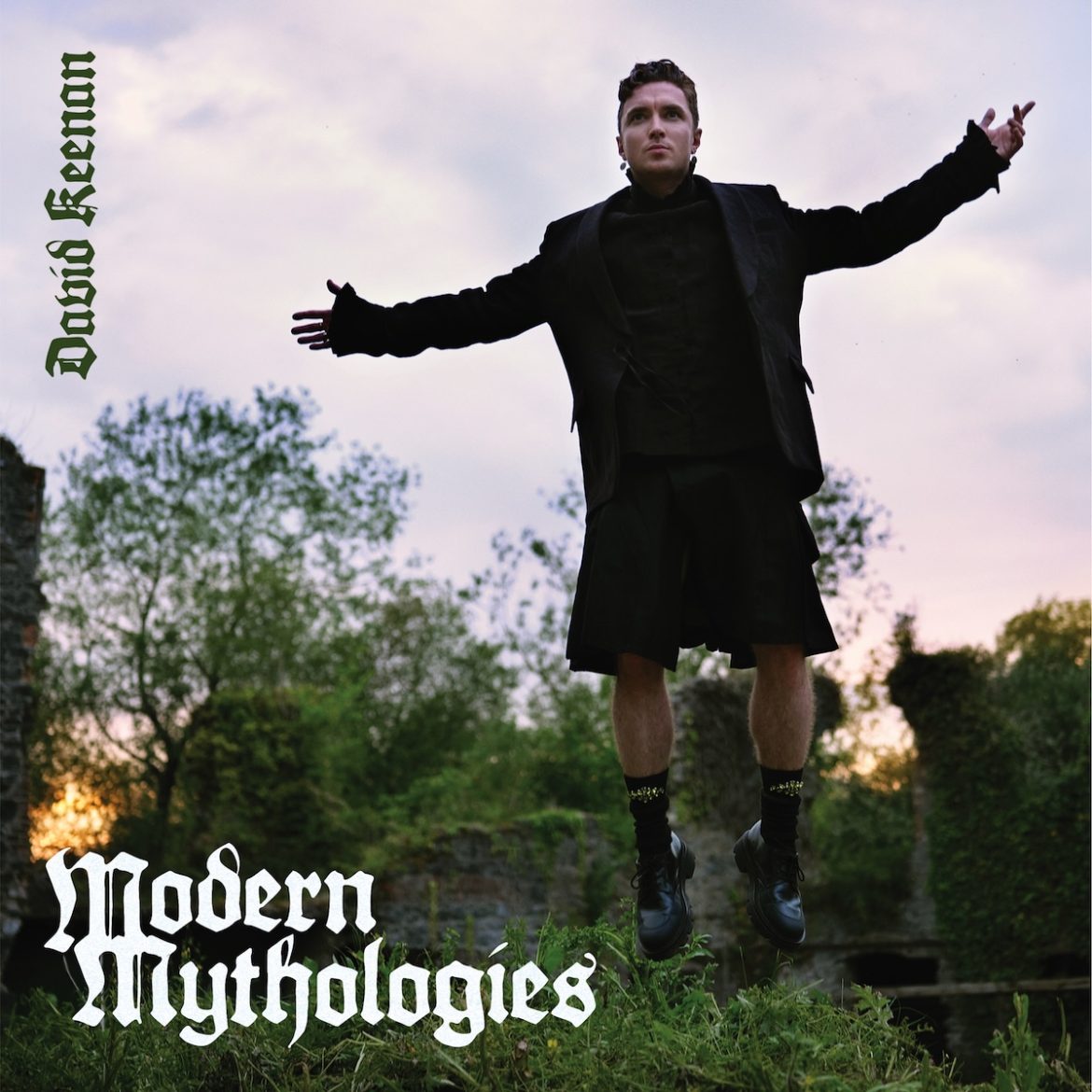
What drew you to explore the idea of myth-making as a way to understand modern life, and how did that shape the tone of the record?
We all mythologise our own lives to some degree and so I was trying to really get to the heart of my own life and how I view the wider world through the medium of story driven songwriting on this album. Myths contain age old wisdom, allegory and metaphor that are useful if you’re trying to find your way so I was tapping into that in one sense. It shaped the tone of the record as I feel there’s an arc from confusion to a sense of acceptance and clarity.
You describe Modern Mythologies as both personal and universal — what moments in your own life most influenced its creation?
I’m constantly writing and I’m very grateful that I have music as a guide. It’s more like a continuation, a conversation I hope to be having as long as I’m alive, pursuing ideas and songs to document the journey. Specifically I feel this album was me searching for something deeper, meaning, purpose, a letting go of certain struggles or at least a more compassionate approach to them which in turn helps me be more compassionate to humanity.
How did confronting your past struggles, particularly with addiction and self-perception, translate into your songwriting on this album?
It was freeing but a raw thing to document. Ultimately it pushed me to be more focused, my love for being alive and for being creative outweighs my self destructive tendencies and there’s healing in the process of unraveling deep fears and insecurities. There is a mystical element to songwriting and inspiration that I wouldn’t want to totally analyse but when you step into your power and face your self there’s hope to be had in that choosing of courage.
There’s a tension between chaos and wonder running through these songs — how did you find balance between the two during the creative process?
Chaos is a creative force if you can find that balance. At one time chaos was the dominant force in my life and so it was like wild fire. I find balance in general now by being able to cultivate the quiet time I need in nature or in connection with others.
The record connects folklore and meme culture, the sacred and the everyday. How did you approach blending those worlds without losing authenticity?
It’s all about perspective, the ordinary can be profound if you wake up on the right side of the bed! My head works like that, I love connecting threads and seeing new patterns emerging. The memes of today were the slang graffitied onto a wall in ancient times, it’s all an attempt at communication.
What role did collaboration play in bringing this album to life, especially working with Gavin Glass, Peter Baldwin, and Cian Synnott?
Working with three producers was accidental and organic it wasn’t a conscious decision. Timing and circumstance just played their part and that was beautiful because I got to tune into three different environments at three different stages of the process. Each one was of equal importance & I appreciate all three experiences. It’s funny how things unfolded but it all feels right to me in hindsight, giving the album an almost anthology feel. 16 songs!
Your lyrics often read like poetry — do you begin with words or with melody, and how do the two evolve together?
Thank you, I usually sit down and start writing and the words start making their own music or they suggest a melody in their rhythm and flow that I can then elaborate on. It’s always been important to me that they can stand on their own unaccompanied if being read by someone and that they contain a multitude of things beneath the surface level.
You’ve said the process of creating brings you closer to reality. How has that philosophy changed your relationship with music over the years?
It brings me closer to reality in a sense that it brings me into the present moment where I feel awake and truly vibrant. Life happens and we all make mistakes, have our struggles and want to escape from feelings. I’m just glad I have a means of connecting and expressing with the world through the work. It means too that I look for that identification in other people, places and things.
What do you hope listeners take away from Modern Mythologies — especially those navigating their own chaos and renewal?
I hope it’s useful in some way and may spark a conversation with the person who may then look at a particular thing that’s affecting them in a new way. I hope it sparks a creative idea in someone else and they follow it because in my experience, that’s a wonderful path to explore.
After everything you’ve explored in this album, what kind of story do you think you’ll tell next?
I am open hearted and open minded for what comes next, always hopeful. I’d like to keep experimenting with different styles of music and writing! Thank you for the questions!
Upcoming tour dates for David Keenan:
Tickets avail at https://davidkeenan.com/
2025
• 6 Nov – Irish Film Institute (IFI), Dublin
Address: 6 Eustace Street, Temple Bar, Dublin 2, Ireland.
• 7 Nov – John Lee’s Bar & Venue, Tullamore
Address: Church St., Tullamore, Co. Offaly, R35 Y161, Ireland.
• 15 Nov – The Millhouse, Slane (final show of Chasing Myth tour + Hill of Tara visit)
Address: The Old Mill, Slane, Co. Meath, C15 FFK7, Ireland.
• 21 Nov – The Devonshire Arms Soho, London
Address: 17 Denman Street, Soho, London W1D 7HW, United Kingdom.
• 22 Nov – Rough Trade Denmark Street, London
Address: 24 Denmark Street, London WC2H 8NJ, United Kingdom.
• 26 Nov – Whelan’s / Spindizzy Records (Irish album launch night — live + in-store)
Address: 25 Wexford Street, Dublin 2, Ireland.
2026
• 13 Jan – Waterfront Hall, Belfast – as part of the Your Roots Are Showing / Folk In Fusion conference
Address: 2 Lanyon Place, Belfast BT1 3WH, Northern Ireland. https://www.waterfront.co.uk/what-s-on/folk-in-fusion/
Paitra’s debut EP is a vibrant fusion of the genres that have shaped her musical journey: folk, rock, psychedelic, singer-songwriter, and pop. “I’ve never felt drawn to sticking within a single sound or box; each song brings out a different side of me, and I like to follow where the feelings and sounds lead,” she explains. Originally from Timmins, Ontario, Paitra grew up immersed in the rich harmonies and storytelling of ‘70s rock and folk legends like Fleetwood Mac, the Eagles, Led Zeppelin, and Crosby, Stills, Nash & Young. After moving to Toronto in 2017, she began blending these timeless influences with modern textures, experimenting with a sound that is both nostalgic and unmistakably her own. Over a decade of playing in various bands set the stage for her solo project in 2023, which led to the creation of this carefully crafted EP, reflecting her range and the freedom she finds in music.
The making of the EP was an adventure in itself. Paitra spent nearly a year searching for the right producer before discovering Tyler Fogerty (Hearty Har, John Fogerty), whose vision matched hers perfectly. “The very next day, the California wildfires began. We had to evacuate that night, and for nearly two weeks, we were separated amid the chaos and uncertainty,” she recalls. Yet, once it was safe, they returned to complete the sessions, bringing together the incredible musicians who helped realize her vision. The result is a genre-blurring collection that balances soft, introspective moments with bold, playful bursts of energy, blending modern alternative-pop with nostalgic California rock. From the EP’s first single, “Too Stuck (In My Head),” to the whimsical dual release of “Love Calls”/“I’m Your Answer” and the ethereal, slightly psychedelic title track, A Universal Feeling offers a glimpse into every facet of Paitra’s artistry—raw vulnerability, playful confidence, and a distinct voice that’s entirely her own.
Your new album Electric Transport feels like a heartfelt return to form. What was the turning point that made you decide to get back into music after losing your mentors?
Spencer P. Jones & Brian Henry Hooper had always been there with me on my musical journey, so after they died, I had to reframe what my music would look like without them. Whilst my grief overshadowed everything for a while, I worked hard to reach a point where the reminder of their memory didn’t trigger sadness but instead made me want to go on and do what they loved doing.
This process took nearly two years, but once I started writing again amid the COVID lockdowns, I never looked back.
You were mentored by Spencer P. Jones early in your career. What’s something he taught you that still guides your songwriting today?
He taught me early on that I hate tequila that’s for sure haha.
When you saw Spencer play as much as I did, it’s obvious to anyone how great he was at working a room and getting the audience along for the ride. I have absolutely tried to do that in my own way as a performer, and one of the best pieces of advice he ever gave me regarding that was: “play to the people listening”.
However, it was more the life lessons that Spencer taught me, which guide me as a musician.
The man badly wanted to live, and he had a lot to live for, but it was years of alcohol and drug abuse which took its toll in the end and finally caught up to him.
All he wanted during his final years was to be able to play a gig and do what he loved.
We’re both the kinds of people who were put on Earth to do this and only this, so seeing that taken away from him, galvanised in me that I cannot let addictions, illness, or anything stop me from playing music.
Whilst I’ve had my own bumps in the road, I feel that I am truly turning that into actions these days. I just hope wherever he is, he’s proud.
How did forming The Boundary Riders change the way you approached writing and recording this record?
Joe and James showed me all the beautiful possibilities within my songs.
The songs all started life as solo country songs, but the way that the guys rocked them up (and in some cases quietened them down) meant I was always surprised and energised by their takes on them.
It’s made what we do live and, in the studio, much more of a team effort.
You’ve mentioned that the album captures the raw energy of your live set — what were some key moments in the studio that made that happen?
It was less about moments, and more about an atmosphere of comfort where we could relax into the recording of each song.
Our drummer James’s studio in Coburg was the perfect place for this to happen as we could all tune out if we needed to. For example, we could have a beer and watch the footy if a song wasn’t working, or simply just hang out for a while if we were all a bit tired after work and needed to wind down.
“Tramways In My Mind” has been with you for a decade. What made you feel like now was the right time to finally release it?
‘Tramways’ was a song which always needed a band to make it work, so when I got The Boundary Riders together, I immediately knew that the three of us could make that song absolutely rock. After a few rehearsals it was a no-brainer that it would be on the next album.
There’s a strong sense of nostalgia and place in your lyrics. How important is Melbourne — and its trams — to your identity as an artist?
Melbourne raised me along with my Mum, Dad, and Granny.
This city is amazing, fun, poetic, and has influenced every aspect of who I am.
Whilst yes, Melbourne is a big part of my artistic identity, there is a pragmatism to my references, as I have lived here and only here for my entire life.
It’s my only backdrop, and if I tried to reference anywhere else with the same sense of nostalgia, it would be fake and forced.
The trams and nostalgia attached to them are a funny one, as it’s all to do with comfort and happiness.
I have ADHD and (pending an expensive screening test) am probably autistic too.
When your brain is wired as mine is, your favourite subjects tend to be things which represent when you felt true comfort and safety as a kid.
My moment of safety, and its associated subject, is Trams.
School hadn’t started yet, so there was nothing and no one to tell me my brain was differently put together in how it saw the world.
Riding on the old green and yellow MET livery W class trams with my family and dreaming of being a Tram conductor, are moments I return to as an adult when I’m feeling lost, as they are truly beautiful and comforting memories.
“The Uncles” is a touching tribute to Spencer P. Jones and Brian Henry Hooper. What emotions did you experience while writing and recording it?
A sense of release in all honesty.
Songwriting is a catharsis for me, so it was deeply therapeutic writing and recording it.
Immortalising them in a song also just seemed like the right thing to do. If someone listens to that song and then delves into their back catalogues, then I truly feel like I have helped keep their memories alive.
You explore everything from heartbreak to writer’s block to growing old. Was there a particular message or emotion you wanted listeners to take away from the album as a whole?
This album is incredibly eclectic, so when it comes to the themes in particular songs, there is no real continuity.
But from the get-go, I wanted to make an album which evokes the records I adore.
There are bits of Hi-Fi Way by You Am I, John Prine’s first album, Paul Westerberg’s solo stuff, Robyn Hitchcock’s esoteric strangeness, and Spencer’s work floating around in ‘Electric Transport’, that I wanted included as a loving tribute to these seminal artists.
Your music blends alt-country, punk, and rock in a very natural way. How do you balance those influences without overthinking the sound?
It’s something which shouldn’t even come to mind when you’re writing or recording music. For it to sound honest, spontaneous, and like you, then you need to throw caution to the wind, and just let a song happen and speak for itself.
You’ve been part of the Australian indie scene since you were 15. Looking back now, what keeps you inspired to keep creating and performing?
I can safely say that at 33 years of age I love writing songs, singing, and performing more than I ever have before.
I am incredibly grateful to music as it’s given me purpose, identity, community, and belonging.
The only place on this planet, where a neurodivergent wreck like me feels normal, is on stage singing my songs, and I am very lucky to have a wife, family, and friends who all understand that completely.
There is a necessity to what I do, and that’s why I want to be on tour all the time and make a living off this. The world is quite hostile to differently wired folks like me and we are generally forced to adapt and mask, instead of being ourselves.
This is a survival mode tactic.
In music, I can thrive on my terms alone and eschew every mask I have.
ALBUM LAUNCH TOUR
JULES SHELDON – SOLO AND WITH THE BOUNDARY RIDERS