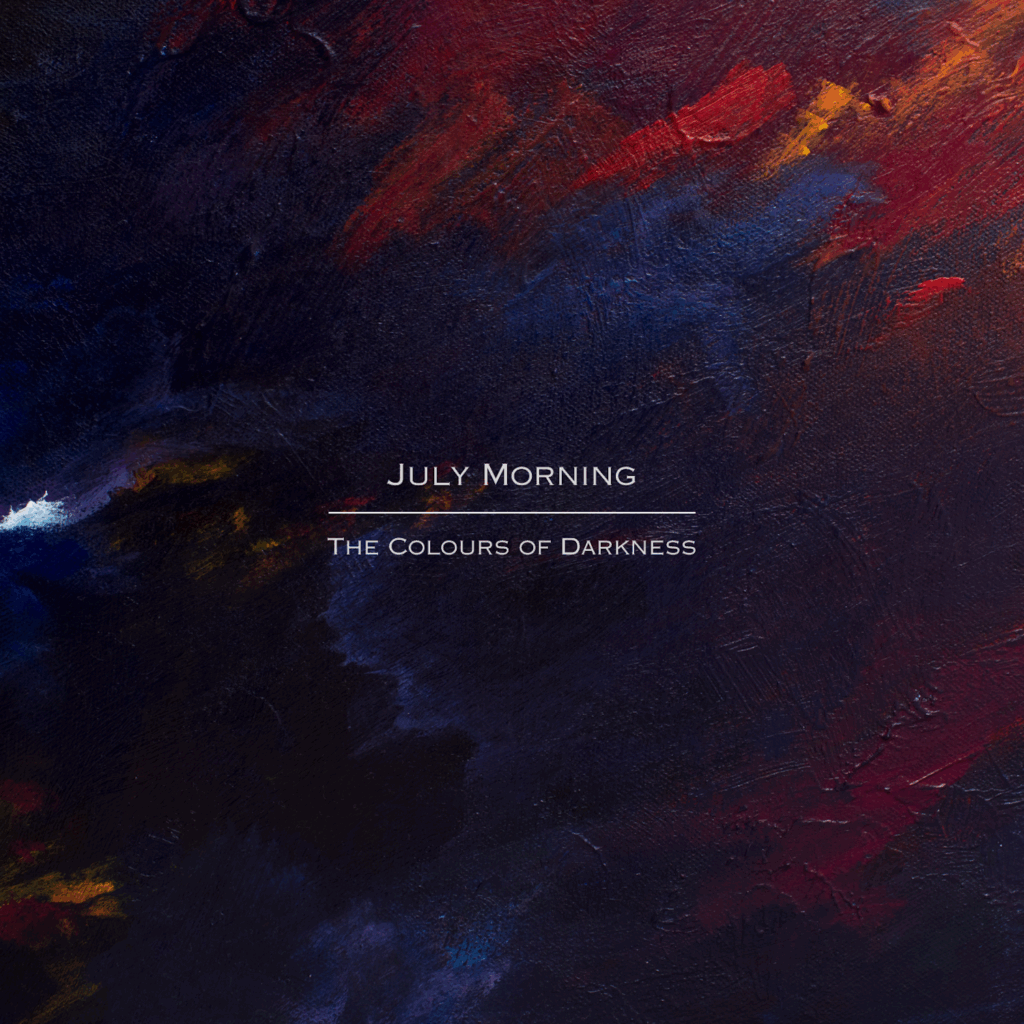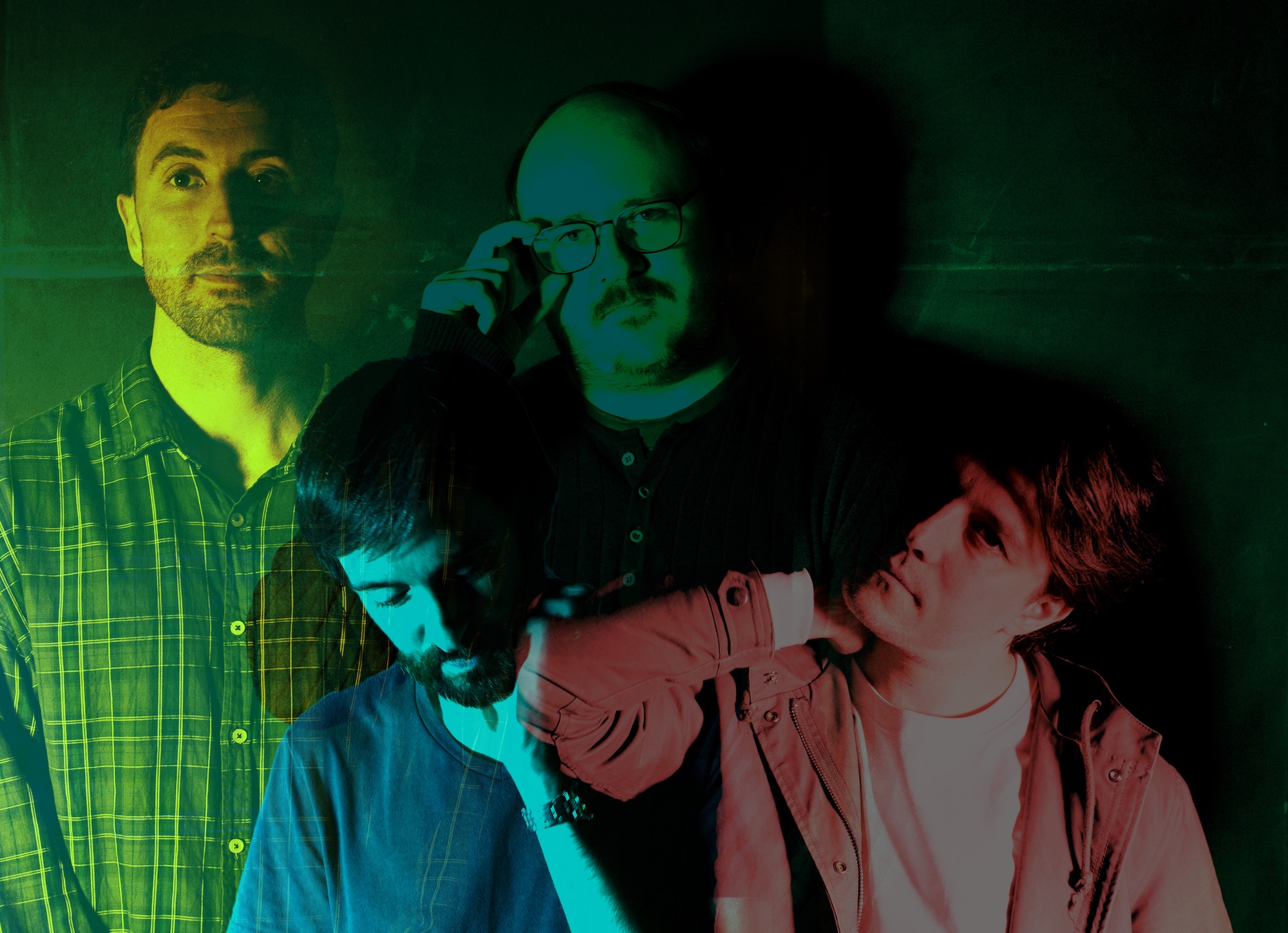
The Colours of Darkness feels like a record that was made as a full journey rather than just a collection of songs. When did you realise this album was going to become a concept rather than just individual tracks?
Owain – We’ve always been drawn to concept albums, so it’s no surprise to me that our debut album ended up being one. Jesse chose the tracks for this album, and as he was choosing them, he noticed there were common themes or musical threads connecting them. It’s a loose concept compared to some of the classic concept albums we love, but it’s a strong thing to have binding the album together.
Jesse – I knew it was going to be heavily conceptual from the start, because there were personal experiences giving us momentum and leading to us reconvening the band and working on a particular set of songs. The more we did that work, the clearer and more articulated the concept became: living with ill mental health and other similar pressures in the modern world.
The album explores isolation, relationships, and identity. Were those themes something you set out to write about, or did they slowly reveal themselves as the songs came together?
Jesse – Those are perennially favourite topics for me to write about! I wrote most of the album’s lyrics, but I did not sit down to specifically write about these themes; they came out simply as a reflection of how I was feeling. When it became apparent there was an overarching concept tying everything together, it became clear what songs would fit best—and they were the ones about isolation, relationships, and identity.
Owain – For the songs I contributed lyrics to, I can say that I didn’t set out to write about anything in particular. I tend to write the music and melodies first. This then leads to lyrics coming out as I sing through the song. The subject matter reveals itself as I’m singing.
There’s a real sense of space and movement across the record, especially with the longer arrangements and improvisation. How much of your sound comes from playing together in a room versus building songs in the studio?
Owain – It was actually a pretty even mix for this collection of songs. Jesse and I wrote the songs, and quite often we have basic guitar ideas worked out before taking them to the band. Once we start jamming them together, though, things always move around.
Before we started recording, we went away as a band, took our gear up to a holiday house, and spent the weekend working on the songs that would become the album. That weekend was massive for the core drum, bass, and guitar layers of the album. Even though we have many other instruments on the album, I still see these instruments as our core sound.
Once we were in the studio, that’s when we were able to start layering everything else—pianos, synths, extra vocals and guitars, strings, and even some amazing sax parts. It was these sounds that we needed the studio environment for to help us find and then build everything up.
You draw from progressive rock, folk, blues, jazz, psychedelia, and post-punk, but the album still feels cohesive. How do you balance so many influences without losing your identity as a band?
Owain – I think the main reason is that it’s still just us playing it. Yes, we are influenced by all of those genres, and yes, that can be heard throughout the album, but it’s still just us. We’re not trying to be anyone else. I still just hear us when I listen to the songs. We’ve also been writing songs for quite a while now, so that experience is also helping us keep it cohesive.
Jesse – I’d have to pretty much agree with Owain. We have an eclectic set of influences: we love many different eras of rock music; we recorded with a jazz-trained rhythm section; the two singers love two different eras of folk/singer-songwriters. There’s a bit of everything in our influences, but we just try to write and perform without any of that in mind and aim to just be ourselves, playing music that is true to ourselves. Whatever influences or genres shine through from that are just part of who we are from what we’ve absorbed.
There’s a lot of darkness in the themes, but also resolution and light. Was making this album emotionally heavy, or did it feel more like a release?
Jesse – It was a slow-moving release. Life before the album was emotionally heavy, and making the album was part of a process of moving through that. Now it’s all out there for the world to feel it as they see fit.
Owain – I can’t speak for all of the songs, as Jesse wrote most of the lyrics for the album, but for the tracks that I did contribute lyrics to, I definitely found it to be a release. Music has always been a release for me. If there’s anything going wrong or something stressful, playing and writing just helps deal with those feelings and gives them a place to go.
Working with Phan Sjarif and Adrian Breakspear must have shaped the record in some way. What did they bring to the album that pushed the songs further than you expected?
Owain – Phan was amazing during the recording of the album and the mixing of it. He really helped us get the best drum sound and performances during the initial recording sessions at The Parliament Studios. He also has some beautiful pianos and other keyboards that we were able to start laying down the keyboard sounds that would end up playing such a big part on the album. Most of the guitar, bass, and vocals were tracked at my home studio, and he gave us some excellent ideas that helped us through the recording of those parts.
During the mixing of the album, Phan made a huge difference. It’s crazy how much better the tracks sound after he does his thing. We thought what we had recorded already sounded good, but once he was finished with them… geeez… amazing.
We asked Adrian to mix the first single (‘Upper Hand’) from the album. He was excellent to work with but wasn’t actually there for any of the tracking. He really tightened what we’d recorded and polished it up. We’re still really happy that we asked him to work on that first song for us.
There’s a wide range of instrumentation across the album beyond guitars. Did those parts come naturally as the songs developed, or were you deliberately trying to expand the sound palette?
Owain – I think it was quite a natural process overall. We’ve always liked piano/keys/synths in songs, so they were a natural extension of our core sound and always seemed right to have as we were arranging the songs. The biggest surprise for me was when Jesse thought of getting sax in for a couple of tracks. An excellent idea from Jesse, and Maddy Mallis did an amazing job in the studio.
When people listen to The Colours of Darkness for the first time, what do you hope they take away from it—a feeling, a story, or just the experience of the music itself?
Owain – I hope they take whatever they need from it. It’s a great experience to listen to an album from start to finish, and I hope people enjoy listening to our album that way. I’m definitely an album listener rather than an individual song/playlist maker. We cover quite a lot of ground on the album, so there’s a lot on there to appeal to people who are willing to listen.
There are some pretty amazing lyrics on here (thanks, Jesse), which could definitely help people connect. Some topics that many other people have gone through, or are going through—these songs could help them in whichever way they need. There’s also just some great songwriting on there, so hopefully we talk to some music nerds too. I know my inner music nerd likes a lot of the little things we’ve managed to get onto the album.
Finishing a debut album is a big moment for any band. Did completing this record feel like the end of a chapter or the beginning of something new for July Morning?
Owain – When we finished recording the album, it definitely felt like the end of a chapter for me. It was almost a year of our lives. But in saying that, as it was the end of one chapter, it now definitely feels like we’re entering new territory. The gigs have started; at the time I’m writing this answer, the album is due out in five days. We’ve got plans to gig more, and we’re already talking about what the next album/recordings could be. Finishing the album has now started something new—so I guess I’ll say it felt like both, if I’m allowed to do that.
Jesse – We’ve put so much work into the release that, by default, it feels like the end of a book for me. It has raised the question, though, of “what next?” The work of getting this record out to everyone begins now. The work of building on our current momentum for another set of songs begins now. So as we move past the initial release, it’s going to increasingly feel like the opening chapter of a new novel.
If this album captures a particular moment in time for the band, how would you describe where July Morning is right now creatively and personally?
Owain – We’re trying to get ourselves into the best live shape we can for our upcoming gigs while also starting to think about new material. There are a lot of new songs we haven’t started working on yet, and I’m very excited to get stuck into them and see what happens.
On a personal level, life just keeps on doing its thing. Family life and running my guitar tuition business are pretty much what’s on the cards for me personally—and I wouldn’t have it any other way.
The Colours of Darkness Album Listening Party
Saturday 18th April – Sneaky Possum – Sydney, NSW
Tickets | Event