What first inspired you to create “Japanese Onsen,” and how did your trip to Japan with your son shape its emotional core?
Upon my son’s college graduation, we decided to take a trip to Japan. I had never been to Asia before, and we wanted to experience both big-city life and small towns. One of my friends recommended Kinosaki since I was interested in its Onsen culture. While researching the trip, a month before we left, the main melody you hear in Japanese Onsen came to me, and I recorded it in my studio. The title came later, after the trip — which turned out to be deeply magical and emotional. The heart of it was spending time with my son, who would soon be moving away for work.
Can you describe the moment in Japan when you knew this experience would become music?
Walking around the shrines and forests in Kyoto, and later experiencing the Onsen and Ryokan life in Kinosaki, solidified the musical vision. It was peaceful, quiet, and completely different from the energy of big cities. My next project captures Tokyo’s urban pulse — with a traditional cultural twist.
How did the sounds and atmosphere of Kinosaki’s hot spring villages influence your approach to rhythm and texture?
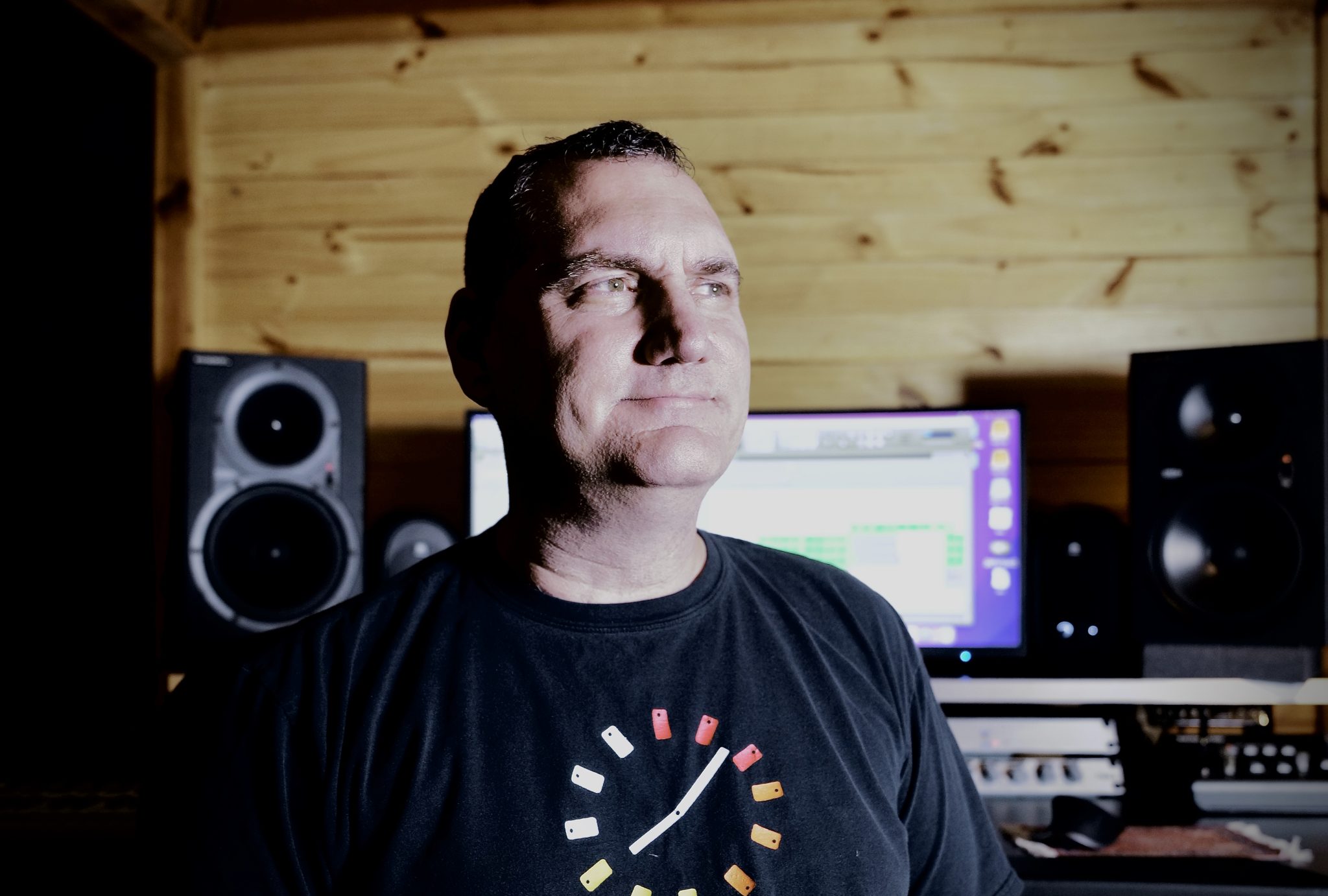
While composing, I dimmed the lights in my studio, bathed the room in red light, and played a video of hot springs. It brought me straight back to that atmosphere.
In what ways did Kyoto’s temples and shrines inform the tone or spiritual feeling of the composition?
I bought a small Torii gate for my studio — like the ones at Fushimi Inari Shrine. My son and I avoided the main crowds and stumbled upon a quiet bamboo forest where I began forming new melodies in my head. That stillness found its way into the song.
You’ve explored a wide range of sonic worlds as Monster Taxi — what makes “Japanese Onsen” stand apart from your previous work?
A lot of my recent songs are inspired by places and family experiences. Reflect came from a trip to Arizona with my father. Field of Dreams was born from a journey through rural America with my daughter. Pacifica was inspired by Oregon’s coastlines. Japanese Onsen continues that pattern — rooted in emotional travel memories. I wanted this one to authentically reflect Japan’s landscapes and culture. Danny Rein’s video brings it to life beautifully, transforming my photos into anime-like visions. Everything shown in that video really happened. And yes, I still owe my mother a song — and Iceland may be next!
Was there a particular sound or field recording from your travels that made it into the final piece?
I recorded train station sounds for a future Tokyo-inspired track, but not for Japanese Onsen. Everything you hear was crafted with my synths, instruments, and sound libraries — especially Arturia, which provided many of the Asian tones.
How do you balance capturing the authenticity of a place while still translating it into your own musical language?
Honestly, a lot of it is instinct. I experiment until it feels right. Many of the best parts were happy accidents — like the improvised middle solo, done in one take. I considered bringing in traditional Japanese instruments like the Shamisen and Shakuhachi, but what I had already felt authentic and complete.
What role does family connection play in your creative process, especially in translating shared experiences into sound?
Family and friendship are my creative fuel. They bring the magic and emotion that turn ideas into melodies.
How do you hope listeners feel when they immerse themselves in “Japanese Onsen” for the first time?
I hope they find peace and beauty in the song — and maybe feel inspired to travel to Japan themselves.
If you could return to one moment from that trip with your son, where would it be — and what sound would you want to capture there?
Sitting with my son in the ancient Onsen of Goshono-Yu in Kinosaki, followed by our Kaiseki dinner in Kyoto’s Geisha district. The central section of the song captures the Onsen, while the middle reflects that intimate Kaiseki experience.


